
The Big Shift: Hybrid Becomes the Standard
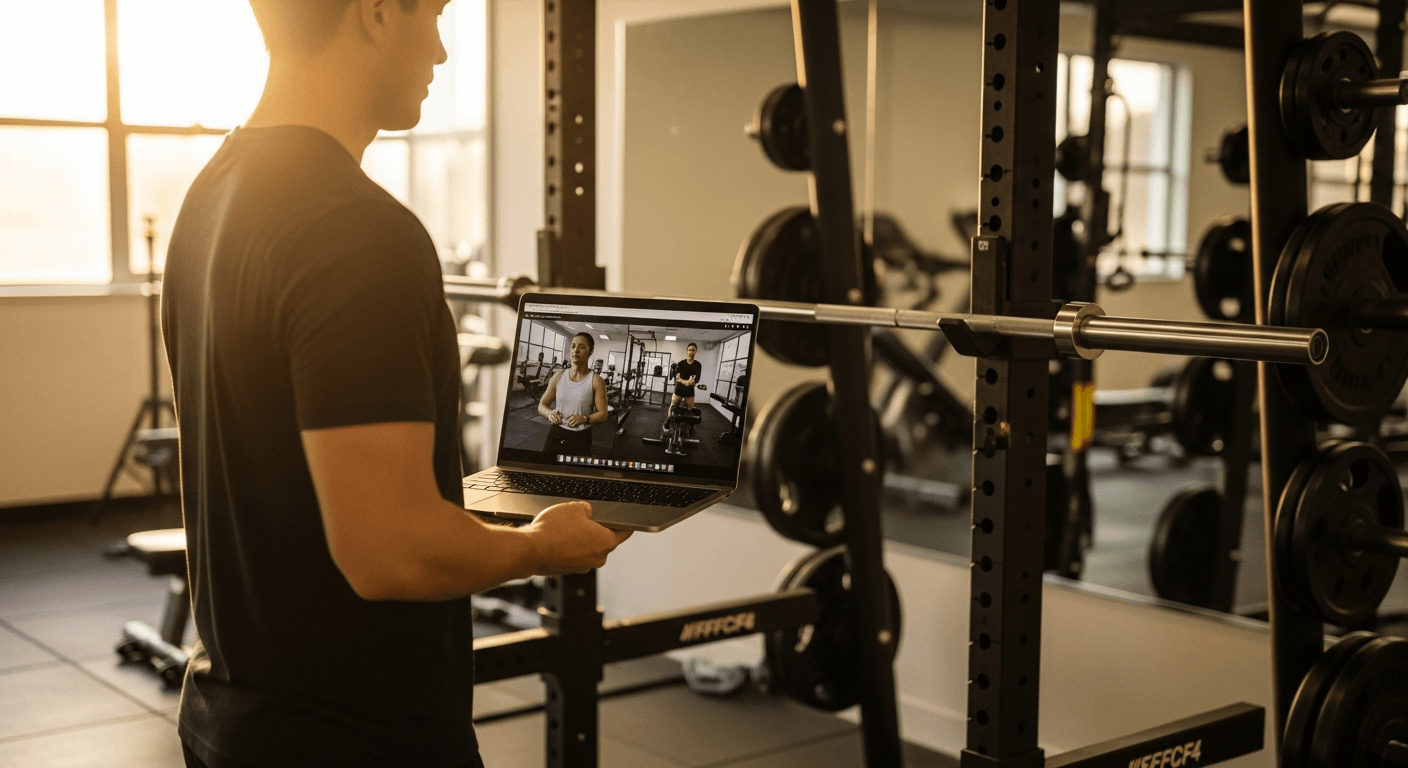
The 2026 State of the Personal Training Industry Report confirms a shift many professionals sensed but can now see in data: hybrid coaching, combining in-person sessions with online follow-up, has become the primary delivery model for fitness trainers.
Nearly half of all professional fitness coaches now operate primarily in hybrid mode. That's a major transformation from five years ago, when in-person training at a gym or home dominated. And on the client side, the signal is even stronger: over 60% say they prefer hybrid coaching for the flexibility it provides.
Why Hybrid Won
Flexibility is the primary reason both coaches and clients cite. For the coach, a hybrid model removes geographical and scheduling constraints. You can serve clients in different cities or even different countries, delivering quality support remotely without relocation.
For the client, access to their coach outside of in-person sessions, for program questions, nutritional guidance, encouragement, or adjustments, transforms the coaching experience. It's no longer one hour per week at the gym. It's continuous support integrated into daily life.
Economically, hybrid coaches have access to a broader market, fewer hourly constraints tied to a physical location, and more flexibility to move upmarket with value-added offers: personalized plans, nutritional tracking, regular check-ins, access to exclusive content.
The Infrastructure It Requires
Going hybrid doesn't happen without preparation. The main requirement is having the right digital tools to manage clients remotely: program creation and delivery, performance tracking, communication, billing. Without solid digital infrastructure, a coach trying to manage 15 or 20 hybrid clients quickly gets overwhelmed by WhatsApp messages, scattered PDFs, and Excel spreadsheets.
Coaches who've made the transition smoothly have generally centralized their activity on a dedicated coaching platform. That lets them create structured programs, send them to clients, track session feedback, run regular check-ins, and centralize all communication. The time saved on admin directly translates to the capacity to take on more clients or improve the quality of follow-up.
Hybrid and AI: The Next Step
The 2026 report also flags AI as an increasingly standard component of hybrid coaching. Nearly half of American adults now own a fitness tracker or smartwatch. These data streams covering heart rate, sleep, blood pressure, glucose levels, and physical activity are a rich resource coaches can use to personalize programs in real time.
Coaches who integrate this data into their tracking deliver a level of personalization that in-person-only approaches can't match. That's a genuine competitive differentiator, especially in a market where 80% of coaches say finding new clients is difficult or plateauing.
How to Make the Transition If You're Not Hybrid Yet
If you still work exclusively in-person and are considering evolving toward a hybrid model, the simplest path is to introduce it with one or two existing clients first. Offer them between-session support, in the form of weekly check-ins, access to their personalized programs, or exchanges about their recovery and nutrition.
This test phase lets you validate your organization, test your tools, and see whether the format fits your working style. The full transition to hybrid as your primary model rarely happens all at once. It's a gradual evolution that requires adapting your offers, pricing, and internal organization.