
Wellness & Recovery Guides
Sleep optimization, stress management, and mobility guides for active people. Science-backed wellness strategies to help you recover and perform better.
Latest articles (362)
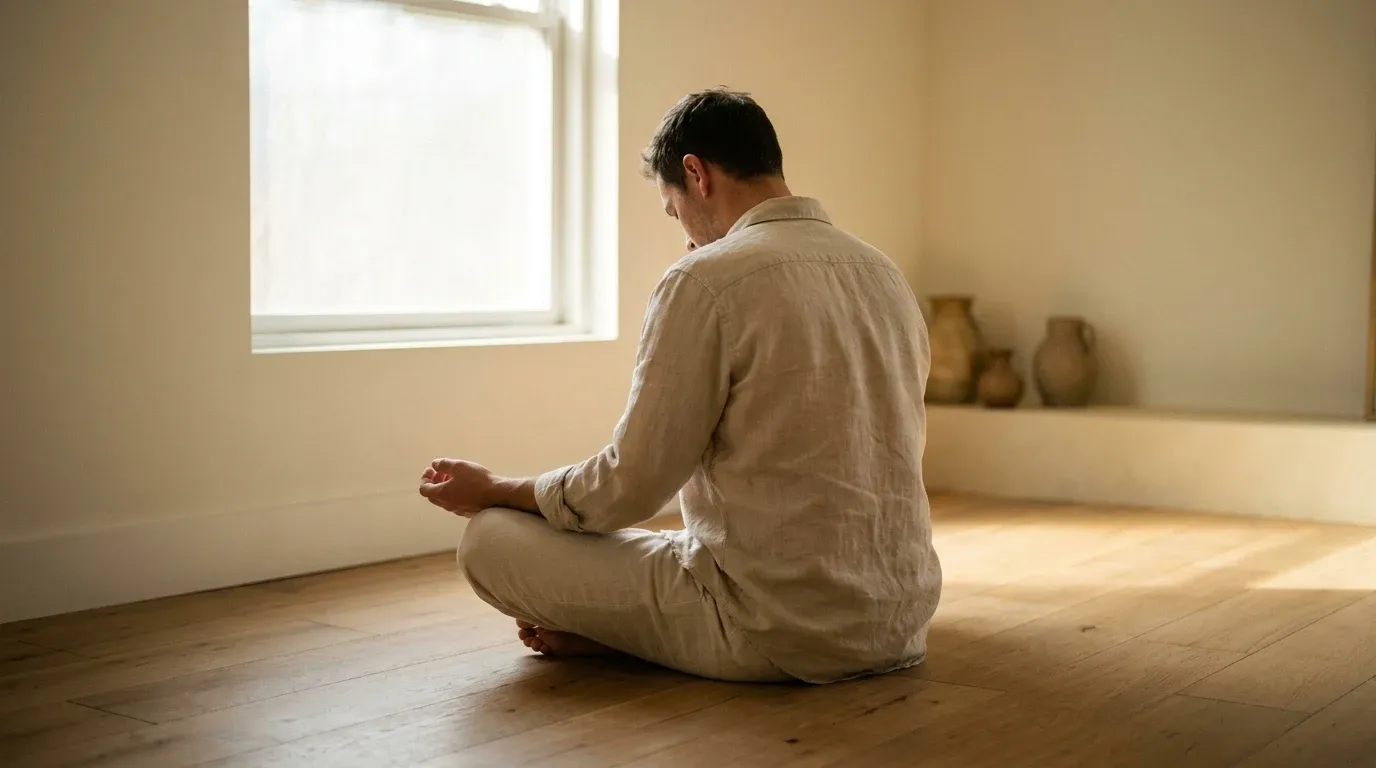
Mindfulness for Stress: What the Evidence Actually Says
Mindfulness reduces stress for many people, but the science is more nuanced than apps suggest. Here's what research actually shows about what works.
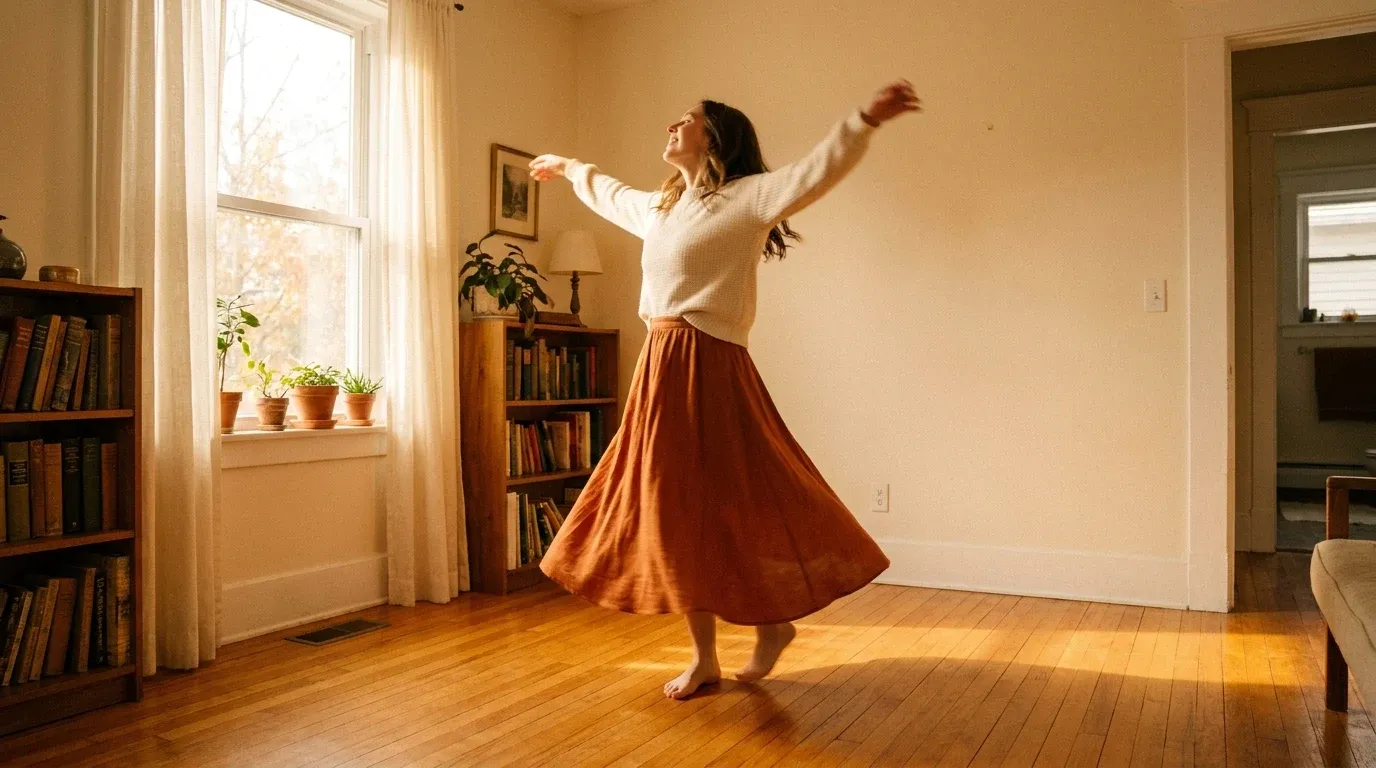
Why Dancing Cuts Cortisol Better Than Yoga or the Gym
Dance lowers cortisol more effectively than yoga or the gym. Here's the physiological reason why rhythm-synchronized movement produces a uniquely strong stress response.
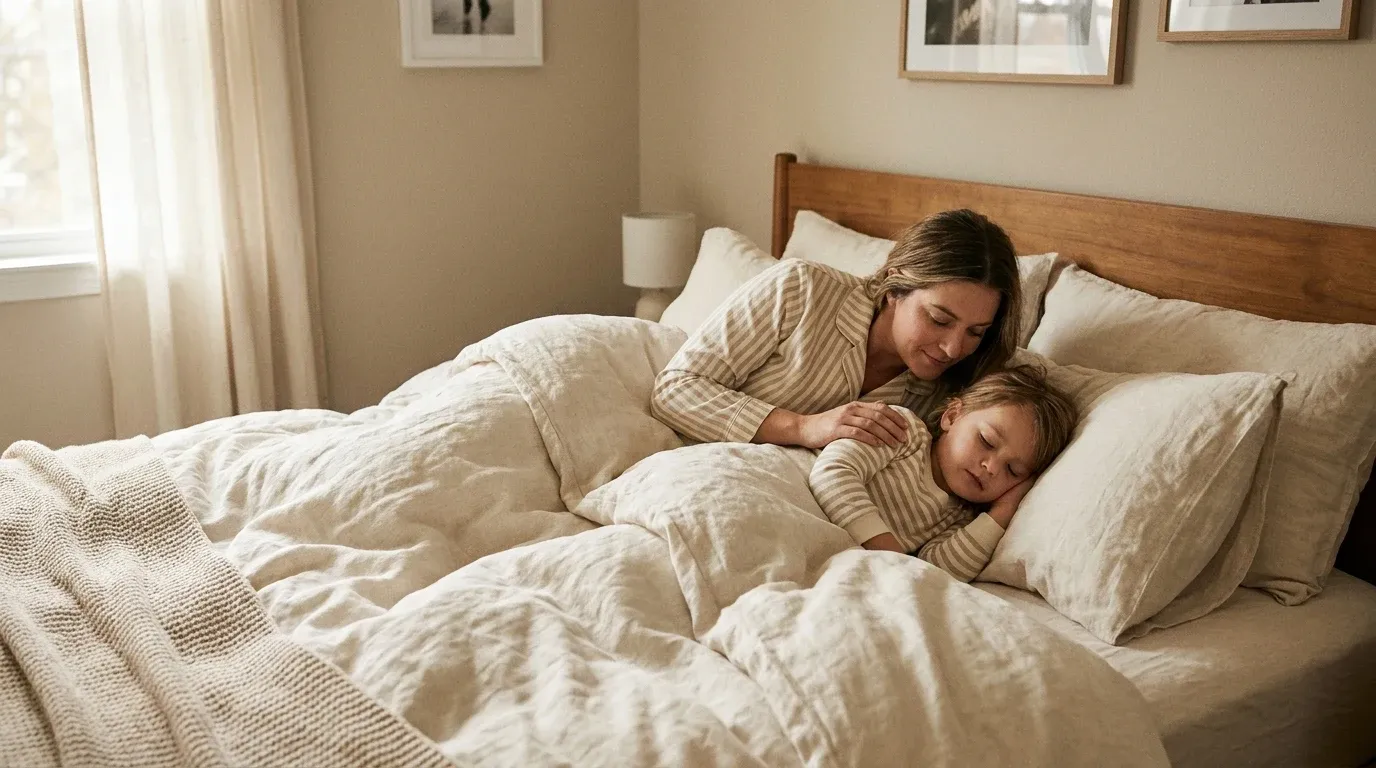
Kids' Sleep Problems Start at Home, Research Confirms
New research confirms that parental bedtime habits directly shape children's sleep, school attendance, and screen use through the elementary years.
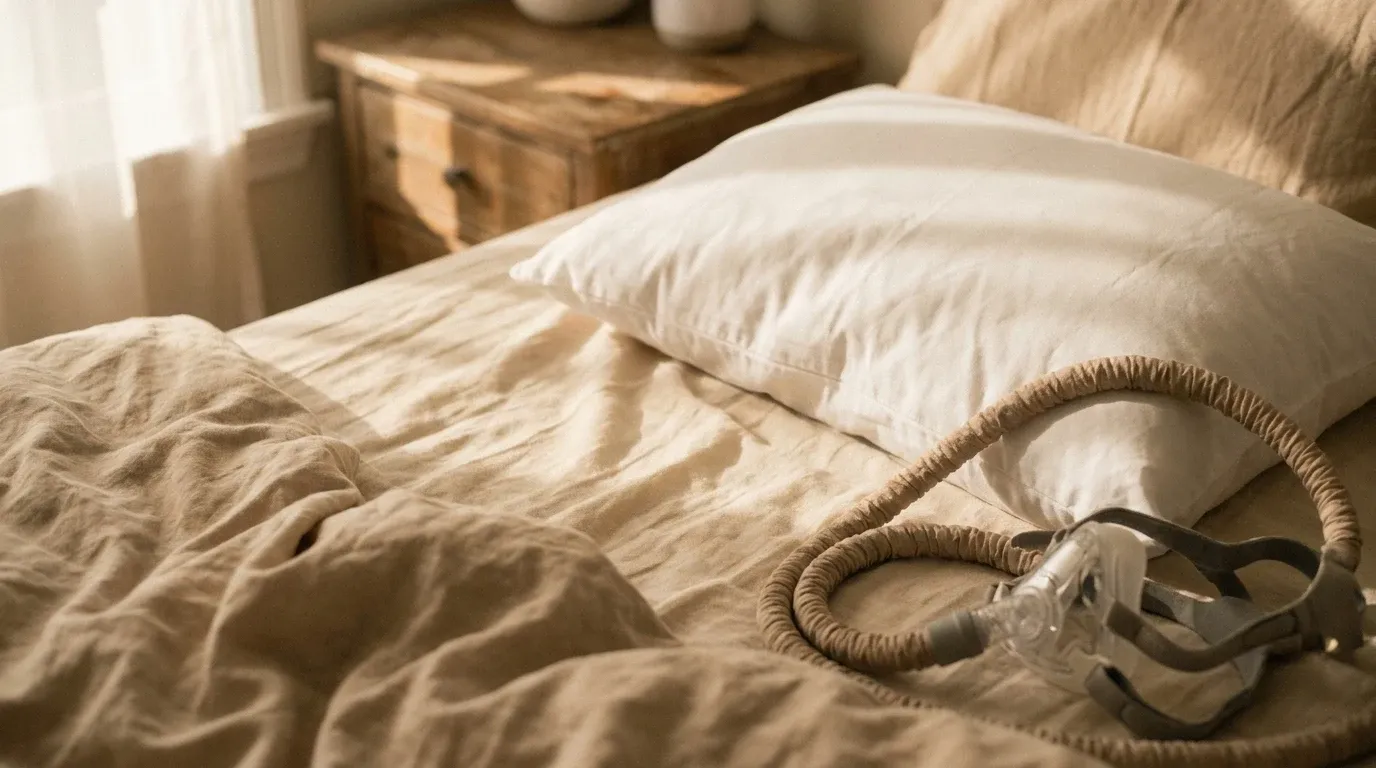
Tirzepatide for Sleep Apnea: What It Does and Doesn't Fix
Tirzepatide is FDA-approved for sleep apnea, but trial data shows roughly half of users still had significant apnea after a year. Here's what the drug actually does.
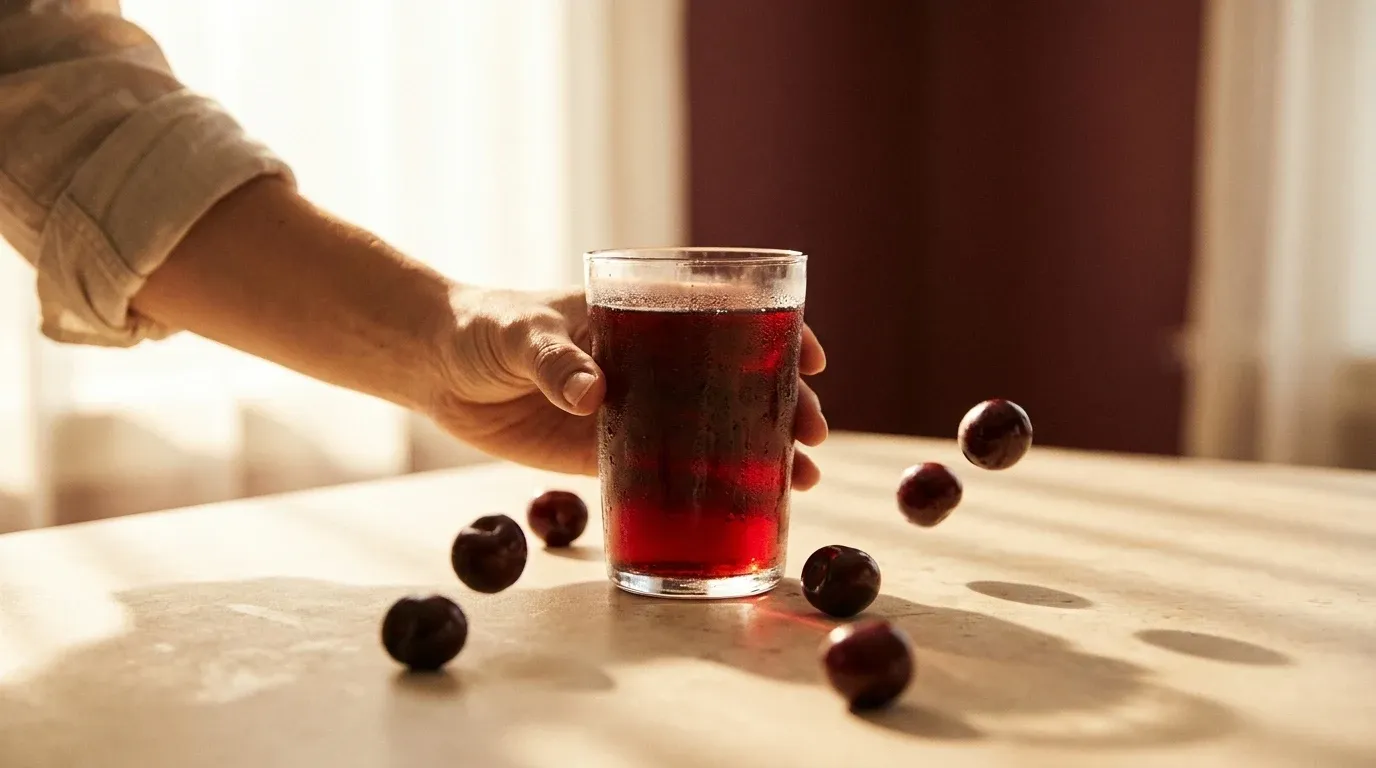
Tart Cherry Juice and Recovery: What the Evidence Shows
Tart cherry juice shows small-to-moderate effects on soreness and measurable strength recovery benefits. Here's what the evidence actually supports.
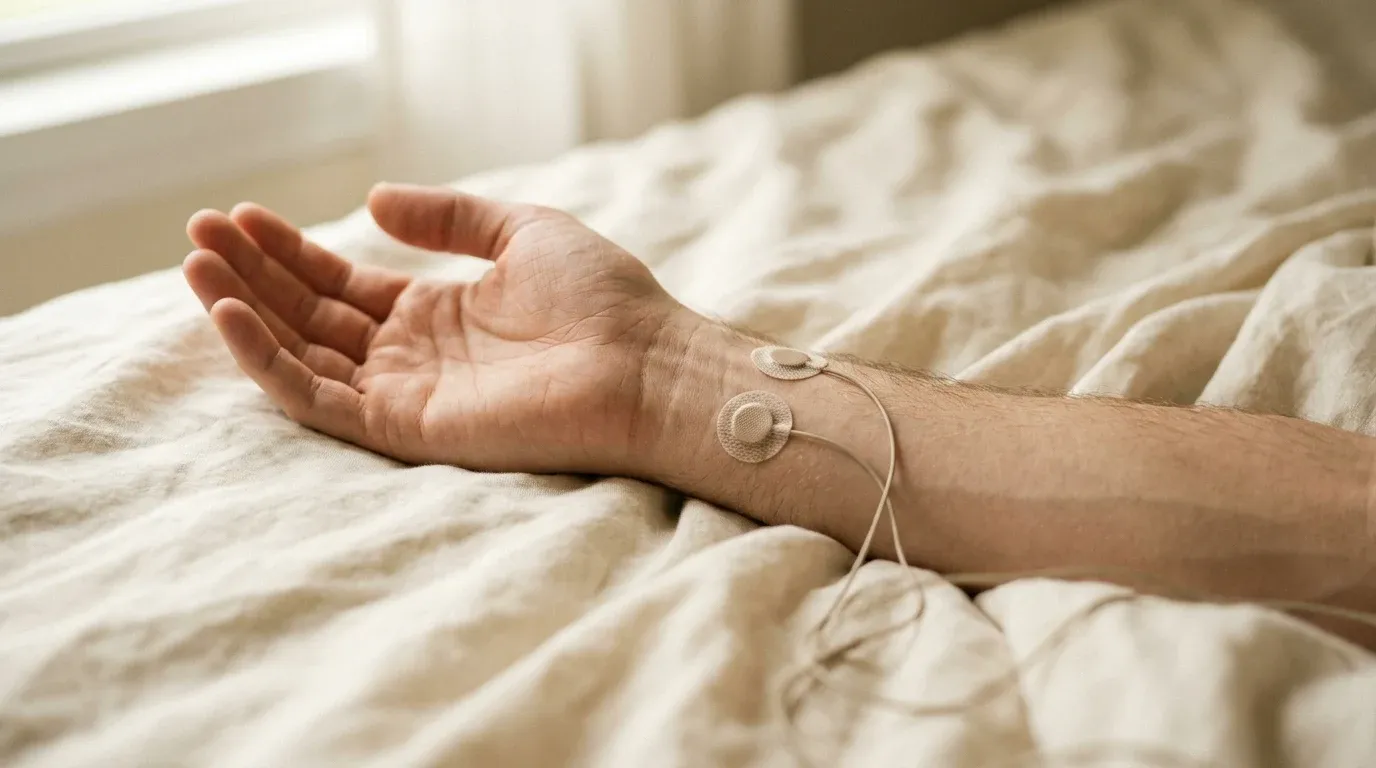
What a Sleep Study Reveals About Your Heart and Lungs
A polysomnography reads your brain, heart, and lungs simultaneously, making it one of the richest health snapshots available to active adults and athletes.
The Fall Recovery Reset: How to Actually Bounce Back Now
After a demanding summer, fall is your most critical recovery window. Here's the evidence-backed reset plan to rebuild before the next season starts.
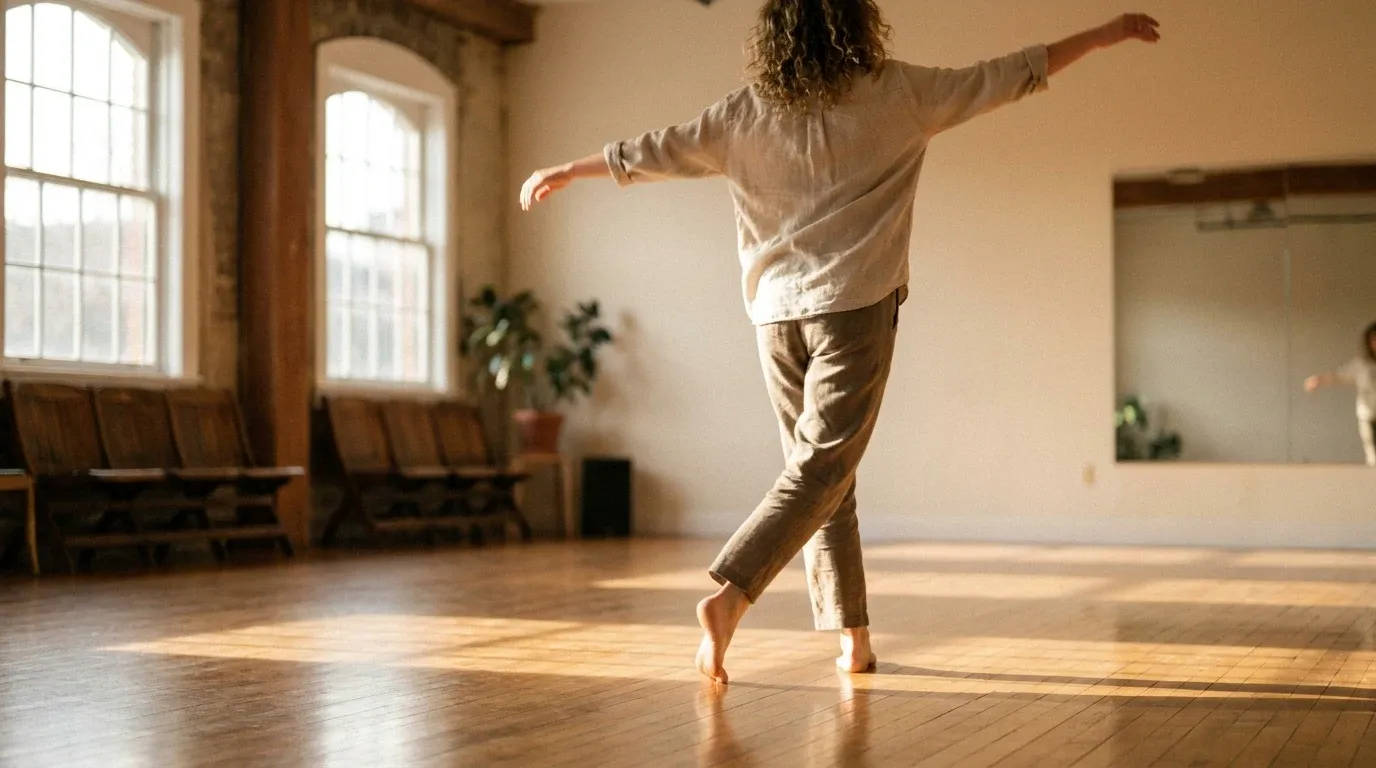
Dance Beats Yoga and the Gym for Stress Relief, Science Says
New research shows dance reduces stress more effectively than yoga or gym training, thanks to its unique mix of rhythm, social connection, and self-expression.
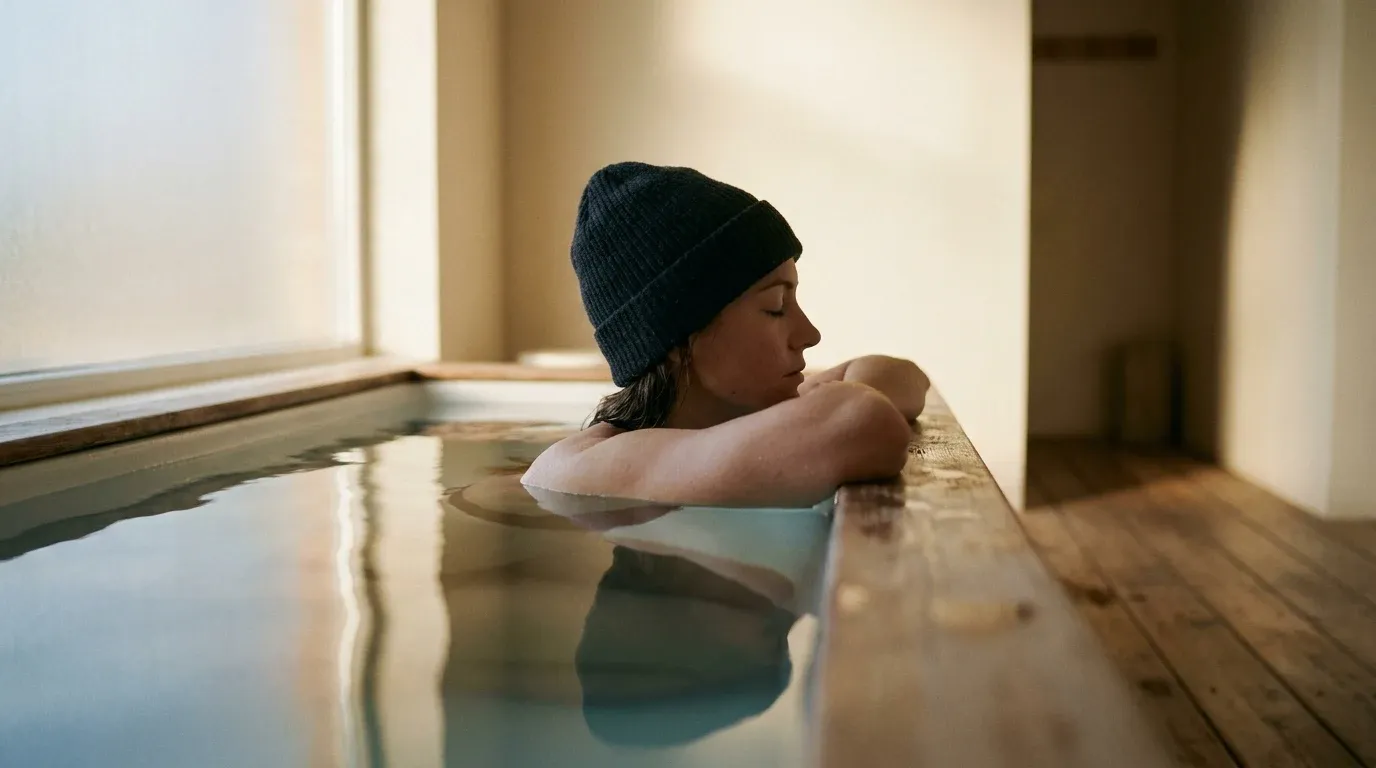
Cold Immersion After Lifting: The Tradeoff You're Missing
Cold-water immersion speeds up soreness relief but suppresses the same signals that drive muscle growth. Here's when to use it and when to skip it.
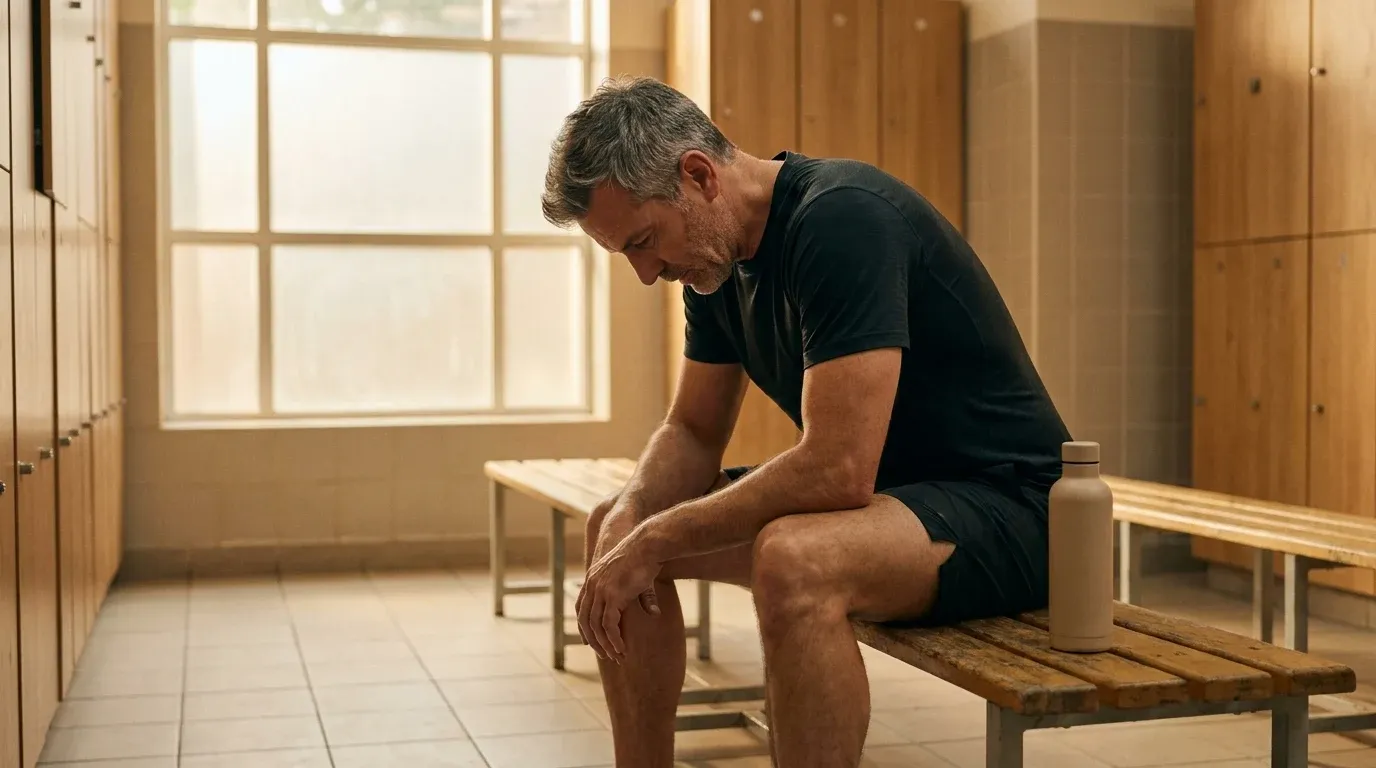
Why Recovery Takes Longer After 40 (And What to Do)
Recovery slows after 40 due to real biological shifts. Here's what's actually happening and how to adapt your training without simply doing less.
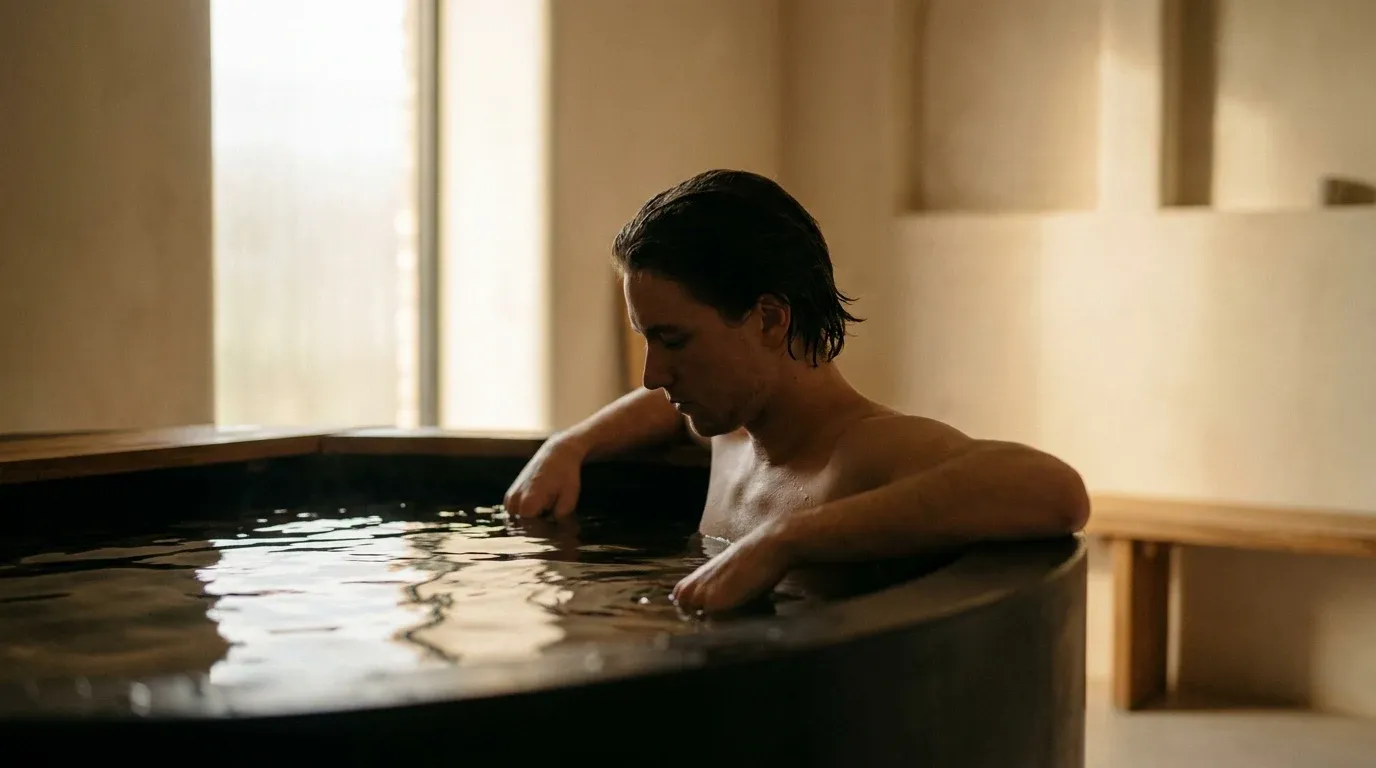
Ice Baths Feel Good. They May Cost You Muscle.
Ice baths ease soreness but research shows frequent use after resistance training can blunt muscle growth. Here's what to use instead.
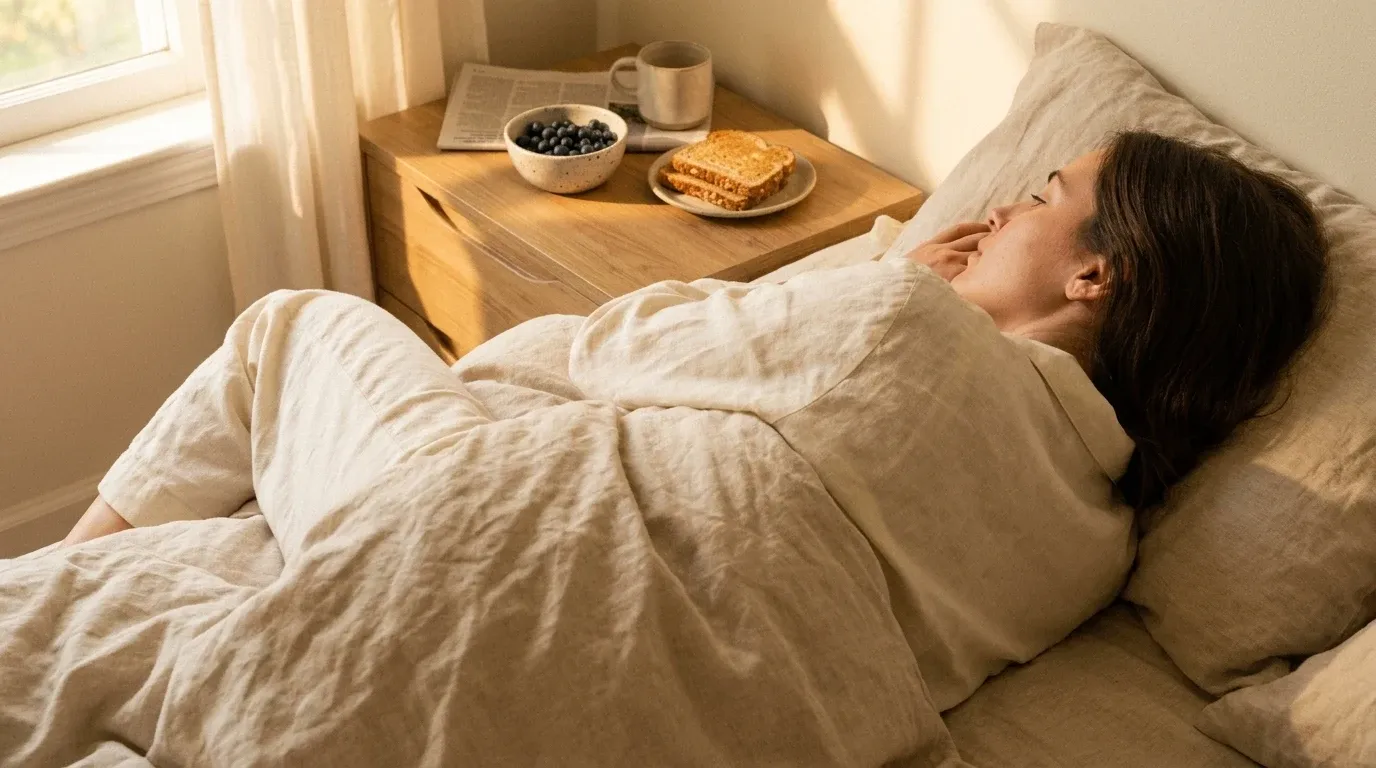
Sleep and Food Still Beat Every Recovery Gadget
New research confirms sleep and nutrition outperform every recovery gadget. Here's why the hierarchy matters and how to stop spending money in the wrong order.
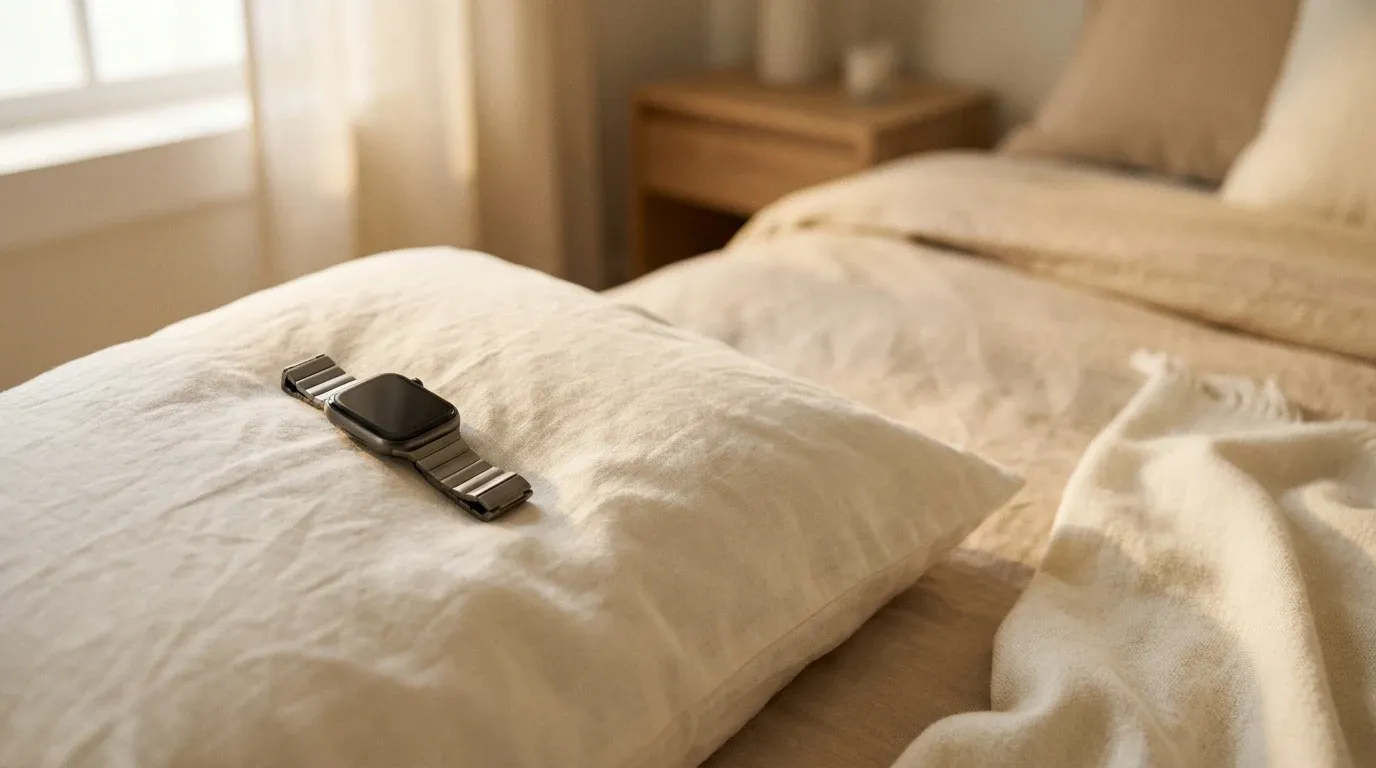
Your Watch Can Now Screen for Sleep Apnea
A Samsung Health study flagged 23% of users for sleep apnea risk. Wearable sensors are making early screening possible outside of sleep labs.
More REM Sleep Lowers Risk of 83 Diseases
A 95,000-person study links more REM sleep to lower risk of 83 diseases. Here's what REM actually does and how to protect it.
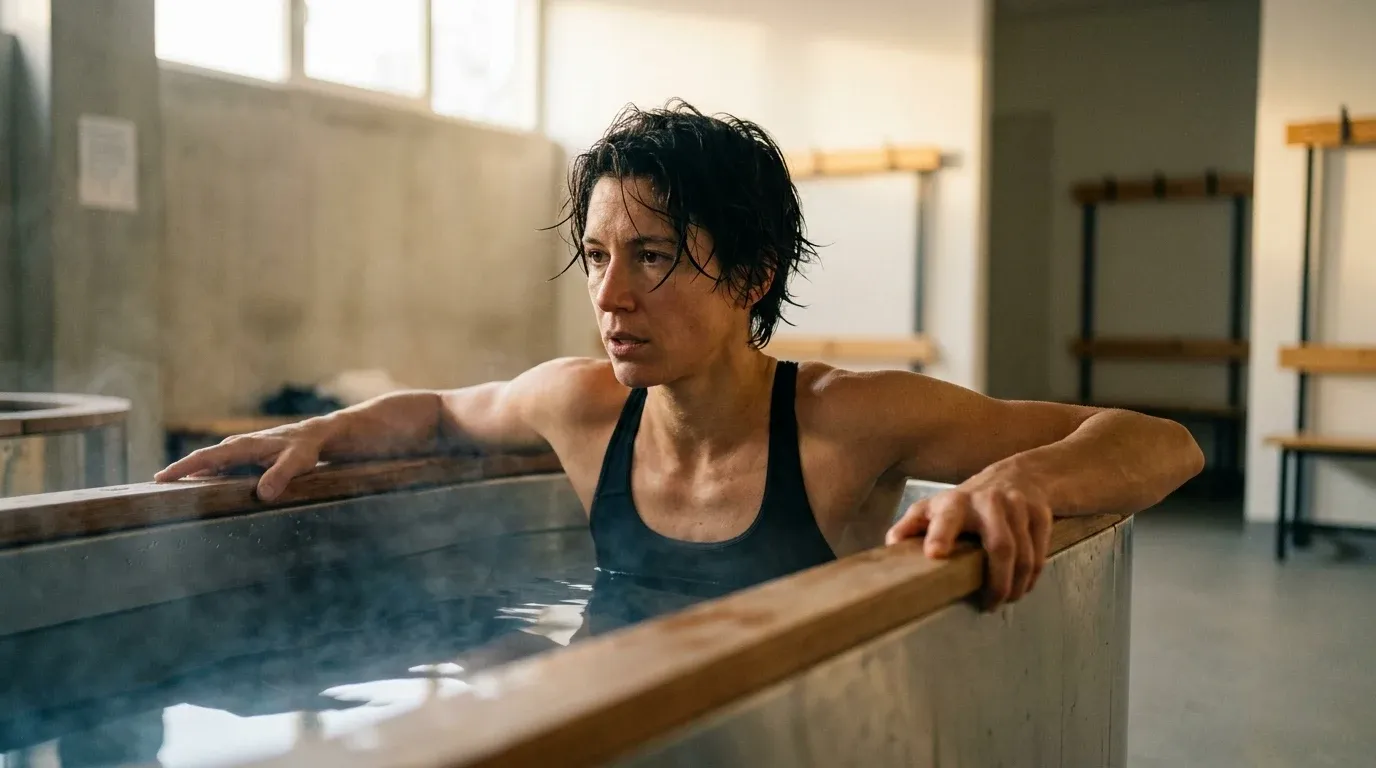
Recovery Methods Work Best in the First 24 Hours
Cold-water immersion, massage, and active recovery deliver the most benefit within 24 hours post-exercise. Waiting longer means missing the window entirely.
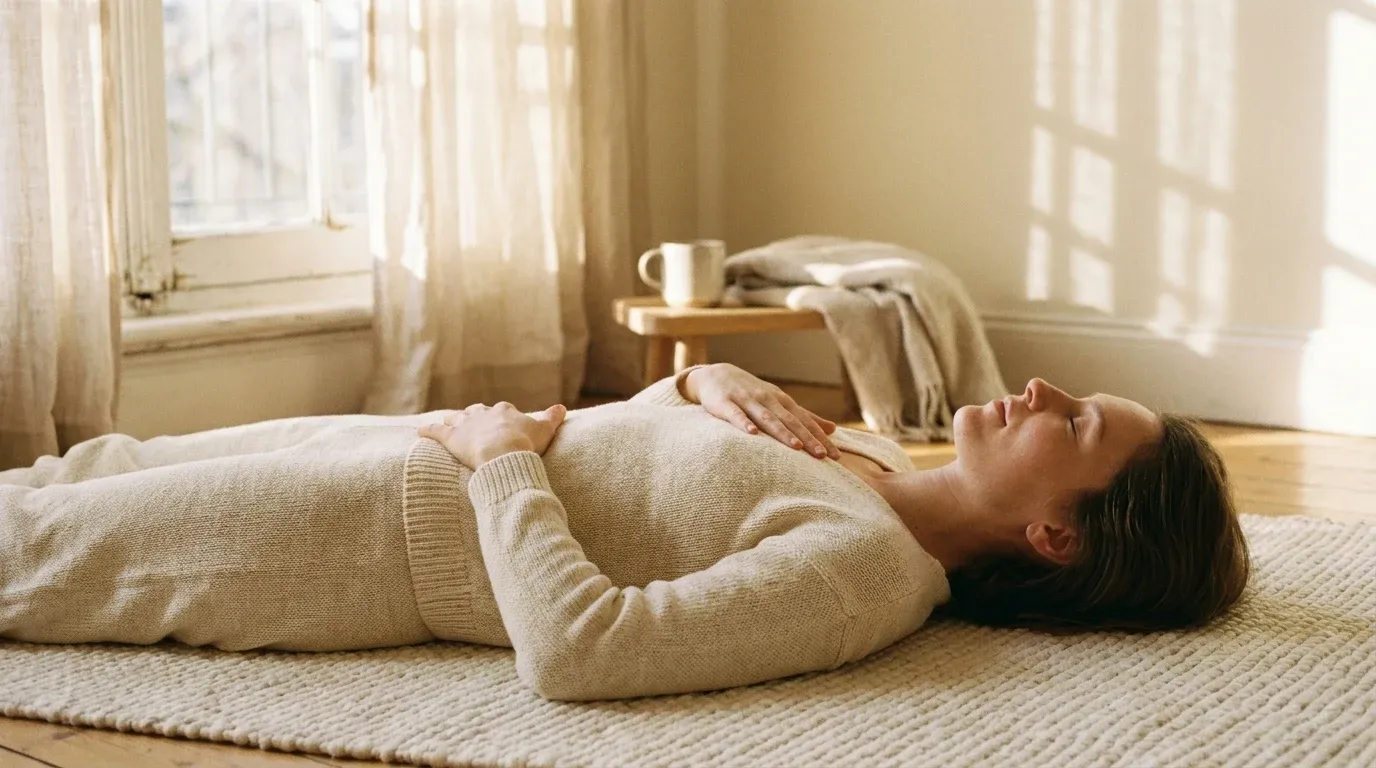
Diaphragmatic Breathing: The Stress Fix That's Free
Diaphragmatic breathing activates the vagus nerve to lower cortisol and heart rate in real time. Here's the science and a simple daily protocol to start today.

Can AI Actually Measure Your Chronic Stress?
Yale engineers are developing AI models that detect chronic stress from behavioral data. Here's what the science means for wellness consumers and coaches.
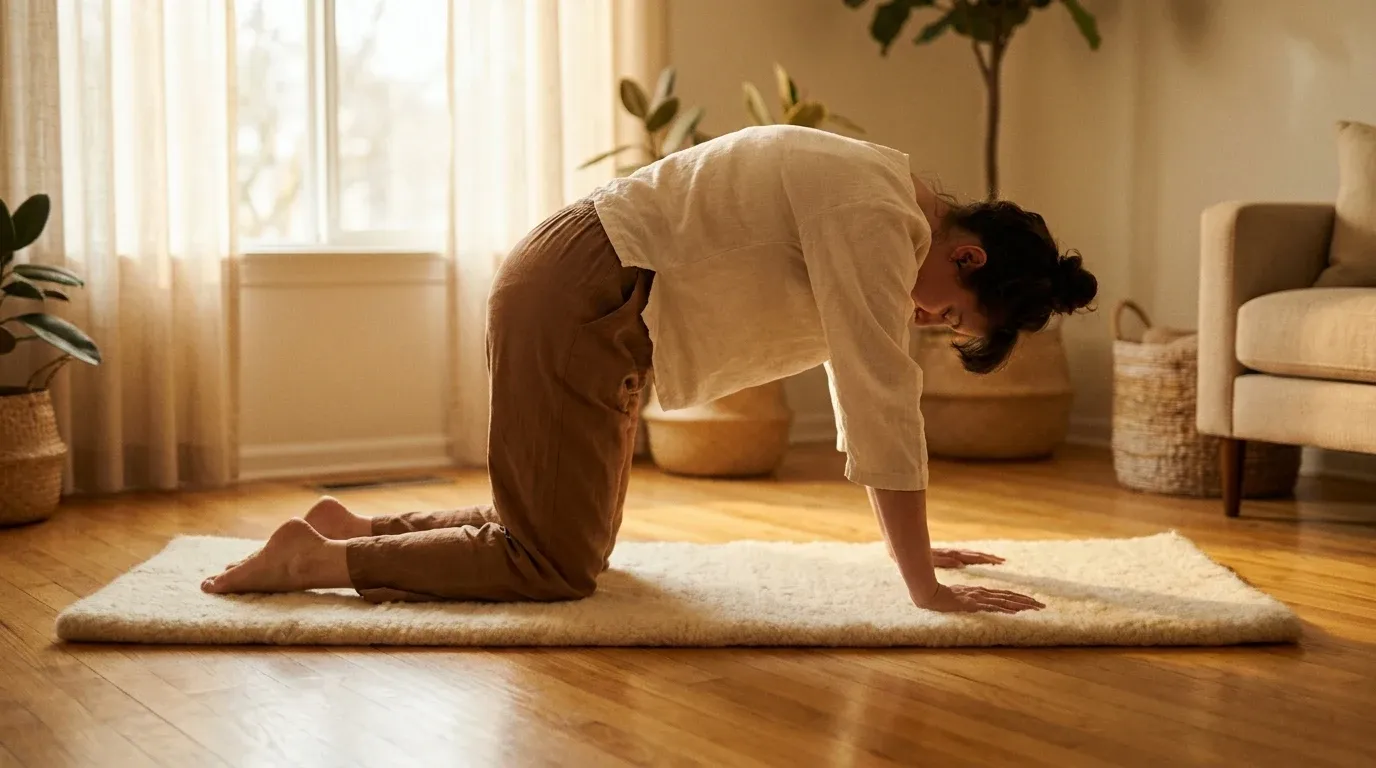
Mobility as a Stress Tool: What Science Actually Shows
Slow joint mobility work measurably lowers cortisol and activates the parasympathetic nervous system, offering a body-first stress tool for those who struggle with seated meditation.

What to Do in the First 24 Hours After a Hard Workout
The 24 hours after a hard workout shape your next session more than any supplement. Here's what trainers recommend, hour by hour, backed by physiology.
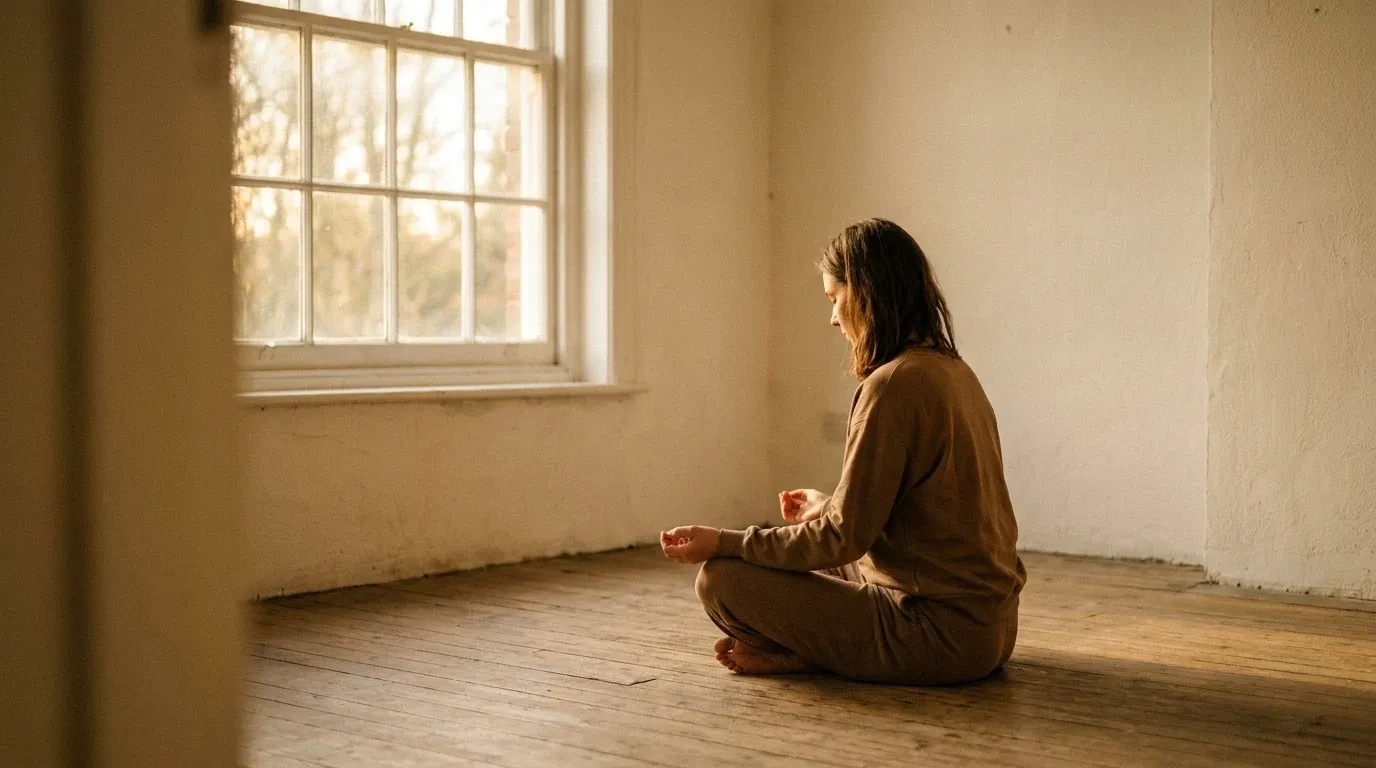
2 Minutes to Calm: What Neuroscience Says About Stress Resets
Neuroscience shows a structured 2-minute breathing practice measurably shifts your nervous system toward calm. Here's the mechanism and how to use it.
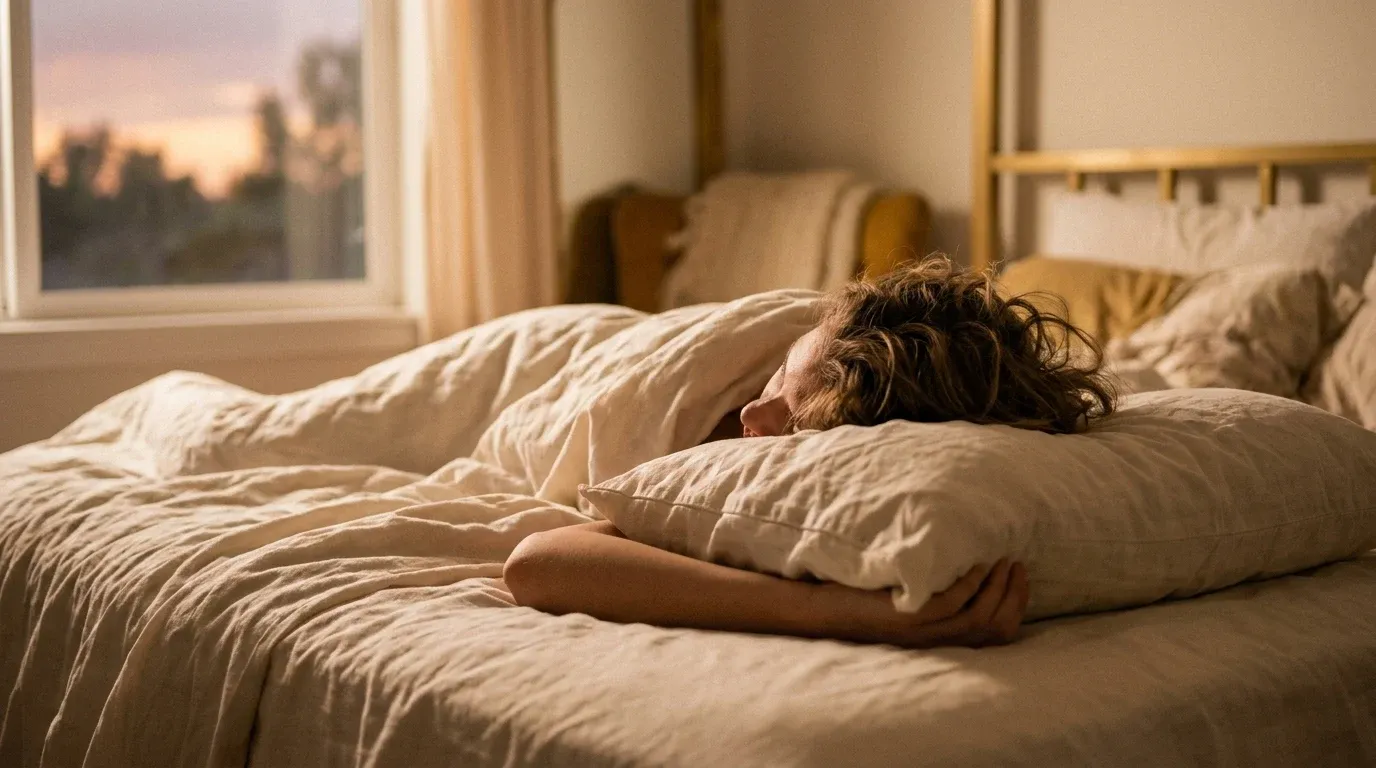
How Fall Schedule Shifts Quietly Wreck Your Sleep
Fall's shorter days and schedule resets quietly suppress REM sleep. Here's the science behind the shift, and a 3-step reset to fix it.
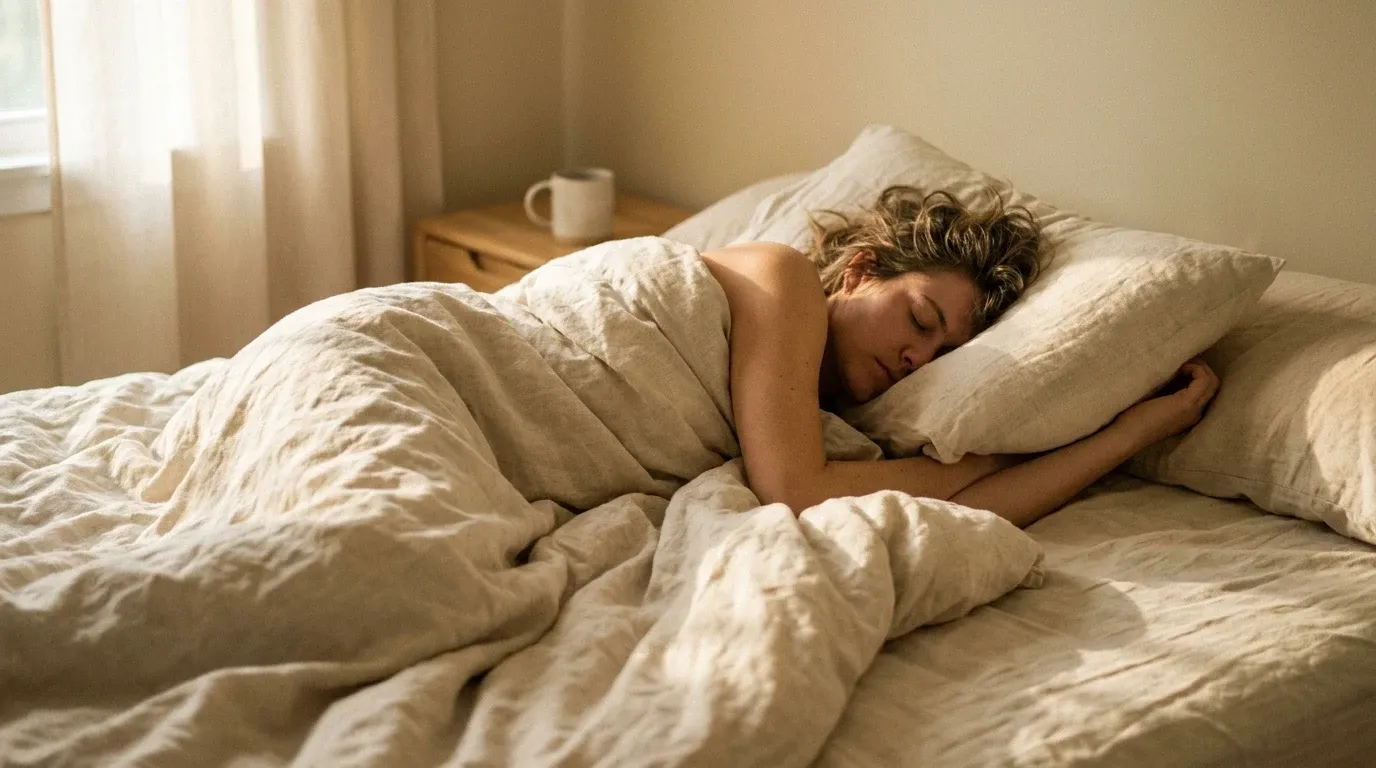
REM Sleep Cuts Risk of 83 Diseases: What It Means
A major study links higher REM sleep to lower risk of 83 diseases. Here's what each sleep stage does and how to get more of both.
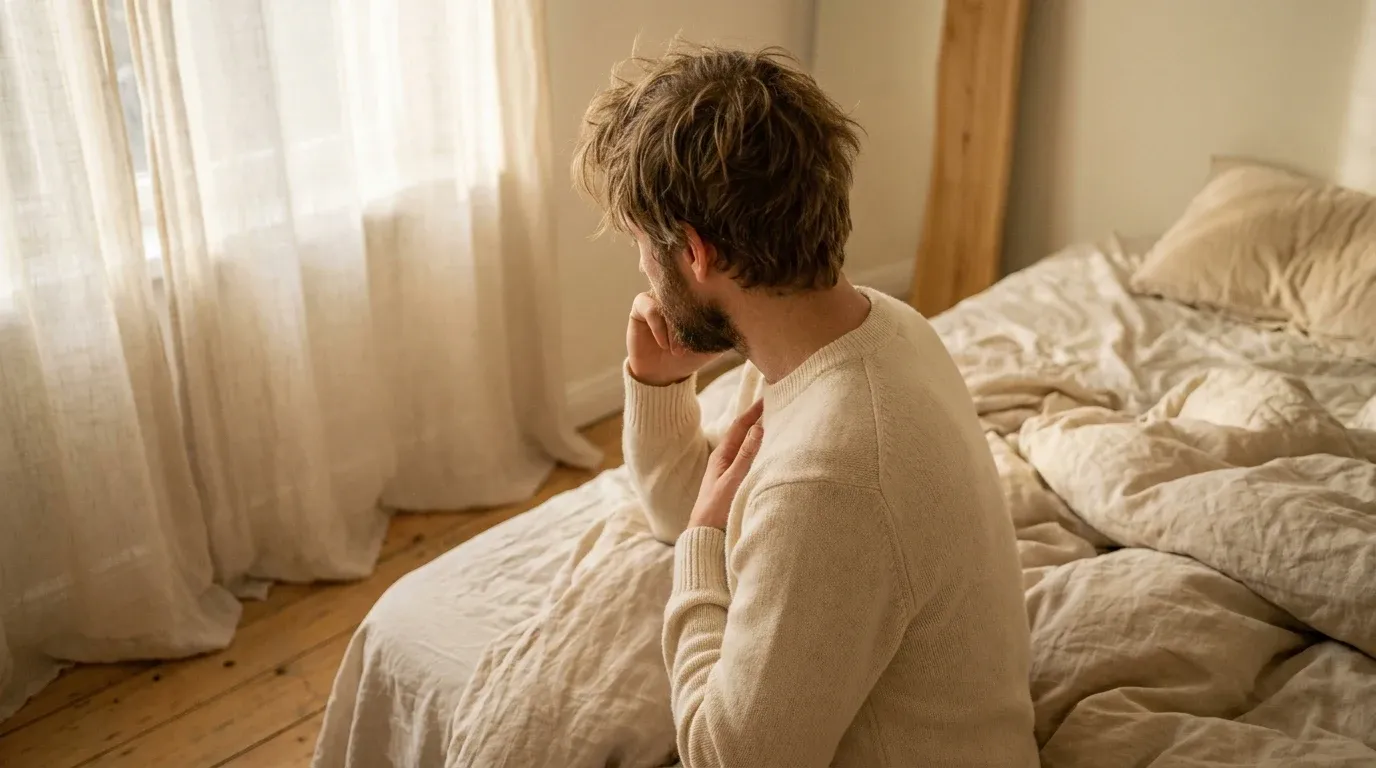
Your Body Signals Stress Before Your Brain Does
Your body sends stress signals 24–48 hours before your brain registers them. Learning to read those physical cues is your earliest and most effective intervention.
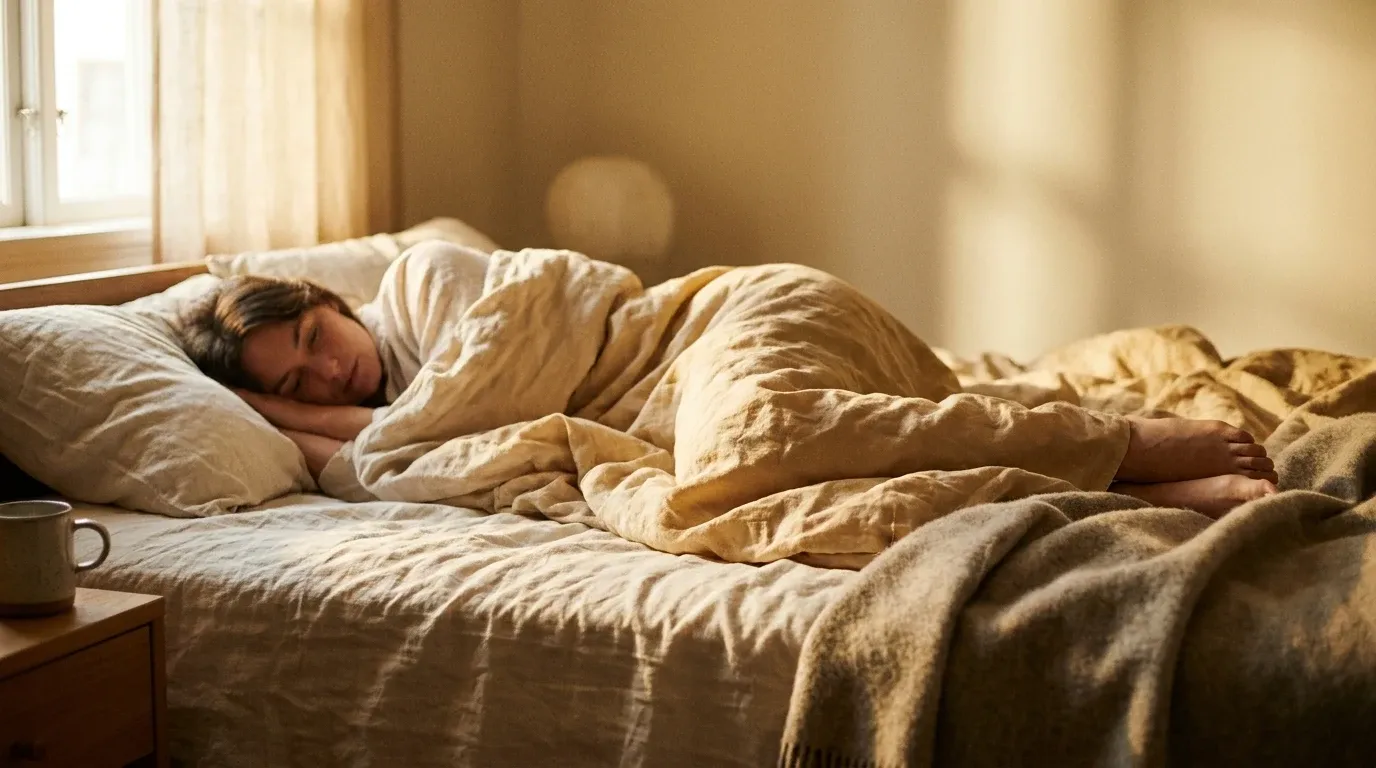
Sleep Quality vs. Quantity: What Actually Matters More
Eight hours of fragmented sleep doesn't protect you like six hours of quality, stage-rich sleep can. Here's what the research on sleep architecture actually means for your health.