
If you've spent any time in fitness circles recently, you've almost certainly heard someone talking about BPC-157. It's been called the "Wolverine peptide," a miracle recovery compound, and the secret weapon of elite athletes. Use has reportedly risen 33-fold in recent years. And yet, if you look at the actual science, the gap between the hype and the evidence is striking.
Here's what the research actually shows, why regulators are paying close attention, and what you should weigh carefully before considering this compound.
What Is BPC-157?
BPC stands for Body Protection Compound. It's a synthetic peptide derived from a protein found in human gastric juice. Originally, researchers were interested in its potential role in gut healing. Over time, claims expanded dramatically to include tendon repair, muscle recovery, neuroprotection, and even mood regulation.
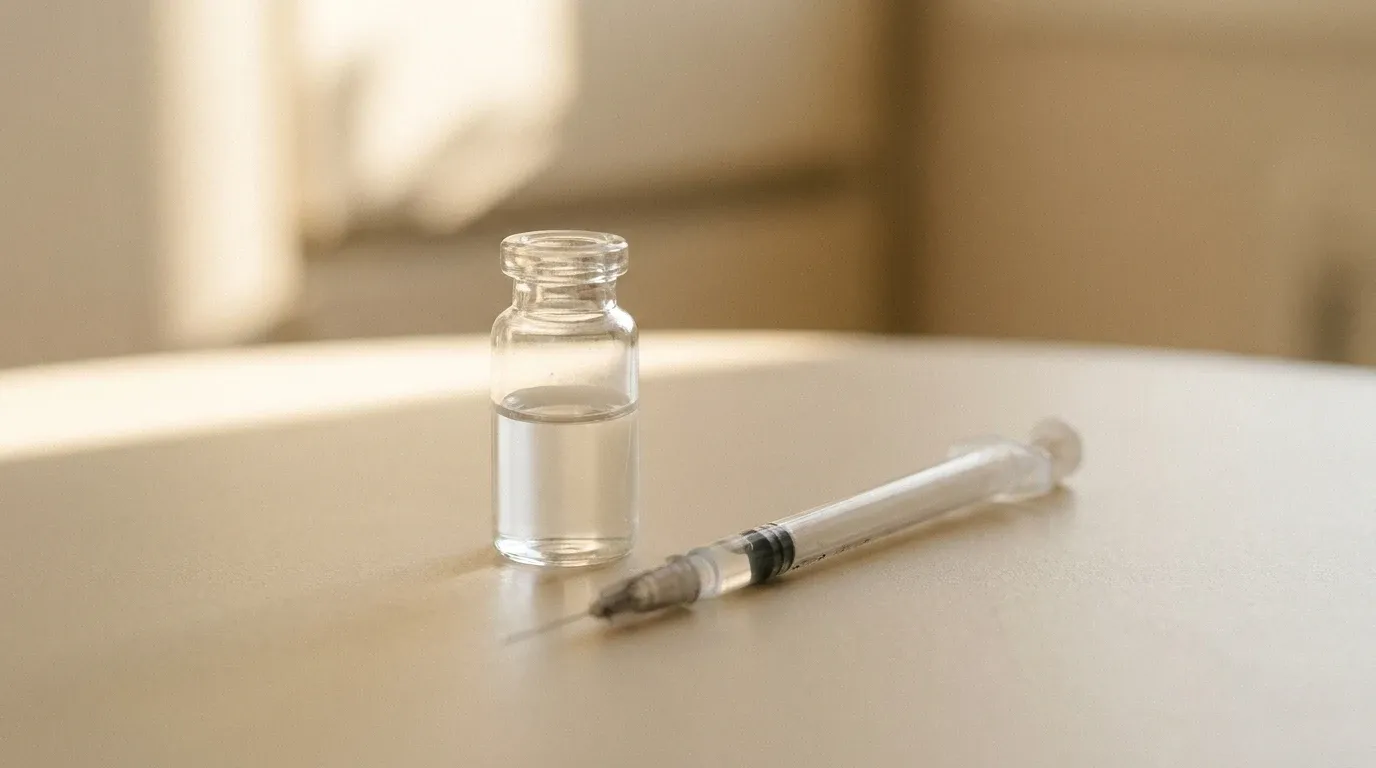
BPC-157 is typically administered via subcutaneous injection or, less commonly, oral capsules. In the context of fitness and sports recovery, it's being used by athletes, bodybuilders, and biohackers who are convinced it accelerates healing beyond what conventional nutrition and training can achieve.
That belief is driving a market that has grown at a pace that makes most supplement categories look slow. But belief and evidence are two very different things.
The 33-Fold Rise in Use
The surge in BPC-157 interest didn't happen organically. It was accelerated by social media, podcast culture, and online communities where anecdotal reports spread faster than peer review. Usage data tracked by compounding pharmacies and peptide vendors shows a 33-fold increase in demand over roughly the past five years.
That's a remarkable number for any compound, but it becomes more remarkable when you consider what that growth is built on. There are no large-scale, randomized, placebo-controlled human clinical trials demonstrating that BPC-157 is effective or safe for the uses being promoted. None.
The compound has attracted intense interest partly because early animal results sounded extraordinary. Rodent studies suggested faster wound healing, tendon regeneration, and even gastroprotective effects. These findings got amplified through fitness media until they became accepted wisdom. The problem is that animal studies, particularly rodent studies, are notoriously poor predictors of human outcomes.
What the Animal Studies Actually Show
Most of the published research on BPC-157 comes from a single research group in Croatia, which raises methodological concerns around independent replication. The studies use rodent models at doses that are often difficult to translate meaningfully to human physiology. Results have included accelerated tendon healing, improved muscle reattachment after injury, and reduced inflammation markers.
These are genuinely interesting findings. Animal studies serve an important purpose in early-stage research. But they represent the beginning of the scientific process, not the conclusion. For context, thousands of compounds have shown extraordinary results in animal models and failed completely in human trials. The history of medicine is littered with them.
When it comes to performance nutrition and recovery, there are actually well-evidenced options that people frequently overlook. Creatine Plus HMB or Hydration: Which Stack Actually Works? explores compounds with decades of human trial data behind them. That's the standard BPC-157 hasn't come close to meeting.
It's also worth noting that some claims around BPC-157, particularly those involving muscle repair and joint recovery, overlap with other supplement categories that do have human evidence. Joint Health Supplements: Which Ingredients Actually Have Evidence? breaks down what's actually supported by clinical data for connective tissue health.
The Regulatory Picture Is a Real Problem
BPC-157 is not approved by the FDA as a dietary ingredient. It is not approved as a drug. It exists in a gray zone that creates genuine legal and safety risk for consumers.
In the United States, the FDA issued a statement clarifying that BPC-157 cannot be legally marketed as a dietary supplement because it doesn't qualify under the Dietary Supplement Health and Education Act (DSHEA). It was removed from the list of substances compounding pharmacies can use in 2023. The agency cited concerns about safety data and the lack of clinical evidence. Similar regulatory caution has emerged in Australia, Canada, and the UK.
That means if you're sourcing BPC-157 from an online vendor or a gray-market peptide supplier, you're buying a compound with no quality control guarantee, no verified purity, and no legal oversight. Testing of products sold online has found significant variation in actual peptide content, and some samples have been found to contain contaminants.
The risk isn't purely hypothetical. Without clinical safety data in humans, long-term effects are unknown. Potential interactions with hormonal systems, immune function, or cardiovascular health haven't been studied at scale.
Why Athletes Keep Reaching for It Anyway
Understanding why BPC-157 use is rising 33-fold requires understanding the psychology of performance culture. Recovery is a genuine bottleneck for serious athletes. When you're training hard and looking for an edge, a compound that promises faster healing from tendon injuries or muscle damage sounds almost too good to ignore.
The fitness industry also has a long history of running ahead of the evidence. Many compounds that are now well-accepted had early periods of use before clinical data caught up. Creatine is the obvious example. The difference is that creatine accumulated a substantial human evidence base relatively quickly. BPC-157 has been in circulation for years now without that evidence emerging.
There's also a legitimate underlying need. Muscle recovery, joint health, and connective tissue resilience are real concerns for athletes at every level. If you're working on those fronts, there are approaches with actual evidence behind them. Research shows that your aging muscles have a hidden defense mechanism that responds to consistent training stimuli, without requiring unproven compounds. And structured training approaches, including resistance work, have demonstrated measurable benefits for recovery capacity and musculoskeletal health.
The Problem With Peptides in General
BPC-157 isn't the only peptide being marketed aggressively to the fitness audience without solid clinical backing. The broader peptide category has attracted significant hype and significant regulatory scrutiny simultaneously.
Peptides as a concept are scientifically legitimate. Your body uses peptides for countless functions. But the leap from "peptides are important" to "injecting this specific synthetic peptide will improve your recovery" requires clinical validation that most of these compounds simply don't have.
If you've seen BPC-157 paired with other compounds in pre-workout or recovery formulations, it's worth reading the evidence on the whole category. Stimulant-Free Pre-Workouts: Do Peptides Actually Deliver? examines how these ingredients hold up when the marketing gets stripped away.
What You Should Do Instead
If your goal is better recovery, faster healing, and improved resilience, there's a straightforward framework that doesn't require sourcing unregulated compounds from gray-market vendors.
- Prioritize protein intake and timing. The evidence for adequate protein in muscle repair is extensive and unambiguous. Total daily intake matters, and distribution across meals appears to optimize synthesis. Casein Is the Protein You Keep Forgetting About covers one of the most underused tools in recovery nutrition.
- Use evidence-based supplements. Creatine monohydrate has decades of human trial data. Collagen peptides with vitamin C have emerging support for connective tissue. These aren't as exciting as the Wolverine peptide narrative, but they work.
- Structure your training intelligently. Recovery is a function of training load management, not just supplementation. Progressive overload, adequate rest, and appropriate volume matter more than any compound at the margins.
- Don't overlook anti-inflammatory nutrition. Diet quality, omega-3 intake, and sleep have more robust evidence for recovery outcomes than BPC-157 does.
The desire for a shortcut is understandable. Injury is frustrating, recovery is slow, and the idea that a compound could accelerate the process is genuinely appealing. But the shortcut framing is exactly where BPC-157 marketing is most effective and most misleading.
The Bottom Line
BPC-157 use has risen 33-fold on the back of animal research, social media amplification, and a very human desire to recover faster and perform better. The science hasn't followed. There are no quality human trials demonstrating efficacy. The regulatory picture in the US, UK, Canada, and Australia creates genuine legal exposure for consumers. And the safety profile over the long term is simply unknown.
That doesn't mean BPC-157 will never have a clinical application. Research should continue. But "more research is warranted" is not the same as "this is safe and effective." Right now, those two things are being conflated constantly, and it's costing people money, and potentially more.
If you're serious about recovery, the evidence-based toolkit is actually quite good. It just doesn't have a Marvel character attached to it.