
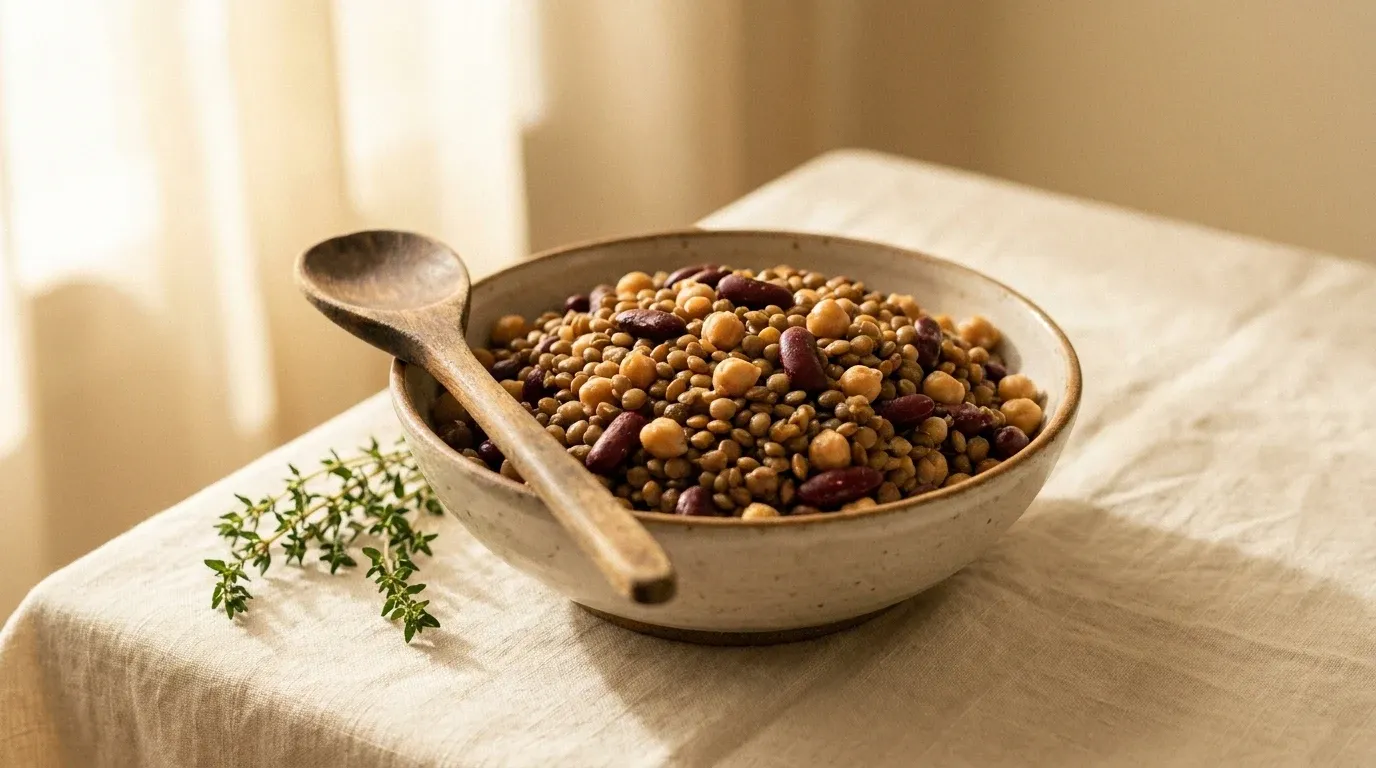
If you're looking for a single dietary change that works for your heart, your blood sugar, and your body composition at the same time, new research points to one of the most affordable foods on the planet: pulses. Lentils, chickpeas, black beans, kidney beans. The kind of food that's been sitting in your pantry, probably underused.
A study published this week in a peer-reviewed nutrition journal analyzed dietary data from thousands of adults and found a clear, statistically significant association between higher pulse consumption and lower prevalence of cardiometabolic disease. That category includes type 2 diabetes, cardiovascular disease, hypertension, and metabolic syndrome. The more pulses people ate, the less likely they were to have one or more of these conditions.
That's a notable finding. Not because pulses are a new discovery, but because the evidence keeps getting stronger, and most people in Western countries still eat them far below recommended levels.
What the Research Actually Found
The study used cross-sectional data, which means it captures a snapshot rather than tracking people over time. That matters: cross-sectional design can show association, not causation. But the relationship held up after adjusting for age, physical activity, smoking status, and overall diet quality. Pulse consumption remained an independent predictor of lower cardiometabolic risk.
Participants in the highest consumption quartile, typically eating pulses four or more times per week, had meaningfully lower rates of elevated blood pressure, high fasting glucose, and unfavorable lipid profiles compared to those eating pulses rarely or never. The researchers also noted that the protective association was present across different pulse types, so you're not locked into one specific food.
Average pulse intake in the US and UK sits well below two servings per week. The gap between current intake and the levels associated with benefit is large enough that even modest increases, say adding one or two servings per week, could shift outcomes at a population level.
Why Pulses Are Uniquely Suited to a Fitness-Focused Diet
Most foods optimize for one thing. Pulses do three things at once, and that's rare.
Fiber. A single cooked cup of lentils delivers roughly 15 to 18 grams of dietary fiber. For context, the average American gets about 15 grams per day total, less than half the recommended 28 to 38 grams. Fiber slows glucose absorption, feeds beneficial gut bacteria, and supports the kind of stable energy output that matters during training.
Plant protein. That same cup of lentils contains around 18 grams of protein. It's not a complete protein on its own, lacking sufficient methionine, but when eaten across a varied diet, it contributes meaningfully to daily protein targets. For athletes tracking macros or managing overall caloric intake, pulses offer protein without the saturated fat load that comes with many animal sources.
Low glycemic index. Most pulses have a glycemic index below 40, compared to white rice at around 72 or white bread at 75. This translates to a slower, steadier rise in blood glucose, which is relevant for body composition, energy regulation, and long-term insulin sensitivity.
That triple combination, fiber plus protein plus low GI, is hard to replicate with most other whole foods at a comparable cost. A bag of dried lentils costs around $2 to $3 and yields eight or more servings. Canned chickpeas run about $1.50 per can. If you're building a performance-oriented diet on a real-world budget, this matters.
Nutrition quality is only one variable in overall health performance. For readers who are also tracking what happens in the gym, tools like How to Actually Track Your Strength Progress (And Why Most Lifters Don't) can help you connect dietary improvements to measurable output over time.
The Bloating Problem, and How to Fix It
Here's the objection most people raise immediately: pulses cause bloating and gas. It's not a myth, but it's also not a fixed outcome. The discomfort comes primarily from fermentable oligosaccharides, the FODMAP compounds in legumes that gut bacteria ferment rapidly, especially if your gut microbiome isn't accustomed to processing them.
The good news is that your gut adapts. Studies show that digestive symptoms typically decrease significantly after two to four weeks of consistent pulse consumption, as the microbiome shifts to accommodate the increased fiber load. The mistake most people make is eating a large serving of beans after weeks of low-fiber eating, experiencing discomfort, and giving up entirely.
There are also practical preparation steps that reduce the problem from the start:
- Soak dried beans overnight. Discard the soaking water, which leaches out a significant portion of the gas-producing oligosaccharides before cooking.
- Rinse canned legumes thoroughly. The liquid in canned beans contains a concentrated amount of the same fermentable compounds. A thorough rinse reduces them noticeably.
- Start with lentils and split peas. These are naturally lower in FODMAPs than chickpeas or kidney beans, making them the easiest entry point for people with sensitive digestion.
- Add digestive spices. Cumin, fennel, and ginger have documented effects on reducing gas and bloating when incorporated into legume-based cooking.
- Increase gradually. Add one serving every few days rather than jumping to daily consumption. Give your microbiome time to adjust.
Practical Serving Guidance for Athletes and Active Eaters
The research points to four or more servings per week as the range where protective effects are most apparent. A single serving is typically half a cup of cooked legumes, around 100 to 120 grams. That's a modest amount, easily built into existing meals without restructuring your entire diet.
Here's what that looks like in practice for someone training four to five days a week:
- Post-training meals: Lentil soup or a chickpea bowl with roasted vegetables provides protein and complex carbohydrates without spiking blood glucose, supporting glycogen replenishment at a measured pace.
- High-volume, lower-calorie days: On rest days or during a cut, black beans added to salads or grain bowls add satiety and protein without significantly increasing caloric density.
- Meal prep anchor: A batch of cooked lentils or chickpeas takes about 20 to 30 minutes and stores well in the refrigerator for four to five days. Cook once, use across multiple meals.
- Protein stacking: Combining pulses with whole grains at the same meal, like rice and lentils or a chickpea and quinoa bowl, creates a more complete amino acid profile and is a well-established practice in both traditional cuisine and sports nutrition.
For those who track calories carefully, it's worth noting that cooked lentils run approximately 230 calories per cup, with an 18 to 1 protein-to-fat ratio. That's a favorable macro split for muscle-building phases and caloric deficits alike.
Cardiometabolic Risk and the Bigger Picture
Cardiometabolic disease doesn't develop overnight, and it doesn't reverse overnight either. What the research increasingly shows is that consistent dietary patterns, maintained over months and years, are what shift baseline risk. Pulses fit this picture well because they're culturally adaptable, cheap, and easy to prepare in quantity.
The cardiovascular benefits appear to be driven by a combination of mechanisms. Soluble fiber binds to bile acids in the gut, prompting the liver to pull cholesterol from the bloodstream to produce more. Plant protein avoids the pro-inflammatory saturated fat load linked to processed meat. And the low glycemic index reduces chronic insulin elevation, a key driver of both metabolic syndrome and fat storage.
Physical activity works alongside diet to reduce cardiometabolic risk, and the synergy between the two is well-documented. Research published recently found that light lifting cuts depression and anxiety, which adds a mental health dimension to the case for consistent exercise. Combining structured training with a diet anchored by whole foods including pulses represents the kind of compound strategy that moves the needle over time.
If you're also thinking about supplementation to support your training or recovery, it's worth reading about how other evidence-backed compounds perform under scrutiny. Is creatine as good for your brain as it is for your muscles? examines the growing body of research on one of the most studied supplements available. And for anyone evaluating what they put in their body, understanding the regulatory landscape helps. Supplement laws are changing in 2026, and knowing what those changes mean for product quality and labeling is practically useful.
The Bottom Line on Pulses
New evidence reinforces what nutrition research has been pointing toward for years: pulses are one of the most efficient foods you can eat relative to their cost, accessibility, and breadth of health benefits. For anyone managing cardiovascular risk factors, working on body composition, or simply trying to eat better without overcomplicating it, adding three to five servings of lentils, chickpeas, or beans per week is a concrete, evidence-backed move.
You don't need a specialty grocery store or a high food budget. You need a pot, water, and about 30 minutes. Start there.