
The June 2026 market report numbers
On June 3, Mordor Intelligence published a report on the global protein supplement market. Key figures: $30.3 billion in 2026, projected to reach $43.98 billion by 2031, at a 7.74% CAGR (compound annual growth rate).
For context: 7.74% annual growth is nearly double the global economy's growth rate. This isn't a niche market plateauing — it's one of the fastest-growing food sectors in the world.
Who's buying protein in 2026?
The buyer demographics have shifted substantially since 2019. Growth is no longer primarily from athletes and gym-goers — it's coming from three new buyer categories.
Adults over 50: Growing awareness of sarcopenia and protein's role in maintaining muscle mass with age has opened a major segment. The updated 2026 guidelines (1.2–1.6 g/kg/day for active adults) give scientific legitimacy to this category.
Plant-based eaters: Plant-based proteins (pea, rice, hemp, mung bean) have seen particularly fast growth. Quality has improved meaningfully through intelligent blending of complementary sources to achieve complete amino acid profiles.
Functional users: Proteins with probiotics, combined collagens, RTD protein drinks with adaptogens — the category is merging with functional foods. This segment represents the most dynamic growth.
What this means for quality
A fast-growing market attracts two types of players: genuine innovators and marketers selling mediocre products. The markers that actually distinguish quality in 2026:
Third-party certification: NSF Certified for Sport, Informed Sport, Cologne List. These labels verify label compliance and absence of banned substances. Without third-party certification, a brand can put whatever it wants on the label. Amino acid score: Plant proteins vary significantly in their amino acid profiles. Look for products that display PDCAAS or DIAAS — the two scientifically validated protein quality scores. Actual vs. labeled content: Independent tests (Consumer Reports, Labdoor) regularly reveal gaps between labeled and actual protein in budget products.
Formats to watch
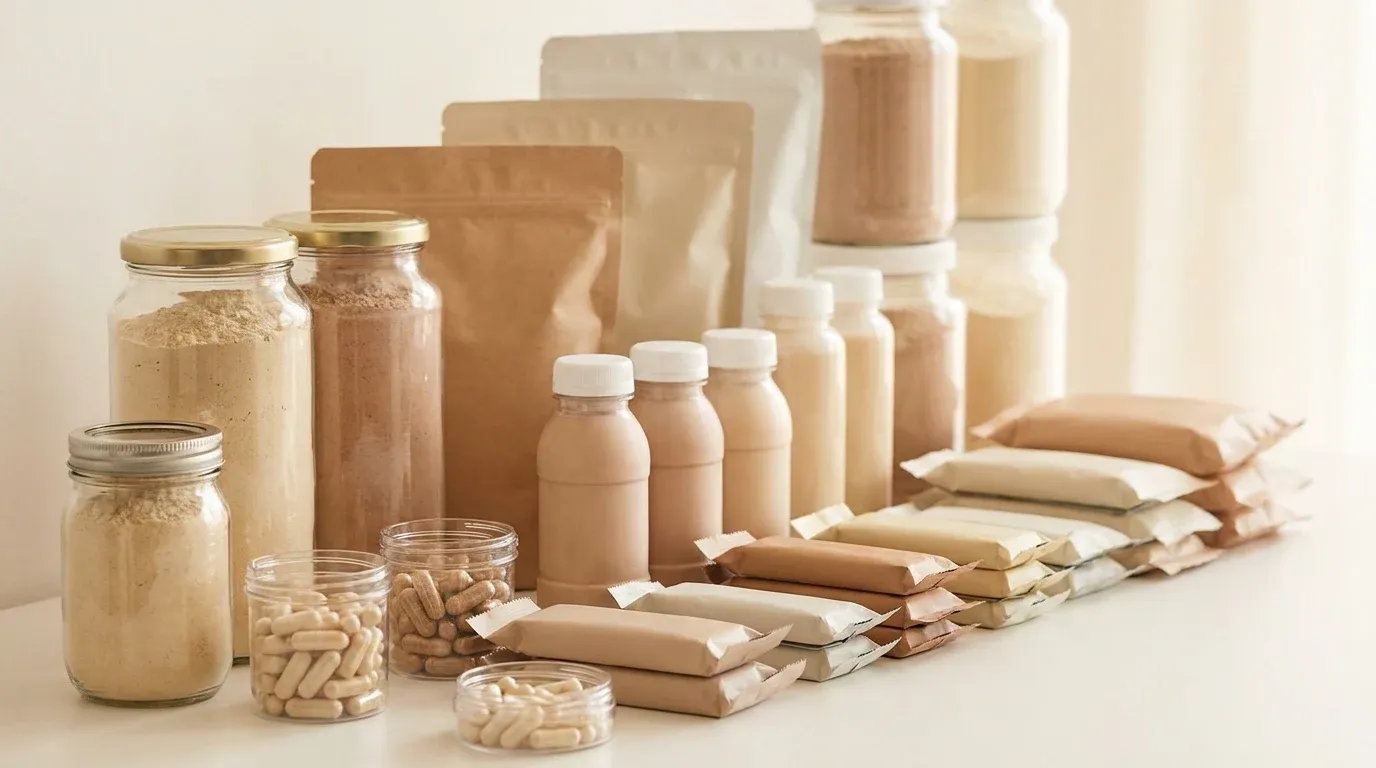
Two formats are seeing particularly strong growth: RTD (Ready-to-Drink) proteins and high-quality protein bars. Convenience is increasingly outweighing traditional powder format for non-athlete users. For serious athletes, powder remains the format with the best quality-to-cost ratio per gram of protein.