
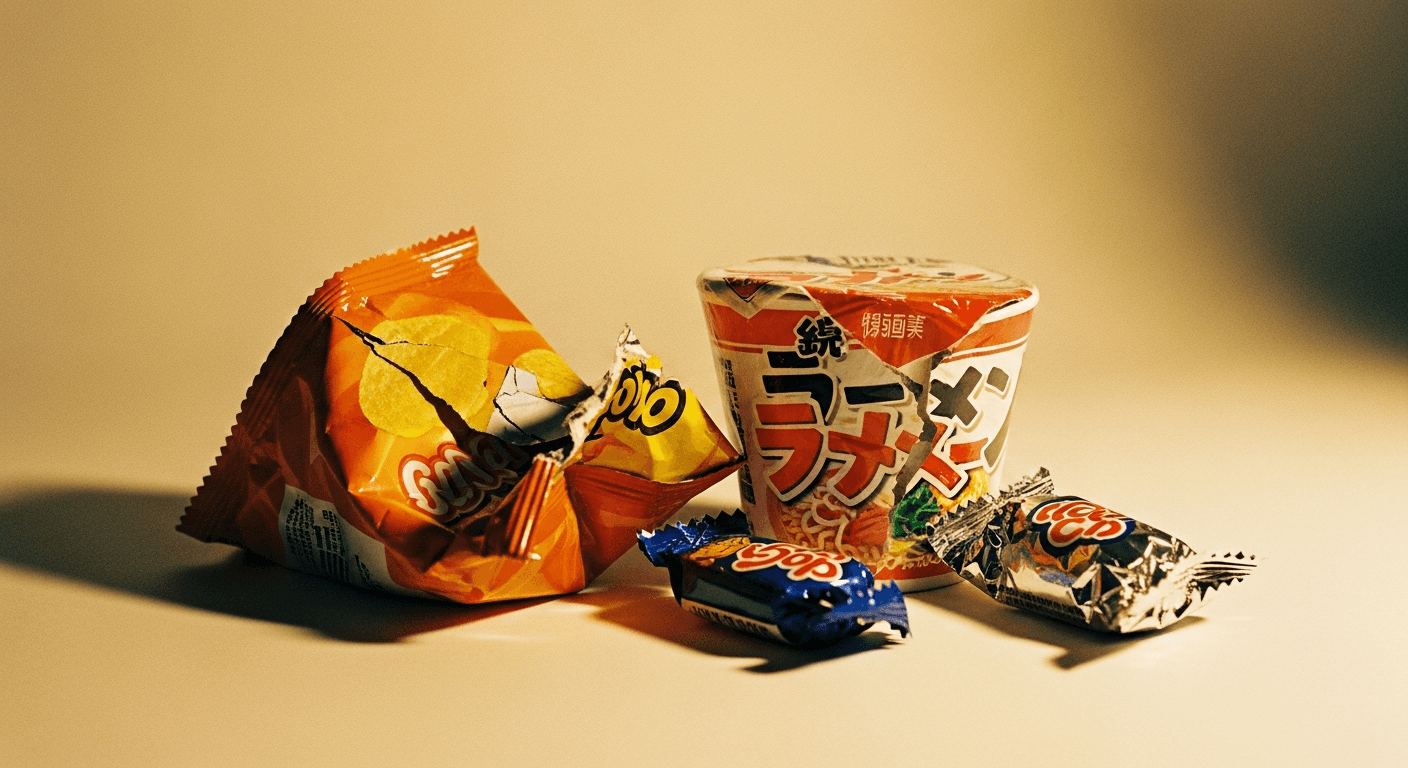
If you've been following the latest dietary guidelines, you've probably noticed one phrase showing up repeatedly: ultra-processed foods. Health authorities are increasingly specific about limiting them, yet most people aren't sure exactly what qualifies. A bag of chips, sure. But what about your morning granola bar or that low-fat yogurt you've been buying for years?
Key Takeaways
- Ultra-processed foods account for 30-50% of total calories consumed in industrialized countries
- The NOVA 4-group classification helps quickly identify a product's processing level
- Replacing ultra-processed foods with less processed alternatives doesn't require a bigger budget
The answer depends on a framework called the NOVA classification. Understanding it changes how you read a food label. and it doesn't require you to rebuild your entire diet from scratch.
What the NOVA Classification Actually Is
NOVA is a food categorization system developed by researchers in public health nutrition. Unlike systems that rank foods by nutrients alone, NOVA groups foods by the degree and purpose of their processing. It organizes everything into four groups.
- Group 1. Unprocessed or minimally processed foods. Fresh fruit, vegetables, plain meat, eggs, plain milk, legumes, nuts. These are foods in their natural state or foods that have been dried, frozen, pasteurized, or fermented without added substances.
- Group 2. Processed culinary ingredients. Oils, butter, flour, sugar, salt. These are extracted from Group 1 foods and used in cooking. They're not meant to be eaten on their own.
- Group 3. Processed foods. Canned vegetables, cured meats, cheese, freshly baked bread, canned fish in oil. These are foods that combine Groups 1 and 2, typically to extend shelf life or enhance flavor.
- Group 4. Ultra-processed foods (UPFs). This is the category that gets the attention. and for good reason.
Ultra-processed foods are industrial formulations made mostly or entirely from substances derived from foods. They contain ingredients you wouldn't find in a home kitchen: emulsifiers, flavor enhancers, modified starches, hydrogenated oils, artificial colors, and preservatives designed to make food shelf-stable, hyper-palatable, and visually appealing.
ILLUSTRATION: comparison-table | NOVA classification: the 4 food groups with examples
Why Ultra-Processed Foods Are a Concern
The volume of research linking UPF consumption to health outcomes has grown sharply in the past decade. Studies consistently associate high UPF intake with increased risk of obesity, type 2 diabetes, cardiovascular disease, and certain cancers. One large-scale analysis found that each 10% increase in UPF consumption was associated with a 12% higher risk of type 2 diabetes.
What makes UPFs particularly tricky is that the harm may not come solely from the nutrients they contain. many UPFs are fortified and technically meet nutrient targets. The concern extends to the additives themselves, the disruption of satiety signals, and the way these foods displace more nutritious options in your diet.
UPFs also tend to be engineered for overconsumption. The combination of fat, sugar, salt, and texture is calibrated to keep you eating past the point of fullness. That's not an accident. It's a product design strategy.
How to Spot Ultra-Processed Foods at the Store
ILLUSTRATION: tip-box | Less processed alternatives for common ultra-processed foods
You don't need to memorize a list. Here's a practical rule: if the ingredient list includes substances you don't recognize as basic food ingredients, you're likely looking at a Group 4 product.
Watch for these markers on the label:
- Long ingredient lists with more than five to seven items, particularly when they include chemical-sounding additives.
- Emulsifiers and stabilizers like carrageenan, lecithin, mono- and diglycerides, or xanthan gum added in significant quantities.
- Flavor systems listed as "natural flavors," "artificial flavors," or specific named flavor compounds.
- Added sugars under multiple names. High-fructose corn syrup, dextrose, maltose, fruit juice concentrate, and invert sugar are all sugar variants used to obscure total sugar content.
- Protein isolates and hydrolyzed proteins. Soy protein isolate or whey protein concentrate added to foods that aren't protein supplements are a classic UPF marker.
- Color additives. Any ingredient listed as a specific color followed by a number (Red 40, Yellow 5) is an industrial additive with no nutritional value.
Common foods that often qualify as ultra-processed: packaged bread, flavored yogurt, breakfast cereals, protein bars, flavored chips, instant noodles, plant-based meat alternatives, many sauces and dressings, soft drinks, and most packaged snack foods.
Cutting Back Without Starting Over
You don't need to throw out everything in your pantry. Reducing your UPF intake is about substitution and awareness, not perfection. Small, consistent changes compound over time.
Start with your highest-frequency items. Identify the two or three ultra-processed foods you eat most often and find one reasonable swap for each. If you eat packaged bread every day, try a bakery loaf with a short ingredient list. If you snack on flavored chips regularly, plain popcorn or a handful of nuts covers the same crunch with far fewer additives.
Use plain versions as your base. Plain full-fat yogurt instead of flavored yogurt. Plain oats instead of instant flavored oatmeal. Plain sparkling water instead of flavored sodas. Then add your own fruit, honey, or seasoning. You control what goes in, and the ingredient list stays clean.
Cook in batches when you can. One of the main reasons people rely on UPFs is convenience. If you have cooked grains, roasted vegetables, and a simple protein ready in the fridge, you're far less likely to reach for a processed shortcut at the end of a long day.
Read labels as a habit, not a chore. You'll get faster at it. Within a few weeks, you'll be able to scan an ingredient list in ten seconds and know what you're dealing with. That skill stays with you for life.
Don't aim for zero. Trying to eliminate UPFs entirely is stressful and unnecessary. Research suggests the meaningful threshold is reducing them from a dominant share of your diet. In many Western countries, UPFs account for more than 50% of daily caloric intake. Getting that proportion significantly lower, even to 30%, is associated with measurable health improvements.
A Note on Labeling and Marketing
Food packaging is designed to reassure you. "Natural," "organic," "high protein," and "no artificial colors" are marketing terms that don't automatically place a product outside the ultra-processed category. An organic flavored granola bar with 14 ingredients, including several forms of added sugar and three emulsifiers, is still a UPF.
The NOVA system doesn't care about health claims. It looks at what's in the product and why it's there. That's why it's a more reliable lens than front-of-package marketing when you're trying to make an informed choice.
You're not expected to be a food scientist. But knowing what to look for gives you a meaningful advantage. The more often you choose foods that look like food, the better your diet will reflect that over time.
Frequently Asked Questions
How can I tell if a product is ultra-processed?
Check the ingredients: emulsifiers, artificial flavors, high-fructose corn syrup, maltodextrin signal an ultra-processed product per the NOVA classification.
Should I eliminate ultra-processed foods entirely?
Not necessarily. Aim for 80% minimally processed foods and leave flexibility for the rest. The goal is reduction, not complete elimination.
Is protein powder ultra-processed?
Technically yes, but its nutritional profile remains valuable. Choose formulas with short ingredient lists and use them to complement a whole-food diet.