
The fitness equipment sector just got a clearer signal of where it's heading. On July 7, 2026, Interactive Strength Inc. (TRNR) signed a definitive agreement to acquire STEPR, the interactive stair climber brand, pushing its 2026 pro forma revenue guidance above $50M. If you're a brand operator, distributor, or commercial gym buyer, this deal tells you something important about the structure of the market you're competing in.
This isn't an isolated transaction. It's a data point in a consolidation wave that's reshaping who controls commercial fitness hardware, and more critically, who captures the recurring revenue that flows from it.
What the TRNR-STEPR Deal Actually Signals
TRNR's acquisition playbook is becoming readable. The company has built its strategy around acquiring differentiated hardware brands, integrating them into a unified commercial platform, and layering subscription or software revenue on top of the physical product sale. STEPR fits that pattern precisely.
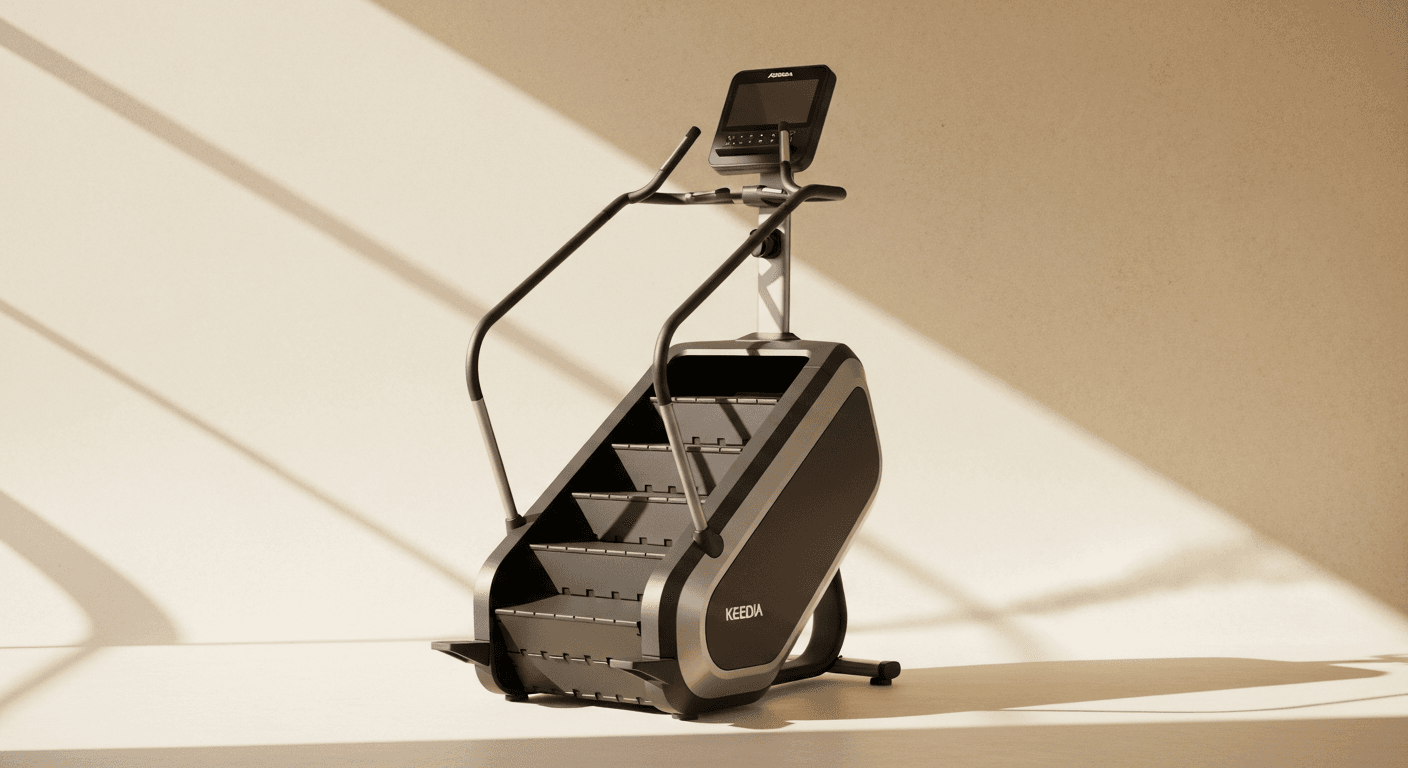
STEPR produces interactive stair climbers, a category that has moved from niche to mainstream faster than most equipment manufacturers anticipated. The brand brings a dedicated product line, an existing customer base, and a foothold in a segment with genuine demand momentum. For TRNR, it's not just a revenue add. It's a category expansion that fills a gap in the commercial gym floor offering.
The $50M pro forma revenue threshold is meaningful not just as a number, but as a signal to institutional investors. At that scale, a multi-brand platform starts to look like a viable acquisition target itself, or a credible anchor for further capital raising. TRNR is building toward that positioning deliberately.
Why Stair Climbers, Why Now
STEPR's category choice isn't incidental. Stair climbers have seen rising commercial demand driven by two converging forces: the explosive growth of HYROX-style functional fitness events, and gym operators' increasing pressure to diversify their equipment floors beyond treadmills and resistance machines.
HYROX, which now runs events across more than 60 countries, has pushed gym members toward functional, multi-modal training. Stair climbers fit that training profile. They're cardio-intensive, mechanically simple enough to require minimal maintenance, and visually compelling on a gym floor. For operators trying to attract the performance-oriented member segment, they've become a credible investment.
If you want the full picture of how HYROX has structurally altered gym programming decisions, The HYROX Effect on Gyms: A Structural Trend, Not a Passing Phase documents the shift in depth. The short version: gyms that ignored functional fitness two years ago are now retrofitting floor space to accommodate it.
That demand shift creates a real opening for brands like STEPR. And it makes TRNR's timing look less opportunistic and more strategically sound.
The Broader M&A Wave: This Is a Pattern, Not an Exception
The TRNR-STEPR deal is one instance of a broader restructuring in the fitness equipment market. Industry data from July 2026 points to a market increasingly split between two poles: high-volume, low-price products competing on scale and distribution, and premium, high-touch equipment brands competing on connectivity, content, and service. The middle ground is compressing.
That polarization creates the conditions for M&A activity. Brands in the middle either get absorbed by a larger platform or get priced out of the commercial channel entirely. Buyers are consolidating to achieve scale. Sellers are finding that standalone positioning is increasingly difficult to sustain when distributors and gym chains are rationalizing their vendor lists.
You're seeing similar consolidation logic play out in adjacent categories. The supplement space, for instance, is undergoing its own version of this, with large consumer health players acquiring premium brands rather than building them from scratch. Unilever Eyes Thorne in a $4B Supplement Play illustrates how that dynamic is unfolding at the top end of the market. The underlying logic is identical: acquire differentiated positioning, bundle it into a larger platform, and extract margin at scale.
Fitness equipment is following that same trajectory. TRNR is currently one of the clearest examples of a company executing that strategy intentionally.
Capital Is Concentrating. That's a Problem If You're Small.
Here's the structural context that makes this acquisition pattern make sense. Wearable and equipment funding in 2026 has been dramatic in its concentration. Through May 2026, $1.01 billion was raised across just nine deals in the wearable and connected fitness space. That's not a broad distribution of capital. That's a small number of bets placed on a small number of companies.
The implications for smaller brands are direct. Institutional capital is not flowing toward early-stage or mid-market fitness hardware companies in meaningful volume. It's flowing toward companies that can demonstrate scale, recurring revenue potential, and a defensible platform position. If you can't show those things, your options narrow: raise at a discount, find a strategic acquirer, or stay small and private.
For a deeper breakdown of where fitness investment is actually going in 2026, Wearable Funding: $1B Raised, 80% in Just 3 Deals maps the concentration clearly. The numbers make the strategy case for consolidation better than any analyst report could.
STEPR, as an acqui-hire-ready brand in a growing category, was exactly the kind of target that fits the current capital environment. TRNR, as a buyer with an established integration model, was exactly the kind of acquirer that institutional investors want to back.
The Consolidation Playbook: What Brand Operators Need to Understand
If you're running a fitness equipment brand or distributing commercial hardware, the TRNR-STEPR deal is worth studying as a model, not just as a news item. Here's what the playbook looks like when it's working:
- Acquire differentiated hardware. The target brand needs to occupy a specific, defensible category position. Generic equipment doesn't attract a platform premium. Specialized, high-visibility products do.
- Integrate into a unified commercial platform. The acquired brand's sales channels, service infrastructure, and customer relationships get absorbed into the acquirer's commercial system. This reduces duplication and increases margin per transaction.
- Layer recurring revenue. Hardware margins are finite. The strategic value comes from software subscriptions, content licensing, remote coaching integrations, or service contracts that generate recurring revenue on top of the equipment sale.
- Signal scale to institutional capital. Each acquisition raises the pro forma revenue number, which in turn supports the next capital raise or sets up the company for its own acquisition at a higher multiple.
This is the model TRNR is executing. It's also the model that any mid-market equipment brand needs to either join or compete against. The window for going it alone as a standalone hardware brand is narrowing.
What Gym Operators Should Take From This
For gym operators and commercial buyers, consolidation among equipment brands has practical implications for your procurement decisions. When a company like TRNR acquires multiple brands, your vendor relationships may shift. Pricing structures, warranty terms, service contracts, and software integrations could change under unified platform management.
That's not necessarily bad. Consolidated platforms often bring more consistent service infrastructure and clearer upgrade paths. But it does mean you need to understand who actually owns the brands you're buying from, and what their long-term product roadmap looks like under new ownership.
The gym-level dynamics are already complex. Operators are managing floor space decisions, member retention pressures, and equipment refresh cycles simultaneously. As The Global Fitness Market Hits $142 Billion in 2026 documents, the total addressable market is large and growing. But growth at the market level doesn't automatically translate to margin at the operator level. Equipment costs, financing terms, and vendor concentration all shape the economics of running a profitable facility.
Understanding who controls the brands on your floor, and where they're headed, is no longer optional background research. It's part of the procurement process.
The Fitness Equipment Market Has Entered a Platform Era
The TRNR-STEPR acquisition is not an outlier. It's a preview. The fitness equipment market is moving into a multi-brand platform era where scale through M&A is replacing organic product development as the primary growth strategy for companies that want to compete at the commercial level.
For brands, that means your most likely exit path isn't an IPO or a slow-build direct-to-consumer business. It's acquisition by a platform company that values your category position, your customer base, and your integration potential. Positioning for that outcome requires clarity about what makes your brand acquirable, not just what makes it sellable to end users.
For distributors, it means the vendor landscape is going to look different in 24 months than it does today. Some brands you currently carry will have been absorbed. New bundled offerings will emerge. Procurement decisions made now will have longer-term implications than they did in a more fragmented market.
And for anyone tracking capital flows in fitness, the TRNR model answers a question that's been in the air since connected fitness peaked and corrected: what does sustainable scale in this industry actually look like? Apparently, it looks like a multi-brand hardware platform with recurring software revenue, built through disciplined M&A. The $50M threshold is just the beginning of that story.