
Wellness & Recovery Guides
Sleep optimization, stress management, and mobility guides for active people. Science-backed wellness strategies to help you recover and perform better.
Latest articles (340)
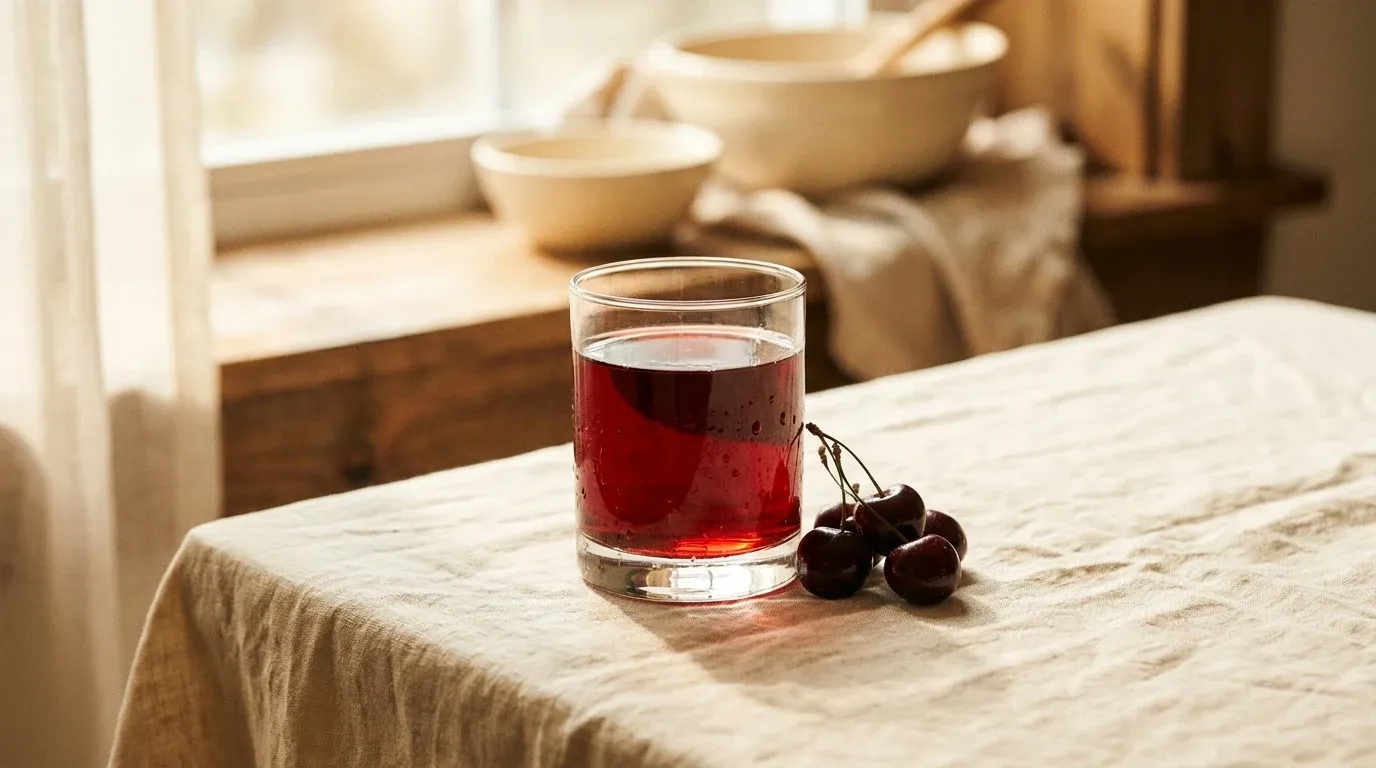
Tart Cherry Juice: The Recovery Hack That Actually Holds Up
Tart cherry juice has rare multi-study backing for reducing muscle soreness. Here's the exact protocol and the science behind why it works.

Therapy Dogs Measurably Cut Stress in Teens, Study Finds
A Sacred Heart University study finds brief therapy dog sessions produce measurable stress reduction in teens, making the case for scalable, low-cost school wellness programs.
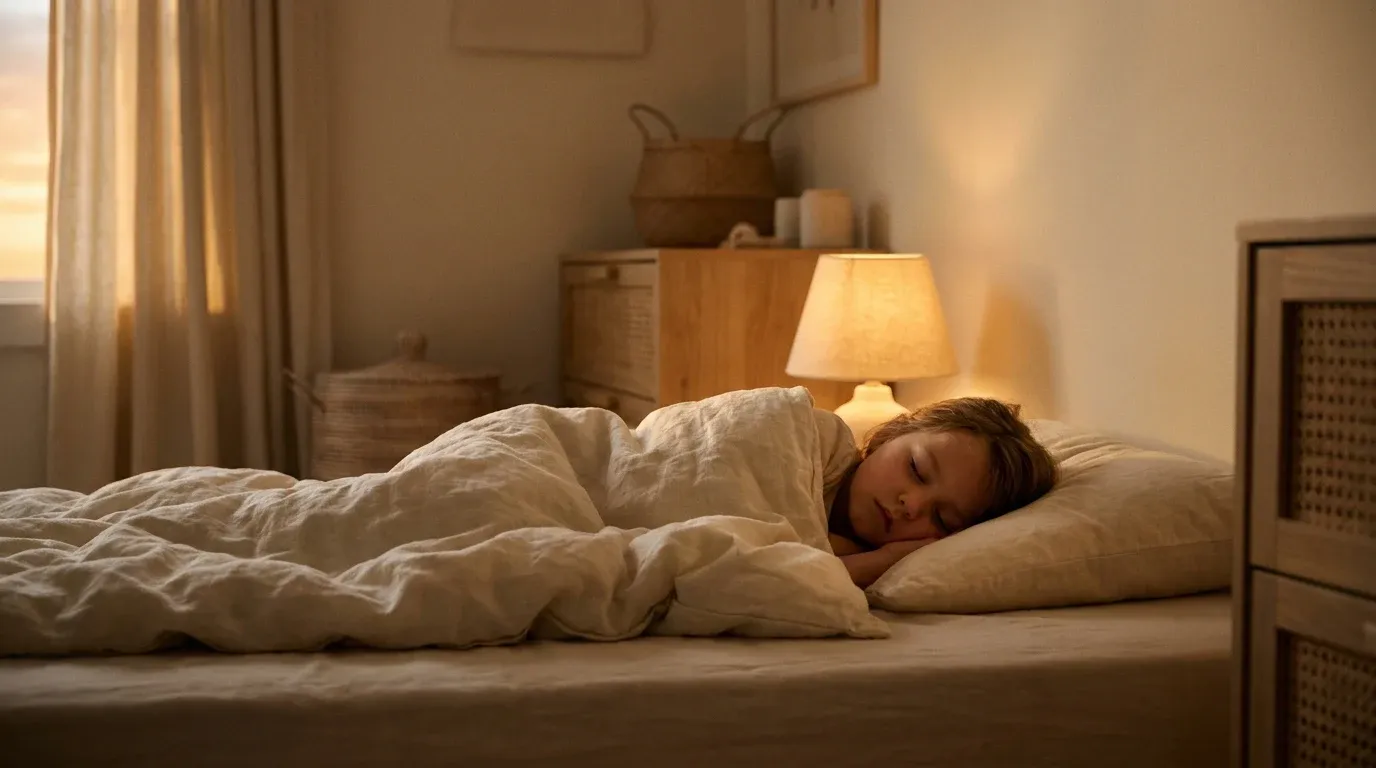
Kids' Sleep Environment: The Hidden Factor Shaping Their Health
Nearly half of U.S. children aren't sleeping enough. New research identifies light exposure and psychosocial stress as the top factors parents can actually change.

Treating Insomnia Isn't Just About Sleep Anymore
New research argues insomnia treatment must track daytime cognition, mood, and energy, not just sleep hours. Here's what that means for you.
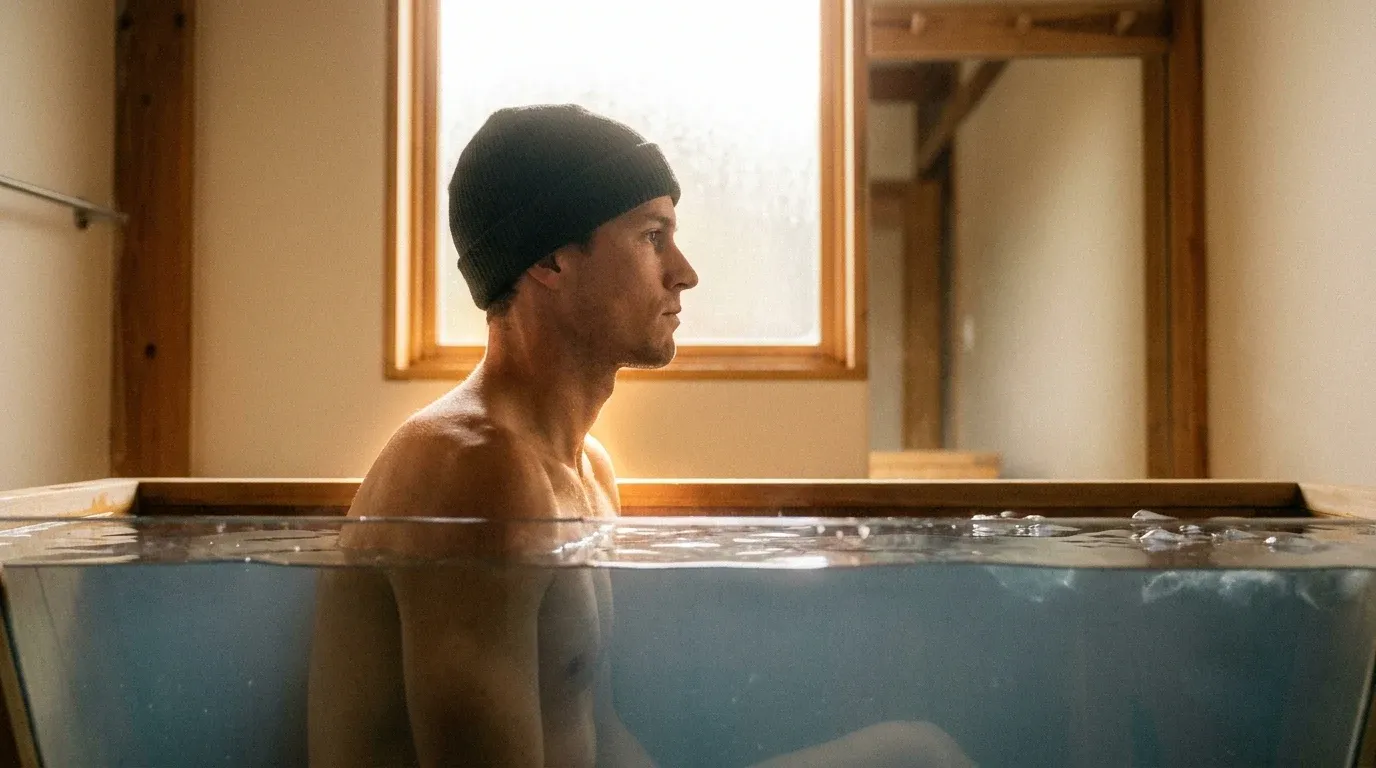
Cold Plunge After Training: Recovery Tool or Gains Killer?
Cold-water immersion reduces soreness but blunts muscle growth signals. Here's how to decide when it helps and when to skip it.
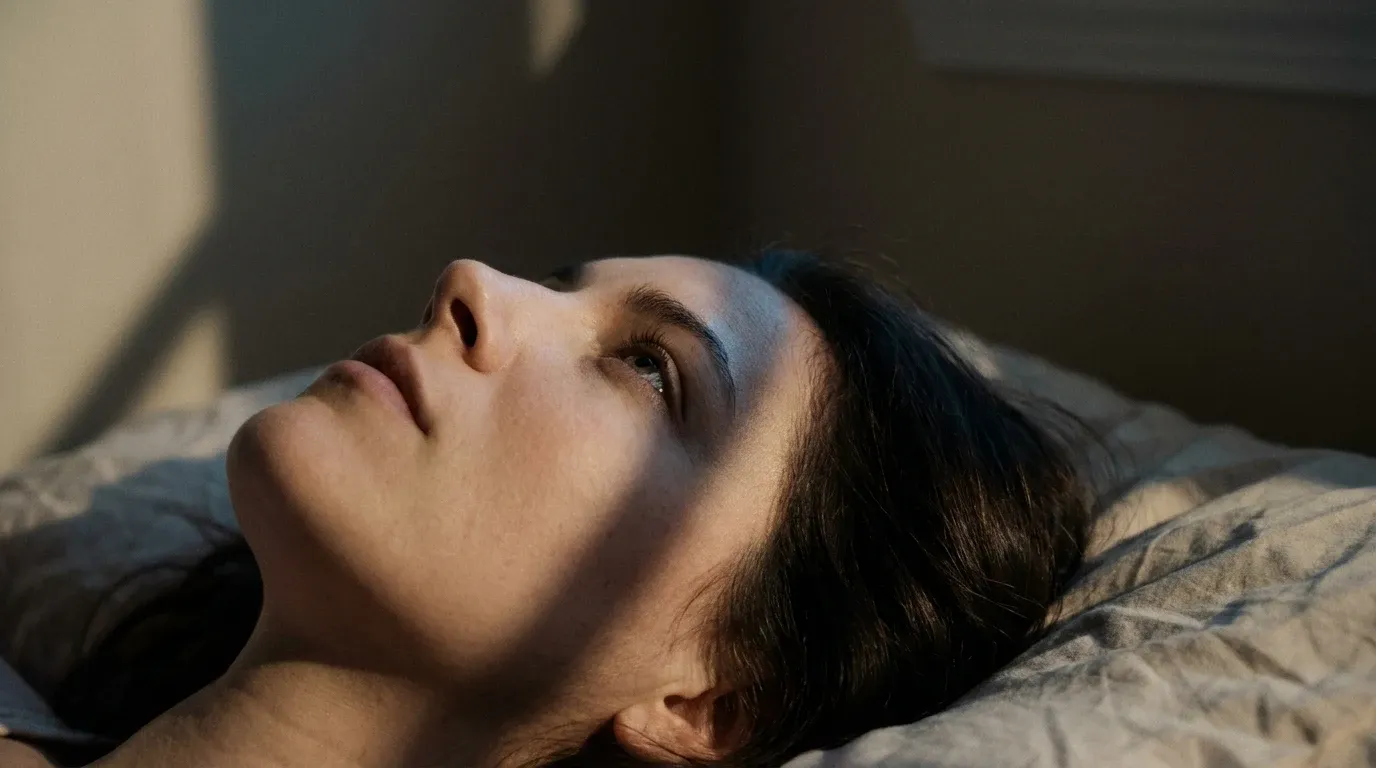
Sleep Disorders Are Literally Changing Your Brain
A 57-study meta-analysis reveals sleep disorders cause measurable structural brain changes in regions governing attention, memory, and decision-making.

Watching Nature Videos Can Actually Relieve Stress
A North Carolina State University study found that watching nature videos reduces stress more effectively than urban footage, making it a practical recovery tool for desk workers and city dwellers.

How Exercise Actually Reverses Muscle Aging
Scientists identified the DEAF1 gene as a key driver of muscle aging. Exercise suppresses it, restoring cellular repair. Here's what that means for you.
The Deep Sleep Circuit That Builds Muscle and Burns Fat
UC Berkeley mapped the brain circuit linking deep sleep to growth hormone release, revealing why sleep is your most powerful tool for building muscle, burning fat, and protecting your brain.
Workers Over 50 Are Facing a Sleep Crisis
Adults over 50 face compounding sleep disruption from hormones, pain, and stress. Here's what the evidence says actually works.
Weekend Sleep Catch-Up: What It Actually Does to Your Heart
A 7-year study of 40,000+ adults links weekend catch-up sleep to lower hypertension risk. Here's who benefits most and how to do it without wrecking your circadian rhythm.
College Sleep Has Gotten Dramatically Worse Since 2008
A Baylor University study of 1.6M college students finds adequate sleep on just two nights a week jumped from 39% to 60% since 2000.
Sleep Debt Recovery: What Actually Works
New data links weekend catch-up sleep to lower hypertension risk. Here's what the evidence actually supports for sleep debt recovery, and what doesn't work.
Weekend Catch-Up Sleep Is Good for Your Heart
A seven-year study of 40,000+ adults found weekend catch-up sleep cuts hypertension risk by 6%, with stronger benefits for inactive individuals.
New Sleep Apnea Pill Cuts Breathing Events by 44%
A new drug trial shows a 44% reduction in sleep apnea breathing events per hour, putting real pressure on the CPAP machine as the only viable treatment option.
24 Minutes of Music Measurably Cuts Anxiety
New research shows 24 minutes of intentional music listening measurably reduces anxiety symptoms. Here's the science, and how to use it daily.
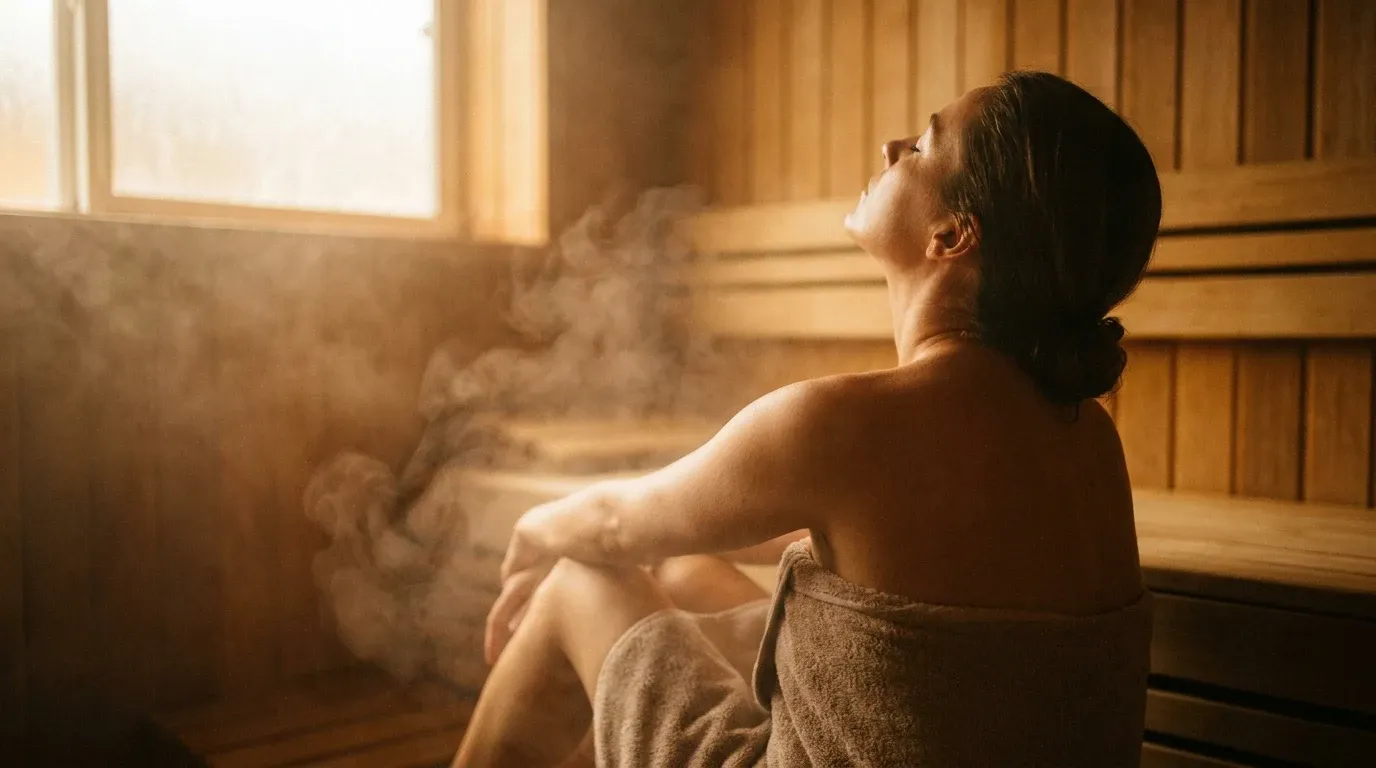
The Sauna Mood Effect: What's Really Happening in Your Brain
Sauna's mood benefits are backed by real brain chemistry. Here's what heat exposure does to your endorphins, stress response, and mental health over time.
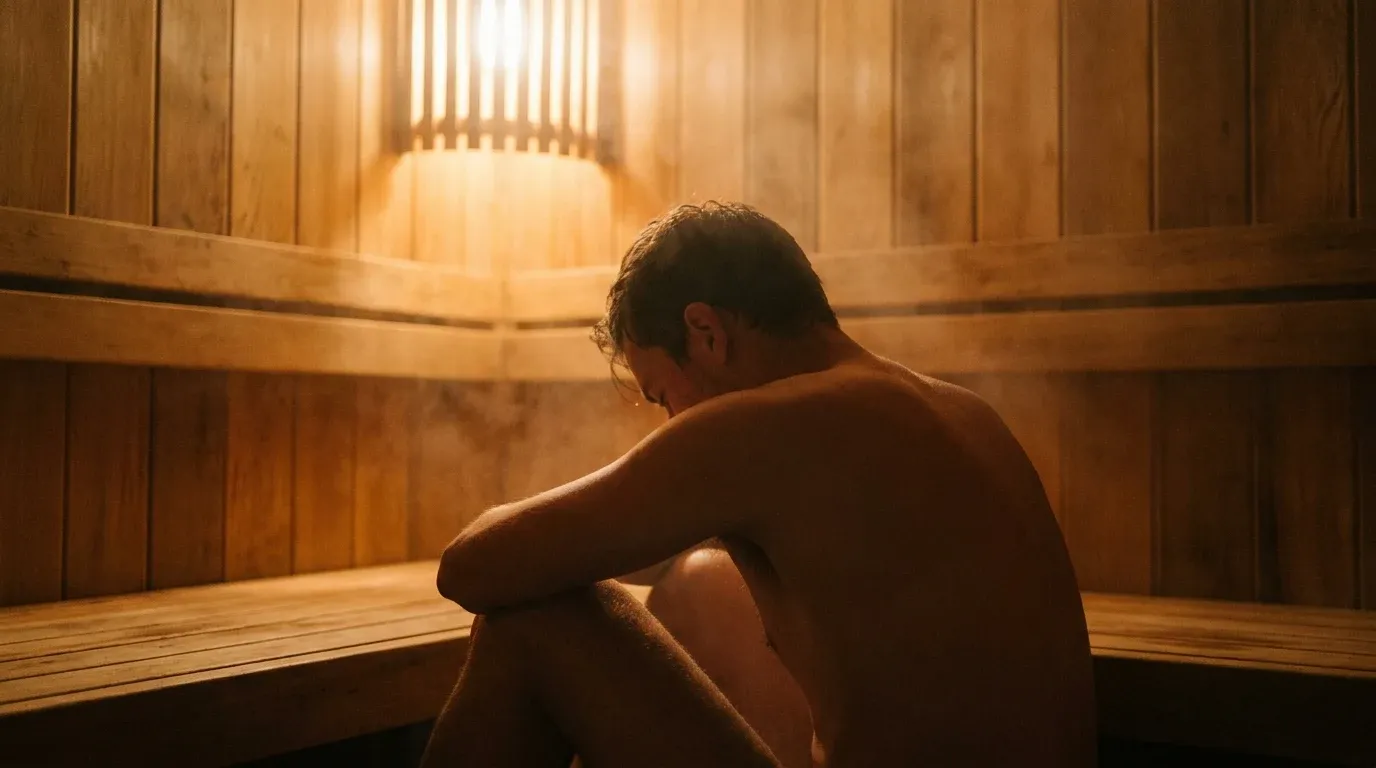
Gym Sauna: What the Science Actually Says
The gym sauna isn't just a perk. Science shows it accelerates muscle recovery, lifts mood, and outperforms cold immersion for post-training adaptation.
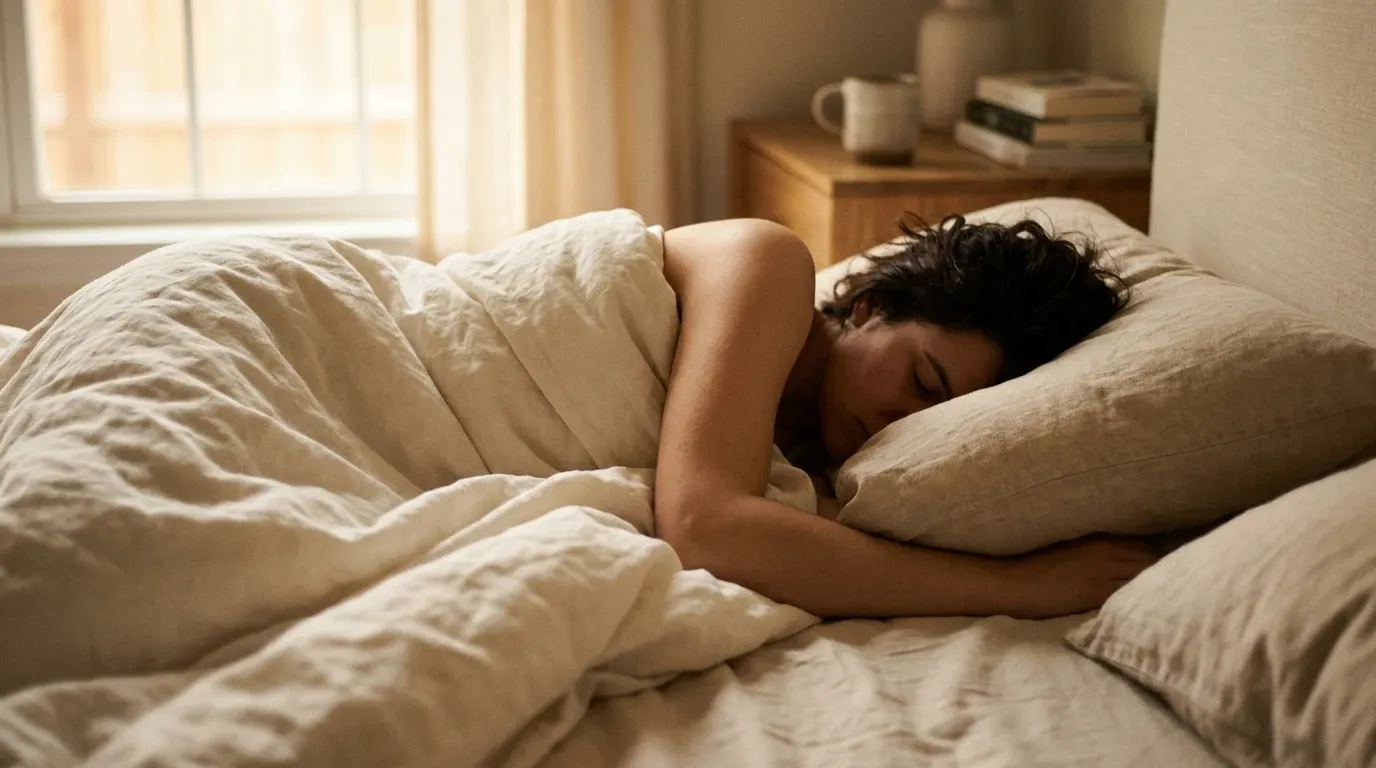
September Sleep Reset: Fix Your Routine in 7 Days
Summer shifts your sleep clock by up to 90 minutes. This 7-day evidence-based plan uses gradual 15-minute bedtime shifts to reset your circadian rhythm before autumn.
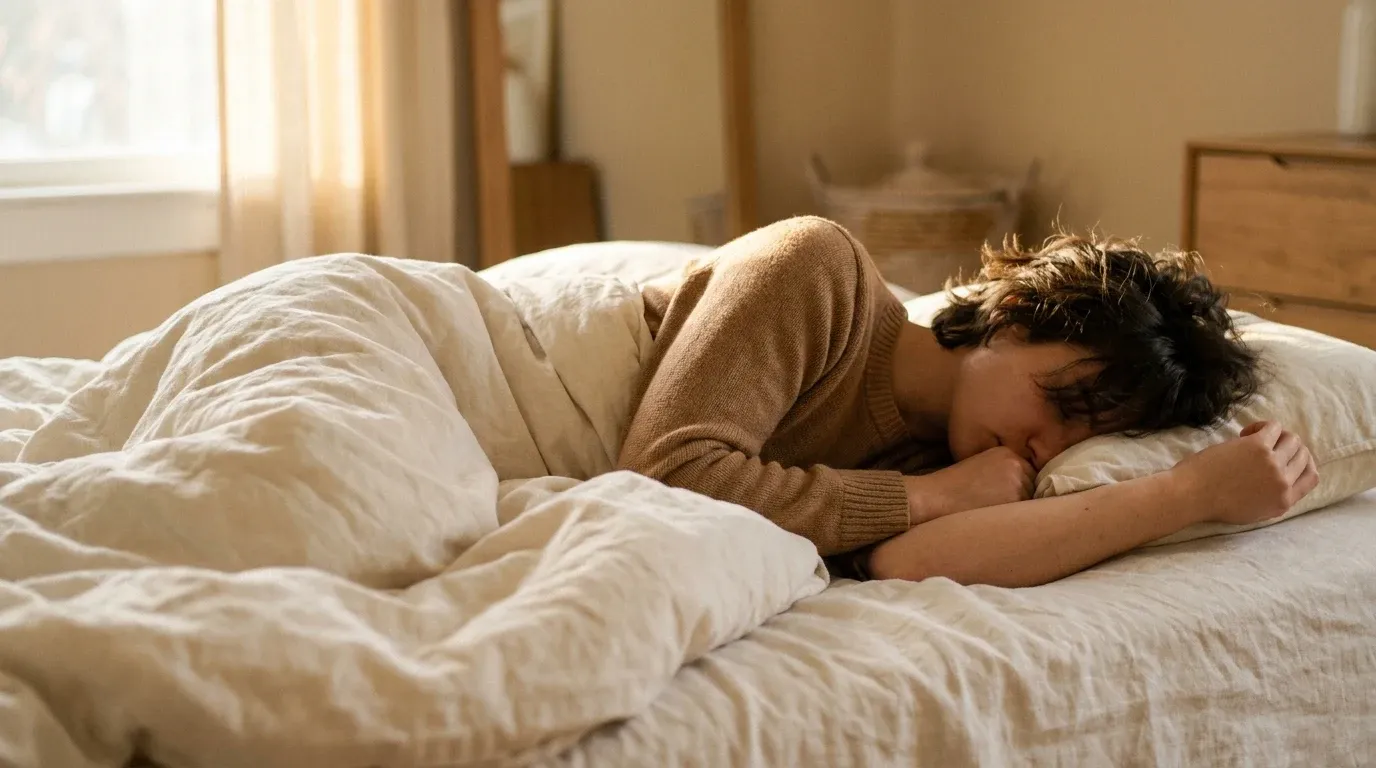
The Sleep Sweet Spot That Slows Biological Aging
A study using 23 biological aging clocks found 6.4–7.8 hours of sleep is the optimal range. Both too little and too much accelerate organ aging.
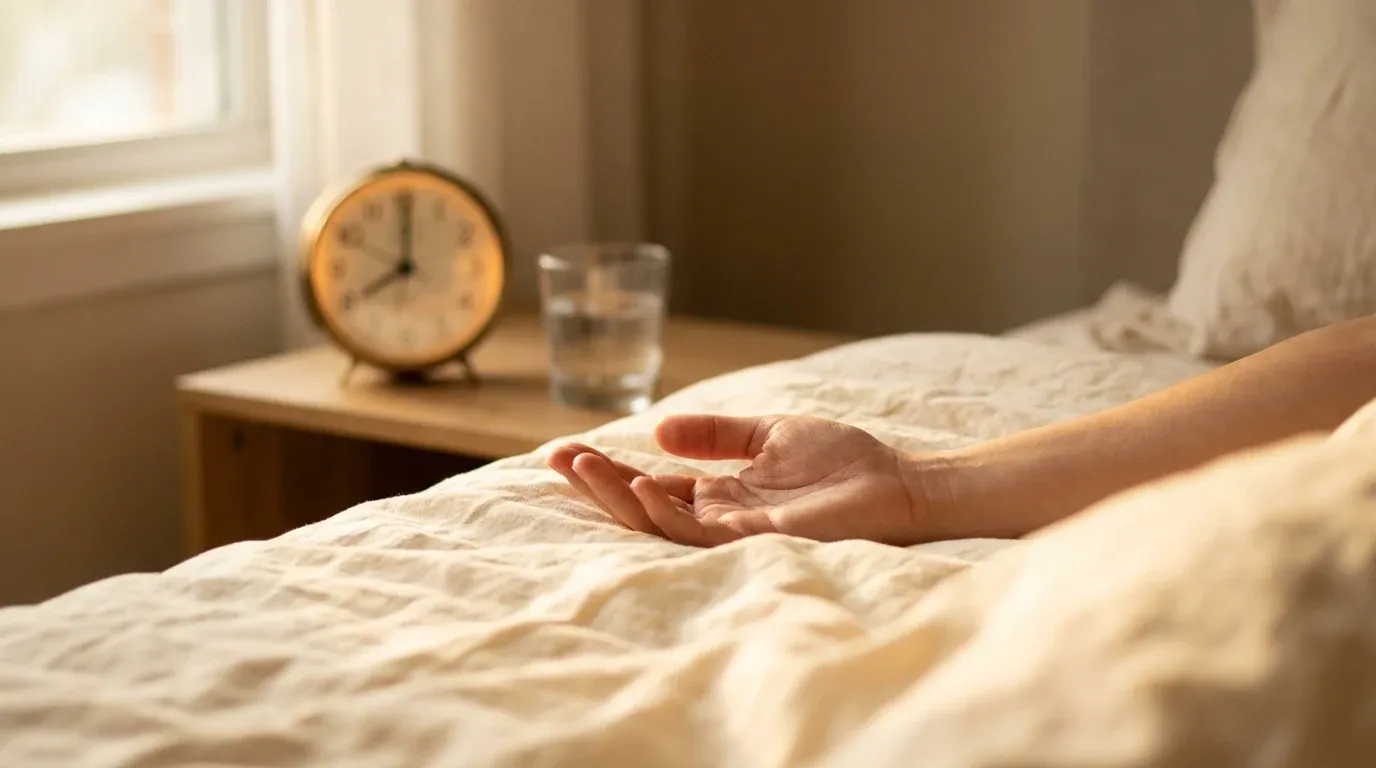
Sleep Consistency Matters More Than Sleep Duration
New research shows sleep timing consistency may matter more than total hours. Here's what that means for your nightly routine and long-term health.
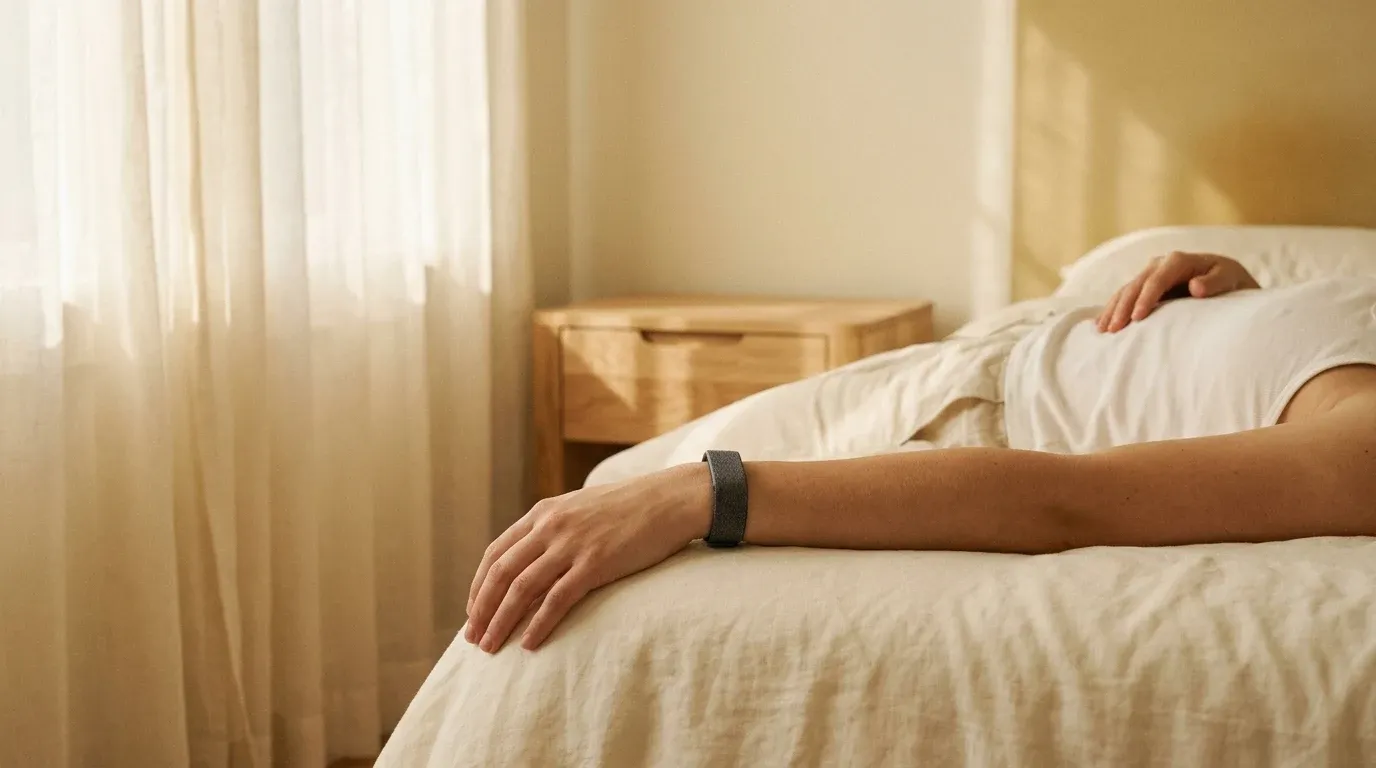
One-Size-Fits-All Sleep Advice Is Wrong for Active Adults
New research shows active adults need individualized sleep targets based on training load and quality metrics, not a fixed 8-hour rule.
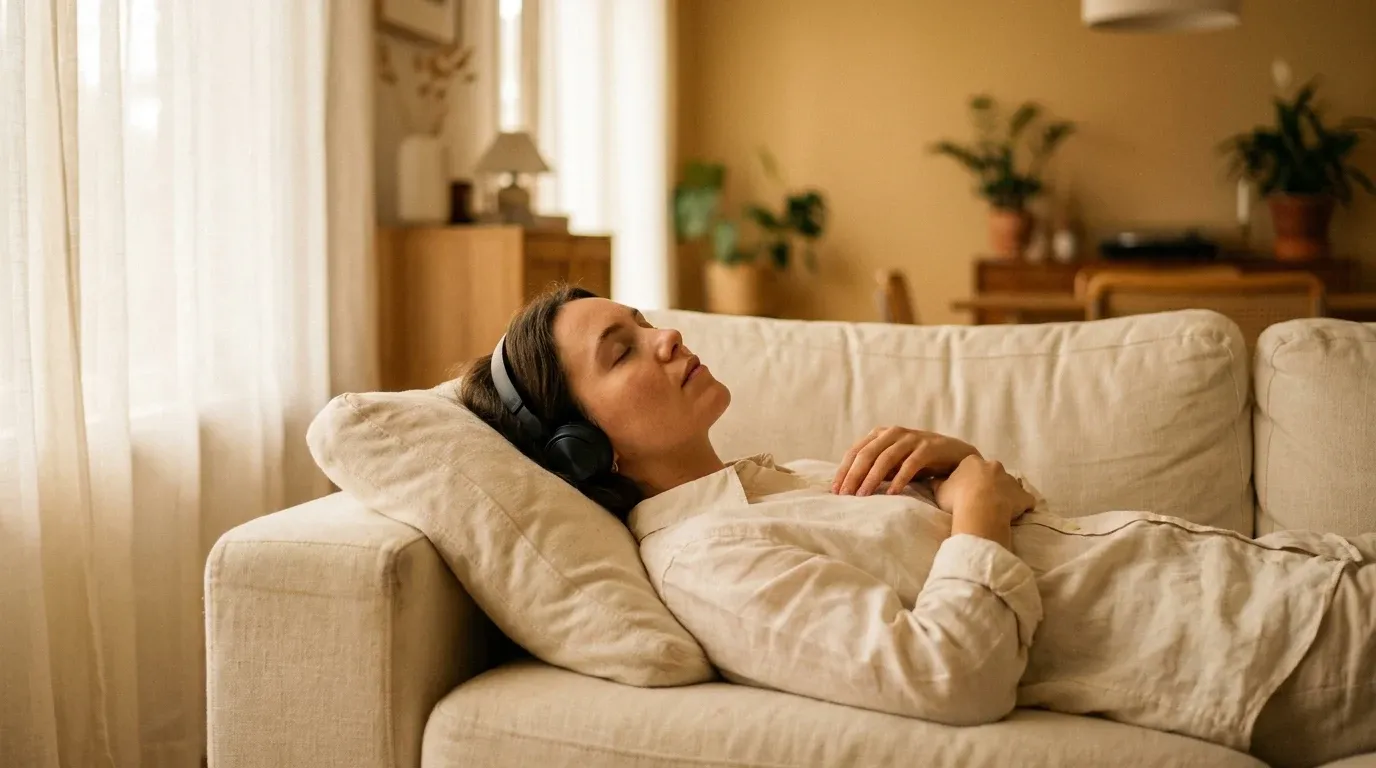
Music Therapy for Stress Relief: What the Science Actually Says
Music therapy has a growing evidence base showing real cortisol and heart rate reductions. Here's what the science says and how to actually use it.
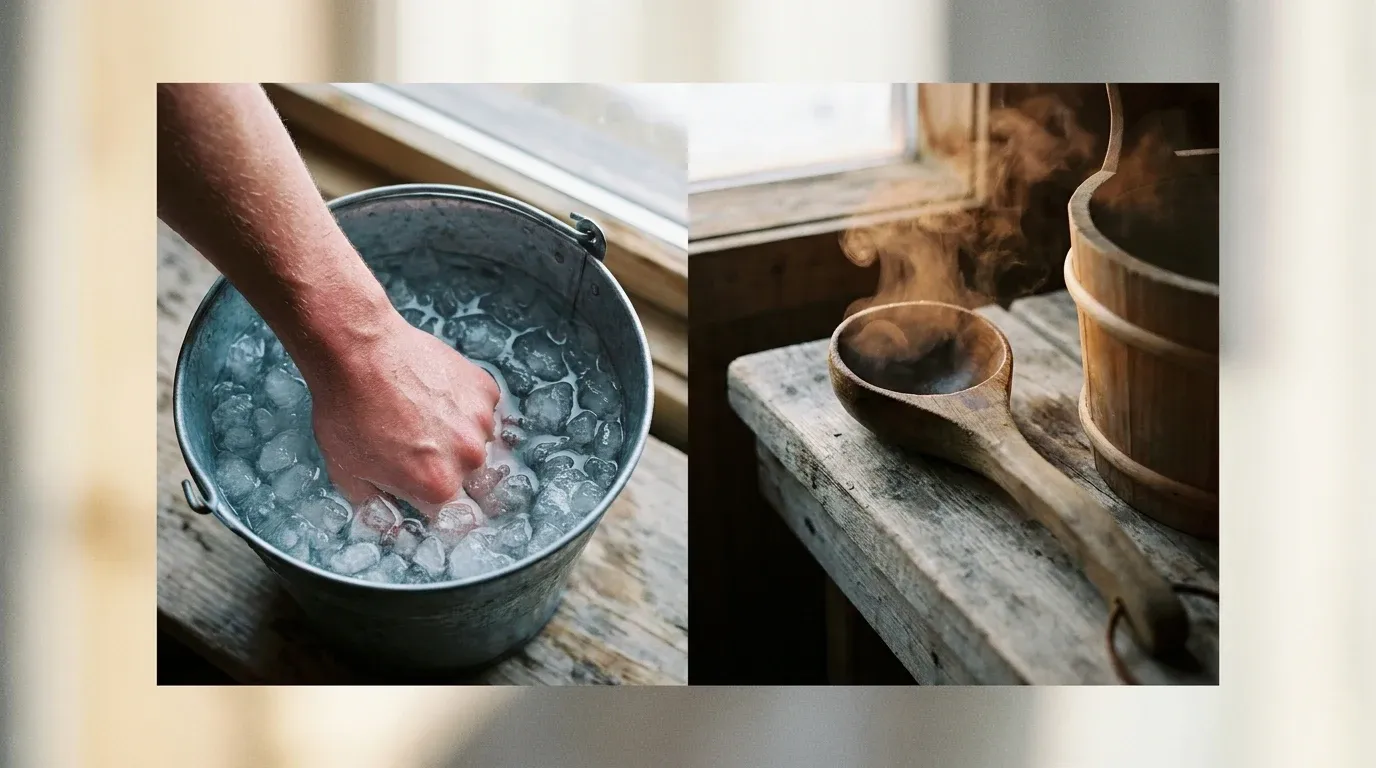
Cold vs Heat Therapy: Which Recovery Tool Do You Actually Need?
Cold and heat therapy serve distinct recovery goals. New meta-analyses show cold reduces soreness while heat restores strength. Here's how to choose correctly.