
You stretch, you foam roll, maybe you book a cold plunge or keep moving with a light jog the next day. The intention is solid. But according to a major new analysis, when you do those things matters far more than most people realize. And the uncomfortable truth is that a lot of gym-goers are applying recovery strategies too late to get much out of them.
A systematic review and network meta-analysis published on May 12, 2026 examined the time-dependent effectiveness of popular post-exercise recovery strategies. The findings are clear: most interventions work best in the first 24 hours after training. After that window closes, the performance and physiological benefits drop off significantly.
What the Research Actually Found
The 2026 network meta-analysis pooled data across dozens of controlled trials, comparing recovery modalities. Researchers assessed outcomes including muscle soreness, strength recovery, explosive performance, and biological markers of muscle damage such as creatine kinase and interleukin-6 levels.
The headline finding: recovery strategies don't deliver uniform benefits across time. They operate on a curve, and most of that curve peaks between 0 and 24 hours post-exercise. Cold-water immersion and active recovery consistently ranked among the most effective interventions during this acute phase. Beyond 24 to 48 hours, their advantage over doing nothing became negligible.
That's a significant shift from how recovery is typically discussed. Most mainstream advice treats recovery as something you can slot in whenever it's convenient. The science says otherwise.
Cold-Water Immersion: Powerful but Perishable
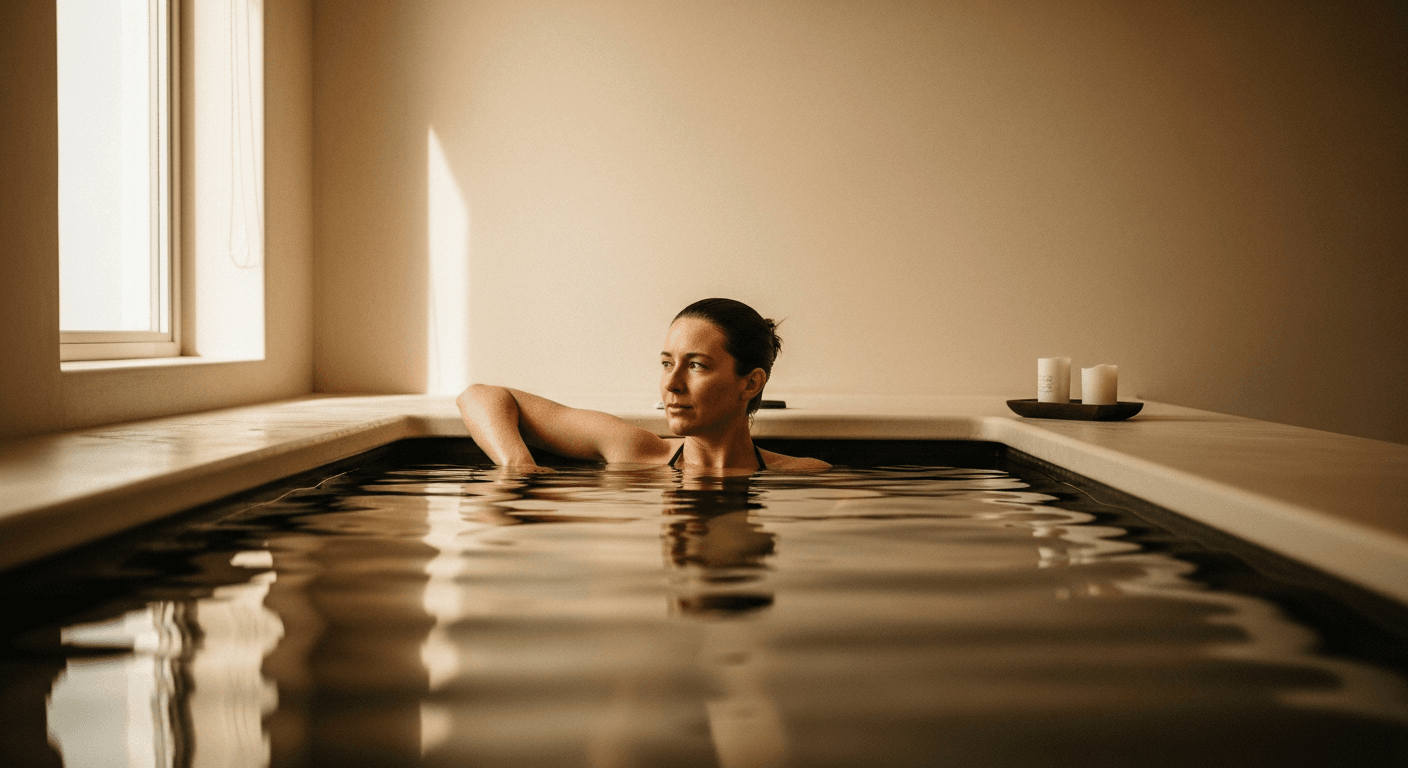
Cold-water immersion (CWI) has become one of the most debated tools in athletic recovery. The 2026 meta-analysis adds important nuance to that debate: it works, but only if you use it at the right time.
During the 0 to 24 hour window, CWI showed significant benefits for reducing perceived muscle soreness and blunting markers of exercise-induced muscle damage. It also supported maintenance of explosive performance metrics, meaning athletes who cold-plunged shortly after training performed better in subsequent power-based tests compared to those who used passive rest.
The mechanism is reasonably well understood. Cold immersion reduces localized inflammation, slows nerve conduction velocity to dampen pain signaling, and may limit secondary muscle damage by constricting blood vessels and reducing metabolic byproducts. These effects are most pronounced when inflammation is still actively building, which happens in the hours immediately after hard training.
By the 48 to 72 hour mark, that inflammatory window has largely closed. Using CWI at that point doesn't give you much to work against. The physiology has already moved on, and so has the potential for benefit. If you're booking your cold plunge two days after leg day, you're mostly just getting cold.
Active Recovery: The Same Timing Logic Applies
Active recovery, typically low-intensity movement like walking, cycling, or light swimming performed after training, follows the same time-dependent pattern. During the acute phase, it showed consistent benefits for muscle damage markers and soreness reduction across the trials analyzed.
The likely mechanism here involves enhanced blood flow, which helps clear metabolic waste products and delivers oxygen and nutrients to damaged muscle tissue. This process is most productive while the repair response is actively underway, not after it's largely completed.
Active recovery used 48 hours or more after training still has value as general movement, but the specific recovery benefits identified in the meta-analysis were concentrated in that first day. If you're treating a Tuesday evening walk as recovery for Monday's workout, it may not be doing what you think it's doing.
For low-impact options that let you stay active without adding significant muscle stress, Trampoline HIIT offers hard cardio without destroying your joints, making it a practical active recovery format that's genuinely gentle on the body.
Why Most People Get the Timing Wrong
The gap between what the research supports and what people actually do comes down to logistics and habit. Most people train in the morning before work or in the evening after a long day. Cold plunge facilities, if you use them, often require scheduling in advance. Recovery protocols get pushed to whenever there's time, not to when they'd be most effective.
There's also a cultural framing issue. Recovery is often treated as a reward or a luxury add-on rather than a performance variable with a precise optimal window. Wellness marketing doesn't help. It sells recovery tools on the basis of how they make you feel, not on when you should use them relative to your training session.
The 2026 analysis challenges that framing directly. It treats recovery as a time-sensitive intervention, not a vague wellness habit. That's a meaningful reframe for anyone trying to get the most out of their training.
It's worth noting that recovery isn't just physical. Stress load, sleep quality, and autonomic nervous system state all shape how well your body adapts after training. Training your nervous system like a muscle can meaningfully shift your overall recovery capacity, especially for athletes dealing with high training volumes or persistent fatigue.
What About Other Recovery Modalities?
The meta-analysis covered a broader range of interventions beyond CWI and active recovery. Compression garments and contrast water therapy (alternating hot and cold) also showed acute-phase benefits, though the effect sizes were generally smaller and more variable across studies.
Passive rest, stretching, and massage showed the least differentiation across timepoints. They weren't consistently harmful or helpful in either phase, but they didn't demonstrate the same time-sensitive advantage that CWI and active recovery did for performance and muscle damage markers.
Emerging technologies like photobiomodulation and electrical stimulation devices showed some promising signals in acute recovery, though the evidence base remains thinner. If you want a current overview of where the evidence stands on newer recovery tools, the landscape of recovery tech in 2026 has shifted considerably from just a few years ago.
Hyperbaric oxygen therapy and PEMF devices continue to attract significant interest and investment. The evidence for both remains mixed. PEMF therapy's science is more nuanced than its marketing suggests, and the 2026 meta-analysis didn't include it as a primary modality, partly due to inconsistent protocols across existing trials.
Practical Implications for Your Training Week
Here's what the research translates to in practice. If you train intensely, specifically workouts involving heavy resistance, plyometrics, sprinting, or any high-volume eccentric loading, the recovery interventions that will actually move the needle need to happen within the same day.
That means thinking about recovery before your workout, not as an afterthought. If you're training at 6am, a cold shower or cold plunge in the morning or early afternoon is far more useful than one the following evening. If active recovery is part of your plan, a 20 to 30 minute walk or easy spin within a few hours of your session captures most of the acute benefit.
- Schedule CWI for within 2 to 6 hours post-training when logistically possible. This is when the anti-inflammatory effect is most relevant.
- Use active recovery on the same day as your hardest sessions, not the day after as a substitute rest day activity.
- Don't skip sleep. The meta-analysis didn't evaluate sleep directly, but the broader recovery literature consistently identifies sleep as the single highest-impact recovery variable. No acute modality compensates for poor sleep.
- Prioritize the basics over gadgets. If you're choosing between a same-day cold shower and a delayed cryotherapy appointment, the timing advantage outweighs the technology difference. Recovery gadgets often lose to the basics when timing and consistency are accounted for.
- Nutrition still matters in the acute window. Protein intake in the hours after training supports muscle protein synthesis and may synergize with other acute recovery strategies. The timing logic applies here too.
The Broader Lesson
The 2026 network meta-analysis isn't telling you to abandon your recovery routine. It's telling you to be more precise about it. The tools you're using may be legitimate. The problem is that effectiveness isn't a fixed property of a recovery method. It's a function of method, intensity, and timing together.
Cold-water immersion two hours after a hard training session is a different intervention, physiologically speaking, than cold-water immersion 48 hours later. They share a name and a temperature, but they don't deliver the same result. The research is now specific enough to make that distinction clearly.
If you're serious about getting results from your training, your recovery strategy deserves the same structure and intentionality as your workout programming. That starts with putting the right tools in the right window, not just in the schedule gap that happens to be available.