
Breathwork is everywhere right now. Box breathing, 4-7-8, physiological sighs. The research is real, the techniques are accessible, and for millions of people they genuinely help. But breathwork has quietly become the default answer to every stress-management question, and that's a problem. Not everyone finds focused breathing calming. For some people, deliberately attending to their breath triggers anxiety rather than relieving it. Others simply don't stick with it.
The good news is that the science of stress relief has moved well beyond any single intervention. Recent research supports a wider menu of approaches, and the best one for you depends on your temperament, your schedule, and what you'll actually do consistently. Here's what the evidence actually shows.
Why Breathwork Isn't the Full Story
Controlled breathing works primarily by activating the parasympathetic nervous system, slowing heart rate, and reducing cortisol output. It's fast, free, and requires no equipment. Those are real advantages. But a meaningful subset of people, particularly those with anxiety disorders or trauma histories, experience something called relaxation-induced anxiety when they attempt focused breathwork. Studies estimate this affects up to 17% of people who try mindfulness-based techniques.
There's also a compliance problem. Short-term trials look promising, but long-term adherence to breathing practices outside of structured programs tends to be poor. If you've downloaded three meditation apps and abandoned all of them, you're in large company. That doesn't mean breathwork is wrong for you, but it does mean it's worth knowing what else works.
Physical Movement: The Most Underrated Stress Intervention
Exercise reduces stress through multiple overlapping mechanisms: it lowers circulating cortisol, increases BDNF (a protein that supports brain resilience), and regulates the amygdala's threat-response circuits. A 2023 meta-analysis covering more than 1,000 adults found that moderate-intensity aerobic exercise produced stress-reduction effects comparable to cognitive behavioral therapy over an eight-week period.
The threshold is lower than most people expect. You don't need a structured gym program to see results. Research consistently shows that even short bouts of movement, around 10 minutes, are enough to shift mood and reduce perceived stress acutely. 10 minutes of daily exercise also improves sleep quality, which itself is one of the most powerful buffers against chronic stress accumulation.
Walking deserves particular attention here. It combines light aerobic load with rhythmic bilateral movement, a pattern that research links to reduced rumination. If you're managing stress across different life stages, the approach needs calibrating. The principles behind how step count targets change across your lifespan are worth understanding before you set a daily goal.
Resistance training is also emerging as a strong option. A 2022 review found that progressive strength training reduced anxiety symptoms significantly, with effects that appeared within two to four weeks. The mechanism appears partly hormonal and partly psychological. Mastering a physical skill, even a small one, builds a sense of agency that transfers to how you handle non-physical stressors.
Social Connection: Underreported, Highly Effective
Social support is one of the most robust stress-buffers in the psychological literature, but it rarely makes it into the wellness content cycle because it's harder to package as a practice. You can't sell a five-step social connection protocol the way you can sell a breathing technique.
The biology is straightforward. Positive social interaction releases oxytocin, which directly suppresses cortisol. It also activates the ventral vagal complex, the same neural pathway that breathwork targets, just through a different route. A 2024 study found that people who had at least one meaningful in-person social interaction per day showed significantly lower allostatic load (a measure of cumulative stress on the body) compared to those who were socially isolated, even when controlling for income and baseline health.
What counts as meaningful? Research suggests it doesn't need to be deep or emotionally intense. A conversation with a friend, a shared meal, even consistent brief contact with familiar people produces measurable physiological effects. The key variable is regularity, not depth or duration.
If your life stage has recently shifted, whether that's postpartum, retirement, or a major life transition, social contact is especially worth prioritizing deliberately. The social structures many people relied on often disappear during transitions, and stress levels tend to spike accordingly.
Cognitive Techniques: Structured Thinking as a Stress Tool
Cognitive approaches to stress management have strong evidence behind them, and they work differently from both movement and breathwork. Rather than changing your physiological state first, they work by changing how you interpret and relate to stressors.
Cognitive reappraisal is one of the best-studied techniques. It involves actively reconsidering the meaning of a stressful event, not denying that it's stressful, but examining whether your initial interpretation is accurate or helpful. Brain imaging studies show that regular reappraisal practice reduces amygdala reactivity over time, essentially training your threat-detection system to be less trigger-happy.
Worry scheduling is another technique with solid clinical backing. Rather than trying to suppress anxious thoughts (which tends to intensify them), you designate a specific 15 to 20-minute window each day to engage with your worries deliberately, then redirect when they arise outside that window. Studies show this reduces the total cognitive load of worry across the day.
Expressive writing, developed from decades of research, involves writing continuously for 15 to 20 minutes about a stressful experience, including both the facts and your emotional response. Multiple trials have found reductions in perceived stress and even improvements in immune markers following consistent expressive writing practice. It works best when done three to four times per week, not daily.
Emerging Interventions Worth Watching
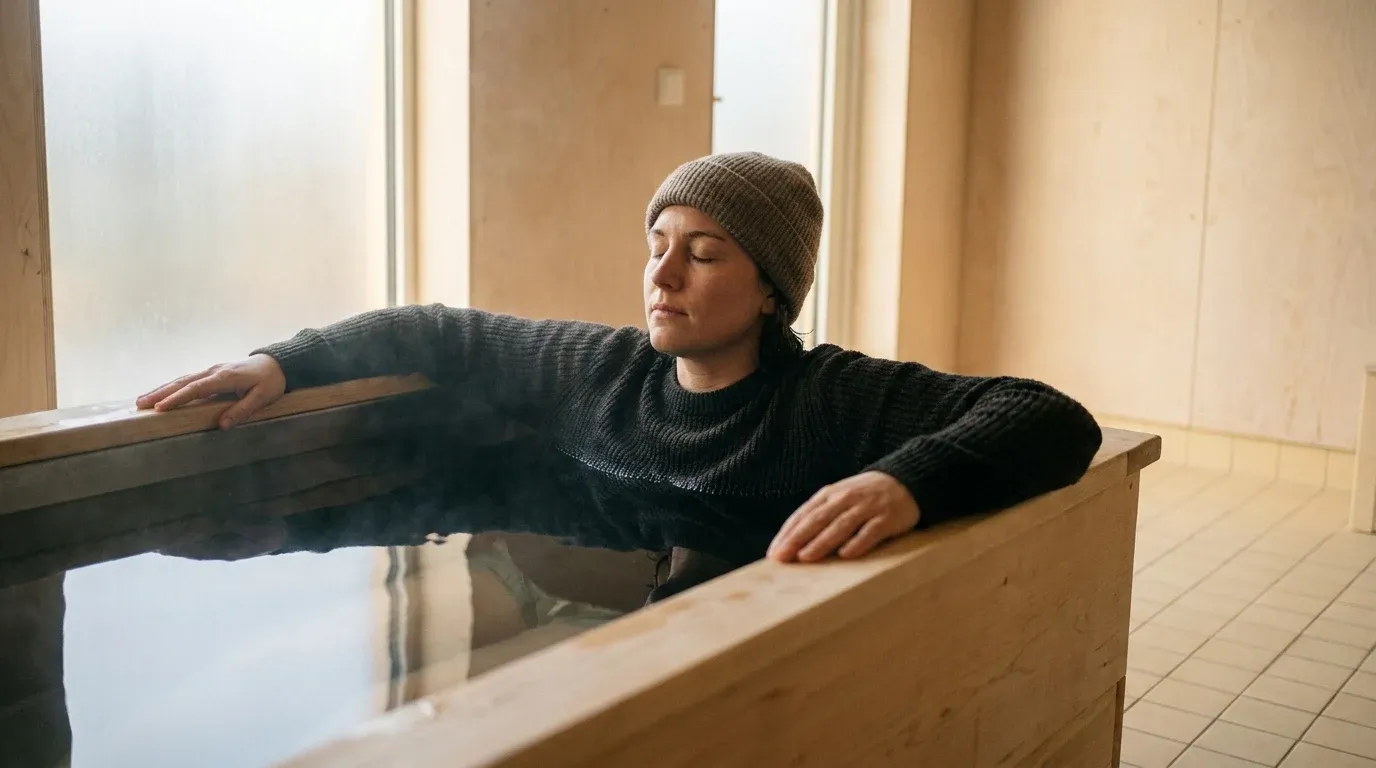
Cold water exposure has attracted serious research attention over the past three years. Regular cold showers or brief cold water immersion appear to reduce inflammatory markers associated with chronic stress and improve mood through norepinephrine release. The research is still maturing, but the signal is consistent enough to be worth noting. The barrier to entry is low: a 30-second cold rinse at the end of your shower is enough to begin adapting.
Nature exposure is further along evidentially. Studies from Japan, the UK, and the US consistently find that spending time in green or blue spaces, parks, forests, coastlines, reduces cortisol and self-reported stress. The dose that appears effective is surprisingly modest: 20 to 30 minutes in a natural environment two to three times per week. You don't need wilderness access. Urban parks produce measurable effects.
Sleep itself is both a consequence and a cause of stress, and optimizing it is one of the highest-leverage interventions available. Sleep deprivation raises cortisol, impairs emotional regulation, and makes every other stress-management technique less effective. If you suspect disordered sleep is undermining your baseline, personalized approaches to sleep apnea treatment have advanced considerably and are worth exploring with a clinician.
Your Tiered Toolkit: Ranked by Time and Accessibility
Here's a practical way to think about layering these interventions based on what you can realistically commit to right now.
- Under 5 minutes, anytime: Cold rinse at the end of your shower. A brief reappraisal exercise after a stressful event. Three minutes of brisk walking outdoors.
- 10 to 20 minutes, once or twice daily: A 10-minute walk, ideally outdoors. One session of expressive writing. Worry scheduling (set a timer, write, close the notebook).
- 30 minutes or more, structured weekly commitment: Progressive resistance training two to three times per week. A regular social activity with consistent contact. Nature exposure in a park or green space.
- Longer-term behavioral investment: Sleep optimization, including consistent wake times and clinician support if needed. Building or rebuilding a social network around a life transition. A structured movement habit, calibrated to your age and physical condition.
None of these require expensive equipment or a subscription. Most are free. The research on staying injury-free as you build a consistent movement practice is worth reading if physical stress relief is new to you, especially if you're returning to exercise after a break.
The Bigger Picture
Stress management isn't a single technique. It's a stack of habits and practices that work through different biological pathways, and the most effective approach for any individual is usually a combination. Breathwork has a legitimate place in that stack for people who find it useful. But it's not a prerequisite, and it's not the gold standard by which everything else should be measured.
What works is what you'll actually do, repeatedly, over time. Start with the lowest-friction option in each tier that appeals to you, build consistency, and layer in others as capacity grows. The research is clear that even modest, regular engagement with any of these interventions produces meaningful reductions in chronic stress. You don't need to do everything. You need to do something, and keep doing it.