
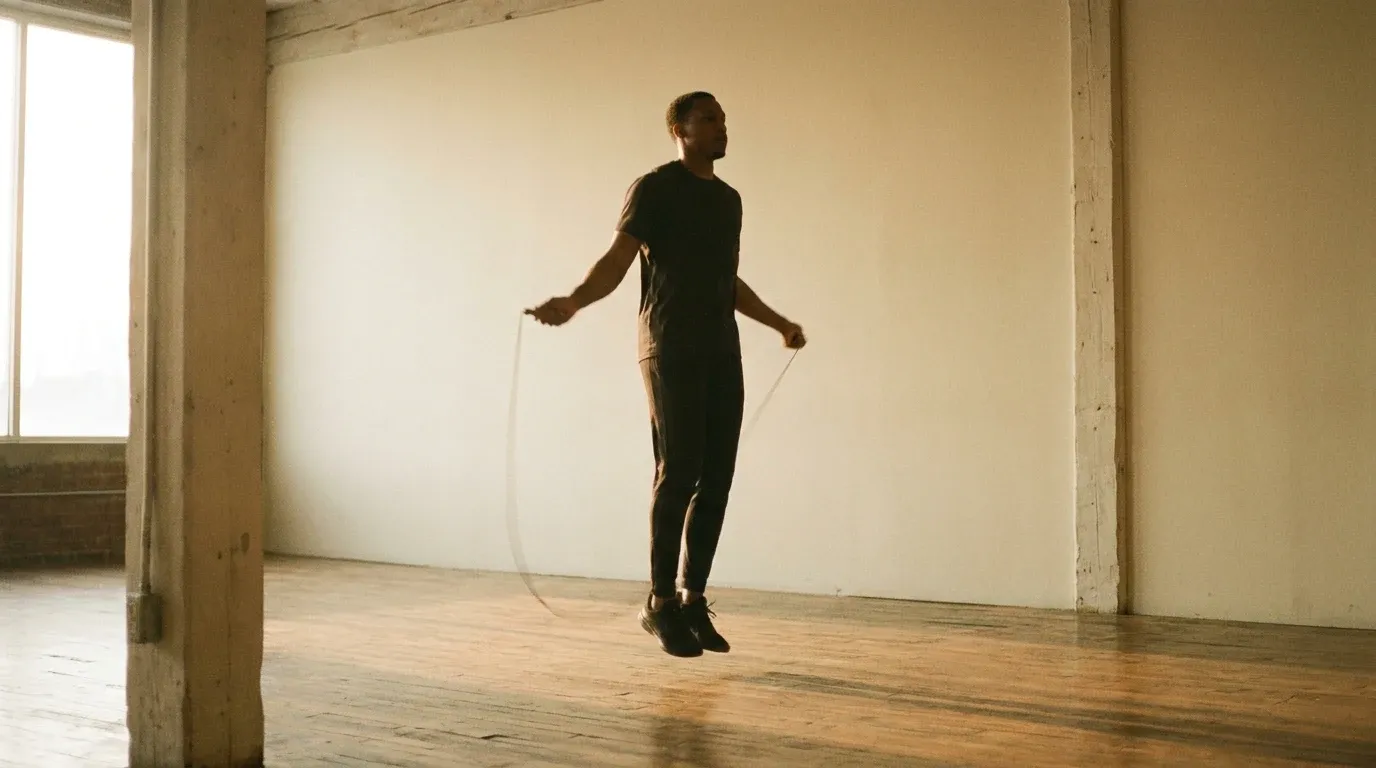
The 15-minute workout has become a fixture of modern fitness culture. Scroll any platform and you'll find hundreds of them. But the honest question. the one trainers rarely answer out loud. is whether those sessions actually move the needle, or whether they're just a marketing-friendly way to keep clients feeling productive.
The answer isn't a clean yes or no. It depends on what you're training for, how the session is structured, and. critically. where it fits inside a broader weekly plan. Here's what the science and the coaching floor actually support.
Why Trainers Are Leaning Into Short Sessions
Time is the number-one barrier to consistent exercise. Research consistently shows that perceived lack of time is the most cited reason people skip workouts, across income levels, age groups, and geographies. Trainers working with busy professionals and parents know this. Many have started offering 15-minute formats specifically as entry points, not as full training programs.
The logic is sound. A client who completes a focused 15-minute session three times a week is building something real. A client who skips 60-minute sessions because they can't commit to the time is building nothing. From a behavioral standpoint, lowering the access threshold works. The structure of that 15 minutes, though, determines whether it delivers a physical training stimulus or just a light warm-up with a timer.
This is especially relevant in the growing world of executive fitness coaching, where high-performing clients often have 20-minute windows between calls and need coaches to make those minutes count without overpromising outcomes.
What the Research Says About Short-Duration Training
The science here is more encouraging than skeptics expect. A body of research on high-intensity interval training (HIIT) and time-efficient resistance protocols has shown that sessions as short as 10 to 20 minutes can produce measurable improvements in cardiovascular fitness, muscular endurance, and metabolic health, provided intensity is sufficient.
One key metric is stimulus density: how much productive training load you're generating per minute. A 15-minute session with compound movements, minimal rest, and progressive overload can produce a meaningful stimulus. A 15-minute session with three sets of bicep curls and two minutes of rest between each cannot.
The distinction matters because it's where most time-compressed workouts fail. The format alone doesn't create adaptation. The mechanical and metabolic demands do.
How to Structure a 15-Minute Session That Actually Works
If you're designing short-format sessions. whether for yourself or your clients. the following principles should guide every decision.
- Lead with compound movements. Squats, deadlifts, push-ups, rows, and loaded carries recruit multiple muscle groups simultaneously. They generate a higher training stimulus per rep than isolation exercises and keep heart rate elevated, which adds a cardiovascular component to a strength-focused session.
- Minimize passive rest. In a 15-minute block, long rest periods are a liability. Use active recovery (like a bodyweight movement or controlled breathing drill) between harder sets, or structure the session as a circuit that keeps you moving while allowing specific muscles to recover.
- Limit exercise variety. Two to four well-chosen movements beat eight randomly assembled ones. Cognitive switching between too many exercises eats into time and dilutes focus. Simplicity is a feature, not a limitation.
- Track intensity deliberately. Rate of perceived exertion (RPE) is a practical tool here. You want most of a 15-minute session sitting between 7 and 9 on a 10-point RPE scale. If you're finishing without feeling challenged, the session isn't doing much.
- Build in progression week to week. Short sessions stall quickly without progressive overload. Add reps, load, or density (same work in less time) incrementally. Without that, adaptation plateaus fast.
For clients already working through a structured plan, short sessions can also serve as intelligent top-up stimulus. If someone is managing a strength plateau, a focused 15-minute accessory block targeting a specific movement pattern can complement their main sessions without adding excessive fatigue.
What 15 Minutes Can and Can't Build
This is the conversation coaches need to have upfront, and most don't. Setting realistic expectations isn't pessimism. it's professional responsibility. Clients who understand the ceiling of a short-format program are more likely to stick with it and less likely to abandon it when they don't see the results they imagined.
Here's what consistent 15-minute sessions, done well, can reasonably deliver:
- Improved cardiovascular baseline. Short, intense sessions have a meaningful effect on VO2 max and resting heart rate over 6 to 12 weeks. The evidence for HIIT-style protocols here is robust.
- Muscular endurance and functional strength, particularly for beginners and detrained individuals who haven't been training regularly. The bar for adaptation is lower when you're starting from a lower base.
- Habit formation. This may be the most underrated outcome. Consistent short sessions build the neural and behavioral scaffolding for a sustainable fitness practice. That has long-term value beyond any single physiological marker.
- Stress reduction and mood improvement. Even brief bouts of moderate-to-vigorous exercise reliably improve cortisol regulation and psychological wellbeing. That's worth something, separate from body composition or performance outcomes.
And here's what 15 minutes, even well-structured 15 minutes, won't reliably deliver on its own:
- Significant hypertrophy. Muscle growth requires volume. Most evidence-based hypertrophy protocols call for 10 to 20 sets per muscle group per week. A 15-minute session can contribute to that total, but it can't replace it.
- Peak athletic performance. Competitive athletes and serious recreational athletes need training volume, specificity, and recovery cycles that don't fit into 15-minute blocks.
- Substantial body composition change as a standalone tool. For meaningful fat loss or muscle gain, session duration is one variable among many. Nutrition, total weekly training volume, sleep, and stress load all outweigh any single session format.
The Weekly Plan Is the Real Unit of Measurement
The biggest mistake coaches make when programming short sessions is treating them as isolated events. A 15-minute workout doesn't exist in a vacuum. It exists inside a week, a month, a training block.
When positioned correctly inside a structured weekly plan, short sessions become genuinely useful. They can serve as active recovery between harder training days, as a habit anchor on days when motivation is low, or as a targeted stimulus for undertrained movement patterns. What they shouldn't be is the entire plan for someone with serious fitness goals.
Think of it this way: a well-structured 15-minute session three times a week contributes roughly 45 minutes of training stimulus. Research supports this being meaningful for general health and longevity. It's broadly consistent with what we know about the relationship between cardio, strength training, and long-term cardiovascular health. But 45 minutes a week is a foundation, not a ceiling.
For clients whose real goal is body composition change, coaches should pair short sessions with a nutrition strategy that supports those goals. This matters especially for clients managing appetite or metabolic challenges. Understanding how to preserve muscle through dietary protein is just as important as the training format itself, particularly when weekly training volume is constrained.
The Coach's Responsibility in Short-Format Programming
If you're a trainer or coach offering 15-minute sessions. whether in-person, online, or through a digital platform. your job is to be honest about what those sessions can deliver before you sell them. Clients are sophisticated enough to handle the truth, and they'll trust you more for giving it to them.
Frame it clearly: a well-designed 15-minute program will improve your baseline fitness, build consistency, and give you a real training stimulus. It won't replace a comprehensive program if your goal is significant body composition change or competitive performance. Used correctly, though, it's a legitimate tool. Not a shortcut.
The sessions that actually work share a common profile: they're built around compound movements, they're intense enough to demand real effort, they're progressive over weeks, and they exist inside a broader training context. Everything else. the branding, the timer, the playlist. is secondary.
Fifteen minutes, structured well, is enough to build something real. Just be honest about what that something is.