
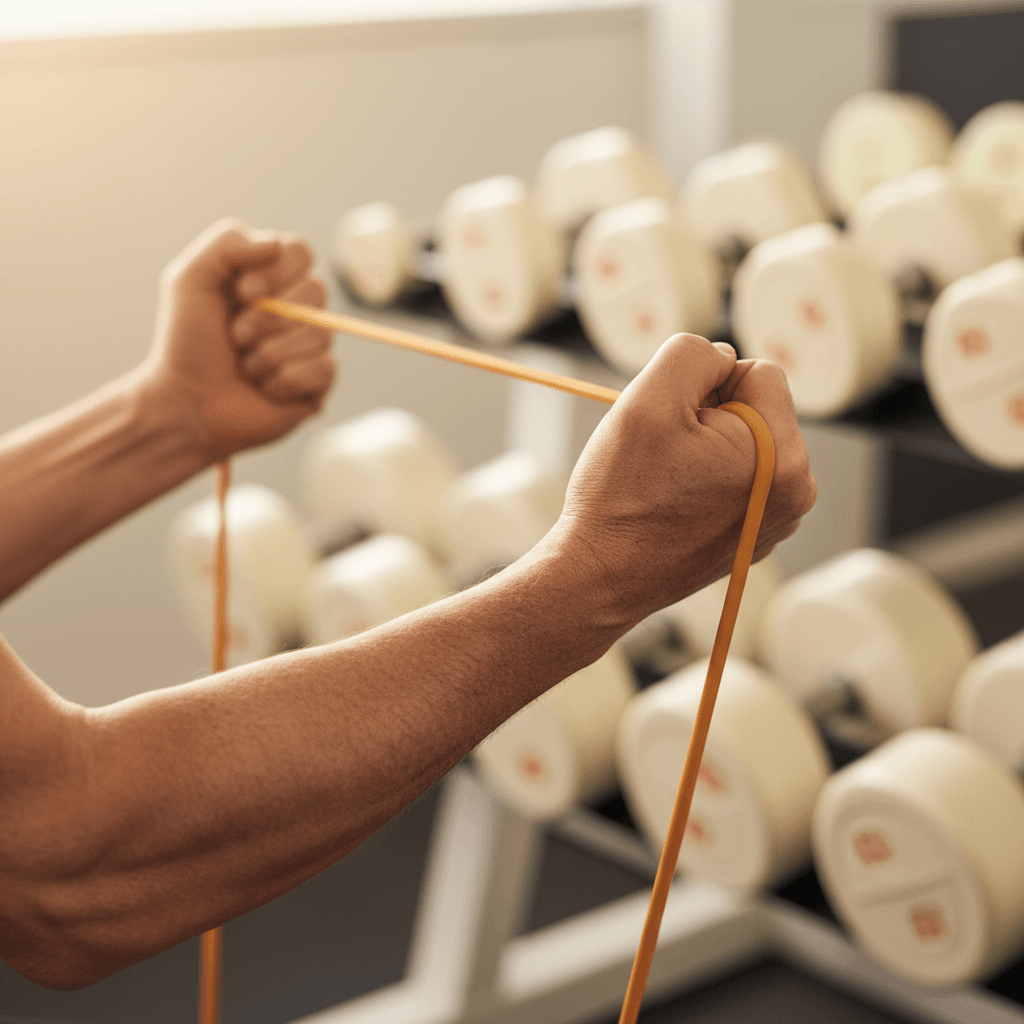
Not long ago, adults over 65 were the segment the fitness industry quietly ignored. Too hard to recruit, too delicate to train, not worth the marketing budget. In 2026, that same group has become the most frequent gym visitors of any age bracket. That's the finding in ACSM's annual fitness trends data, and it's not a blip. It's a structural shift that's been building for years.
Key Takeaways
- Adults 65+ show a 72% retention rate, the highest of any age group
- Senior gym memberships increased by 32% between 2022 and 2026
- Seniors work out 3.2 times per week on average, more than the 25-34 age group
The ranking that reframes everything
Every year, the American College of Sports Medicine surveys thousands of fitness professionals worldwide to produce its global fitness trends ranking. For 2026, Fitness Programs for Older Adults lands at number 2 on that list, trailing only wearable technology. It ranks ahead of functional training, outdoor exercise, and group fitness formats.
That positioning reflects something real happening on gym floors. Adults 65 and older now visit fitness facilities more consistently than any other age group. They're not the January surge crowd who disappears by March. They've built routines, they understand the health stakes, and they show up. For a business built on recurring revenue and low churn, that's exactly the member profile that matters.
The demographic tailwind behind this is enormous. All 73 million American baby boomers will be over 65 by 2030. The wave hasn't peaked. Gyms that adapt now aren't chasing a trend, they're positioning for the most reliable client segment in the market for the next decade.
The language problem
Here's something counterintuitive that keeps showing up in the data. Programs labeled "senior fitness" or "older adult classes" consistently attract fewer participants than identical programs renamed "functional movement," "active aging," or "mobility and strength." Same exercises, same format, same instructor. The only variable was what the program was called.
Adults over 65 don't see themselves as frail. They want to stay capable, independent, and active in the activities they care about. A program that signals limitation pushes them away. A program that signals capability pulls them in.
The gyms figuring this out aren't creating watered-down programming. They're offering serious resistance training with appropriate progression, structured balance work, and mobility training that actually delivers results. The formats are ones most facilities already have on the schedule. What changes is the framing, not the content.

What this means in practice
Three training modalities produce the most measurable gains for adults 65 and older: progressive resistance training, mobility work, and balance training. Those are formats most gyms already have on the schedule. The rebuild isn't as dramatic as it might seem.
What does need to shift:
- Programming goals: success metrics look different here. Progress is tracked over months, not weeks. The win might be climbing stairs without knee pain or carrying groceries without fatigue, not a PR on the bench press. Coaches who understand this communicate value far more effectively.
- Scheduling and environment: peak demand hits mid-morning and early afternoon. Onboarding needs more hands-on support. Equipment and locker rooms need to be accessible without feeling clinical or condescending.
- Marketing channels: the assumption that older adults don't respond to digital outreach is wrong. Adults 65+ are active on Facebook, they watch YouTube, and they read their email. The message needs updating, not the channel.
There's also a financial reality worth naming. Baby boomers hold more accumulated wealth than any previous generation. They're willing to invest in their health, they have time to commit to a consistent program, and they're not impulsive buyers, which means when they sign up, they tend to stick. The lifetime value of a 68-year-old who develops a gym habit probably exceeds the lifetime value of a 26-year-old who cycles through memberships between life transitions.
Also read: Strength Training Is America's #1 Fitness Goal and Sleep and Athletic Performance.
The fitness industry took too long to take this segment seriously. The 2026 data shows that's changing, but the gap between the opportunity and the current state of most gym programming is still wide. The facilities that close that gap now aren't reacting, they're building a durable advantage in the most loyal corner of the market.