
Most athletes know they should be replacing electrolytes when they sweat hard in summer heat. Far fewer know whether the product they're using actually covers what they're losing. The gap between what's marketed and what physiology demands is wider than most sports drink labels want you to think.
Here's the core problem: electrolyte loss is deeply individual, the heat raises the stakes considerably, and the majority of commercial products are formulated for the average recreational exerciser, not the high-output athlete grinding through two-hour sessions in 35-degree weather.
Sweat Is Not One-Size-Fits-All
The most important fact in summer hydration science is one that rarely makes it onto product packaging. Sweat sodium concentration varies by as much as threefold between individuals, ranging from roughly 230mg per liter to over 1,700mg per liter. That's not a rounding difference. That's a physiological chasm.
If you're a heavy, salty sweater, you can tell. Your kit leaves white residue. Your skin stings. Your eyes burn when sweat drips into them. You may also notice that headaches and cramping hit you harder and faster than training partners who appear to handle the same conditions without issue. Those aren't signs of weakness. They're signs your electrolyte needs are significantly higher than the generic formula on the bottle is designed to meet.
Standard commercial sports drinks typically deliver between 300mg and 500mg of sodium per liter. For a light sweater, that's adequate. For someone losing 1,500mg per liter across a two-hour summer session, that product is leaving a substantial deficit with every bottle you drain.
The Real Risk: Hyponatremia, Not Just Dehydration
When most people think about hot-weather training risks, they think dehydration. That's reasonable, but there's a less visible danger that's become increasingly common among endurance athletes: hyponatremia, or low blood sodium.
Hyponatremia occurs when sodium levels in the blood drop too low, either because you're losing more sodium than you're replacing, or because you're diluting your blood by drinking excessive plain water without any electrolyte intake. The risk rises sharply during sessions lasting longer than 90 minutes in temperatures above 30°C (86°F), particularly when athletes follow the older advice to "drink as much as possible" without factoring in sodium replacement.
Symptoms of hyponatremia are frequently mistaken for dehydration: nausea, headache, fatigue, disorientation. The critical difference is that the treatment for dehydration (drink more water) actively makes hyponatremia worse. In severe cases, hyponatremia causes seizures and is a medical emergency. This is why understanding the distinction between electrolyte imbalance and simple fluid deficit isn't a detail. It's a safety issue.
Sodium, Potassium, Magnesium: Getting the Hierarchy Right
Sweat contains several electrolytes. Potassium, magnesium, chloride, and calcium all appear in measurable quantities. But they don't appear equally, and they don't carry equal replacement urgency during exercise.
Sodium is the dominant electrolyte in sweat by a significant margin, typically accounting for the majority of electrolyte loss by volume. Chloride tracks closely with sodium, as it's the primary anion that balances it. Potassium and magnesium losses are real but relatively minor compared to sodium, and both are reasonably easy to restore through post-workout food intake.
Magnesium does play a role in muscle contraction and nerve function, and chronic depletion can contribute to cramping and poor recovery. But the idea that magnesium supplements will solve your mid-run cramps is mostly a marketing construct. The research on magnesium and acute exercise cramping is mixed at best. Sodium depletion remains the more evidence-supported culprit for exercise-associated muscle cramps in heat-stressed athletes.
Many commercial electrolyte products lead with potassium and magnesium in their marketing because they test well with consumers who associate those minerals with health. Sodium, despite being the most critical replacement target during high-output sessions, is often underdosed because high sodium content makes products taste saltier, which consumers in taste tests consistently rate lower. The formula is shaped by marketing logic, not exercise physiology.
Food-First Strategies That Actually Work
Before you buy another product, it's worth considering how much your pre-training nutrition is doing (or not doing) for your electrolyte status going into a session.
A well-salted meal two to three hours before training is one of the most underrated preparation strategies for summer workouts. A meal containing 800mg to 1,000mg of sodium, combined with adequate fluid intake, can give your plasma sodium a meaningful boost heading into a session. This is particularly useful for sessions under two hours, where a strong pre-load combined with modest mid-session replacement may be entirely sufficient.
Foods worth including in that pre-workout window include:
- Pickled vegetables and olives, which deliver sodium alongside some fluid and are easy to digest
- Whole fruit such as bananas, oranges, and watermelon, which provide potassium, natural sugars, and water simultaneously
- Salted whole grains or rice dishes, which combine carbohydrate fuel with electrolyte intake
- Miso soup or vegetable broth, which are high in sodium and easy on the stomach before effort
This food-first approach connects to a broader principle covered in Simple Diet Changes That Actually Move the Needle: the fundamentals of whole-food nutrition often outperform supplementation when the strategy is thoughtful and consistent.
One practical note on sodium from food sources: the numbers aren't always reliable. Research has consistently shown that labeled sodium content in prepared meals can vary significantly from actual content. If you're building a pre-race electrolyte strategy around restaurant food, keep that variability in mind. A detailed look at the problem is worth reading: Half of Takeaway Meals Have Way More Salt Than Listed.
How to Read a Sports Drink Label Critically
If you're using a commercial electrolyte product, here's how to evaluate it quickly.
Check the sodium content per serving first. A product designed for genuine sweat replacement during high-intensity sessions should deliver at least 500mg to 700mg of sodium per liter of fluid. If the label shows less than 300mg per liter, that product is functionally a flavored water with minor electrolyte additions. It may be fine for light-intensity or short-duration activity in moderate temperatures. It's not adequate for a two-hour summer ride or a long track session.
Next, check the serving size. Some products list impressive-sounding numbers per "serving" that actually equate to a very small volume. Scaling to per-liter figures gives you a meaningful comparison across products.
Also consider what else is in the formula. High sugar content, artificial sweeteners, and food dyes are common in mass-market sports drinks. The research on how these compounds interact with gut function during exercise is still developing, but there are good reasons to be cautious about heavily processed formulations. The broader research on how ultra-processed food components affect the gut is worth understanding: What Ultra-Processed Foods Actually Do to Your Gut.
Finally, verify the label claims are credible. Supplement and sports nutrition labeling accuracy is an ongoing issue, and independent testing regularly finds discrepancies between what's listed and what's actually in the product. Can You Actually Trust What's on Your Supplement Label? walks through how to verify what you're actually consuming.
Recognizing Electrolyte Imbalance vs. Dehydration
Knowing when something is wrong, and what kind of wrong it is, can prevent a bad training session from becoming a dangerous one.
Simple dehydration tends to produce a predictable set of signals: increased thirst, darker urine, dry mouth, reduced output, and a general sense of heaviness. Your performance drops, but you feel better relatively quickly after drinking fluid.
Electrolyte imbalance, particularly low sodium, presents differently. You may not feel thirsty. You might feel bloated or nauseated despite drinking fluids. Headache is common, as is a specific kind of mental fog that feels distinct from normal fatigue. Muscle cramping that doesn't respond to stretching or additional water intake is another signal. If you've drunk plenty of fluid but still feel progressively worse, sodium should be your first suspect.
The response differs accordingly. For dehydration, fluids work. For electrolyte imbalance, you need electrolytes, specifically sodium, alongside fluid. Drinking more plain water when sodium is the issue continues to dilute your blood and compounds the problem.
If you're unsure how to structure your overall recovery response around sessions like this, the fundamentals are covered in 5 Simple Recovery Habits That Actually Work.
Practical Takeaways for Summer Training
The science here points in a clear direction. Adjust your approach based on your individual sweat rate, session length, and the specific heat conditions you're training in. No single product or protocol works universally.
- For sessions under 90 minutes: A salted pre-workout meal, adequate pre-hydration, and water during the session is often sufficient, even in heat.
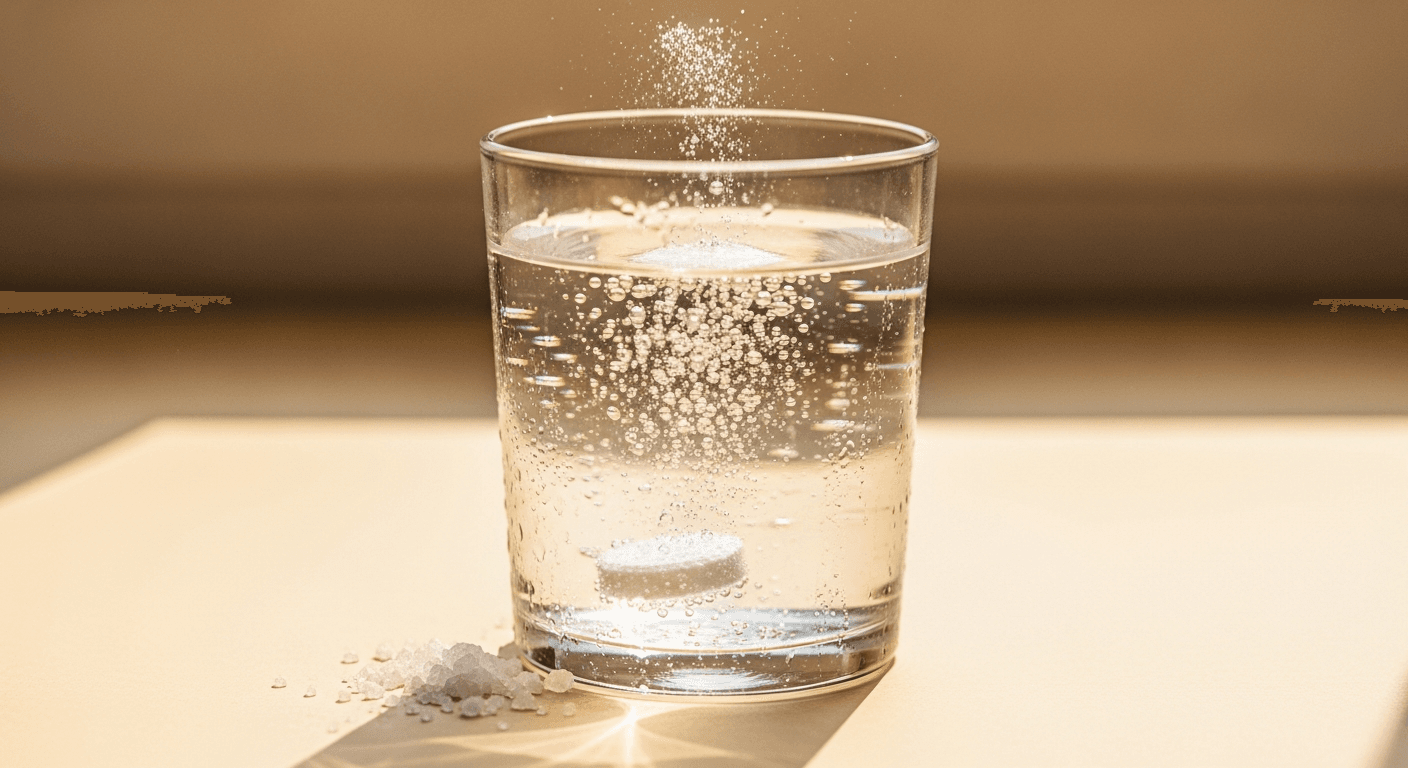
- For sessions between 90 minutes and three hours: You need active sodium replacement during exercise. Prioritize products delivering at least 500mg sodium per liter, or use electrolyte tablets in water where you control the dose.
- For sessions over three hours in high heat: Treat electrolyte strategy as seriously as fueling strategy. Sodium needs to be replaced at regular intervals, and your intake should be calibrated to your individual sweat rate, not the average printed on a label.
- Post-session: Rehydrate with sodium-containing fluids or food. Plain water rehydration after heavy sweat loss is suboptimal for recovery and can extend the time your body takes to restore fluid balance.
Summer heat doesn't change the fundamentals of physiology. It just makes the cost of ignoring them higher, and faster.