
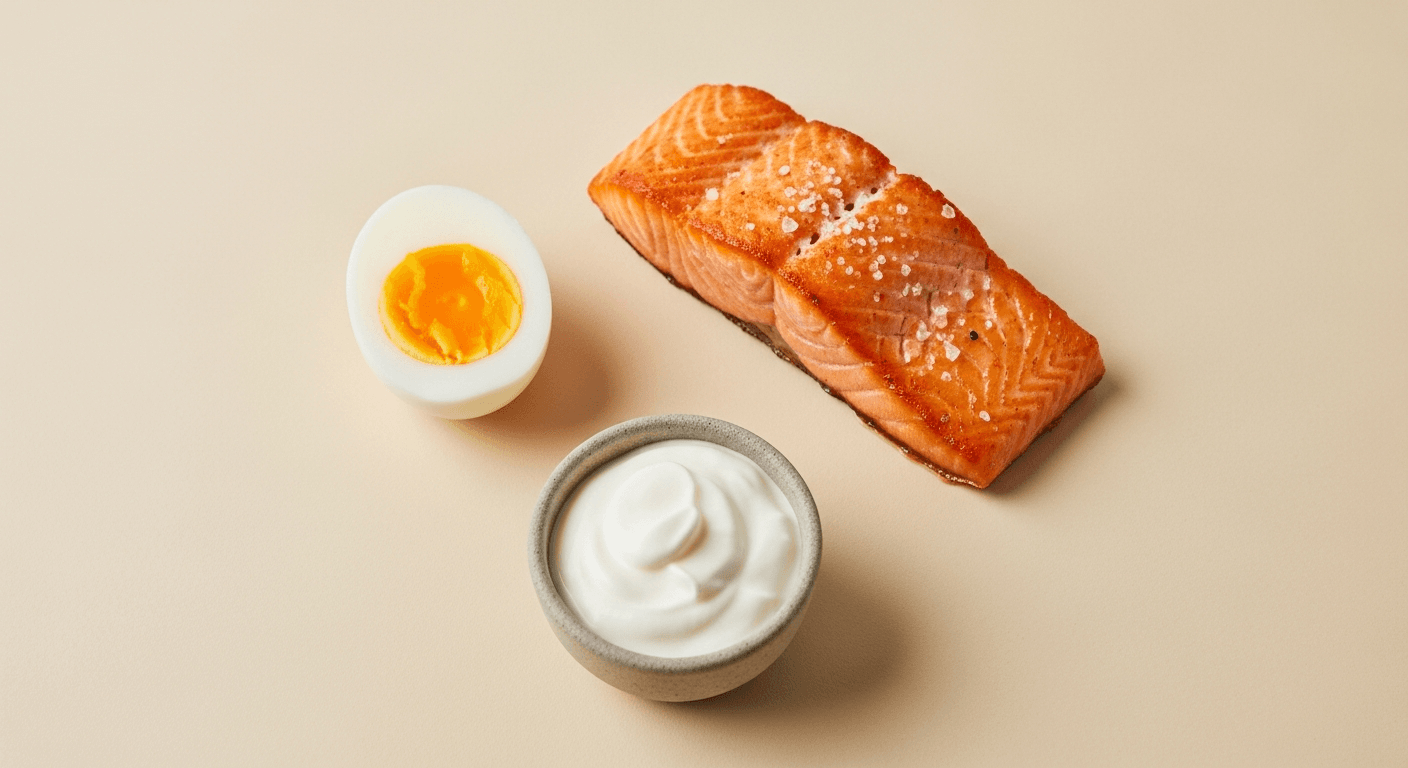
GLP-1 receptor agonists like semaglutide and tirzepatide are delivering real, measurable weight loss for millions of people. But there's a serious problem hiding inside those impressive numbers. A significant portion of the weight people lose on these medications isn't fat. It's muscle. And if you're not actively managing your protein intake, you're likely making it worse.
This isn't a scare story. It's a fixable problem. But fixing it requires a specific approach that goes well beyond the generic advice to "eat more protein."
The Muscle Loss Problem Is Bigger Than Most People Think
Clinical data on GLP-1 users consistently shows that lean mass makes up between 25% and 40% of total weight lost when protein intake isn't deliberately managed. That means for every 20 pounds lost, up to 8 pounds could be muscle rather than fat. At scale, that's a profound metabolic hit.
Losing muscle during weight loss matters for several reasons. Muscle tissue is metabolically active, meaning it burns calories at rest. It protects joints, supports posture, and underpins functional strength as you age. Losing it doesn't just affect how you look. It lowers your resting metabolic rate, making weight regain more likely after you stop medication, and increases your risk of what researchers call "sarcopenic obesity," where body fat percentage remains high even as scale weight drops.
The issue isn't unique to GLP-1 drugs. Any significant caloric restriction can trigger muscle loss. But GLP-1 medications create a specific structural problem: they suppress appetite so effectively that users frequently eat far less than they realize, and the foods they do manage to eat are often not protein-rich.
Why GLP-1 Appetite Suppression Specifically Undermines Protein Intake
Semaglutide and similar drugs slow gastric emptying and reduce hunger signals from the brain. Users often describe feeling full after just a few bites. That's the mechanism that drives weight loss. But when you're only eating a fraction of your normal volume, the macronutrient quality of every single bite becomes critical.
Most people, when their appetite is suppressed, gravitate toward easy-to-eat, low-volume comfort foods. Crackers. Soup. Soft carbohydrates. These foods are palatable when you're nauseated or barely hungry, but they're not protein-dense. The result is a daily protein intake that can fall well below 60 grams for some users, a level that is genuinely inadequate for preserving lean mass during caloric restriction.
Protein also has a higher thermic effect than carbohydrates or fats, meaning your body burns more calories processing it. When protein intake collapses, you lose this metabolic advantage at precisely the moment you need it most.
As explored in The Nutrition Lab: Protein and Fiber — 2026's Dominant Nutrition Duo, protein's role in body composition and satiety is becoming better understood across all dietary contexts. On GLP-1 therapy, it becomes non-negotiable.
How Much Protein You Actually Need on GLP-1 Therapy
General population guidelines for protein intake don't apply cleanly to someone who is simultaneously on a GLP-1 medication, in a caloric deficit, and ideally resistance training. The targets are higher.
Research on protein requirements during active weight loss phases supports a minimum of 1.6 grams of protein per kilogram of body weight per day for individuals who are also performing resistance training. During aggressive deficit phases, the evidence points toward 2.0 to 2.2 grams per kilogram as the more protective target.
To put that in practical terms: a 180-pound (82 kg) person should be targeting between 131 and 180 grams of protein daily. If your appetite is severely suppressed and you're eating 1,000 calories a day without a plan, hitting that target is nearly impossible by accident. It requires structure.
It's also worth noting that protein quality matters. Complete proteins containing all essential amino acids, found in animal products, eggs, dairy, and certain plant combinations, are more effective at stimulating muscle protein synthesis than incomplete sources at equivalent gram quantities. The amino acid leucine in particular appears to be the key trigger for muscle protein synthesis, and leucine is abundant in whey, eggs, and meat.
Protein-First Eating: The Core Strategy
The most effective structural change you can make is straightforward: eat your protein source first at every meal. Before the vegetables, before any carbohydrates, before anything else on the plate.
This matters because when you're on a GLP-1 drug, you may feel full after eating only a portion of what's in front of you. If you've started with grains or vegetables, you may be satisfied before you've touched your chicken or eggs. Protein-first sequencing ensures that even if you only manage a few bites, those bites are the most nutritionally important ones.
Build every meal around a protein anchor. That means starting your planning with the protein source and building the rest of the meal around it, rather than treating protein as a side element. A meal isn't "rice with some chicken." It's "chicken, with rice if there's room."
High-Protein Liquid Options for Low-Appetite Days
There will be days, especially in the first weeks after a dose increase, when eating solid food feels genuinely difficult. On these days, liquid protein sources become an essential tool rather than a convenience.
High-quality protein shakes using whey or casein concentrates can deliver 25 to 40 grams of protein in a format that requires minimal digestive effort and very little appetite. Greek yogurt blended with protein powder, milk-based smoothies, and high-protein soups are all viable approaches when solid food isn't appealing.
The goal on these days is not to hit your full caloric target. It's to protect your protein floor. Even if you're only consuming 800 calories, getting 100 to 130 grams of that from protein dramatically changes the composition of the weight you're losing.
Some users also find that adding creatine monohydrate to their supplementation supports muscle retention during GLP-1 therapy. The evidence base for creatine is robust. If you're evaluating your options, Creatine Loading: Is the Protocol Actually Worth It? breaks down what the research actually supports versus what's marketing.
Timing Resistance Training Around Peak Appetite Windows
GLP-1 drugs don't suppress appetite uniformly across the day or across the week. Most users notice patterns. Appetite tends to be slightly higher in the days immediately before a weekly injection, and lower in the 48 to 72 hours following it. Within a single day, appetite often follows a predictable rhythm as well.
Resistance training is the non-negotiable stimulus for muscle protein synthesis. Without it, even optimal protein intake will only partially mitigate lean mass loss. But timing your training sessions to coincide with your higher-appetite windows gives you a practical advantage: you're more likely to be able to eat a meaningful protein-containing meal within two hours of training, which is when muscle protein synthesis is most elevated.
Track your appetite patterns for two to three weeks and identify your personal windows. For many weekly-injection users, days three through five post-injection are their highest-appetite days. Those are your best training days, and your best days to load up on quality protein.
On low-appetite days, lighter activity like walking or mobility work is still beneficial for overall health and supports recovery without demanding a large post-workout meal. As outlined in The Recovery Signal: Rest and Recovery Are Foundational in 2026, recovery is an active process and deserves the same intentionality as training.
Don't Overlook the Micronutrient Picture
Severe caloric restriction on GLP-1 therapy doesn't just create a protein deficit. It frequently creates gaps in electrolytes, B vitamins, zinc, and magnesium, all of which play roles in muscle function and energy metabolism. Zinc in particular is involved in testosterone synthesis and protein metabolism, and it's often depleted when overall food intake drops sharply.
A high-quality multivitamin and attention to electrolyte intake is a reasonable baseline. Electrolytes: It's Not Just About Sodium covers the often-overlooked roles of magnesium and potassium, both of which become relevant when you're eating less and training consistently.
Building a Sustainable Protein Strategy
The practical summary looks like this. Set your daily protein target based on your current body weight and activity level, using 1.6 g/kg as a floor and 2.0 g/kg as your working target during active fat loss. Plan every meal around a protein anchor. Keep high-protein liquid options available for low-appetite days. Schedule your hardest resistance training sessions for your highest-appetite windows. Supplement strategically for micronutrient gaps.
None of this is complicated. But it requires intention. The default path on GLP-1 therapy, eating whatever you can manage, whenever you feel like it, will cause significant lean mass loss. The structured path protects your muscle, preserves your metabolic rate, and sets you up for a healthier body composition long after the medication phase ends.
You're not just trying to lose weight. You're trying to lose fat. That distinction is everything on GLP-1 therapy, and protein is how you make it real. For a broader look at how amino acid quality affects inflammation and cellular health, Methionine: The Amino Acid That Fights Deadly Inflammation offers context on why the type of protein you choose matters beyond just the gram count.