
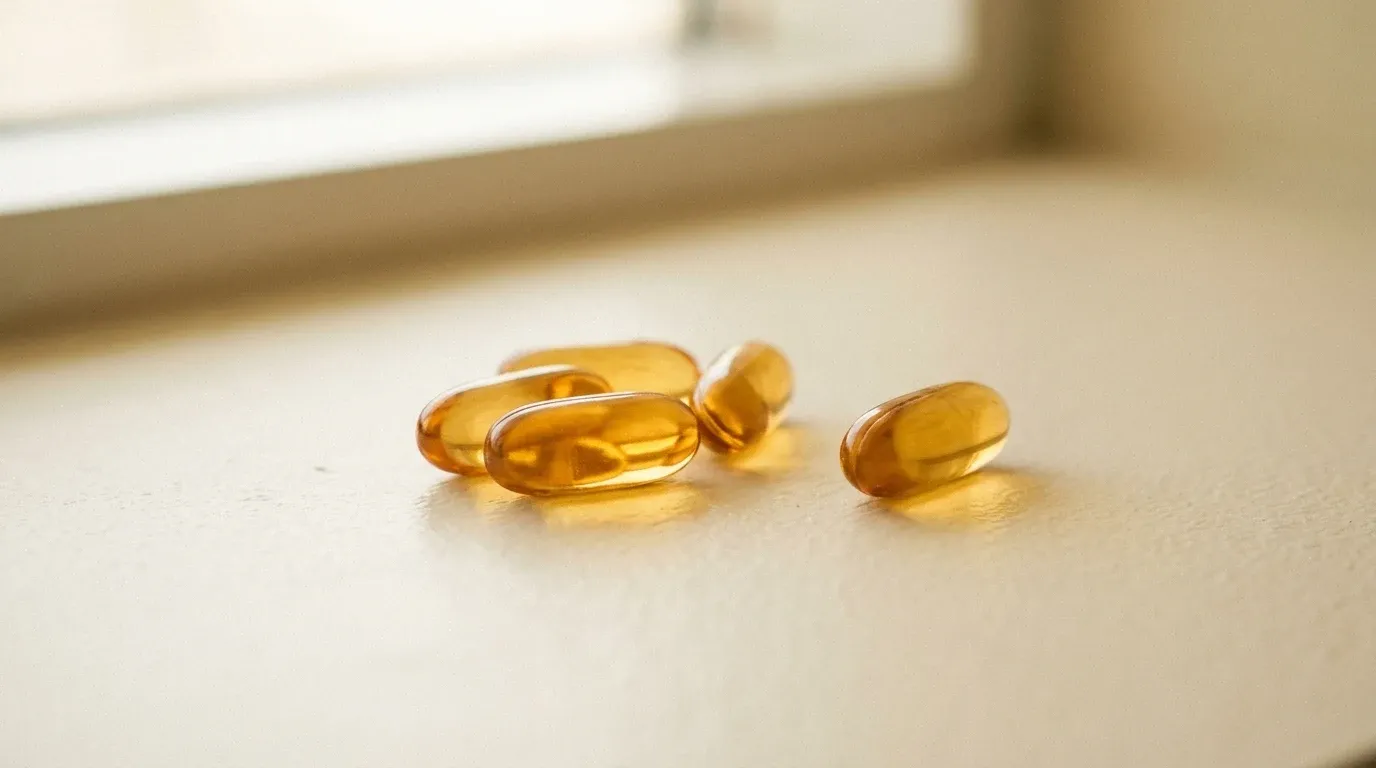
If your triglyceride numbers came back elevated, you've probably already started browsing fish oil capsules, wondering whether the $15 bottle at the pharmacy does anything meaningful. The honest answer is: it depends on which omega-3 you're taking, at what dose, and what your baseline looks like. A pooled-trial review published in October 2026 finally puts the most popular options side by side, so you can stop guessing.
First, Know When Triglycerides Actually Become a Problem
The ACC/AHA classifies fasting triglycerides below 150 mg/dL as normal. Borderline high runs from 150 to 199 mg/dL. High sits between 200 and 499 mg/dL, and very high is 500 mg/dL or above. The Endocrine Society uses similar cutoffs but flags anything above 200 mg/dL as clinically actionable, particularly when paired with low HDL or metabolic syndrome markers.
The 500 mg/dL threshold is where risk shifts sharply. Above that level, you're no longer dealing with a cardiovascular risk factor alone. Severe hypertriglyceridemia at 500 mg/dL or higher carries a meaningful risk of acute pancreatitis, a serious and potentially life-threatening condition. If your levels are in that range, supplementation alone is not the right starting point. You need a physician involved.
For most readers, though, the concern is moderate elevation. Triglycerides between 150 and 400 mg/dL are common, often driven by refined carbohydrate intake, alcohol, excess body weight, or insulin resistance. That's exactly the zone where lifestyle changes and certain supplements have the clearest evidence.
What the October 2026 Pooled Review Found
The meta-analysis aggregated data from over 130 randomized controlled trials, covering four main supplement categories: omega-3 fatty acids (both OTC and prescription-grade), niacin, berberine, and bergamot polyphenols. The results confirmed some expectations and overturned others.
Omega-3 fatty acids showed the strongest and most consistent triglyceride-lowering effect across all included trials. But the review drew a sharp distinction between standard OTC fish oil and prescription-grade EPA. That distinction matters more than most product labels acknowledge.
Niacin produced meaningful triglyceride reductions in trials, but its clinical favorability has dropped sharply over the past decade. Berberine showed moderate, real-world relevant effects. Bergamot emerged as the most promising newer entrant, with results that surprised several of the review's contributing researchers.
OTC Fish Oil vs. Prescription EPA: Not the Same Product
Standard OTC fish oil capsules contain a mix of EPA (eicosapentaenoic acid) and DHA (docosahexaenoic acid), typically in a ratio somewhere around 3:2. At doses commonly sold over the counter, usually 1,000 mg per softgel with roughly 300 mg of combined EPA and DHA, the triglyceride-lowering effect is modest. The October 2026 review pooled this category at an average reduction of around 10 to 15 percent from baseline, with considerable variability depending on dose and baseline triglyceride level.
Prescription-grade EPA, specifically icosapentaenoic acid in its pure form, performs differently. At 4 grams per day, the formulation studied in major cardiovascular trials reduced triglycerides by 20 to 30 percent. More significantly, it also demonstrated a reduction in major cardiovascular events in high-risk patients, an outcome that standard fish oil has not consistently replicated.
The reason likely comes down to DHA. In mixed EPA/DHA products, DHA can raise LDL-cholesterol in some individuals, partially offsetting the cardiovascular benefit. Pure EPA avoids that issue entirely. If your cardiologist or primary care doctor has prescribed icosapentaenoic acid, that's the formulation with the strongest outcomes data. OTC fish oil at typical doses is not a clinical substitute.
That said, higher-dose OTC omega-3 combinations, some products now offer 2 to 3 grams of combined EPA and DHA per day, do show stronger effects than low-dose versions. If you're using fish oil to manage borderline-high triglycerides rather than established cardiovascular disease, the dose still matters enormously.
Niacin: Real Effect, Real Tradeoffs
Niacin (vitamin B3) has been used to manage triglycerides for decades, and it works. At doses of 1,000 to 2,000 mg per day, niacin can reduce triglycerides by 20 to 50 percent, one of the largest effects seen in any single supplement category. It also raises HDL cholesterol, which makes it appealing on paper.
The problem is tolerability and outcomes data. Niacin causes flushing in most users, a warm, red, itching skin reaction that's uncomfortable enough to drive discontinuation. Extended-release formulations reduce flushing but have been associated with liver concerns at higher doses. More critically, large cardiovascular outcome trials found that adding niacin to statin therapy did not reduce cardiovascular events despite improving lipid panels. That's a significant reason why clinical guidelines no longer recommend niacin as a first-line option.
If you're managing isolated high triglycerides without statin therapy and can tolerate niacin, it remains a pharmacologically active choice. But it's not a benign supplement you take casually, and doses effective for triglycerides are well above what you'd get from a B-complex multivitamin.
Berberine: Moderate but Meaningful
Berberine is an alkaloid compound found in several plants, including barberry and goldenseal. It's drawn serious research interest because of its effects on blood glucose, insulin sensitivity, and lipids. The October 2026 review found that berberine at 500 mg two to three times daily produced triglyceride reductions averaging 15 to 20 percent, comparable to mid-range doses of fish oil.
Berberine also consistently reduced LDL cholesterol and fasting glucose in the pooled data, which makes it particularly relevant for people whose elevated triglycerides are part of a broader metabolic picture. It's not a single-target supplement.
The practical limitations are real. Berberine has poor bioavailability in standard form, meaning much of what you swallow doesn't reach systemic circulation effectively. Newer formulations using dihydroberberine or phytosome complexes show better absorption, and some of the strongest trial results come from those delivery systems. It also interacts with several medications, including metformin and some antibiotics, so check with your doctor if you're on any regular medications.
Bergamot: The Underrated Option
Bergamot polyphenols, extracted from the Citrus bergamia fruit, are less well-known than the other entries on this list but performed strongly in the 2026 review. Standardized bergamot extracts at doses of 500 to 1,000 mg per day produced triglyceride reductions of 20 to 30 percent in the pooled trials, with simultaneous LDL reductions and HDL increases that have made it a genuine area of clinical interest.
The mechanism involves inhibition of HMG-CoA reductase, the same enzyme targeted by statin drugs, though with a much weaker effect. Some researchers have explored bergamot as a potential adjunct for people who don't tolerate statins, though the evidence for that specific application is still building. What's clear from the pooled data is that the lipid effects are real and not trivial.
Bergamot supplements are increasingly available in the US and global market, with prices ranging from roughly $25 to $50 per month for standardized extracts. Quality and standardization vary significantly between brands. Look for products standardized to at least 25 to 38 percent polyphenol content. This space is evolving quickly, and SupplySide 2026: The Ingredient Trends Worth Watching offers useful context on how bergamot and similar botanicals are being formulated into next-generation products.
Diet Still Moves the Needle More Than Any Supplement
Before you build a supplement stack, be clear on what diet changes can accomplish. Triglycerides are unusually diet-responsive compared to other lipid markers. Reducing refined carbohydrates, added sugars, and alcohol can lower triglycerides by 20 to 50 percent in some people, without any supplementation. Replacing processed carbohydrates with whole foods and fiber makes a measurable difference.
Research consistently shows that food quality interventions have cardiovascular impact. Free Healthy Food Improves Heart Health. New Data Confirms It. documents exactly how dietary change at scale produces meaningful lipid improvements, including in triglyceride values.
Dietary fat type also matters. Saturated fat has a smaller effect on triglycerides than carbohydrates do, but excess calories from any source raise them. If you're following an intermittent fasting protocol hoping it will help, there's reason to be cautiously optimistic, but the data is nuanced. Intermittent Fasting: What the Science Actually Shows breaks down where fasting delivers and where it falls short.
Putting It Together: A Practical Framework
Here's how to think about the supplement evidence if your triglycerides are elevated:
- Triglycerides 150 to 200 mg/dL: Dietary change first. Reduce sugar, refined carbs, and alcohol. OTC omega-3 at 2 to 3 grams combined EPA/DHA daily is a reasonable add-on. Berberine or bergamot can complement if you want to stack evidence-based options.
- Triglycerides 200 to 499 mg/dL: Dietary change remains essential. Higher-dose omega-3 becomes more relevant. Discuss prescription EPA with your doctor if cardiovascular risk is elevated. Berberine and bergamot have meaningful supporting data in this range.
- Triglycerides 500 mg/dL or above: This is a medical situation. Pancreatitis risk is real. Prescription intervention is typically warranted. Supplements are adjuncts at best.
Exercise is also part of the picture. Regular aerobic training consistently lowers triglycerides, and resistance training has an independent benefit on metabolic markers. Strength Training After 40: The Minimum Dose That Works outlines how little you actually need to do to see real metabolic benefit, which matters if you're managing cardiovascular risk factors as part of a broader health strategy.
The October 2026 review is useful precisely because it stops the guesswork. Omega-3s work, with a major asterisk about dose and formulation. Prescription EPA is in a separate clinical category from OTC fish oil. Berberine and bergamot both have real, quantifiable effects and deserve more attention than they get. Niacin is effective but comes with tradeoffs that most people won't find worthwhile. That's the evidence. Use it accordingly.