
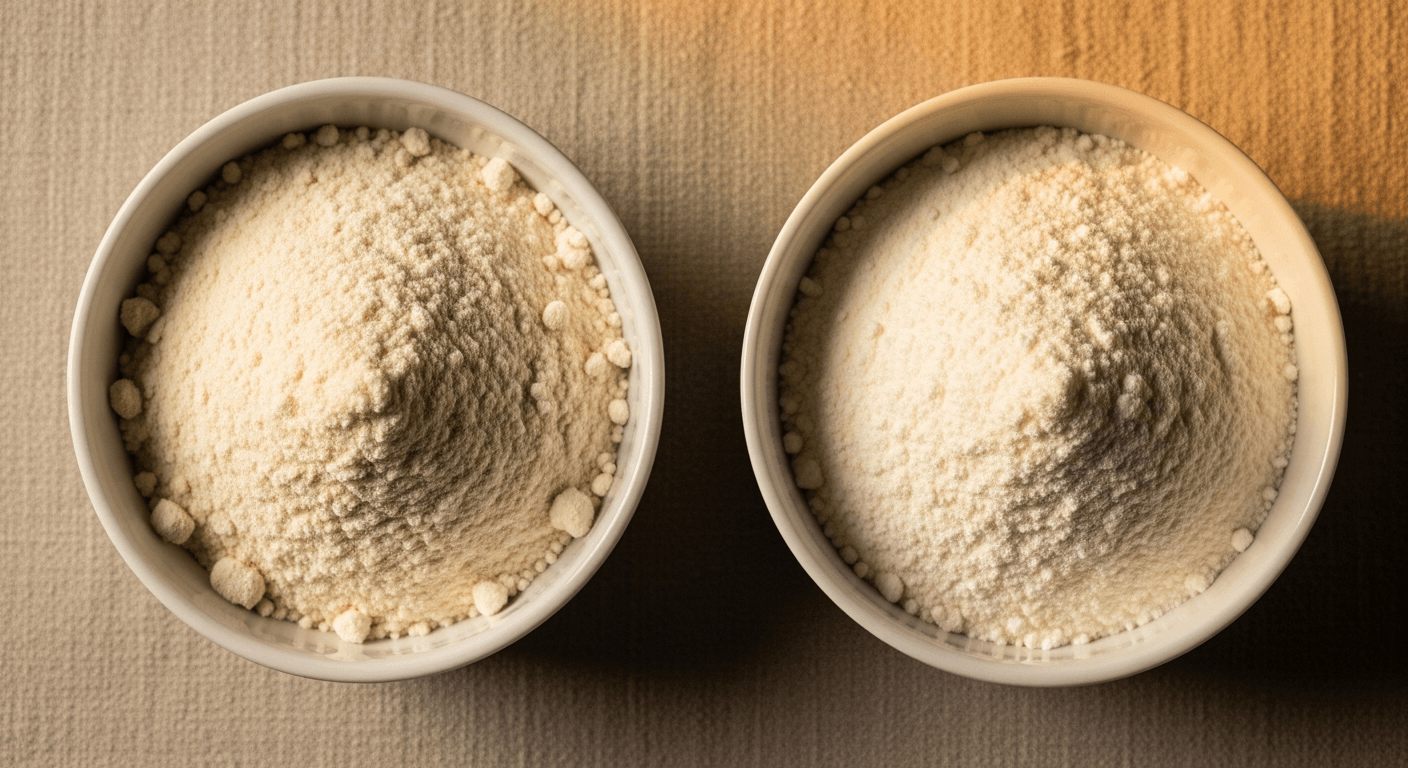
The whey protein market is bigger than ever, and that means more options on the shelf and more confusion at checkout. If you've been staring at two tubs wondering what actually separates concentrate from isolate, here's the straightforward answer you need to make a smart purchase.
Key Takeaways
- Whey concentrate contains 70-80% protein and retains more naturally occurring whey nutrients
- Whey isolate delivers 90%+ protein with nearly zero lactose, ideal for those with dairy sensitivity
- Your choice depends on budget, digestion, and goals — concentrate works for most lifters
What Whey Protein Actually Is
Whey is a byproduct of cheese production. When milk is curdled, the liquid that separates from the curds is whey. That liquid gets filtered, processed, and dried into the powder you scoop into your shaker every morning.
The difference between concentrate and isolate comes down to how extensively that liquid is processed. More filtration removes more fat, carbohydrates, and lactose. That single variable drives most of the practical differences between the two products you're comparing.
Whey Concentrate: The Basics
Whey concentrate typically contains between 70% and 80% protein by weight. The remaining percentage is made up of fats, carbohydrates, and lactose. Because the processing is less intensive, concentrate retains more of the naturally occurring growth factors and bioactive compounds found in milk.
That less aggressive processing also means a lower production cost, which gets passed directly to you. Concentrate is almost always the more affordable option per serving, sometimes by a significant margin.
Here's what a standard whey concentrate serving looks like:
- Protein per serving: 22–24g (from a 30g scoop)
- Fat: 2–5g
- Carbohydrates: 3–8g
- Lactose: Present in moderate amounts
- Price point: Generally lower
ILLUSTRATION: comparison-table | Comparative nutritional profiles (protein, lactose, price, digestibility)
Whey Isolate: The Basics
Whey isolate goes through additional filtration steps. Ion exchange or cross-flow microfiltration strips out most of the fat and lactose, pushing protein content to 90% or higher by weight. You're getting a leaner, more concentrated dose of protein per scoop.
That extra processing costs more to produce, and manufacturers price accordingly. You'll typically pay 20% to 40% more per kilogram for isolate compared to concentrate from the same brand.
Here's what a standard whey isolate serving looks like:
- Protein per serving: 25–27g (from a 30g scoop)
- Fat: 0–1g
- Carbohydrates: 0–2g
- Lactose: Minimal to none
- Price point: Generally higher
Does the Protein Quality Differ?
Both forms come from the same source and carry a complete amino acid profile. That means both contain all nine essential amino acids, including leucine, the amino acid most directly tied to triggering muscle protein synthesis.
Leucine content is comparable between the two forms. Research consistently shows that a dose of around 3g of leucine per serving is enough to maximally stimulate muscle protein synthesis. Both concentrate and isolate can hit that threshold at standard serving sizes.
If you're evaluating purely on muscle-building potential, the difference between the two is minimal. The digestion rate of isolate is slightly faster due to lower fat and carbohydrate content, but studies comparing muscle recovery outcomes between the two types show no meaningful advantage for isolate in real-world training conditions.
Lactose Intolerance and Digestive Sensitivity
ILLUSTRATION: tip-box | How to choose based on your profile and goals
This is where isolate earns its premium price for a specific group of people. If you're lactose intolerant or experience bloating, gas, or discomfort after standard dairy products, concentrate may be the culprit. The residual lactose in concentrate is enough to trigger symptoms in sensitive individuals.
Whey isolate, with lactose reduced to negligible levels, is typically well-tolerated by people with lactose sensitivity. According to some estimates, around 68% of the global population has some degree of lactose malabsorption. For a large portion of buyers, this distinction is genuinely relevant.
If you've ever written off whey protein because it "didn't agree with you," it's worth trying isolate before abandoning the category entirely.
Caloric and Macronutrient Considerations
The extra fat and carbohydrates in concentrate aren't necessarily a problem. For most people in a moderate caloric surplus or maintenance phase, those additional grams are inconsequential. You're not going to gain body fat because your protein powder has 4g of carbohydrates per scoop.
That said, if you're in a strict cut, tracking macros precisely, or trying to hit a very low daily carbohydrate target, isolate gives you more control. Every gram matters when your margin is tight, and isolate lets you get more protein into your budget without the attached macronutrients.
Who Should Buy Whey Concentrate
Concentrate is the right call for most people most of the time. Here's the profile that fits it best:
ILLUSTRATION: stat-card | Protein content by product type
- You don't have lactose intolerance or significant digestive sensitivity
- You're in a muscle-building or maintenance phase with a flexible macro target
- You want maximum protein per dollar spent
- You're new to supplementation and building baseline habits
Concentrate is not a lesser product. It's a cost-effective, nutritionally complete option that works well for the majority of people training consistently.
Who Should Buy Whey Isolate
Isolate makes the most sense in specific circumstances. Here's when it's the smarter pick:
- You're lactose intolerant or have a history of digestive issues with dairy-based supplements
- You're in a caloric deficit and need to manage fat and carbohydrate intake carefully
- You prioritize post-workout speed of absorption and train in a fasted state
- Your budget allows for the premium and you prefer a cleaner nutritional label
Isolate isn't necessary for most recreational athletes. But for the right person, it solves real problems that concentrate doesn't.
How to Read a Label Before You Buy
Don't rely on the front of the tub. Brands use terms like "isolate blend" or "whey protein matrix" that can be misleading. Flip to the nutrition facts and ingredient list. If whey isolate is listed first in the ingredients, it's the primary source. If concentrate appears first and isolate is a minor addition, you're essentially buying a concentrate product at an isolate price.
Also check the protein percentage per serving. Divide grams of protein by total serving weight in grams and multiply by 100. A true isolate should come in at 85% or higher. Anything below 80% from a product marketed as isolate is a red flag worth investigating before you commit to a purchase.
For further guidance on evaluating supplement labels, the FDA's dietary supplement resource page is a reliable starting point.
The Bottom Line
Whey concentrate delivers solid protein quality at a lower cost and suits most people training for general fitness or muscle gain. Whey isolate is leaner, easier on the gut for those with lactose sensitivity, and worth the premium if those factors apply to you.
Know your body, know your budget, and read the label before you buy. That's how you stop overthinking the decision and start using your supplement to actually support your training.
Frequently Asked Questions
Is whey isolate better than concentrate for building muscle?
Not necessarily. At equal total daily protein intake, both forms produce comparable muscle gains. Isolate simply offers more protein per serving and less lactose.
Does whey concentrate cause more weight gain?
No. Concentrate has slightly more fat and carbs per serving, but the caloric difference is minimal (10-20 kcal). Your total daily caloric balance determines weight change, not the whey type.
Can you mix concentrate and isolate?
Yes, that's a perfectly valid approach. Some manufacturers sell whey blends combining the advantages of both at a mid-range price.