
Most winter training nutrition advice circles the same two topics: eat a bit more to fuel cold-weather output, and time your carbs around sessions. That advice isn't wrong. But it leaves four specific micronutrient gaps completely unaddressed. Those gaps accumulate quietly across a winter base phase and surface as fatigue, cramping, disrupted sleep, and stalled performance right when spring racing season starts.
Here's what's actually falling through the cracks, and what to do about it.
1. Vitamin D: The Synthesis Window Closes for Most Athletes
If you train north of the 35th parallel latitude (which includes all of the UK, Canada, and most of the continental US), your skin produces virtually no vitamin D from sunlight between November and March. The solar angle is too low. UV-B radiation doesn't penetrate the atmosphere at a sufficient intensity, regardless of how much time you spend outdoors.
This isn't a marginal concern. Research consistently shows that 40 to 60 percent of athletes tested during winter months are vitamin D insufficient, with serum levels below 30 ng/mL. That range is associated with reduced muscle protein synthesis, impaired immune function, and slower neuromuscular recovery. For endurance athletes running high training loads, those effects compound.
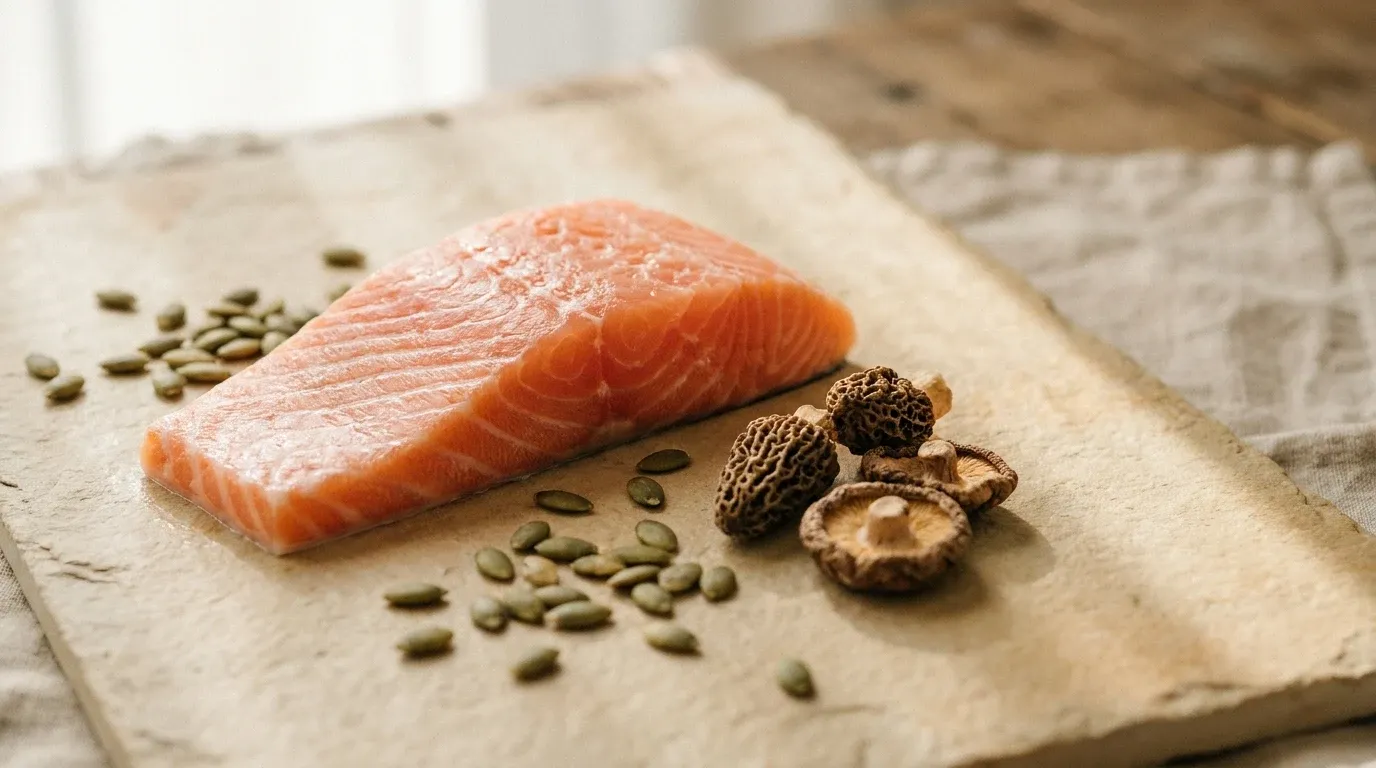
Food sources help but can't close the gap alone. Fatty fish (salmon, mackerel, sardines) and egg yolks contain meaningful amounts, but the quantities needed to reach optimal levels through diet alone are unrealistic for most people. Fortified dairy and plant milks contribute modest amounts.
Supplementation becomes non-optional for most athletes above that latitude. A daily dose of 2,000 to 4,000 IU of D3 (cholecalciferol, not D2) is widely recommended for athletes during winter months, ideally taken with a fat-containing meal to maximize absorption. If you haven't had your 25-hydroxyvitamin D levels tested recently, winter is exactly the right time to do it. Many primary care providers will run the panel as part of a standard annual blood workup.
2. Sweat Losses Indoors: The Magnesium and Sodium Problem You're Not Tracking
Indoor training in winter creates a specific sweat dynamic that most athletes underestimate. Without the cooling effect of cold air, core temperature rises faster during indoor sessions on treadmills, trainers, or in heated gyms. Sweat rate increases, but athletes typically don't consume as much fluid as they would outdoors. The result is a consistent, session-by-session deficit in both sodium and magnesium.
Sodium loss is well understood in endurance contexts. What gets less attention is magnesium. Sweat contains measurable magnesium concentrations, and losses increase proportionally with sweat volume. Magnesium depletion doesn't manifest immediately. It accumulates over weeks of undertreated losses and shows up as muscle cramping, disrupted sleep architecture, elevated resting heart rate, and increased perceived exertion at submaximal intensities.
Many athletes reach for a magnesium supplement without thinking carefully about the form. Magnesium oxide is cheap and widely available but poorly absorbed. Magnesium glycinate and magnesium malate are significantly better absorbed and cause fewer gastrointestinal issues. A dose of 300 to 400 mg taken in the evening has solid evidence supporting improved sleep quality, which matters significantly during heavy winter training blocks. For more on how sleep quality interacts with recovery, good sleep protects your brain and body in ways that extend well beyond feeling rested.
On the sodium side, don't rely on thirst or post-session fatigue to tell you when you're behind. If your indoor sessions run longer than 60 to 75 minutes, electrolyte replacement during the session, not just after, should be standard practice.
3. Cold-Weather Dehydration: The Thirst Signal You Can't Trust
Cold air suppresses thirst. This is well-documented in exercise physiology research. Studies show that thirst sensation in cold environments can drop by up to 40 percent compared to equivalent exertion in temperate conditions. Cold air also causes increased respiratory water loss, since you're exhaling warmed, humidified air with every breath. And cold diuresis, a physiological response where the kidneys excrete more fluid as the body tries to maintain core temperature, adds another layer of fluid loss that you won't feel.
The practical result is that athletes training outdoors in winter arrive home meaningfully dehydrated after sessions that felt manageable. Urine color remains a reliable field marker: pale yellow is the target. Dark yellow after a training session that didn't feel especially hard is a clear signal that fluid intake is falling short.
Hydration strategy in winter needs to be intentional rather than reactive. Build a pre-session fluid routine. Drink 16 to 20 ounces of water or a dilute electrolyte drink in the 60 to 90 minutes before training, regardless of whether you feel thirsty. For sessions longer than an hour in cold conditions, set a drinking reminder or use a hydration schedule rather than relying on thirst cues.
Warm fluids also help here. Broths, warm electrolyte drinks, and soups make hydration more appealing when cold air suppresses the desire to drink. If you're looking for ways to integrate hydration and recovery nutrition into the same habit, turning soup into a real recovery meal is a practical and underused strategy for winter athletes.
4. Iron: The Quiet Decline During Base Phase
Iron status is one of the most consequential and least frequently monitored variables in endurance athlete nutrition. Winter base phases, characterized by high mileage, frequent long sessions, and heavy carbohydrate loading, create conditions that consistently erode iron stores through two mechanisms.
The first is foot-strike hemolysis. Repetitive impact, particularly on hard indoor surfaces like treadmill belts or gym floors, destroys red blood cells in the capillaries of the feet. At high training volumes, the cumulative effect on red blood cell turnover is significant, increasing the iron demand needed to replenish hemoglobin.
The second is absorption suppression. High-carbohydrate diets, particularly those heavy in ultra-processed grains and fortified foods, can interfere with non-heme iron absorption through several pathways, including phytate competition in the gut. At the same time, hepcidin, a hormone that regulates iron absorption and is elevated by inflammation (including the low-grade inflammation that accompanies high training loads), further suppresses uptake at the intestinal level.
The result is that athletes who are eating enough total calories and hitting their carbohydrate targets can still be moving toward iron deficiency without feeling dramatically different until their ferritin drops low enough to impair aerobic capacity. Fatigue that doesn't resolve with rest, elevated resting heart rate, and performance plateaus that don't match training load are common presentations.
Practical fixes include prioritizing iron-rich meals three to four times per week: red meat, dark poultry, lentils, tofu, and spinach. Pairing non-heme iron sources with vitamin C significantly improves absorption. Avoid consuming coffee, tea, or calcium-rich foods in the same meal window as iron-rich foods, as these compounds compete for absorption. For athletes following structured nutrition plans during base training, adjusting your nutrition approach for the winter base phase addresses these iron considerations directly within a broader periodized framework.
Your Winter Nutrition Audit Checklist
Use this checklist to identify where your winter gaps are most likely to be. It doesn't require a nutritionist or an expensive blood panel to start (though the blood tests are worth getting where accessible).
- Vitamin D3: Are you supplementing with 2,000 to 4,000 IU daily, taken with a fat-containing meal? If you train north of 35 degrees latitude and haven't tested your serum levels this season, schedule the test.
- Magnesium glycinate: Are you taking 300 to 400 mg in the evening? Are you experiencing night cramps, poor sleep quality, or unusual muscle fatigue? These are the first signals of depletion.
- Electrolyte tracking: Are you replacing sodium during indoor sessions over 60 minutes? Are you drinking 16 to 20 ounces before cold outdoor sessions regardless of thirst? Is your post-session urine pale yellow?
- Iron-rich meal frequency: Are you eating a meaningful iron source (red meat, legumes, dark leafy greens) three to four times per week? Are you pairing non-heme sources with vitamin C? Have you had your ferritin checked this training season?
None of these interventions are complicated or expensive. A quality D3 supplement, a well-absorbed magnesium product, and basic electrolyte tracking cost a combined $30 to $50 per month at most. Getting a ferritin test done through your regular provider, or via a direct-to-consumer lab service, runs $25 to $60 depending on your location and coverage.
The challenge isn't access. It's attention. These four gaps don't announce themselves loudly. They erode performance gradually enough that most athletes attribute the decline to training load, life stress, or poor sleep, without tracing it back to the nutritional shortfall driving all three.
If you want a broader picture of how modern recovery science approaches winter training loads, what modern performance science says about recovery covers the evidence base athletes are increasingly building their off-season programs around.
Fix the gaps first. The more elaborate performance strategies work better when the foundations aren't missing.