
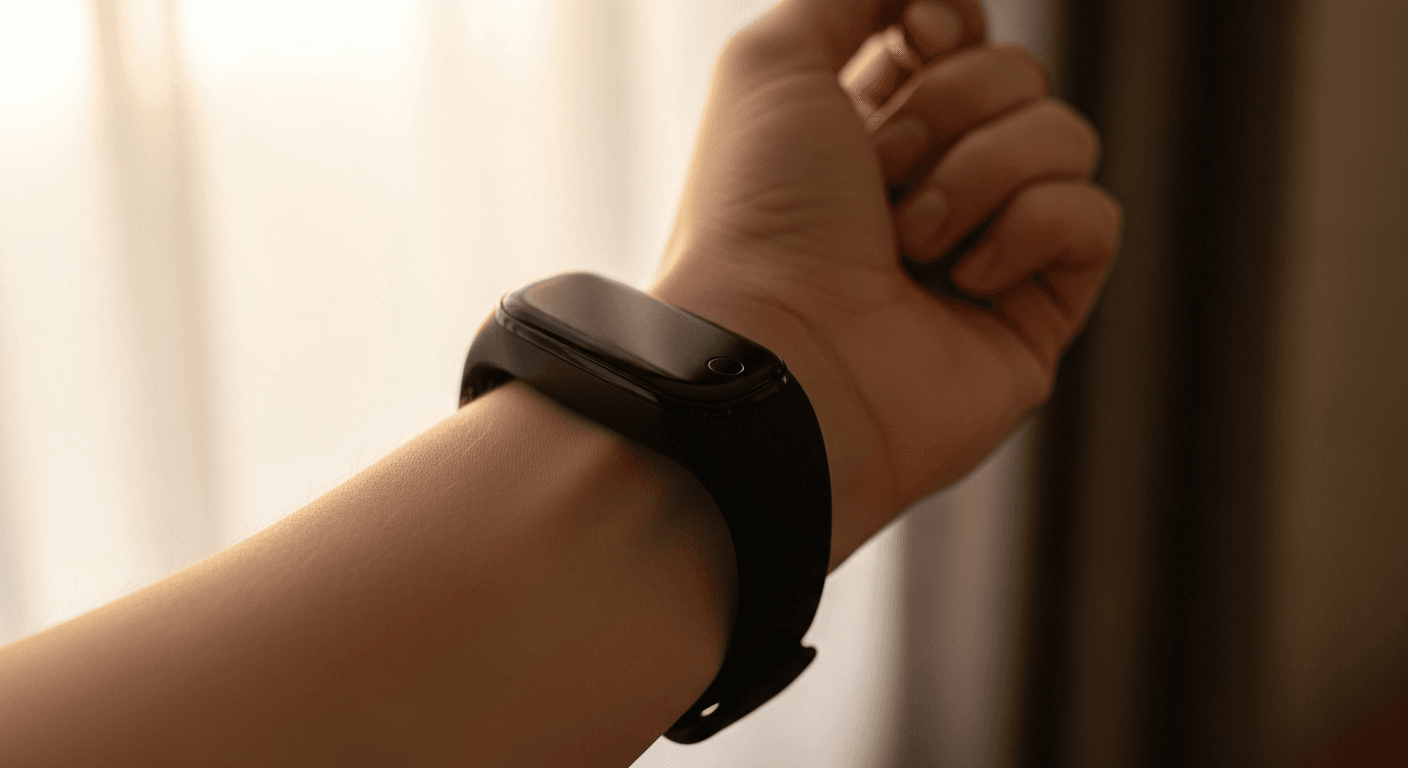
A Strong Signal for the Entire Fitness Ecosystem
On April 8, 2026, WHOOP announced the close of a $575M Series G funding round, bringing its valuation to $10.1 billion. To put that in perspective: WHOOP isn't an apparel company, not a gym chain, not a traditional equipment manufacturer. It's a company that sells recovery data through a monthly subscription.
This funding isn't just good news for WHOOP. It's a strong signal for the entire fitness sector: personal health and performance data has become a market in its own right, validated by institutional investors at the billion-dollar level.
The Model That Changed Everything: Free Hardware, Paid Data
When WHOOP launched its "free hardware, mandatory subscription" model in 2019, a lot of analysts were skeptical. Giving away the band and charging $30/month for data access, that was a radical inversion of the dominant wearable model.
Seven years later, the model is validated. WHOOP has over 3 million active subscribers. And its "serious, data-driven, not for beginners" positioning differentiated it from Apple Watch and Fitbit in ways no marketing campaign could have bought.
What WHOOP understood before everyone else is that the most engaged users don't want a lifestyle accessory. They want answers to specific questions: am I recovered this morning? Can I train hard today? How many hours of sleep do I need to perform tomorrow? Heart rate variability (HRV) and WHOOP's recovery score gave concrete answers to those questions.
What This Changes for Coaches and Brands
For personal trainers, the rise of wearables like WHOOP creates a real opportunity. More and more clients show up to sessions with their recovery data. Knowing how to read an HRV score, understanding what it means for training programming, adapting intensity based on objective data, that's becoming a differentiating skill.
Coaches who integrate this data into their work offer a level of personalization that "classic" coaching can't match. "Your recovery score is 42 this morning, let's adapt today's program so we don't break your progression." No coach working on instinct can say that line with as much credibility.
The Consolidation of the Market Around Data
WHOOP's $10B valuation confirms a structural trend: the fitness wearable market is consolidating around a few players who've successfully built recurring, loyalty-generating data models. Apple Watch, Garmin, Polar, Oura, WHOOP, each has its positioning, its target audience, its business model.
For fitness brands that haven't yet integrated data into their value proposition, the message is clear: this train is leaving the station. Fitness consumers in 2026 don't just want content or equipment. They want insights about their body, their recovery, their progression.
WHOOP raised $575M to accelerate. The question every brand in the sector needs to ask itself is: what are we building to be part of this conversation in three years?