
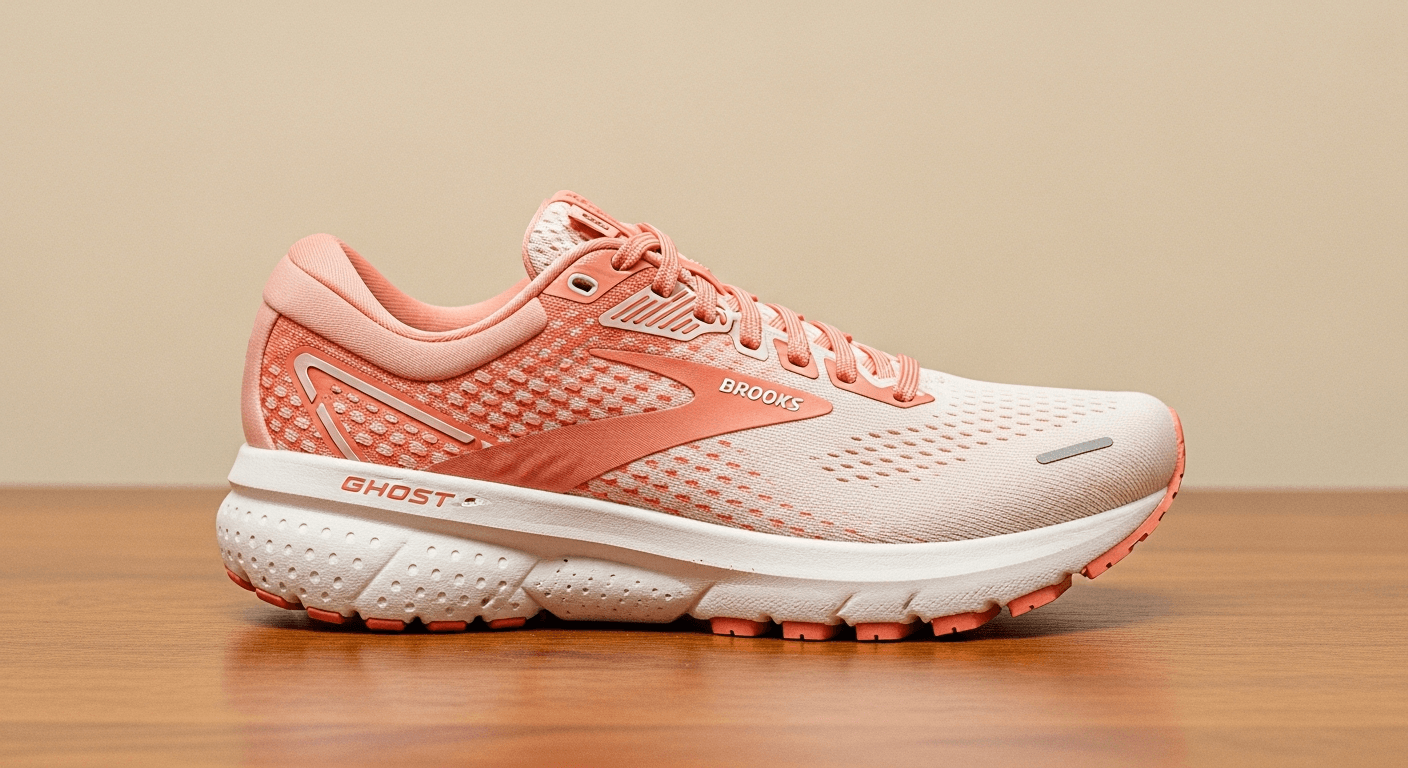
Brooks Running has been quietly doing something that most footwear brands consider commercially reckless: ignoring fashion entirely. No celebrity collabs. No lifestyle pivots. No chunky retro silhouettes targeting people who'll never run a step. Just running shoes, built for people who actually run. And in early 2026, that stubbornness paid off in a way even Brooks' most loyal fans probably didn't see coming.
The Seattle-based brand posted its strongest financial quarter in its entire history, outpacing analyst expectations in what remains one of the most fiercely competitive segments of the athletic footwear market. The numbers signal something bigger than one brand's good quarter. They suggest the running shoe market is going through a structural shift, and the brands closest to actual runners are the ones winning it.
What the Numbers Actually Mean
Brooks is owned by Berkshire Hathaway, which gives it an unusual degree of financial insulation from the short-term pressures that push other brands toward trend-chasing. That patience appears to be compounding now. The record quarter reflects sustained revenue growth across its performance running line, with particularly strong sell-through at run-specialty retailers, the independent running stores that outfit serious runners rather than casual sneaker shoppers.
Run-specialty is a notoriously demanding channel. Store staff are runners themselves. They assess gait, ask about your training volume, and push back if a shoe isn't right for you. Brands that can't hold their own in that environment don't last. Brooks has not only survived it, it's built an entire identity around it.
The timing matters, too. Other major players in the performance running space have faced headwinds. Nike has been navigating a widely publicized strategic restructuring. Adidas has leaned hard into lifestyle categories. Meanwhile, pure-play running brands like Brooks, Saucony, and HOKA have been absorbing market share that's been quietly vacating the top of the traditional hierarchy.
Running Participation Is Booming. Brooks Bet on That Early.
Global road and trail running participation has grown steadily since 2020, and that growth hasn't reversed. Race registrations at major events continue to sell out faster than ever. The London Marathon ballot regularly receives more than 800,000 entries for roughly 50,000 spots. Parkrun logs tens of millions of participants globally every year. Half marathon fields across the US, UK, Australia, and Canada have expanded consistently.
That expanding base of runners isn't buying fashion sneakers. They're buying shoes they plan to put 500 miles on, shoes that'll carry them through a 16-week training block without destroying their knees. Brooks has been building exactly that product for decades. The market finally caught up to where the brand already was.
The trail running side of the picture is especially relevant here. Participation in trail and ultramarathon events has exploded globally, with events like the Cocodona 250 drawing competitors from across the world and putting serious demands on footwear performance. When athletes at that level are testing gear, the trickle-down to everyday runners is real and it's fast.
The Run-Specialty Strategy That Everyone Else Abandoned
In the late 2010s, a wave of brands tried to escape the run-specialty channel. The margins look thinner than mass retail. The feedback is brutal. The shelf space is limited. Several brands cut their run-specialty investment to focus on direct-to-consumer or big-box retail instead. Some paid for that decision with eroding brand credibility among serious runners.
Brooks doubled down. The brand maintained its relationships with independent running stores, invested in staff education, and kept its product line focused. You won't find Brooks trying to sell you a lifestyle sneaker. That discipline is rare in a category where the temptation to chase broader audiences is constant.
The result is a remarkably coherent brand identity. When you walk into a running store and ask what shoe a certified run coach or a 40-miles-per-week runner trusts, Brooks comes up in the conversation almost every time. That kind of word-of-mouth in a community as tightly networked as the running world is worth more than most paid marketing campaigns.
What's Driving the Performance Footwear Surge More Broadly
It's not just Brooks. The broader performance running footwear category has expanded sharply, driven by several converging forces.
- Carbon-plate technology democratization: Super shoes with carbon fiber plates have moved from elite-only to widely available, and runners at every level want access to the performance benefits. Brooks' carbon-plate offerings, including the Hyperion Elite line, have brought that technology into its own ecosystem.
- Health-driven running uptake: A growing segment of first-time runners isn't coming from sports backgrounds. They're coming from general health motivation, and they're more likely to invest in proper footwear because they've done the research. Cheap shoes are a false economy when you're covering 20 miles a week.
- Community and social running: Run clubs have proliferated in cities across the US, UK, Australia, and Canada at a rate that would have seemed absurd ten years ago. Gear choices spread socially within those communities. Being seen in the right shoes at a Wednesday night group run matters in ways that are commercially real.
- Nutrition and performance culture: The broader wellness culture surrounding running has elevated runner self-investment generally. Runners who are tracking their protein intake, optimizing their sleep, and following structured training plans are also the runners spending $160 on the right shoe rather than $70 on the wrong one.
What This Means If You're Buying Running Shoes Right Now
Brooks' record quarter tells you something practically useful if you're in the market for a new pair. The brand's run-specialty dominance means its products are being pressure-tested by a demanding, knowledgeable retail channel. When a shoe survives that environment and still drives record revenue, it's not because of advertising spend. It's because the product works.
The Ghost line remains one of the best-selling neutral trainers on the market, and for good reason. It's consistent, durable, and reliable across a wide range of runner profiles. The Adrenaline GTS is similarly trusted in the stability category. If you've been on the fence about trying Brooks and you've been seeing it recommended more frequently, that's not a coincidence. It reflects real market signal.
Pricing sits in the $130 to $180 range for most of Brooks' core performance models, which puts it competitive with similar offerings from HOKA, New Balance, and Saucony. You're not paying a premium for branding. You're paying for a shoe that's been validated in the most demanding retail environment in footwear.
If you're building a serious training block, especially heading into fall marathon season, pairing the right shoe with a smart training structure matters more than most runners realize. The summer heat training window is one of the most underused tools for improving fall race performance, and it starts with gear you can actually trust through high-volume weeks.
The Bigger Picture for Running as a Category
Brooks' record quarter doesn't exist in isolation. It's part of a broader story about what running has become culturally and commercially. The sport has shed its niche reputation. It's mainstream, aspirational, and increasingly global.
Events like the three sub-2 marathon performances at London 2026 sent a jolt of inspiration through the global running community that will translate into new runners, new training ambitions, and new footwear purchases for years. When the sport's ceiling gets raised at the elite level, participation at every level tends to follow.
Major race organization changes, like the Paris Marathon's departure from ASO, also reflect how much institutional and commercial energy is flowing into the sport right now. Running is being fought over at every level, from race organization to footwear shelf space to digital media.
Brooks has positioned itself on the right side of that fight by refusing to be anything other than a running brand. That sounds simple. In practice, it's one of the hardest strategic commitments a consumer brand can maintain when the commercial incentives to diversify are constant and loud.
The record quarter is the market confirming that the strategy was right. For runners, it means the brand you've trusted or considered trusting is healthy, focused, and not going anywhere. That's worth knowing when you're deciding what goes on your feet for the next few thousand miles.