
Not long ago, the most admired person in any gym was the one who trained the hardest and rested the least. Soreness was a badge of honor. Sleep was negotiable. Recovery was what you did when you were injured, not when you were serious. That culture is shifting fast, and the shift is telling us something important about where fitness is actually headed.
In 2026, recovery has moved from the margins to the center of how committed exercisers define themselves. Cold plunges, infrared saunas, mobility sessions, HRV tracking, deload weeks. these aren't fringe habits anymore. They're the new markers of someone who takes their body seriously. Understanding why that change happened, and separating the substance from the spectacle, matters if you want a recovery practice that actually works.
Why Recovery Became a Status Marker
The cultural shift reflects something real. A generation of exercisers who pushed hard in their twenties and early thirties are now dealing with the consequences: chronic injuries, burnout, plateaus that no amount of extra training seems to fix. The lesson, learned the hard way by enough people, is that adaptation doesn't happen during the workout. It happens after it.
This has changed what "committed" looks like. The person who leaves the gym at a reasonable hour, tracks their sleep, and schedules a deload week every month isn't slacking. They're operating with a longer time horizon than the person grinding through a sixth consecutive hard session on four hours of sleep. The goal has shifted from short-term intensity to long-term performance and injury prevention, and recovery is the clearest signal of that shift.
Social media has amplified the trend, as it amplifies everything. Ice bath videos, sauna selfies, and elaborate morning mobility routines fill fitness feeds. That visibility has a genuine upside. It normalizes rest, reduces the stigma around recovery days, and introduces a lot of people to practices that do carry real evidence. It also creates an obvious risk, which we'll get to shortly.
What the Evidence Actually Supports
Not everything with a wellness halo deserves one. Here's what the research consistently backs when it comes to recovery.
Sleep is the single most powerful recovery tool available to you. Deep sleep is when growth hormone is released, muscle tissue is repaired, and the nervous system consolidates the adaptations from your training. Chronically sleeping under seven hours doesn't just make you feel worse. It measurably impairs strength output, reaction time, metabolic function, and injury risk. No supplement, no cold plunge, and no sauna session compensates for consistently poor sleep. If you want to optimize one thing, optimize that.
Understanding Is Your Nervous System Ready to Train? Here's How to Tell is closely connected to sleep quality. HRV, or heart rate variability, tracks how well your autonomic nervous system has recovered between sessions. When HRV trends down over multiple days, your body is telling you something that no training plan override should ignore.
Zone 2 training serves a recovery function that most people miss. Long, low-intensity aerobic work, where you can hold a full conversation without straining, improves mitochondrial density and metabolic efficiency. It also actively promotes recovery between harder sessions without adding meaningful stress to the system. Building Zone 2 into your weekly structure isn't just cardio filler. It's one of the most evidence-supported ways to increase your training capacity over time.
Structured deload weeks work. Taking one week every four to six weeks where volume or intensity drops significantly by 40 to 50 percent allows accumulated fatigue to dissipate and supercompensation to occur. Many athletes find their performance actually improves in the week following a deload, which is the clearest possible signal that the rest was doing something productive.
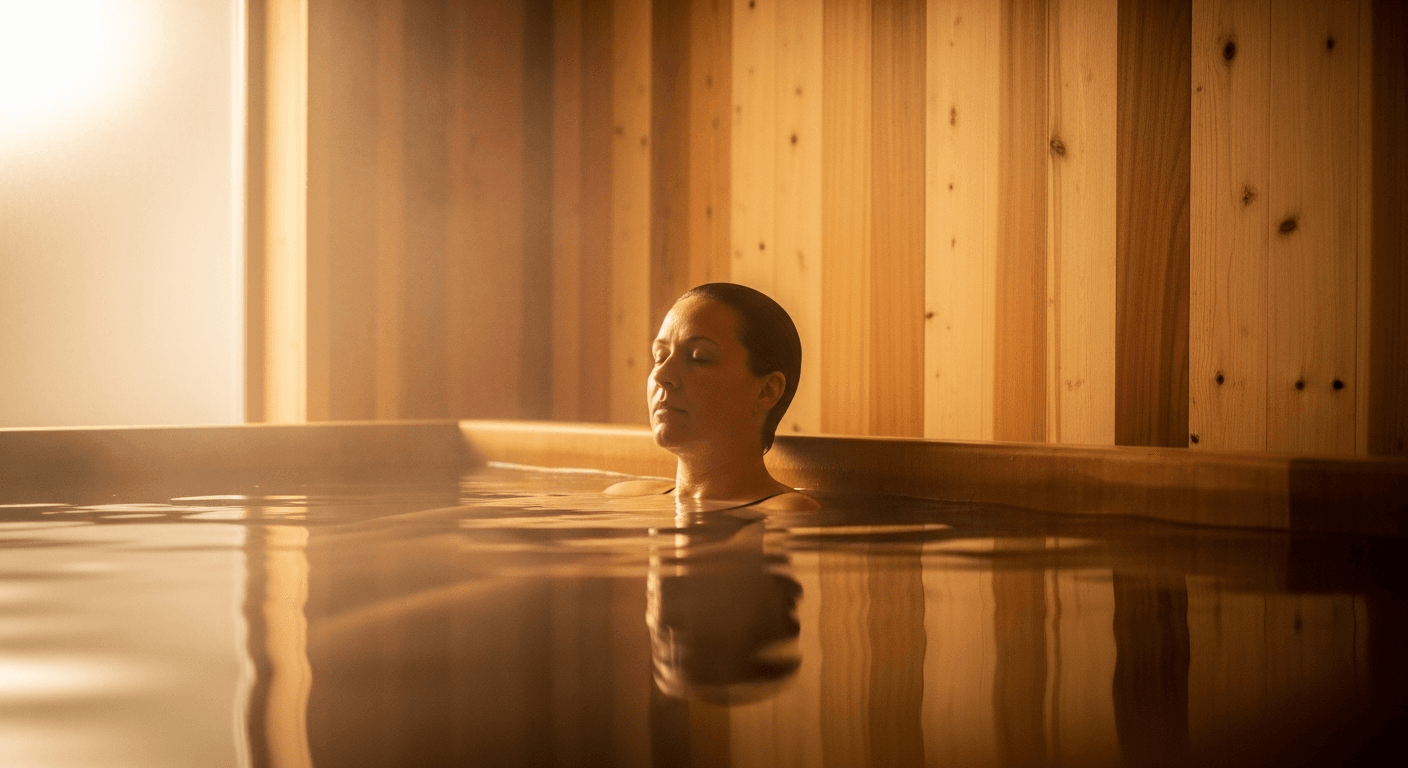
Heat and cold contrast protocols have legitimate support. Regular sauna use, particularly at temperatures above 176 degrees Fahrenheit for 15 to 20 minutes, is associated with improved cardiovascular health markers, reduced inflammation, and better sleep quality. Research on sauna frequency, duration, and temperature suggests that three to four sessions per week yield meaningful physiological benefits, not just a pleasant experience. Cold exposure, particularly cold water immersion after high-intensity training, reduces acute muscle soreness and may accelerate return to performance, though timing matters. Used immediately after strength training, cold immersion may blunt hypertrophy adaptations, so it's better reserved for endurance recovery contexts or non-strength training days.
Where the Science Pushes Back: The Collagen Story
Recovery culture's relationship with supplements deserves scrutiny, and one major study published in June 2026 delivered exactly that.
The largest collagen supplementation trial to date found that collagen peptides, one of the most heavily marketed recovery supplements on the market, showed little to no benefit for post-exercise muscle recovery, delayed onset muscle soreness, or tendon mechanics in active adults. Despite the widespread claim that collagen supplementation accelerates tissue repair and supports joint health, the data from this large-scale, well-controlled trial did not support those outcomes.
This matters because the collagen supplement market is enormous and growing, and the marketing around it is sophisticated. The gap between what's claimed and what the evidence supports is large enough to cost you real money without delivering real results. For context on how to evaluate supplement claims more broadly, the patterns around supplement contamination risks for athletes are equally worth understanding before spending money on anything sold as a performance or recovery aid.
Collagen isn't unique here. The recovery supplement category is full of products making claims that outpace their evidence base. Protein, by contrast, has robust support. Getting adequate protein consistently, including in the post-training window, does support muscle repair and adaptation. The science on protein for muscle building is among the most replicated in sports nutrition, which is exactly why it's worth distinguishing from supplements that ride its credibility without sharing its evidence.
The Risk of Recovery as Performance
Here's the part that's worth sitting with. Recovery can become another form of fitness consumption, a way to signal seriousness, spend money, and feel like you're optimizing, without actually recovering.
A $4,000 cold plunge tub in your garage does not make you recovered if you're sleeping five hours a night and training at high intensity seven days a week. A daily sauna session doesn't offset a training program structured around volume and intensity that your body hasn't adapted to. Mobility work done quickly before a workout, more as a ritual than a genuine preparation, doesn't constitute recovery. Spending $150 a month on collagen powder that large-scale trials now suggest doesn't work is not recovery. It's consumption with a wellness narrative attached to it.
The question to ask yourself honestly is whether your recovery practices are making you more capable of training well over time, or whether they're making you feel like you're doing the right things without actually changing the inputs that matter. Sleep hours. Training load relative to your current capacity. Nutrition quality and adequacy. Stress management outside the gym. These are less photogenic than an ice bath, but they're where the real adaptation lives.
Recovery culture also tends to flourish alongside anxiety about performance and health, and it's worth noting that relationship can run in both directions. The evidence on exercise and anxiety is clear that movement itself is therapeutic. But building elaborate recovery rituals as a response to performance anxiety, rather than as a genuine physiological practice, can entrench the anxiety rather than resolve it.
Building a Recovery Practice That Actually Works
If you want recovery to be genuinely restorative rather than performative, the framework is simpler than the wellness industry wants it to be.
- Prioritize sleep above everything else. Seven to nine hours, consistent schedule, a cool and dark environment. This isn't glamorous, but it outperforms every other recovery intervention in the literature.
- Build Zone 2 training into your weekly program. Two to three sessions of 30 to 60 minutes at a conversational pace does more for long-term capacity than almost any passive recovery tool.
- Plan deload weeks proactively, not reactively. Don't wait until you're exhausted or injured. Schedule them as part of your program structure from the start.
- Use heat and cold as supplements to the above, not replacements for them. If you enjoy sauna, use it consistently and let the cardiovascular benefits accumulate. If you're managing soreness from endurance training, cold immersion on non-strength days has real support.
- Spend your supplement budget skeptically. Protein from food or a quality protein supplement with transparent labeling has the strongest evidence base. Most of what sits alongside it on the shelf does not.
- Track recovery signals, not just training metrics. HRV, resting heart rate, sleep quality, and how you feel in warm-up sets tell you more about your actual readiness than your training schedule does.
Recovery being taken seriously is genuinely good news for long-term health and athletic longevity. The risk isn't that people care about recovery. The risk is that caring becomes consuming, and consuming replaces doing the unglamorous things that actually work. You don't need to perform recovery. You need to practice it.