
Your team's health is your best investment
Corporate wellness guides, data, and programs for companies integrating fitness into their culture. Reduce absenteeism and boost team performance.
Latest articles (205)

Ergonomics Is Moving Up the Corporate Agenda in 2026
New September 2026 data shows corporate ergonomics spending is accelerating. Here's why HR leaders must treat it as risk mitigation, not a perk.

Sit-Stand Desks: What 2026 Research Actually Shows
Two studies from September 2026 show sit-stand desks drive stronger behavioral change than any comparable intervention. Here's what the evidence actually means for your workplace.

Burnout Costs 15-20% of Payroll. Here's the HR Fix
Burnout now costs 15-20% of annual payroll in voluntary turnover. Here's the data and the five HR levers that measurably reduce it.

Ergonomic Interventions: The Productivity ROI Case
Two 2026 studies confirm ergonomic interventions boost productivity and well-being, giving HR leaders the data to justify workspace investment as ROI, not just compliance.
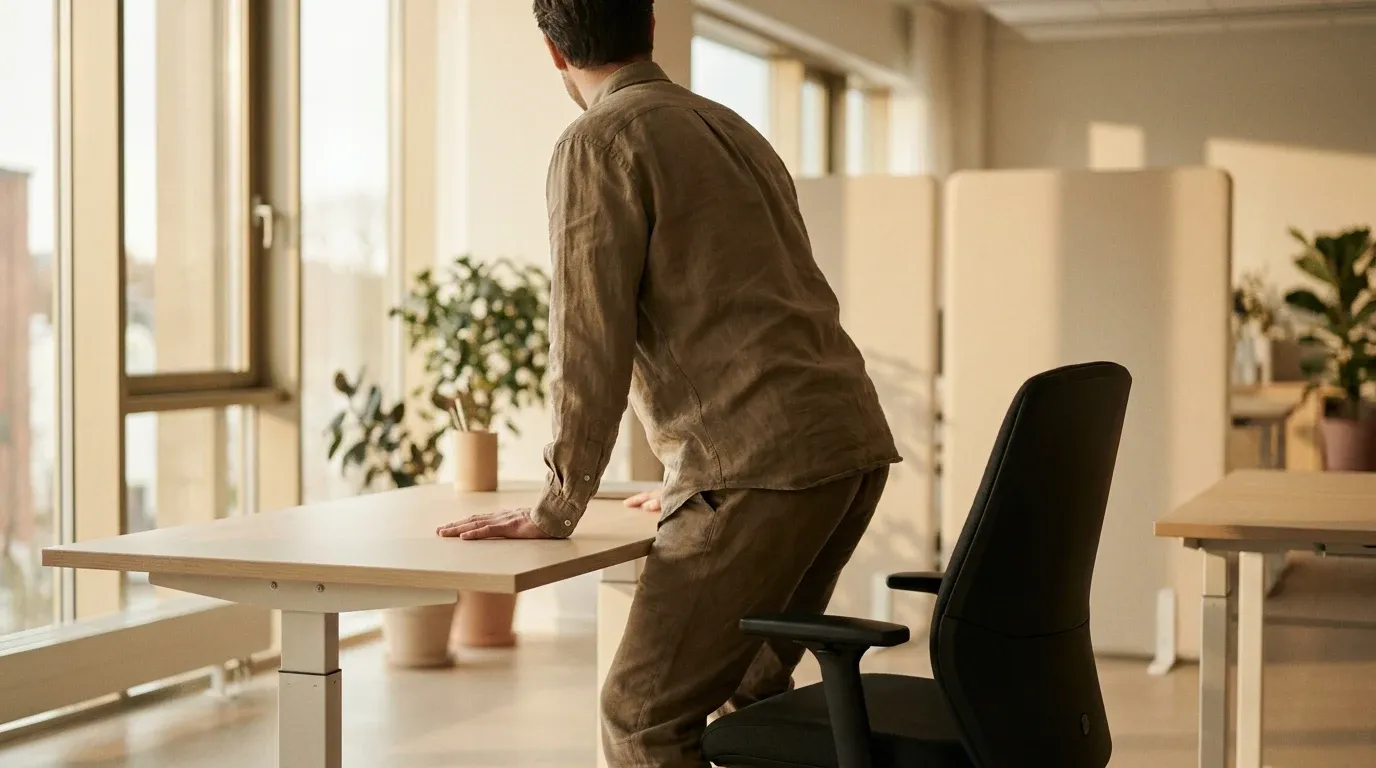
Desk Workers Sit 76% of the Day: What to Do
New 2026 ergonomics research finds desk workers sit 76% of their day. Here's the zero-cost movement protocol that actually fixes it.

55% of Workers Report Burnout: The HR Playbook for 2026
55% of U.S. workers report burnout in 2026, yet only 27% trust their employer's commitment. Here's the evidence-based HR action plan that goes beyond performative wellness.

Burnout Signals Start Outside Work, New Research Finds
New peer-reviewed research from WellBalance finds that sleep, social connection, and exercise decline predict burnout weeks before work stress becomes visible.

WFH Gives You More Sleep But Kills Your Step Count
Remote days give hybrid workers 15 more minutes of sleep but strip nearly 60 minutes of daily movement. Here's what the research means for you and your workplace.

61% of Workers Are Languishing: The HR Action Plan
61% of US workers are languishing in 2026, unchanged from 2025. Here's the HR action plan that targets root causes, not symptoms.

Wellness at Work: 89% Perform Better When Health Is Prioritized
New data from 5,000+ workers shows 89% perform better with structured wellness. Here's why leading employers are rebuilding around it.
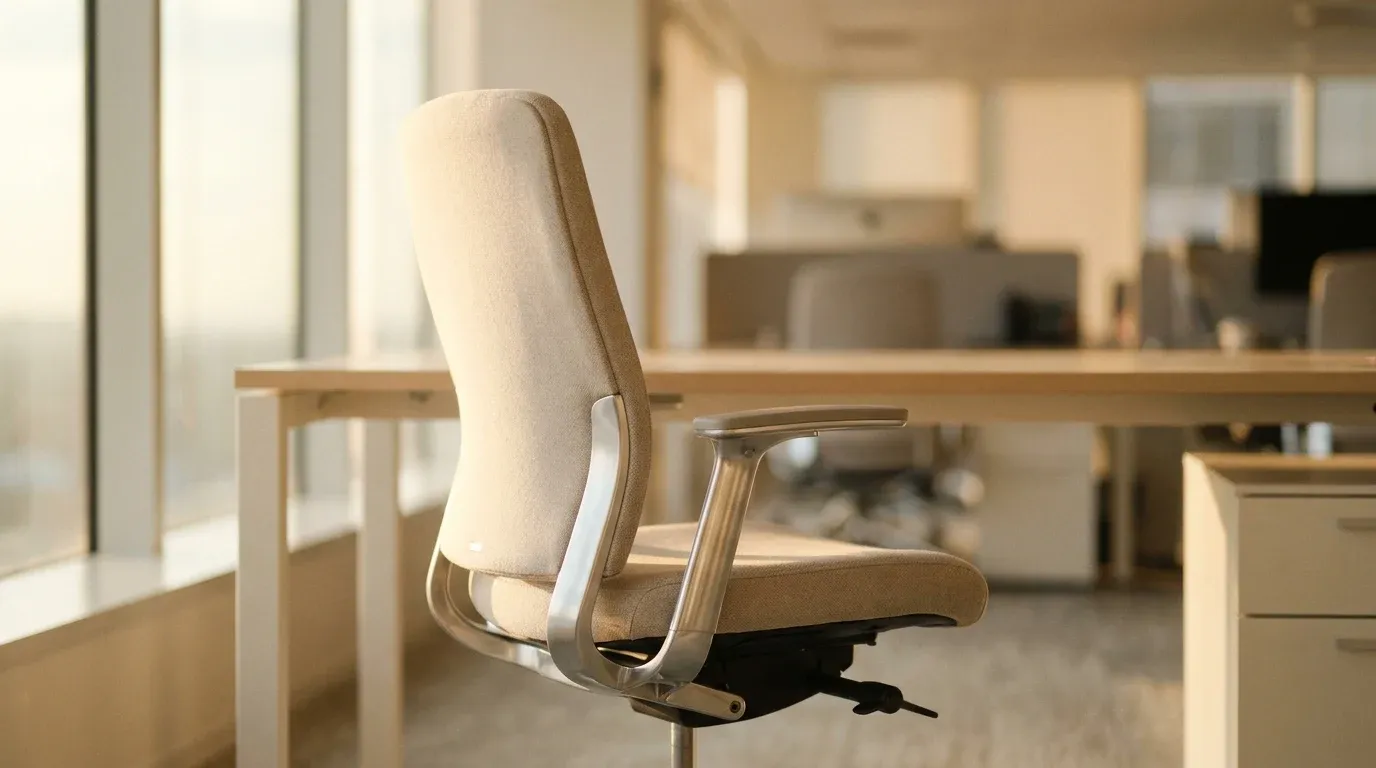
Chair Ergonomics: The Safety Audit Gap Costing You
A September 2026 occupational health report flags chair ergonomics as the top missed item in workplace safety audits, with direct costs in MSDs, absenteeism, and liability.

Desk Exercise: What the Science Actually Supports
Short movement breaks at work have real metabolic and cognitive benefits. Here's what the research actually supports and how to deploy it at scale.

Workplace Meditation: What the Science Actually Proves
A September 2026 meta-analysis confirms workplace meditation reduces stress and burnout, but finds low evidence certainty and zero cardiometabolic effect. Here's what HR leaders should actually expect.

Mindful Breathing at Work: The Burnout Tool HR Is Overlooking
New research shows mindful breathing reduces burnout's early physiological signals. Here's how HR can deploy it at zero cost inside existing workflows.
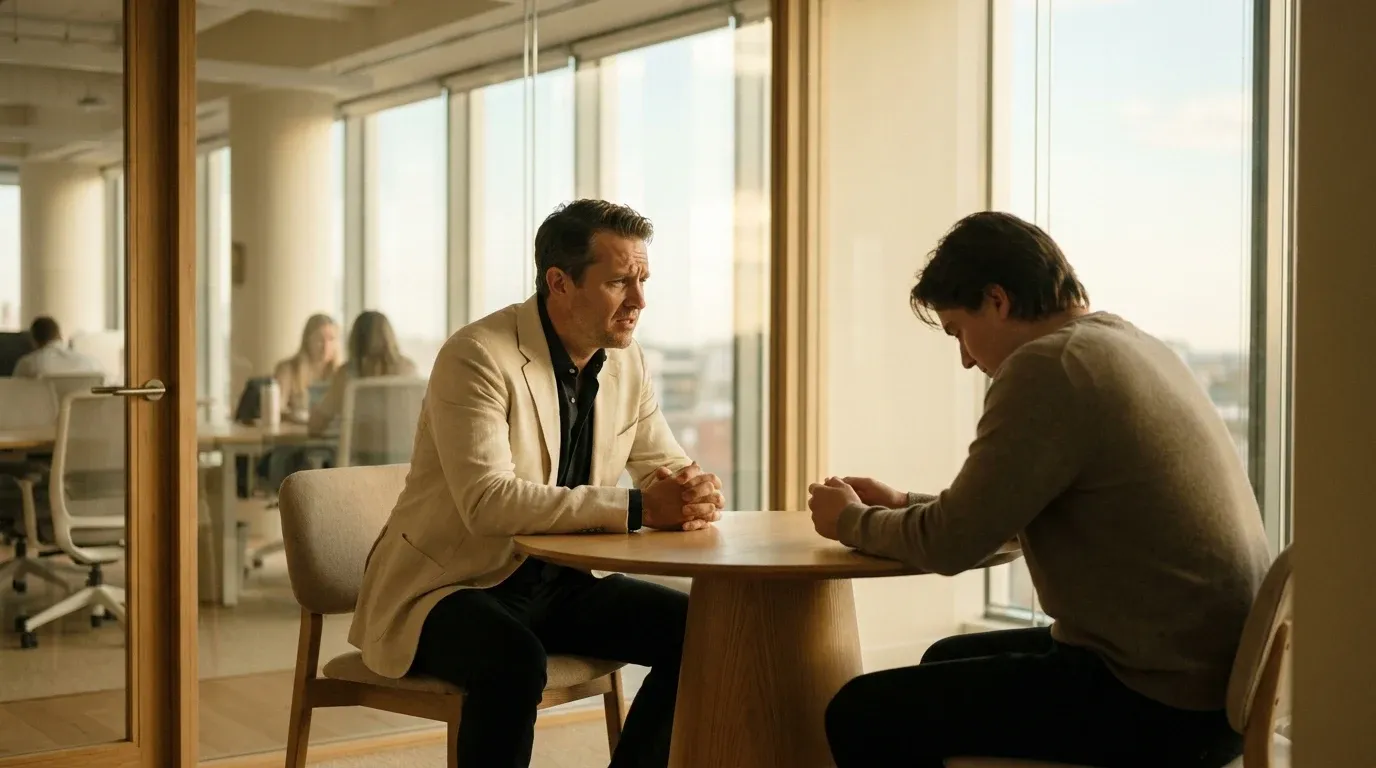
Managers Are Now the Frontline of Wellbeing. They're Unprepared.
Managers are now the primary frontline of employee wellbeing. Most aren't trained or resourced to do it. Here's why the gap keeps growing.

Sitting at Work Raises Cancer Risk: The Fix Is Simple
A landmark British Journal of Sports Medicine study finds each hour of uninterrupted sitting raises cancer mortality risk 9–10%. A 30-minute movement break cuts it by 12%.

Heavy AI Users Face 4.5x Higher Burnout Risk
A WebMD survey of 3,900 workers finds heavy AI users face 4.5x higher burnout risk as overall well-being hits a record low of 38.8% in 2026.

Gen Z Is Making Fitness a Non-Negotiable at Work
Gen Z treats fitness and mental health as baseline job requirements, not perks. Here's what the September 2026 research means for HR leaders and retention.

Low Back Pain at Work: 56% of Desk Workers Are Affected
A July 2026 study found 56.3% of bank employees had low back pain in the past year. Here's what it means for HR teams and desk workers.
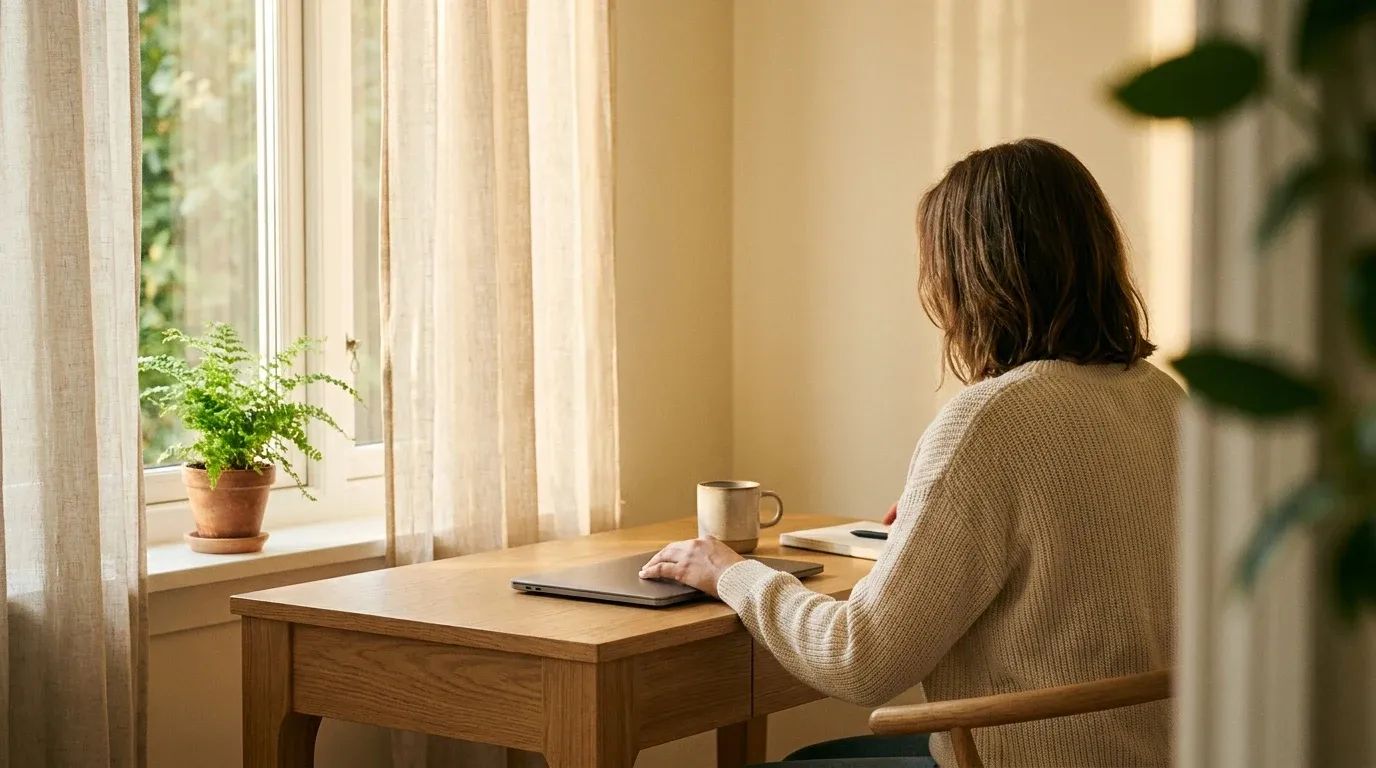
Remote Workers Report the Highest Wellbeing: New Data
A University of Colorado Boulder study of 7,700 employees finds remote workers score highest on wellbeing, directly challenging return-to-office mandates with peer-reviewed data.

A 5-Minute Walk Every Hour Is the Productivity Hack Science Backs
Two independent June 2026 studies agree: a 5-minute walk every hour measurably boosts mood, focus, and memory in desk workers. Here's what the science says.
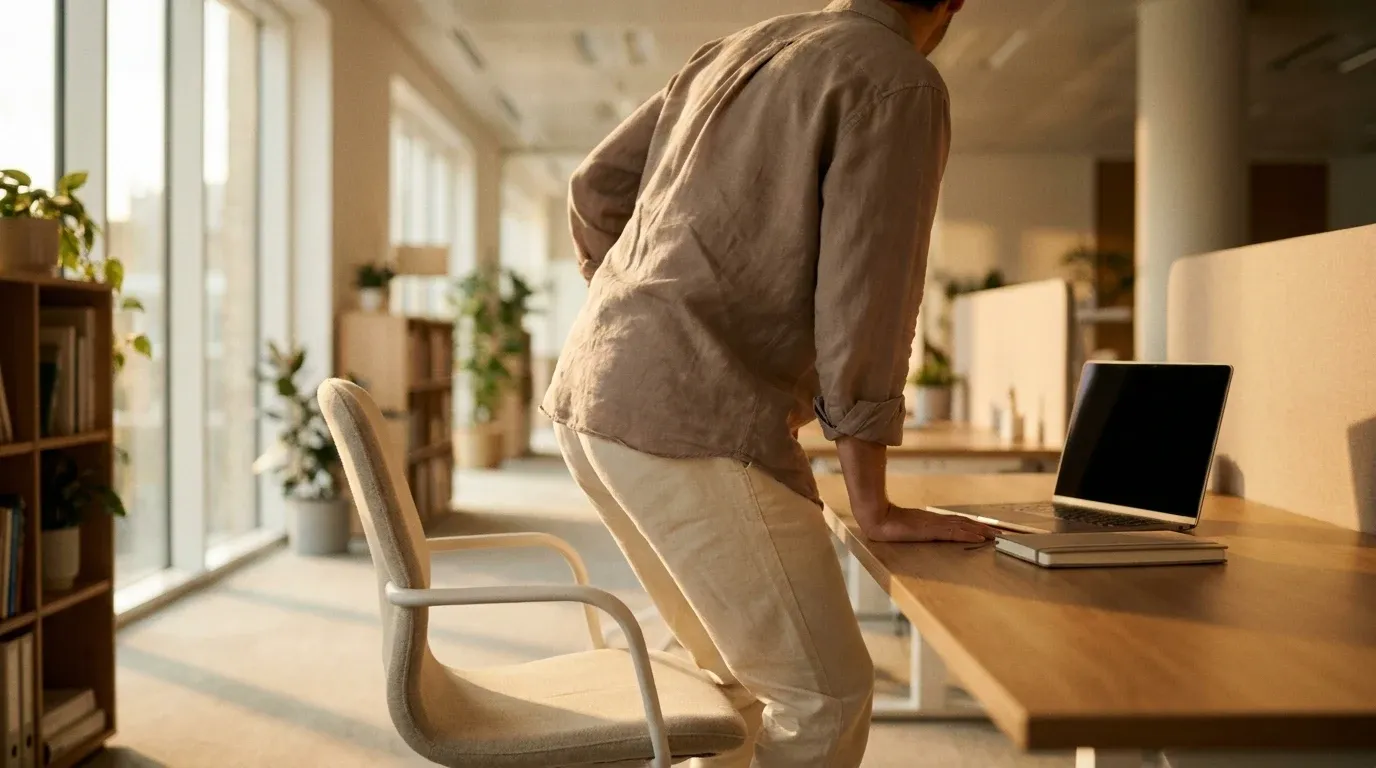
Each Extra Hour of Sitting Raises Cancer Death Risk 9%
A 2026 PLOS Medicine study links each extra hour of uninterrupted sitting to a 9% higher cancer death risk. One hour of light activity cuts that risk by 12%.

Remote Work's Hidden Mental Health Cost HR Can't Ignore
New research from the Federal Reserve Bank of New York and a 2026 Canadian survey reveal remote work worsens mental health even as employees prefer it. Here's what HR must do now.

Bad Ergonomics Is Quietly Draining Your Team's Productivity
New 2026 analysis quantifies how poor ergonomics in remote and hybrid teams drives fatigue, musculoskeletal complaints, and measurable productivity loss.