
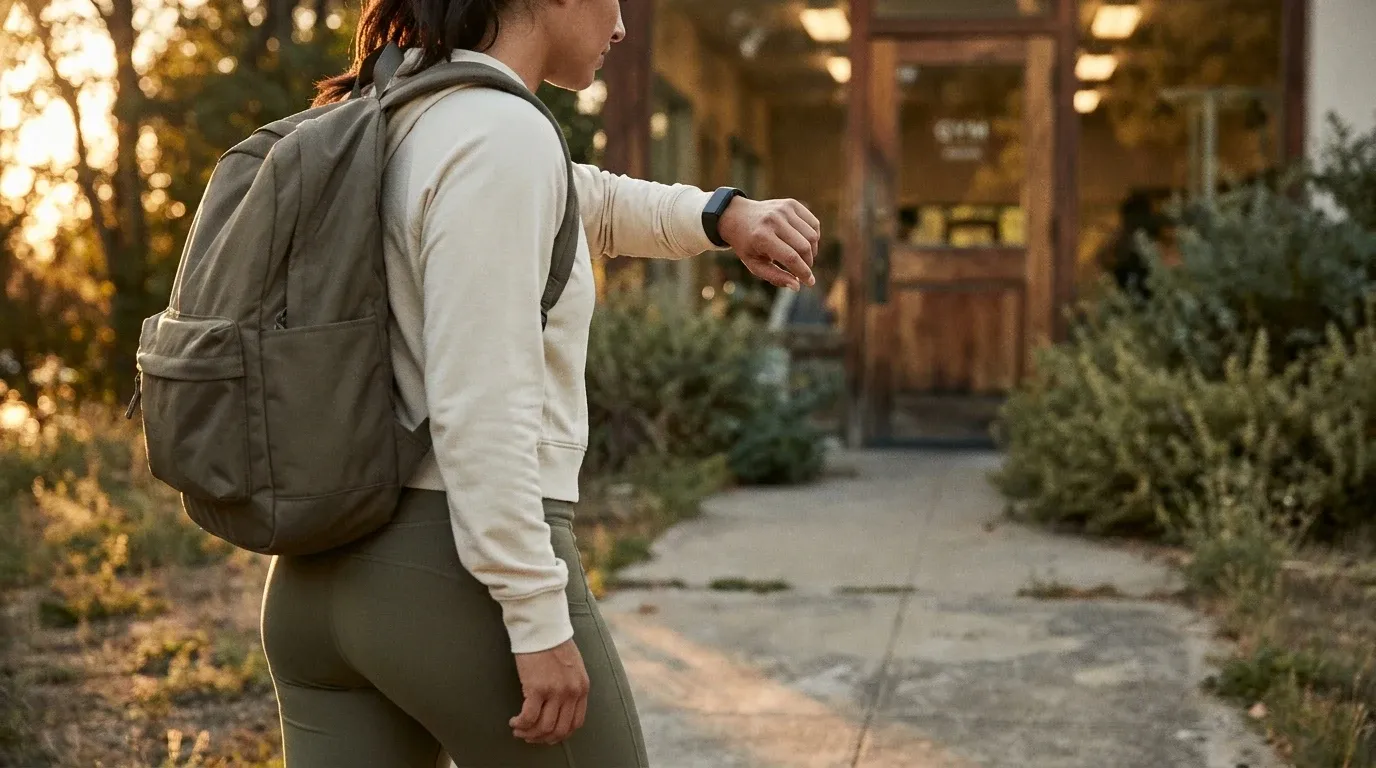
Fitness trackers have been sold as the solution to sedentary lifestyles for over a decade. The pitch is simple: strap a device to your wrist, watch your step count, and move more. But a study published in Frontiers in Physiology in November 2026 by researchers at the University of Mississippi suggests the reality is more complicated. The devices that work best aren't the ones you wear. They're the ones you combine.
What the Study Actually Found
The University of Mississippi research team tracked digital health tool usage across a broad population sample and measured compliance against federal physical activity guidelines. Those guidelines, set by the U.S. Department of Health and Human Services, recommend at least 150 minutes of moderate aerobic activity per week plus two or more days of muscle-strengthening exercise.
The finding that stood out: people using multiple digital tools simultaneously, including fitness trackers, patient portals, health apps, and wearables, were significantly more likely to meet both the aerobic and the strength training thresholds. Not one or the other. Both.
That matters because most people, even regular exercisers, tend to fall short on resistance training. Cardio is easy to quantify. Steps, miles, calories burned. Strength work is harder to track casually, and it often gets deprioritized. The multi-tool users in this study appeared to close that gap. If you've been meaning to build more structured lifting into your routine, How to Add Explosive Work to Your Lifting Routine offers a practical starting framework that pairs well with any tracking approach.
Why Using More Than One Tool Makes a Difference
It might seem counterintuitive. Surely one well-designed app should be enough. But the data points in a different direction, and there are plausible reasons why.
Different tools capture different behaviors. A step tracker measures movement. A patient portal connects health data to clinical benchmarks. A food logging app ties nutrition to energy output. When these systems overlap, users tend to get a fuller picture of their health, which may reinforce consistent behavior across multiple domains rather than just one.
There's also a motivational argument. Using several tools likely reflects a higher baseline engagement with personal health. The tools may not be causing the behavior so much as reflecting an underlying orientation toward wellness that makes guideline compliance more probable. That distinction matters when you're thinking about how to build lasting habits rather than just downloading the latest app.
What the study reinforces is that no single platform is a silver bullet. The users most likely to hit their exercise targets weren't the ones most loyal to one app. They were the ones building a system out of several.
The Equity Problem Nobody Talks About
Here's where the study gets more uncomfortable. While multi-tool users showed the strongest outcomes, the research flagged a significant digital equity concern: the populations most likely to benefit from physical activity support are the least likely to be using these tools effectively.
Older adults and lower-income individuals face compounding barriers. Smartphones and wearables carry upfront costs. A mid-range fitness tracker runs anywhere from $50 to $250, and premium smartwatches can exceed $400. Monthly app subscriptions add up. For someone living on a fixed income or without consistent smartphone access, the multi-tool ecosystem described in this study simply isn't accessible.
Beyond cost, there's usability. App interfaces are frequently designed for younger, more tech-comfortable users. Older adults report higher rates of frustration with health apps, more confusion around syncing devices, and lower confidence navigating digital health ecosystems. The irony is that these are often the same individuals who stand to gain the most from meeting activity guidelines. For adults over 60, the health stakes of inactivity, including muscle loss, cognitive decline, and cardiovascular risk, are significantly higher.
Research on exercise in older populations consistently shows that even modest increases in structured activity produce measurable benefits. The challenge is reaching people without assuming they have a wrist full of tech. Online Workouts Over 60: The Missing Ingredient addresses what actually drives adherence in that age group, and the answer isn't always digital.
What Federal Guidelines Are You Even Trying to Hit?
It's worth pausing on the benchmarks the study used, because a lot of people are fuzzy on what "meeting physical activity guidelines" actually means in practice.
The U.S. federal recommendations break down like this:
- Aerobic activity: At least 150 minutes of moderate-intensity activity per week (like brisk walking or cycling), or 75 minutes of vigorous-intensity activity (like running or HIIT). A combination of both also counts.
- Strength training: Muscle-strengthening activities on two or more days per week, targeting all major muscle groups.
- For older adults: Additional emphasis on balance and flexibility work to reduce fall risk.
Most people are aware of the cardio threshold in rough terms. Far fewer know that resistance training is part of the official recommendation, and fewer still meet it consistently. Studies have repeatedly shown that only about 25 to 30 percent of American adults hit both thresholds in any given week. The multi-tool users in the Mississippi study were bucking that trend.
Practical Takeaways If You're Already Using Digital Tools
If you're already tracking workouts in some form, this research suggests it's worth expanding your toolkit deliberately rather than just adding more apps at random. Here's what a more intentional approach looks like:
- Pair your activity tracker with a strength log. Most wearables track steps and heart rate well but don't prompt structured resistance training. Use a separate app or even a simple notes system to log sets, reps, and weight. Visibility tends to drive consistency.
- Connect to a patient portal if you have access. When your activity data is visible to a healthcare provider, it creates a layer of clinical accountability that purely consumer-facing tools don't provide.
- Use scheduled reminders across platforms. Redundancy isn't inefficiency here. Multiple cues from multiple sources appear to reinforce behavior better than a single notification from one app.
- Track both cardio and strength separately. Don't let your step count stand in for your full activity picture. If your tracker doesn't distinguish between a 20-minute walk and a 45-minute lifting session, you're missing data that actually matters for guideline compliance.
What This Means for Older Adults Specifically
The digital equity finding isn't just a policy concern. It's a practical one for anyone supporting an older family member or working in health and wellness spaces.
If you're over 60 and find that fitness apps feel designed for someone else, that frustration is legitimate and well-documented. The solution isn't necessarily to abandon digital tools entirely. It's to find entry points that match your actual access and comfort level, then build from there.
For some people, that means starting with a basic pedometer rather than a full smartwatch. For others, it means using a provider-linked portal as the primary interface rather than a consumer app. The goal is consistent activity, not a perfect technology stack. Even small daily commitments can produce real results. 4 Minutes a Day Is Enough If You're Over 65 details how minimal structured effort can still move the needle on cardiovascular and metabolic health in older adults.
Strength training in particular deserves more attention in this age group. Muscle mass decline accelerates after 60, and resistance work is the most effective countermeasure available. Toned Arms After 50: What Science Actually Says breaks down the physiology and offers evidence-based guidance for anyone starting or returning to strength training later in life.
The Bigger Picture
The University of Mississippi findings don't tell you to go download five more fitness apps. What they suggest is that your relationship with physical activity guidelines is more robust when it's supported by multiple information streams rather than a single point of contact.
That's a systems-thinking argument applied to personal health. The people hitting both their cardio and strength targets aren't necessarily working harder. They're working with more feedback, more visibility, and more reinforcement across different parts of their daily routine.
The equity problem, though, is real and shouldn't be minimized. Designing public health tools and wellness programs around the assumption that everyone has a smartwatch and a stable data plan will continue to leave behind the people who need structured support the most. That's a gap worth naming, whether you're an individual making choices about your own fitness or a professional working in health promotion.
Step trackers can help. Apps can help. Patient portals can help. But the data suggests you're more likely to actually show up, lift, and move if you're building a system rather than betting everything on one device.