
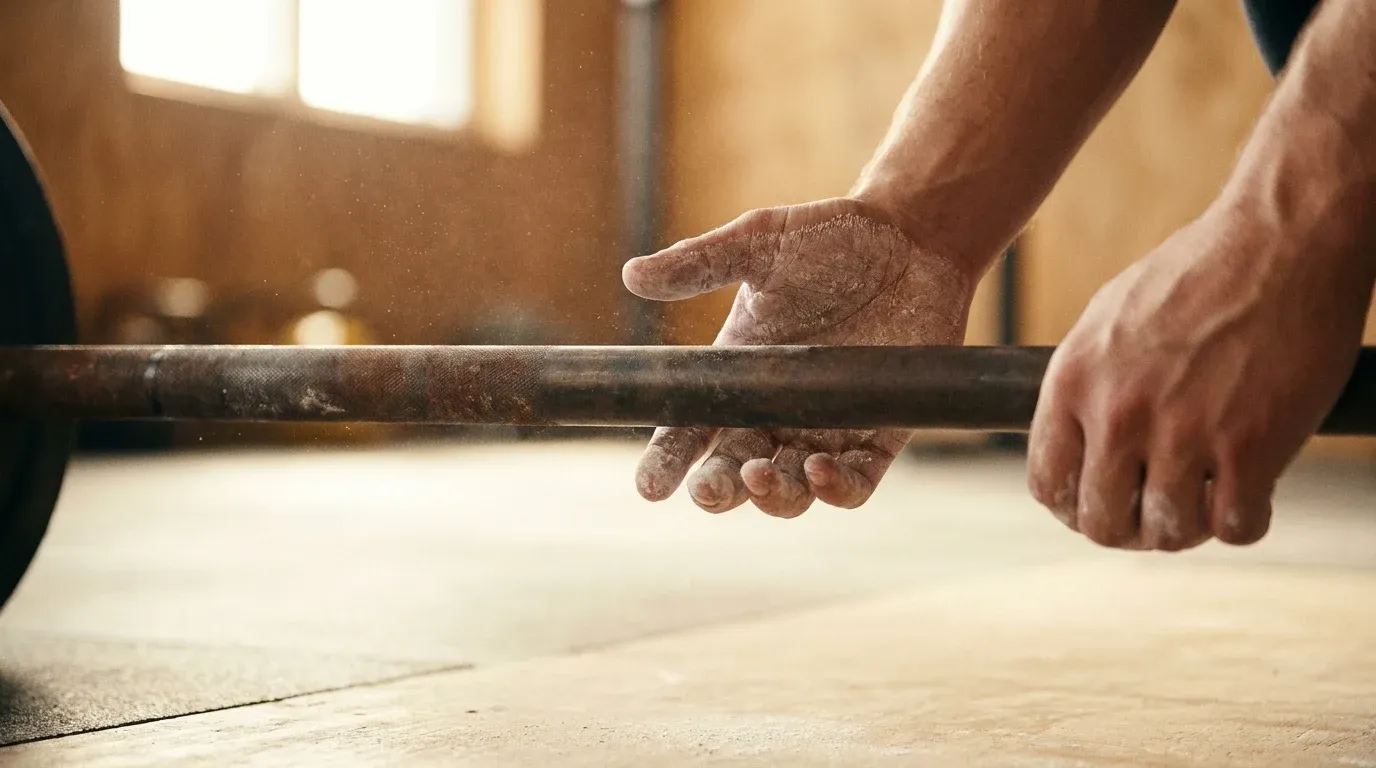
You've cut back on volume. You've slept more, stressed less, and swapped your pre-workout for something cleaner. And yet you still feel like you're training underwater. If that sounds familiar, the problem might not be your program. It might be your blood.
A study published November 8, 2026 by researchers at the Mass General Brigham Heart and Vascular Institute found that a single intravenous iron infusion significantly improved exercise capacity in iron-deficient individuals. Not a course of supplements over months. One infusion. The implications for anyone who trains regularly and can't figure out why their performance has stalled are hard to ignore.
What the Research Actually Shows
The Mass General Brigham study measured exercise capacity in iron-deficient participants before and after a single IV iron infusion. Researchers observed meaningful gains in physical performance, suggesting that iron status plays a more direct and immediate role in exercise output than previously appreciated in clinical settings.
Iron is fundamental to oxygen transport. It's the key component of hemoglobin, the protein in red blood cells that carries oxygen from your lungs to your muscles. When iron stores are low, your muscles don't get the oxygen they need to perform. That means reduced power output, faster fatigue, and slower recovery. Every single session becomes harder than it should be.
What makes this study significant isn't just the outcome. It's the speed of the result. The fact that a single intervention produced measurable improvement underscores how much untreated iron deficiency can suppress performance, and how quickly that changes when the deficiency is actually addressed.
Who's Most at Risk
Iron deficiency doesn't discriminate, but it does have preferences. Certain populations show up in the data consistently.
- Women of reproductive age face the highest risk due to menstrual blood loss. Studies suggest up to 20% of women in this group are iron deficient at any given time.
- Endurance athletes experience something called footstrike hemolysis, where red blood cells are physically destroyed during repetitive impact. Runners are particularly vulnerable.
- Heavy strength trainees have elevated iron demands due to increased muscle tissue turnover and sweat losses during high-volume training blocks.
- Plant-based eaters consume non-heme iron from vegetables and legumes, which the body absorbs at a significantly lower rate than the heme iron found in animal products.
- High-frequency gym-goers who train more than four or five days per week deplete iron stores faster than sedentary individuals, yet rarely get tested.
The uncomfortable reality is that most of these people are never screened. Routine blood panels at annual physicals typically include a complete blood count, which can flag anemia, but anemia is a late-stage consequence of iron deficiency. You can be significantly iron deficient, with real performance consequences, while still showing a normal hemoglobin level.
It Looks Exactly Like Overtraining
This is where things get frustrating. The symptoms of iron deficiency don't announce themselves clearly. They blend seamlessly into the background noise of hard training.
Persistent fatigue that doesn't resolve after rest. Strength numbers that plateau or quietly decline. Cardio feeling harder than your fitness level should allow. Brain fog during workouts. Poor sleep quality despite physical exhaustion. Sound familiar? Those are also the hallmarks of overtraining syndrome.
The overlap is so significant that many coaches and athletes spend months adjusting training variables, deloading, changing rep schemes, or reducing intensity, before anyone thinks to check iron levels. If you've been following advice like Stop Grinding: Train Smarter, Not Just Harder and still feel drained, your training approach might not be the issue at all.
The key difference clinically is that overtraining responds to reduced training load and increased rest over time. Iron deficiency doesn't. No amount of deloading will raise your ferritin. And if you're simultaneously dealing with elevated stress levels that are affecting your recovery, the symptoms stack on top of each other, making it even harder to identify what's actually going wrong.
The Numbers You Actually Need to Know
Standard bloodwork won't cut it here. If you suspect iron is affecting your performance, you need a full iron panel, not just a CBC. Here's what to ask for specifically.
- Ferritin: This measures your stored iron. It's the most sensitive early marker of iron deficiency. Lab reference ranges often consider anything above 12 ng/mL "normal," but most sports medicine practitioners and performance-focused clinicians consider levels below 30 ng/mL suboptimal for active individuals, and many recommend above 50 ng/mL for optimal training performance.
- Serum iron: Measures circulating iron in the blood. It's more variable day to day and should be interpreted alongside other markers.
- Transferrin saturation (TSAT): This reflects what percentage of your iron-carrying protein is actually loaded with iron. A TSAT below 20% is typically considered indicative of functional iron deficiency.
- Total iron-binding capacity (TIBC): High TIBC often signals that your body is producing more transport protein because iron is scarce. It's a useful secondary marker.
Ask your doctor for all four. If they push back, explain that you're an active individual experiencing performance-related symptoms and want to rule out iron deficiency specifically. Most practitioners will order the panel without issue.
Fixing It Through Food First
If your levels are low but not severely depleted, dietary changes are the logical starting point. And if you haven't taken stock of what you're actually eating, a structured nutrition audit to address chronic fatigue is worth doing before anything else.
Heme iron from animal sources (red meat, organ meat, shellfish, poultry, fish) is absorbed at a rate of roughly 15 to 35%. Non-heme iron from plant sources (lentils, beans, tofu, spinach, fortified cereals) absorbs at around 2 to 20%, depending on the meal context. The gap matters enormously if you're already running low.
A few practical rules that make a real difference:
- Pair non-heme iron sources with vitamin C. A glass of orange juice, bell peppers, or strawberries alongside a lentil dish meaningfully increases absorption.
- Avoid drinking coffee or tea within an hour of an iron-rich meal. Tannins bind to iron and reduce absorption significantly.
- Calcium competes with iron for absorption. Don't take calcium supplements or eat high-calcium foods at the same time as your highest-iron meals.
- Cook acidic foods in cast iron cookware. It's a minor boost, but every bit counts when you're trying to rebuild stores.
Understanding the quality of your protein and iron sources matters more than most people realize. The same logic that applies to evaluating protein quality scores applies here: bioavailability isn't uniform, and your body's ability to actually use what you eat depends heavily on the source and food context.
When Food Isn't Enough
Oral iron supplements are the conventional next step after dietary adjustments. They work, but slowly. It typically takes three to six months of consistent supplementation to meaningfully replenish ferritin stores, and they come with well-documented GI side effects including constipation, nausea, and stomach cramping that cause many people to stop taking them.
The Mass General Brigham findings are particularly relevant here. If a single IV infusion can produce a significant improvement in exercise capacity, it raises a reasonable question for people who have tried oral supplementation without success or who can't tolerate it. IV iron therapy is available through clinics and some sports medicine practices in the US, with costs typically ranging from $200 to $600 per infusion depending on provider and location, though insurance coverage varies and often depends on documented deficiency.
This isn't something to pursue without confirmed bloodwork and medical guidance. But for athletes who've been spinning their wheels for months without an explanation, it's worth having a direct conversation with a sports medicine physician rather than assuming the issue is training-related.
Stop Blaming Your Program
The fitness industry has a bias toward training solutions. If you're not progressing, the assumption is usually that something in your programming is wrong. More volume, less volume, different splits, periodization tweaks. The idea that the answer might be a simple blood test rarely comes up.
If you've been struggling to stay consistent or motivated through a training cycle, something like building better consistency habits is worth addressing. But motivation and habit structure won't fix a biochemical deficit. Iron deficiency is a physical problem that requires a physical solution.
Get the bloodwork. Review your diet honestly. If levels are genuinely low, work with a clinician on a plan. The fix might be simpler than anything you've tried so far.