
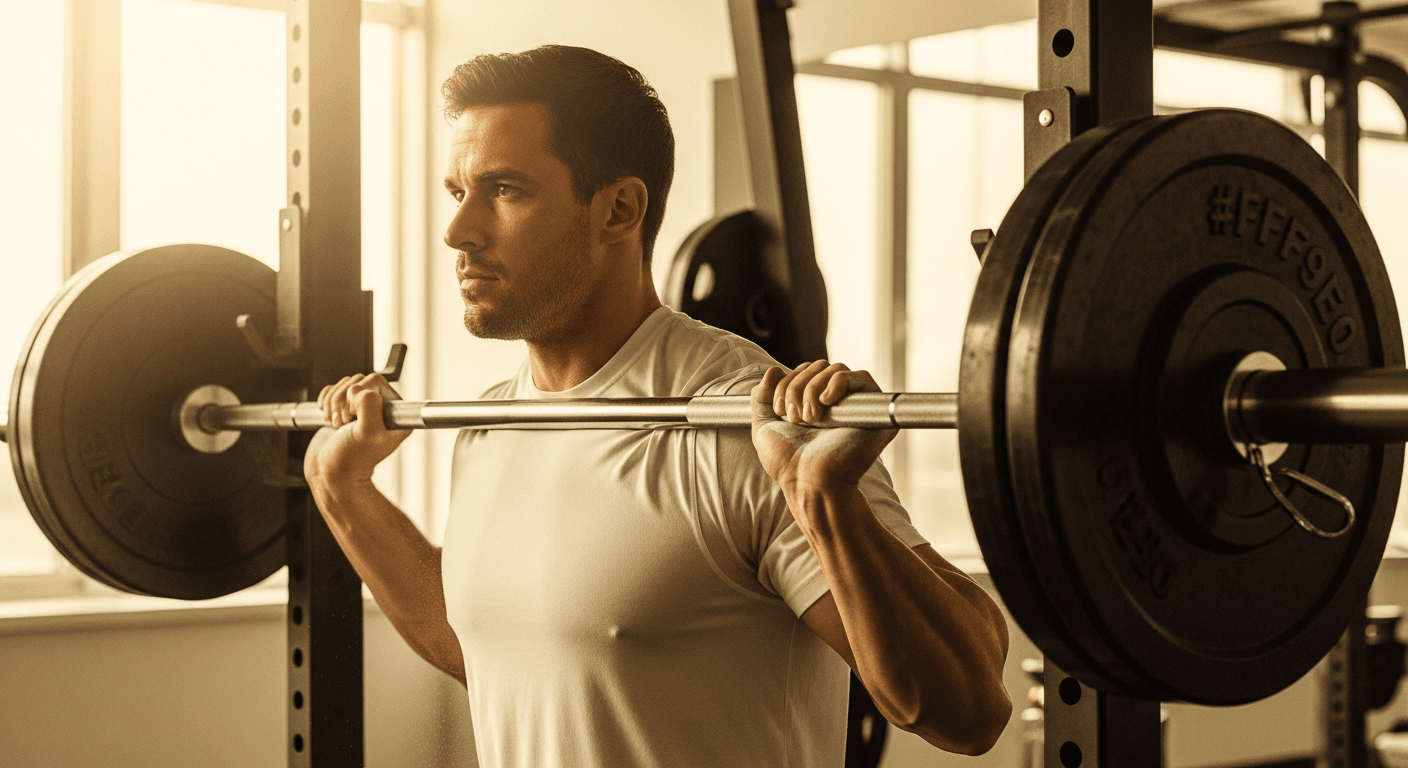
For the first time in fitness survey history, strength training has overtaken cardio as the primary goal of American adults. An IHRSA survey from early 2026 shows 41% of gym members list "building muscle" or "gaining strength" as their top goal — up from 28% in 2019. This isn't a passing trend. It's a cultural transformation that has been consolidating for seven years.
The Numbers Behind the Shift
In 2019, "lose weight/do cardio" dominated. In 2026:
- 41%: strength training / muscle building (primary goal)
- 32%: general health / longevity
- 18%: weight loss
- 9%: specific sport performance
It's the first time weight loss has fallen below 20% as a primary motivator — a strong indicator of the cultural shift in how people relate to bodies and exercise.
The Drivers
Three factors explain this shift.
Social media. In 2025, for the first time, #strengthtraining surpassed #cardio in total Instagram impressions. Strength, powerlifting, and functional training content creators have captured a young audience that sees strength as both an aesthetic and health goal.
Longevity science. The wide publication of research like the Harvard BJSM study on 147,000 people (13% lower mortality with 90-120 min/week of strength training) anchored in public consciousness the idea that lifting is a long-term health tool, not just a way to look good.
Shifting body ideals. The "strong" body ideal has largely replaced the "thin" ideal in media and social networks since 2020. This aesthetic transformation translates directly into declared goals.
The Industry Impact
Gym operators are adapting: free weight zones have become the number 1 capacity constraint in major chains. Leading HVLP operators are adding 30-40% more squat racks and benches in 2025-2026 renovations.
For coaches, this is a direct opportunity: demand for strength coaching is structurally rising. Skills in strength programming — periodization, movement analysis, load progression — are more in demand than ever.