
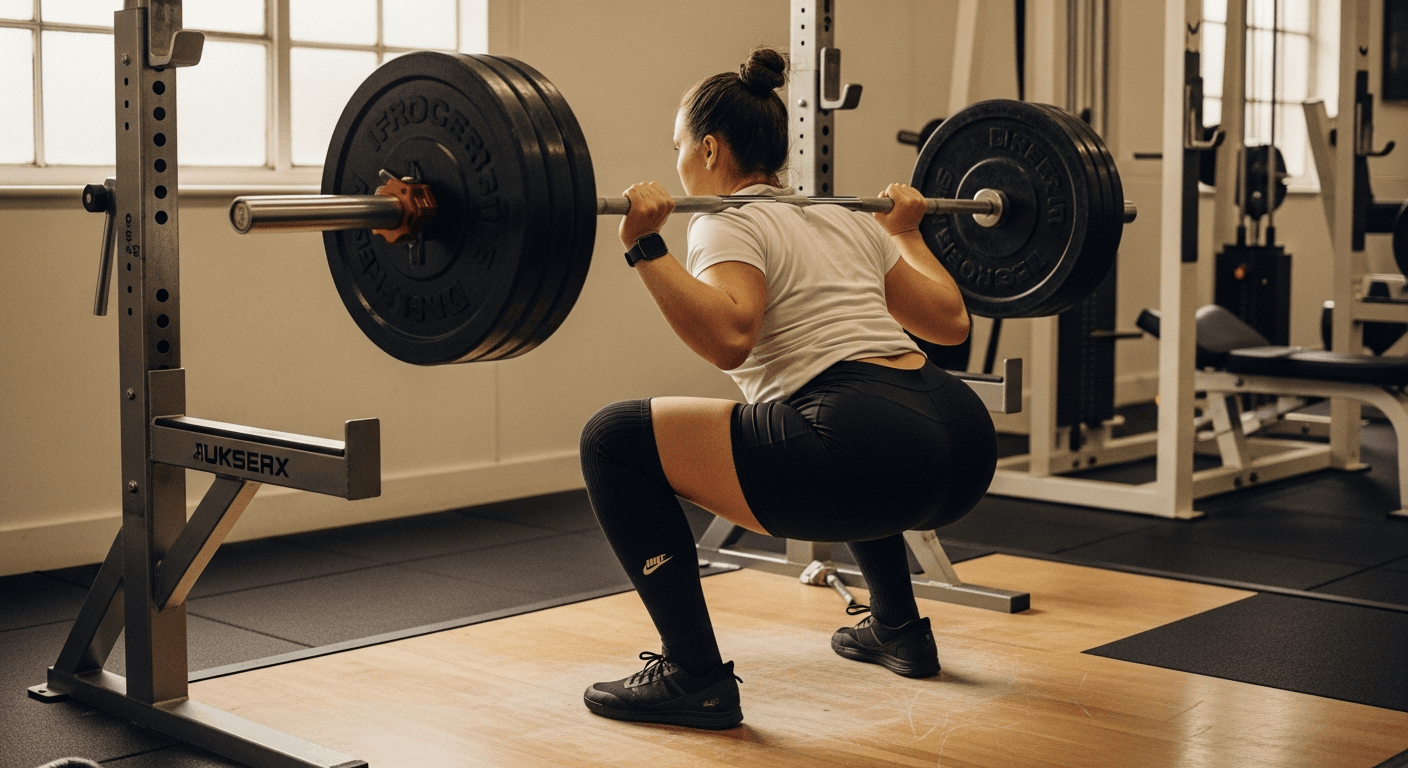
For the first time, getting stronger has overtaken losing weight as the top health priority for 2026. A recent survey found that 42.3% of respondents say getting physically stronger is their number one goal this year. That's a meaningful cultural shift, and it's worth understanding why it happened.
Key Takeaways
- Strength training has overtaken weight loss as America's #1 fitness goal
- 73% of gym-goers list strength training as their top priority in 2026
- Interest in strength training has increased 46% over 5 years
Why Weight Loss Gave Way to Strength
For decades, mass-market fitness was built around one goal: losing weight. Gyms sold the silhouette, diets sold the scale, apps sold calorie deficits. Strength training was for bodybuilders or elite athletes.
Several forces have been pushing the needle. The growing mainstream awareness of muscle mass as protective against chronic disease, sarcopenia, and aging has been building for years. Wider adoption of body composition tracking has shown that body weight alone is a poor health indicator.
More recently, the rise of GLP-1 medications (like semaglutide) for weight loss may also be a factor. If the drug handles the calorie deficit, the question of resistance training to preserve lean mass becomes central for people on these treatments.
Strength Goals Drive Better Long-Term Adherence
Beyond the cultural trend, there's a practical reason why shifting from weight-loss goals to strength goals tends to produce better long-term outcomes.
Performance-based goals (lift more, do more reps, master a movement) reinforce themselves every session. You show up and measure tangible progress. Aesthetic or scale-based goals are more vulnerable to motivation dips, bad days, and plateau frustration.
Someone training to "get stronger" keeps going after hitting their first weight target, because performance goals don't have a natural endpoint. They keep going because it feels good to get better at something.
What This Means for How You Train
If you choose strength as your primary goal rather than aesthetics or weight loss, your training structure shifts. You'll prioritize heavy compound movements (squat, deadlift, bench press, pull-ups) over isolation work. You'll track your lifts instead of your calories burned.
You'll probably eat more, or at least eat better, because strength training performance depends on adequate protein and sufficient calories. And you'll likely feel better in your body, not because you're thinner, but because you're more capable.
Strength Training as a Lifestyle, Not a Cure
The deepest shift in this cultural moment is from strength training as a corrective tool (lose fat, "get back in shape") to strength training as an ongoing practice. Not a three-month pre-summer push. A long-term habit, which is exactly what the new ACSM guidelines support.
Asking "what's the minimum effective dose?" is a better question than "how do I lose X pounds in X weeks?" It points toward a consistent, progressive practice rather than a sprint followed by burnout.
Related articles
- Strength Training Overtakes Weight Loss as America's Top Fitness Goal
- Strength Training Passed Weight Loss as America's Top Fitness Goal. Here's Why.
- Strength Training Is America's #1 Fitness Goal for 2026. Coaches Who Get This Are Winning