
Creatine: from gym powder to Target shelves
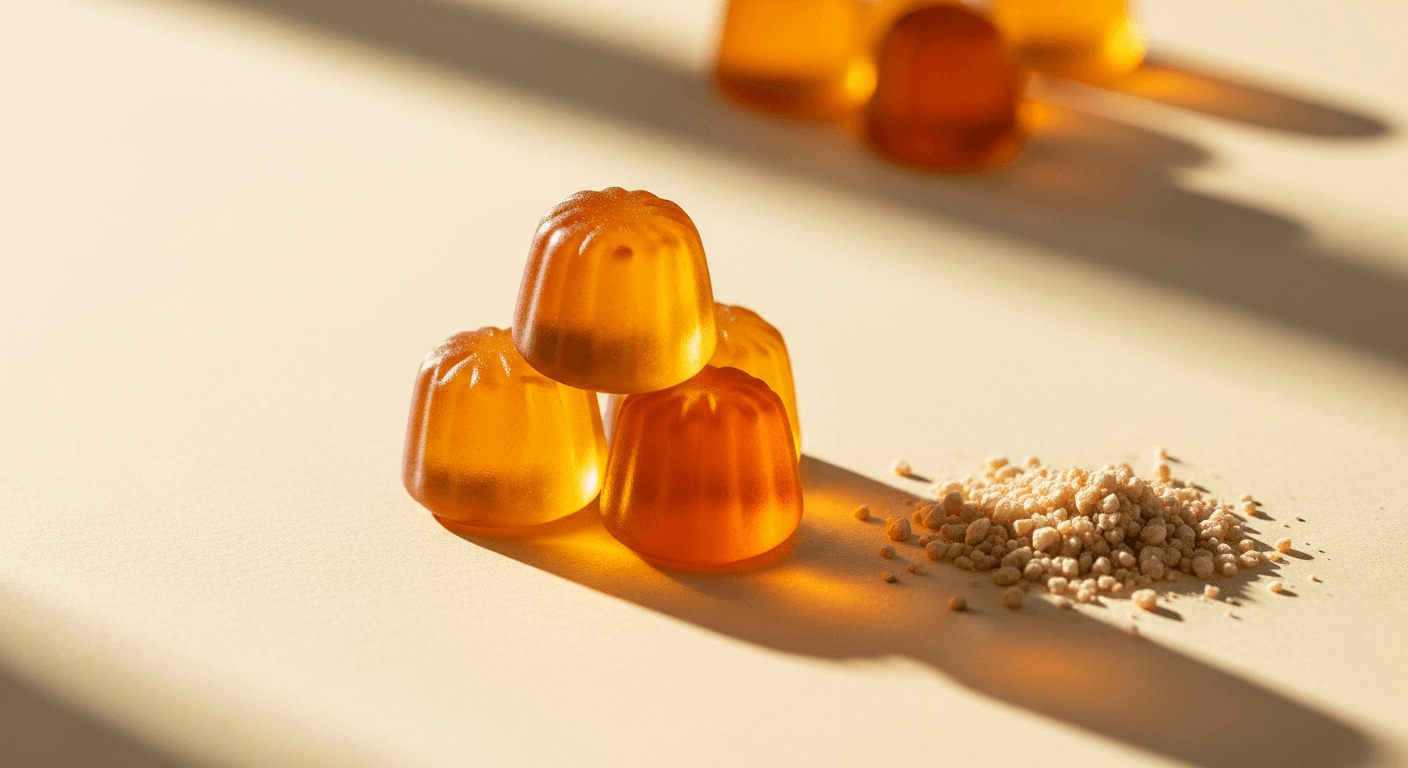
Ten years ago, creatine was mostly associated with gyms and bodybuilders. Today it's on the shelves of Target, Whole Foods, and Sprouts, in formats no one would have imagined back then: colored fruit-flavored gummies, ready-to-drink bottles, and now a creatine-electrolyte hybrid product.
Create Wellness' fundraise — $20 million in Series B, closed in late March 2026 — isn't just a business news item. It's a signal that creatine has permanently left the niche segment and become a mainstream supplement. And the gummy format is what drove most of that transition.
The numbers that explain the investment
To understand why investors like Alliance Consumer Growth and Impact Capital put $20 million into creatine gummies, look at the market data. Creatine is currently the fastest-growing supplement among the 200 most popular products in the US. In 2025, it generated nearly $100 million in incremental US retail growth, with a 58% year-over-year unit sales increase.
Create Wellness rode that wave by being the first brand to popularize the gummy format for creatine. Result: 250 million gummies sold since launch, and top-selling status in the creatine category at each of the three major retailers where the brand is distributed — Target, The Vitamin Shoppe, and Sprouts.
The real question: are gummies as effective?
A new format and impressive sales numbers say nothing about actual product efficacy. So do creatine gummies work as well as creatine monohydrate powder?
The answer depends on dose. The science on creatine monohydrate — one of the most studied supplements that exists — shows that a daily intake of 3-5 grams of creatine monohydrate produces measurable benefits for strength, power output, and muscle recovery. That's the effective minimum dose.
Create Wellness gummies contain 1.5 grams of creatine per gummy, with a recommended serving of 3 gummies — 4.5 grams per serving, within the effective range as long as you take the recommended dose. Standard powder delivers 5 grams per serving, leaving a small margin.
Where the gummy format can create a problem is consistency. Powder dissolves in any drink — you know exactly what you're taking and when. Gummies require eating 3 pieces of candy per day, every day, which sounds easy but requires building a new habit.
What the investment signals for the industry
Beyond Create Wellness specifically, this fundraise illustrates a broader trend in the supplement industry: format matters as much as formula. The brands that succeed in 2026 aren't necessarily the ones with the highest-efficacy products — they're the ones that make supplementation as simple and enjoyable as possible.
It's an adherence logic. A supplement that's 95% as effective when taken every day beats a 100% effective supplement taken three times a week because it's unpleasant to mix or swallow. Plain creatine powder works. But a significant portion of potential users don't take it consistently because it's not enjoyable.
The bottom line for active athletes
If you're wondering whether to switch to creatine gummies, here's what matters:
- Creatine monohydrate remains the most scientifically documented form. If you're already taking powder and it's working, there's no urgent reason to switch.
- If you struggle to take creatine consistently because of powder taste or texture, the gummy format can improve your adherence — and better adherence beats marginally higher efficacy on paper.
- Check the dose per serving: make sure you're hitting 3-5 grams per day. Below that threshold, the benefits diminish.
The creatine itself remains creatine. What's changing is how it gets into your stomach — and for a lot of people, that's a real compliance factor worth paying attention to.