
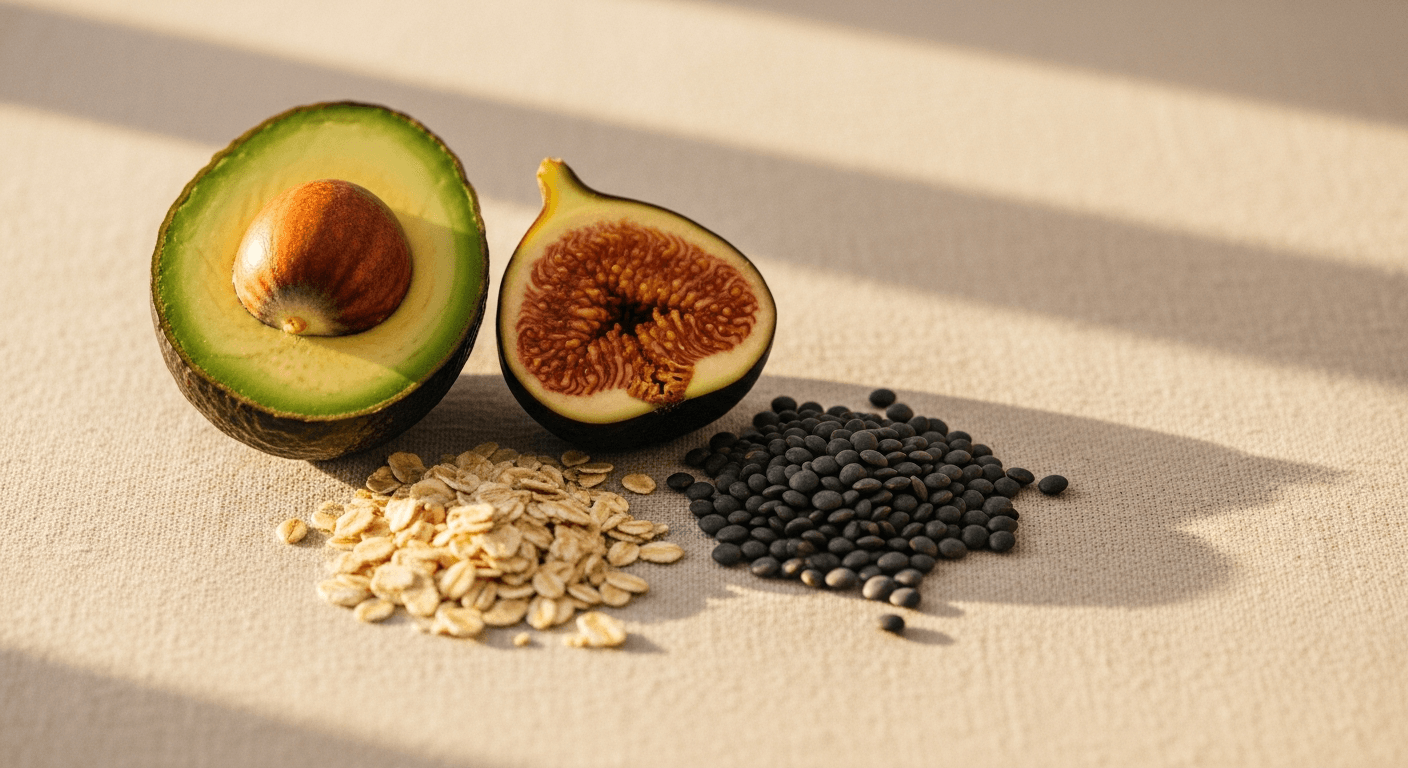
Dietary fiber is one of the most underconsumed nutrients in Western diets — and one of the best-documented for health benefits. A 2026 study confirmed that a diverse fiber mixture, reflecting a nutritionally balanced diet, was well tolerated and produced positive gut microbiome changes in healthy adults.
This isn't a breakthrough — but it's a useful confirmation at a time when low-carb diets often eliminate fiber-rich sources that are popular.
Key Takeaways
- Average Western fiber intake: 15-17g/day vs. recommended 25-38g/day — over half the population is fiber-deficient
- Soluble fiber: feeds gut bacteria + reduces LDL cholesterol
- Insoluble fiber: adds stool bulk + speeds gut transit
- For athletes: avoid high-fiber foods within 4 hours of exercise
- Best sources: legumes, vegetables, whole grains, fruits
Soluble vs Insoluble Fiber: Why Both Matter
Not all fibers are equal. The soluble/insoluble distinction is functional:
Soluble fiber (oats, psyllium, legumes, some fruits):
- Dissolves in water to form a viscous gel in the gut
- Ferments in the colon, feeding beneficial bacteria (prebiotic effect)
- Slows carbohydrate absorption — glycemic advantage
- Binds to LDL cholesterol and facilitates its elimination — 5-10% LDL reduction
Insoluble fiber (whole wheat, bran, leafy vegetables, fruit skins):
- Doesn't dissolve, adds bulk to stool
- Speeds gut transit — constipation prevention
- Dilutes bile acids — colorectal cancer risk reduction mechanism
A balanced fiber diet includes both types. Rich food sources generally provide a natural mix of both (legumes, for example, contain good proportions of both).
Why Fiber Diversity Matters
The 2026 study highlights a point gaining importance in microbiome research: fiber diversity feeds greater gut bacterial diversity. Different bacteria ferment different types of fiber. A diverse microbiome is associated with better immunity, reduced systemic inflammation, and better overall metabolic health.
Always eating the same fiber sources (only whole wheat bread, for example) doesn't produce the same microbiome effect as a varied mix (legumes + vegetables + fruits + whole grains + nuts).
Fiber and Exercise: The Timing Problem
Fiber slows gastric emptying — an advantage for satiety and blood sugar, but a disadvantage before training. A high-fiber meal too close to exercise (less than 2-3 hours) can cause gastrointestinal discomfort: bloating, cramping, urgency.
Practical strategy for athletes — and a key detail covered in pre and post workout nutrition guidance:
- Pre-training meal (2-3h before): reduce fiber, favor easily digestible carbs
- Pre-workout snack (1h before): low-fiber fruits OK (banana, watermelon)
- Post-training and meals outside training windows: hit the 25-38g/day target normally
Best Fiber Sources
Food
Fiber per 100g cooked/fresh
Dominant type
Cooked lentils
7.9g
Mixed (soluble + insoluble)
Cooked chickpeas
7.6g
Mixed
Avocado
6.7g
Insoluble dominant
Oat bran
15.4g
Soluble (beta-glucans)
Cooked broccoli
3.3g
Mixed
Apple with skin
2.4g
Soluble (pectin)
Whole wheat bread (2 slices)
4.0g
Insoluble dominant
Hitting 25-38g of fiber per day from whole food (not supplements) is realistic with 2-3 servings of legumes per week, 4-5 vegetable servings per day, 2-3 fruits, and whole grains at main meals. If you're also optimizing for protein alongside fiber, combining legumes and whole grains at meals covers both priorities efficiently.
Sources: ScienceDaily — Nutrition research 2026 | LLCC — Protein and fiber lead 2026 nutrition trends | Current Developments in Nutrition