
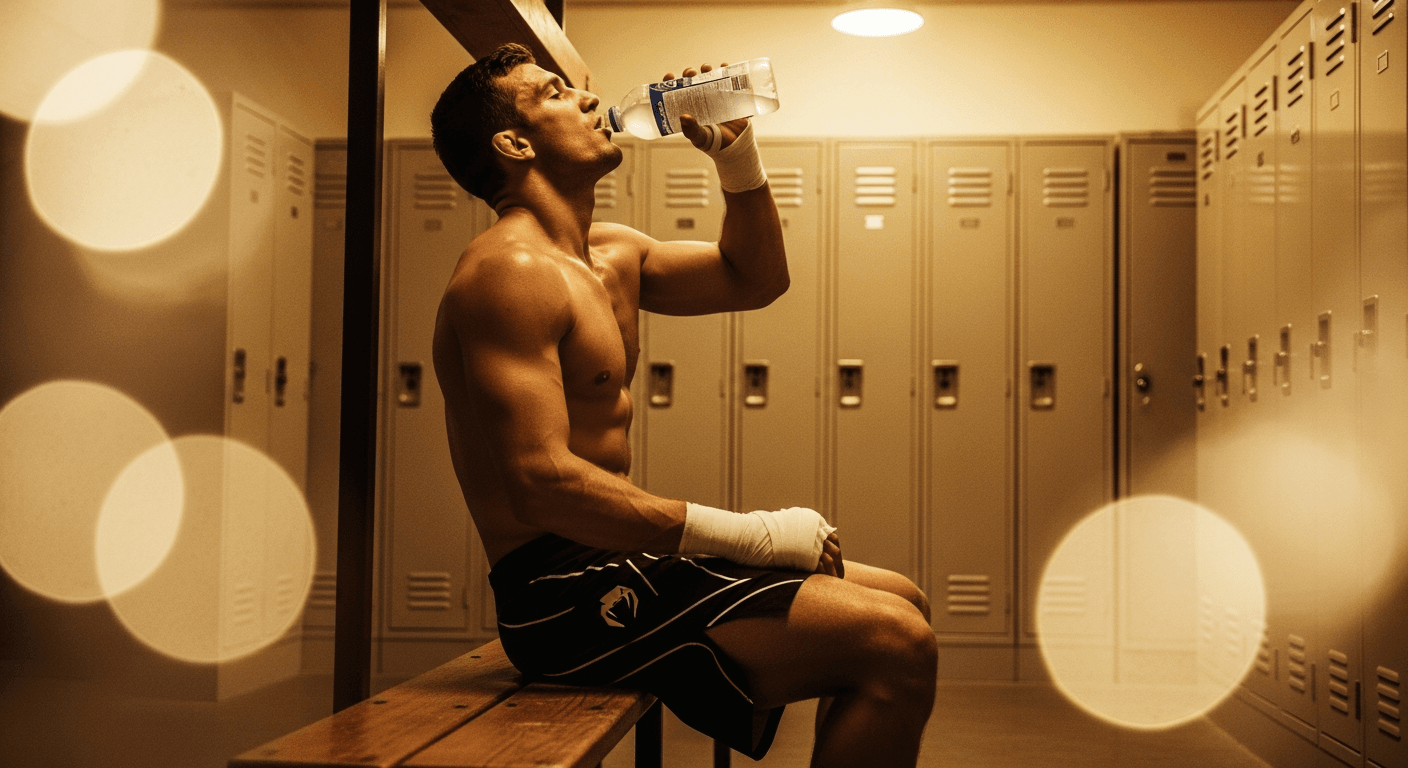
Every serious combat sports athlete knows the weight cut. The saunas, the sweat suits, the final miserable hours before stepping on the scale. What far fewer athletes treat with the same seriousness is what happens next. The window between weigh-in and competition is where fights are actually won or lost from a physiological standpoint, and most fighters waste it.
Here's the reality: if your rehydration and refeeding protocol is unstructured, you're competing at a fraction of your potential no matter how sharp your training was. This guide lays out a practical, science-backed approach to the recovery window so you arrive at fight time genuinely restored.
Why the Recovery Window Matters More Than You Think
The gap between weigh-in and competition is typically 8 to 24 hours depending on the promotion and weight class. That's a significant amount of time. Research consistently shows that athletes who lose as little as 2% of body weight through dehydration experience measurable declines in aerobic capacity, reaction time, and muscular power. Most combat sports athletes are cutting far more than that.
The good news is that 8 to 24 hours is genuinely enough time to restore plasma volume, replenish glycogen stores, and reduce the physiological stress of the cut. The bad news is that getting it wrong, moving too fast, eating too much, or skipping electrolytes entirely, can produce gastrointestinal distress that's as damaging to performance as the cut itself.
Structure matters here. Treat this window like a protocol, not a reward meal.
The First Two Hours: Plasma Volume Is the Priority
When you step off that scale, your first instinct is probably to drink as much water as possible as fast as possible. Resist that instinct. Plain water consumed rapidly after a significant fluid loss can actually dilute serum sodium, a condition called hyponatremia, which causes nausea, confusion, and in serious cases, far worse. It also fails to efficiently restore plasma volume because the kidneys simply excrete it.
Electrolyte-rich fluids are what your body actually needs in the first two hours post-weigh-in. Sodium is the critical variable. Sodium drives fluid retention in the intravascular space, meaning it keeps the fluid you drink in circulation rather than passing it through. Aim for fluids containing 500 to 1000 mg of sodium per liter in this early phase. Oral rehydration solutions, coconut water with added sodium, or sodium-forward sports drinks all work well here.
For a deeper look at how electrolytes function under physical stress, Electrolytes in the Heat: What You Actually Need This Summer covers the science clearly, including why sodium density in your drink matters as much as total volume consumed.
Potassium and magnesium also play a role in restoring intracellular fluid balance, but sodium is your lead electrolyte in this phase. Keep fluid intake to roughly 500 ml every 20 to 30 minutes rather than consuming large volumes at once. Your gut has a limited absorption rate, and overwhelming it is where problems start.
Hours Two Through Eight: Carbohydrate Refeeding for Glycogen Restoration
Once you've established a steady rehydration rhythm, carbohydrate refeeding becomes the next priority. Glycogen, the stored form of glucose in muscle tissue, is your primary fuel source during high-intensity combat sports activity. Cutting weight aggressively depletes it. Walking into a fight with low glycogen means reduced power output, slower reaction time, and earlier onset of fatigue. Studies show that carbohydrate intake of 1 to 1.2 grams per kilogram of body weight per hour in the first four to six hours post-exercise optimizes glycogen resynthesis.
For a 70 kg fighter, that's roughly 70 to 84 grams of carbohydrates per hour in the early refeeding phase. Easily digestible sources work best here: white rice, bananas, rice cakes, white bread, and sports gels or chews. This isn't the time for high-fiber vegetables, legumes, or anything that sits heavy in the gut. You want carbohydrates your digestive system can process quickly.
Pairing carbohydrates with a moderate protein source in this window also accelerates glycogen synthesis, with research suggesting a 3:1 or 4:1 carbohydrate-to-protein ratio is optimal. Chicken and rice, white rice with eggs, or a whey protein shake alongside a bowl of oatmeal all fit this pattern.
If you're not sure how to build a practical daily nutrition framework that supports both the cut and recovery phases, Simple Diet Changes That Actually Move the Needle is worth reviewing before your next fight camp.
What Overeating and Rushing Actually Does to You
Here's where many athletes undermine everything they've done in camp. Post-weigh-in is psychologically the first moment of relief after weeks of restriction, and that psychological pressure toward overeating is real and understandable. But consuming large meals too quickly after a significant cut creates serious problems.
Rapid fluid intake distends the stomach and overwhelms the absorptive capacity of the small intestine. Large fat or fiber-heavy meals slow gastric emptying dramatically and can cause bloating, cramping, and diarrhea during warm-up or competition. High-sugar foods consumed in excess can cause reactive hypoglycemia, a blood sugar crash that leaves you fatigued precisely when you need to be sharp.
There's also a cardiovascular consideration. Eating a very large meal causes significant blood to be redirected to the digestive system, reducing what's available to working muscles. For an athlete who needs to perform at maximum intensity within hours, this is a meaningful physiological cost.
Eat frequently in moderate amounts rather than in one or two large sittings. Aim for meals every two to three hours throughout the recovery window. This keeps blood sugar stable, maintains a steady supply of nutrients for glycogen synthesis, and avoids the GI disruption that large boluses of food create.
Sleep, Recovery, and What Else You Can Control
Nutrition and hydration are the primary levers in the recovery window, but they don't operate in isolation. Sleep quality in the night before competition is a significant factor in cognitive sharpness, reaction time, and emotional regulation under pressure. If the weigh-in is the day before the fight, prioritizing a full night of sleep is non-negotiable.
One common mistake athletes make in the hours before sleep is spending extended time on their phones watching footage, scrolling social media, or engaging with anything stimulating. Research has shown that this type of passive digital engagement can impair working memory and cognitive recovery. Endless Scrolling Hurts Your Memory. Exercise Fights Back. covers the mechanism in detail, and the findings are particularly relevant for athletes who need to retain game-planning information and execute it under stress.
Keep your recovery environment as controlled as possible. A cool room, limited screen exposure in the two hours before sleep, and a consistent sleep window will compound the benefits of your nutrition protocol rather than working against them.
Supplementation in the Recovery Window
A few specific supplements have reasonable evidence behind them for the post-weigh-in context. Creatine monohydrate, if you're already using it consistently in camp, can support intramuscular water retention and phosphocreatine replenishment. Electrolyte capsules give you precise control over sodium and potassium intake without unwanted sugars. Tart cherry juice or concentrate has research behind it for accelerating recovery from muscle damage and reducing inflammation.
What you want to avoid in this window is anything experimental or unfamiliar. This is not the time to try a new pre-workout formula or an untested recovery supplement. Stick to what your system knows. And if you're evaluating supplements during camp, the product quality question is worth taking seriously. Can You Actually Trust What's on Your Supplement Label? outlines the gap between what's claimed and what's actually in many products, which matters when you're making decisions that affect performance on a specific date.
A Practical Recovery Window Timeline
- 0 to 2 hours post-weigh-in: Focus exclusively on electrolyte-rich fluids. Target 500 to 1000 mg sodium per liter. Consume 500 ml every 20 to 30 minutes. Small, easily digestible carbohydrate snacks are fine but keep food volume low.
- 2 to 6 hours post-weigh-in: Introduce structured carbohydrate refeeding at 1 to 1.2 g/kg/hour. Prioritize white rice, bananas, rice cakes, and white bread. Add moderate protein at a 3:1 to 4:1 carbohydrate-to-protein ratio. Continue fluid intake with reduced urgency.
- 6 to 12 hours post-weigh-in: Shift to normal-sized meals with lean protein, digestible carbohydrates, and low fat. Maintain hydration but don't force fluids. Monitor urine color; pale yellow indicates adequate hydration.
- 12 to 24 hours post-weigh-in: Eat a balanced pre-competition meal two to four hours before fight time. Keep fat and fiber low. Maintain electrolyte intake. Prioritize sleep quality if this window overlaps with the night before competition.
Individualizing the Protocol
These guidelines reflect what the research supports for the average combat sports athlete. Your specific physiology, the severity of your cut, your weight class, and the exact timing of your event all affect how you should calibrate this protocol. Blood-based biomarkers can give you meaningful insight into your baseline electrolyte levels, kidney function under stress, and how your body handles fluid loading. Personalized Nutrition: How to Actually Use Your Blood Work walks through how to translate that data into practical decisions rather than just collecting numbers.
Work with a sports dietitian if you have access to one. The recovery window is technical enough that individual variation genuinely matters, and a practitioner who understands combat sports physiology can help you refine timing, quantities, and product selection based on your actual response patterns from previous camps.
You've invested months into your preparation. The recovery window is the last meaningful nutrition intervention you have before the moment everything counts. Treat it with the same seriousness you give your training.