
Ultra-Processed Foods and Cancer: It's More Complicated Than You Think
If you've spent any time following nutrition news over the past few years, you've probably absorbed the message: ultra-processed foods are bad, and eating less of them is better for your long-term health. That framing isn't entirely wrong. But a closer look at the research reveals something far more nuanced, and for anyone trying to make smart food choices, the details actually matter.
A study published in PLOS Medicine has added a significant wrinkle to the ultra-processed foods narrative. Rather than confirming a blanket link between UPF consumption and cancer risk, it found that the relationship depends heavily on which specific foods you're talking about. And that distinction has real implications for how you think about convenience foods, meal planning, and long-term health.
What the Study Actually Found
The research tracked dietary patterns and cancer outcomes across a large cohort, examining whether total ultra-processed food intake was associated with increased bowel cancer risk. The headline finding: no significant direct link was observed between overall UPF consumption and colorectal cancer.
That's not a green light to eat whatever you want. But it is a signal that the "ultra-processed" label, as a single category, may be doing more harm than good when it comes to meaningful public health guidance. Grouping mass-produced whole grain bread with industrial-grade processed meat under the same umbrella doesn't help anyone make better decisions.
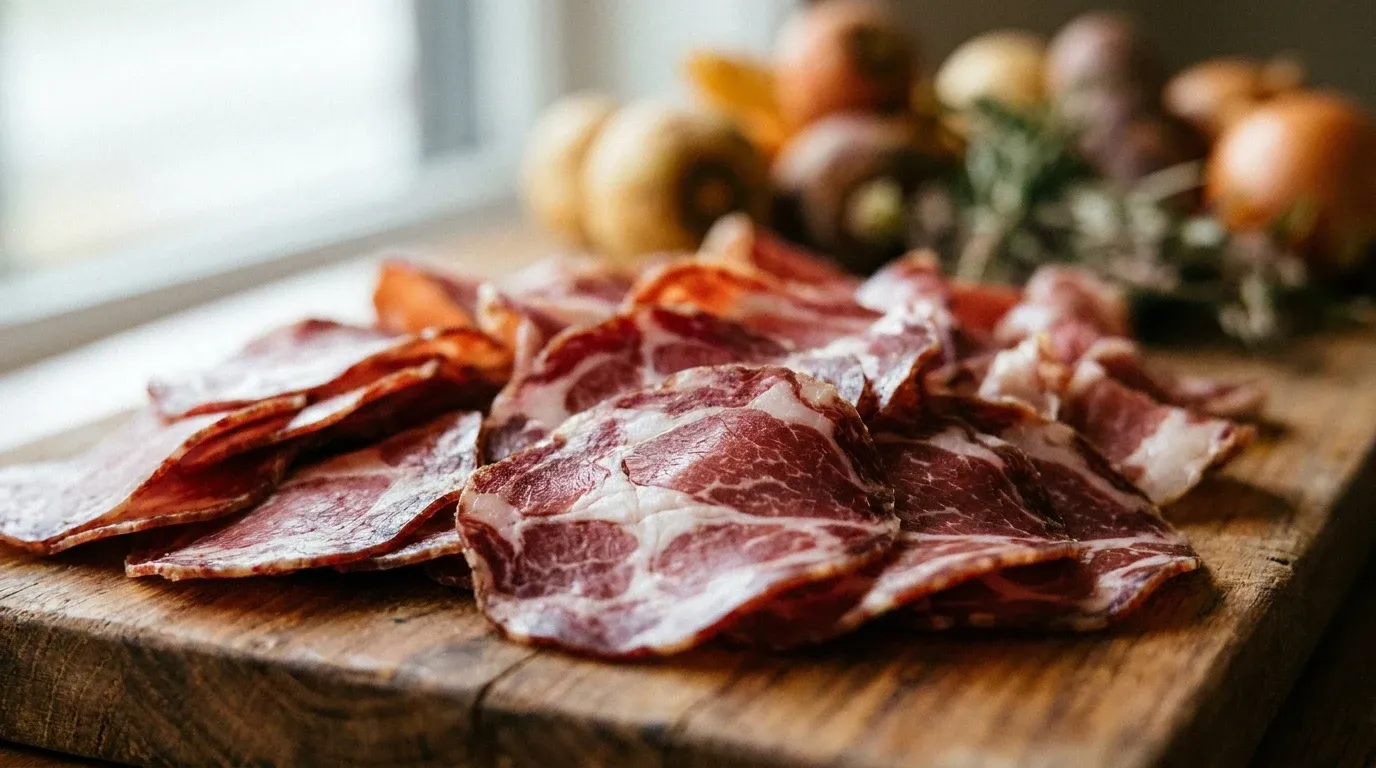
Where the study did find elevated risk was more specific. Processed meat, a subcategory within the broader UPF umbrella, was associated with higher risk of gastric and esophageal cancers. That's a meaningful distinction, and it's one that gets lost when researchers, journalists, and health communicators treat "ultra-processed" as a monolithic threat.
Why the UPF Label Creates More Confusion Than Clarity
The NOVA classification system, which is the most widely used framework for categorizing food processing levels, places everything from flavored yogurt to hot dogs in the same ultra-processed category. That's a problem. Not because processed foods don't carry risks, but because lumping together products with vastly different nutritional profiles produces misleading conclusions.
Consider what actually falls under the UPF umbrella:
- Processed meats (bacon, deli meats, sausages) with high sodium, preservatives, and nitrate compounds
- Sugar-sweetened beverages linked to metabolic dysfunction and weight gain
- Mass-produced bread and cereals that are often fortified with vitamins and fiber
- Protein bars and shakes heavily used by active people managing nutrition on the go
- Flavored dairy products like Greek yogurt with added fruit or sweeteners
These products have wildly different effects on the body. Treating them as equivalent in risk discussions is the kind of categorical error that makes nutrition science feel inconsistent and hard to trust. It's the same problem that affects sweeping supplement research, where a nuanced finding gets flattened into a headline. As explored in Longevity Supplements: The Gap Between Hype and Evidence, oversimplified conclusions in nutrition research often mislead far more than they inform.
Processed Meat Is a Different Conversation
The elevated cancer risk tied specifically to processed meat isn't a new finding. The World Health Organization classified processed meat as a Group 1 carcinogen back in 2015, meaning there's sufficient evidence it causes cancer in humans. The association is particularly strong for colorectal cancer, and this new PLOS Medicine data adds gastric and esophageal cancers to the picture.
The mechanisms are reasonably well understood. Nitrates and nitrites used as preservatives in cured meats can form N-nitroso compounds in the body, which are known to damage DNA. High-temperature cooking of processed meats also produces heterocyclic amines and polycyclic aromatic hydrocarbons, both of which are carcinogenic. This isn't a statistical artifact. There's a plausible biological pathway.
So if you're someone who eats deli meat several times a week, that's worth reconsidering. Not because all packaged food is dangerous, but because this specific subcategory carries a distinct and documented risk profile that sets it apart from other UPFs.
What This Means for Active People and Convenience Foods
Here's where this research gets practically useful. If you train regularly, follow a structured program, or simply live a busy life where convenience foods are a realistic part of your diet, the UPF panic can feel paralyzing. Should you cut out protein bars? Stop buying packaged oats? Avoid every food with an ingredient list longer than five items?
The answer, based on the available evidence, is no. What the research actually supports is a more targeted approach: scrutinize the high-risk subcategories, not every processed product on the shelf.
Here's a practical framework for how to think about it:
- Limit processed meat consistently. Bacon, sausages, hot dogs, deli meats, and cured products should be occasional foods, not daily staples. The cancer association here is specific and well-supported.
- Don't conflate "processed" with "harmful." A protein shake with a long ingredient list is not the same as a nitrate-cured salami. Context and composition matter.
- Read for what's actually in the product. Sodium levels, added sugars, and preservative type are more informative markers than processing classification alone.
- Prioritize dietary diversity and whole food volume. A diet high in vegetables, legumes, and varied protein sources that include more than just whey creates a nutritional buffer that outperforms any single-food avoidance strategy.
This is especially relevant for athletes and gym-goers who rely on processed convenience products to hit protein or calorie targets. Cutting those out wholesale, based on a misread of the UPF literature, can actually undermine the nutritional quality of your diet rather than improve it.
The Broader Problem With Nutrition Headlines
This study is a useful case study in how nutrition research gets distorted between the lab and your social media feed. A finding that says "processed meat raises gastric cancer risk" becomes "ultra-processed foods cause cancer" becomes "stop eating anything packaged." Each step away from the primary data, the message loses precision and gains alarm.
That pattern matters because it erodes trust. When people hear that everything is either going to kill them or save them, the rational response is to stop paying attention. And that's when genuinely important signals, like the specific and documented risk of processed meat, get buried in the noise.
The same dynamic plays out across wellness categories. Supplement research, sleep interventions, and stress management all suffer from the same headline distortion problem. The evidence on slow breathing reducing workplace stress by 31%, for example, is precise and actionable, but it rarely gets communicated with the same clarity it deserves.
Good nutritional decision-making requires tolerance for nuance. Not every processed food is a risk. Not every whole food is automatically safe. And not every study that challenges a prevailing narrative is trying to excuse poor dietary habits.
How to Adjust Without Overhauling Everything
You don't need to rebuild your entire diet based on one study. But you can make a few targeted shifts that reflect what the evidence actually supports.
Start by auditing your processed meat consumption specifically. How often does bacon, deli turkey, or packaged sausage show up in your weekly meals? If it's more than once or twice, that's the most evidence-backed lever you have to pull right now.
From there, keep your focus on overall dietary pattern quality rather than ingredient list anxiety. Research consistently shows that the totality of what you eat over time is a far stronger predictor of health outcomes than any single food category. A diet built around adequate protein from diverse sources, plenty of vegetables, controlled added sugar, and reasonable caloric balance gives you the foundation that makes individual food choices far less consequential.
And when you encounter the next sweeping nutrition headline, ask what the study actually measured, what specific foods or behaviors it examined, and whether the conclusion in the headline matches the data beneath it. That habit alone will make you a sharper, calmer consumer of nutrition information.
The UPF story isn't over. More research is ongoing, and the evidence will keep evolving. But right now, the clearest takeaway is this: processed meat is a specific risk worth taking seriously, and that's a much more useful piece of information than a blanket warning that turns every food label into a source of anxiety.