
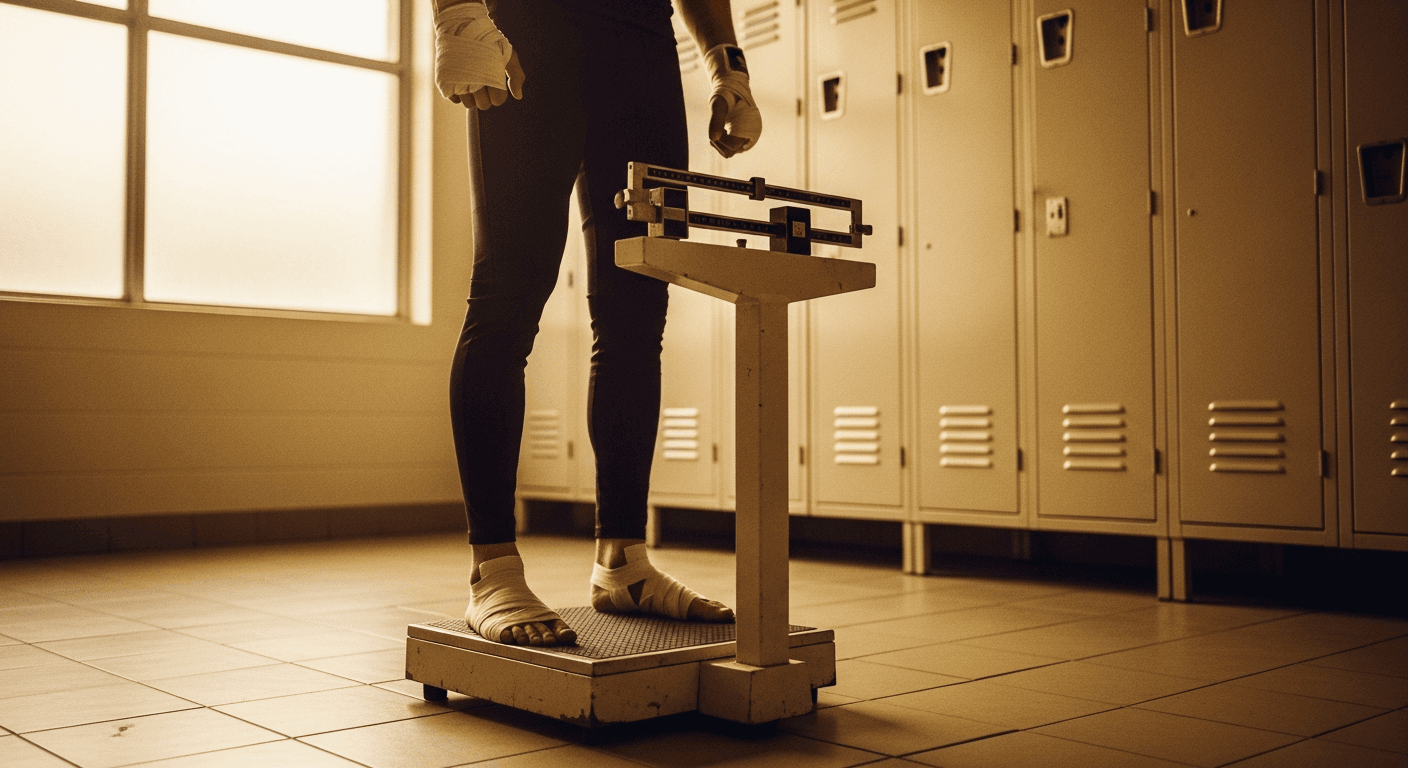
Weight cutting is one of the most misunderstood practices in combat sports. Fighters at every level do it, but the methods range from moderately risky to genuinely dangerous. Crash dehydration, extreme sauna sessions, and near-zero calorie diets in the final days before a fight are still common, despite clear evidence of performance and health consequences.
This guide breaks down what the smartest current protocols actually look like, with a focus on the final 48 hours before weigh-in. The goal is simple: make weight without destroying the body you need to compete with.
Understanding What You're Actually Losing
When a fighter drops three to five kilograms in a week, almost none of it is fat. It's water, glycogen stored in muscle, and gut content. Understanding this distinction matters because each of those components responds differently to diet and environment, and each needs to be restored before fight time.
The typical fight-week cut involves two overlapping phases. The first is a slower reduction in body water through dietary adjustments in the days before weigh-in. The second is a more aggressive sweat-based reduction in the final 24 to 48 hours. Most fighters get the second phase wrong because they haven't done the first phase properly.
Days Three to Five Before Weigh-In: The Dietary Setup
Starting about five days out, you want to progressively lower two things: fluid intake and dietary fiber. Both contribute to water retention and gut weight in ways that are reversible and controllable without pushing your body into a stress state.
Fiber holds water in the digestive tract. A high-fiber diet can add 500 grams to over a kilogram of gut weight, depending on your normal eating habits. Reducing fiber intake from day five onward allows the digestive system to clear without creating a nutritional deficit that would hurt performance.
Here's what this looks like in practice:
- Days five and four: Eliminate high-fiber vegetables, legumes, and whole grains. Keep protein intake steady. Begin reducing sodium gradually to limit water retention.
- Days three and two: Shift entirely to low-residue foods. White rice, chicken breast, eggs, and white fish are ideal. These foods are easy to digest, provide adequate energy, and leave minimal gut residue.
- Fluid intake: Reduce water intake modestly starting on day three, but don't cut it dramatically until the final 24 hours. Severe early dehydration elevates cortisol and impairs recovery before you've even started the sweat phase.
For specific guidance on which small dietary shifts deliver the biggest physiological payoff, Simple Diet Changes That Actually Move the Needle covers the fundamentals in detail.
Low-Residue Eating: The Overlooked Tool
Low-residue eating is standard protocol in pre-surgical preparation and has direct applicability to fight-week weight management. The goal is to minimize the weight of undigested food and fluid sitting in your gastrointestinal tract at the moment of weigh-in.
Research suggests that gastrointestinal content can account for up to 1.5 kilograms in a trained athlete, depending on meal timing and food choices. That's significant weight that doesn't require any dehydration to remove.
Practical low-residue options that still support energy and muscle maintenance include:
- White rice with lean chicken or fish
- Scrambled or boiled eggs
- White bread with turkey breast
- Low-fiber protein shakes with water (not milk)
- Plain white potato, boiled or baked
Avoid anything with skin, seeds, raw vegetables, high-fat dairy, or legumes during this window. These aren't just high-fiber. They also slow gastric emptying, which is the opposite of what you need.
The Final 24 Hours: Fluid Restriction and Sweat Methods
The last 24 hours before weigh-in is where most of the damage gets done, and where the smartest protocols are most different from common practice.
Fluid restriction in this window can safely account for one to two percent of body weight without significantly impairing short-term athletic performance, provided rehydration begins immediately after weigh-in. Beyond two percent body weight loss from dehydration, cognitive function, reaction time, and power output begin to decline measurably.
If you still need to drop weight after dietary adjustments and fluid restriction, controlled sweating through sauna or hot bath use is the next step. But it carries real physiological risks that need to be respected.
Sauna and Hot Bath Use: Real Risks, Strict Rules
Heat-induced sweating accelerates water loss, but it also stresses the cardiovascular system, raises core temperature, and depletes electrolytes. Fighters have been hospitalized and, in rare cases, have died from aggressive sauna protocols. This isn't hypothetical risk.
If you're using a sauna or hot bath in the final 24 hours, the following rules are non-negotiable:
- Time limits: No single sauna session should exceed 15 minutes. Exit, cool down partially, and allow your heart rate to drop before re-entering.
- Temperature monitoring: Sauna temperatures between 80 and 90 degrees Celsius are sufficient. Higher temperatures don't meaningfully increase sweat rate but dramatically increase cardiac strain.
- Hot bath protocol: Water temperature of 40 to 42 degrees Celsius. Limit immersion to 10 to 12 minutes. Have someone present if you're doing this alone.
- Total sweat target: Don't try to lose more than one kilogram through sweating in a single session. Multiple short sessions with rest periods are safer than one prolonged session.
- Electrolyte awareness: Even small sips of electrolyte solution between sessions reduce the risk of cramping and cardiac arrhythmia during the sweat phase.
Understanding what electrolytes actually do under heat stress matters here. Electrolytes in the Heat: What You Actually Need This Summer explains the sodium and potassium dynamics that apply directly to this scenario.
Sleep in this period is also relevant. Disrupted sleep in the 48 hours before competition has measurable effects on reaction time and decision-making. If you're adding heat stress on top of a sleep deficit, you're compounding risk. 5 Simple Recovery Habits That Actually Work includes protocols specifically useful during high-stress athletic weeks.
After Weigh-In: The Rehydration and Refeeding Window
Making weight is half the job. What you do in the hours between weigh-in and competition often determines the outcome more than the cut itself. This is the part most fighters underinvest in.
Assuming a typical 24-hour window between weigh-in and fight time, here's the structured approach:
First two hours after weigh-in. Focus entirely on fluid and electrolyte replacement. Sports drinks, coconut water, or oral rehydration solutions are appropriate here. Don't load on plain water alone. Without adequate sodium, rapid water intake can cause a dilutional effect that slows cellular rehydration.
Hours two through six. Begin eating. Start with easily digestible carbohydrates to restore muscle glycogen. White rice, bananas, white bread with honey, or a carbohydrate-based sports drink are good starting points. Keep fat intake low in this phase as it slows gastric emptying when you need nutrients available quickly.
Hours six through eighteen. Move toward more complete meals with lean protein, moderate carbohydrates, and some healthy fats. This phase supports muscle recovery and ensures glycogen stores are full before competition. A meal with rice, a lean protein source, and cooked vegetables fits well here.
Final two to four hours before fight time. Eat a familiar, easily digestible pre-competition meal. This isn't the time to try new foods. Keep fiber low, fat moderate, and carbohydrates as the primary source of energy.
Studies in combat sports athletes show that fighters who follow structured rehydration and refeeding protocols after weigh-in perform significantly better on measures of strength, power, and cognitive speed than those who rehydrate poorly or skip structured eating. The science on this is consistent.
What This Looks Like If You Have Professional Support
The protocols above are evidence-based, but executing them well under the pressure of fight week is another matter. Hunger, stress, poor sleep, and the psychological weight of competition all interfere with disciplined decision-making.
Working with a coach or sports dietitian who understands combat sports physiology makes a real difference. If you're unsure whether you need that level of support, 11 Signs You Actually Need a Personal Trainer offers a useful reference for thinking through when professional guidance pays off.
If you want your nutritional approach to be more personalized than a general framework allows, blood biomarkers can tell you things your training log can't. Personalized Nutrition: How to Actually Use Your Blood Work covers how to translate that data into practical decisions around fueling and recovery.
The Bottom Line
Weight cutting done poorly is a performance handicap and a health risk. Done intelligently, it's a manageable part of competing in a weight-class sport. The difference comes down to timing, method, and what happens after the scale.
Start your dietary adjustments five days out. Use low-residue foods to reduce gut weight without energy loss. Apply heat-based sweating carefully and briefly in the final 24 hours. Then put the same effort into rehydration and refeeding that you put into the cut. That's the complete protocol, and it's the one that shows up in the science.