
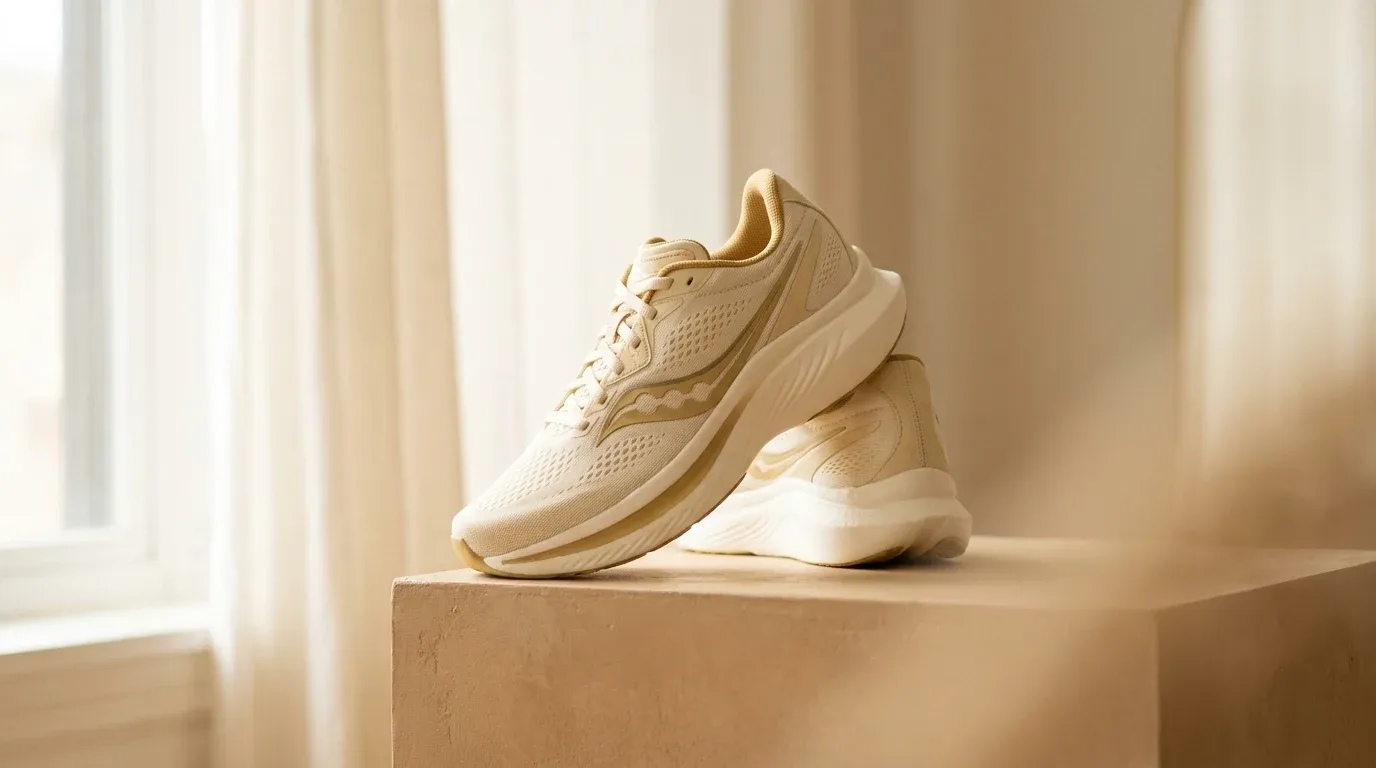
Saucony doesn't release a new Endorphin Speed every season just to change the colorways. The Speed line has earned a serious reputation among tempo runners and marathon racers, and each iteration gets scrutinized hard. The Speed 6 just dropped, and it's worth cutting through the marketing noise to look at what actually changed, what the lab data suggests, and whether this is a shoe worth lacing up for your next race block.
What Changed From the Speed 5
The headline update is the midsole geometry. Saucony has increased the stack height slightly, adding approximately 2mm to both the heel and forefoot compared to the Speed 5. That brings the Speed 6 to a 36mm heel and 28mm forefoot stack, maintaining the 8mm drop that the Speed line has always favored. The ride profile stays familiar, but there's now more cushioning underfoot without crossing into the plush, sluggish territory of max-cushion trainers.
The PWRRUN PB midsole compound returns, but Saucony has reconfigured how it's distributed across the footbed. The forefoot section is denser along the lateral edge, which is designed to support the toe-off phase more aggressively. Early lab findings suggest this translates to better energy return during the propulsive phase of the stride, with some testing showing a 3 to 4 percent improvement in energy return efficiency over the Speed 5 at tempo paces.
The S-curve nylon plate. also carried over from the Speed 5. sits slightly lower in the midsole stack than before, which brings the plate closer to the foot's natural flex point. That's a small but meaningful change. It means the shoe should engage earlier in the stride cycle, which runners typically feel as a more connected, responsive sensation rather than a delayed pop.
What the Lab Data Actually Tells You
Independent biomechanics testing on the Speed 6 points to a consistent theme: it performs best in the 5K to half marathon pace range. At speeds above 5:30 per mile, the shoe's energy return characteristics are measurably improved over its predecessor. The reconfigured plate engagement shows up clearly in ground contact time data, with runners spending slightly less time in the stance phase at faster paces.
At slower paces, around 9 to 10 minutes per mile, the differences between the Speed 5 and Speed 6 are harder to detect. The cushioning feels marginally softer, which some easy-day runners will appreciate, but the plate-driven propulsion isn't the dominant sensation at those efforts. That's not a criticism. it's just physics. Supercritical foam and nylon plates are engineered to respond to faster turnover and harder ground contact forces.
Weight is essentially unchanged. The men's size 9 comes in at 7.5 ounces (213g), which keeps the Speed 6 competitive with similar plated trainers in its category. For context, shoes in this tier typically range from 7.2 to 8.1 ounces, so the Speed 6 sits comfortably in the sweet spot without sacrificing the midsole volume needed for longer efforts.
Upper and Fit Updates
Saucony redesigned the engineered mesh upper to improve breathability across the toe box. If you ran in the Speed 5, you may have noticed the midfoot can get warm during longer tempo sessions in warmer months. The new mesh construction uses a more open weave in that zone, which should help with ventilation without compromising the structure that keeps the foot secure during lateral movements.
The heel counter is slightly firmer, a change that polarizes runners. If you've experienced any slipping during downhill efforts or fast track sessions, you'll likely welcome the improved lockdown. If you run with a wider heel and have found the Speed line's fit a little snug at the back, this update means the Speed 6 may not be your most comfortable option.
The outsole rubber coverage has been extended across the forefoot, addressing a durability complaint that surfaced consistently in reviews of the Speed 5. The Speed 5's exposed foam in high-wear zones showed significant degradation after 200 to 250 miles for many runners. The Speed 6's extended rubber coverage should push that durability threshold higher, though long-term wear data won't be available until the shoe has been on the market for several months.
Who the Speed 6 Is Right For
If you're training for a half marathon or marathon and want one shoe that handles your threshold workouts, your tempo runs, and your race day, the Speed 6 makes a strong case for itself. It's genuinely versatile without being watered down. The updated midsole geometry gives it enough cushioning to tolerate back-to-back harder training days, while the plate engagement keeps it honest at race pace.
Runners targeting a 5K or 10K PR will also find the Speed 6 effective, though those distances may push you toward a lighter, stiffer super shoe if you're chasing every second. The Speed 6 is not trying to be a racing flat. It's built for runners who want a workhorse that can double as a race shoe without treating every run like a formal occasion.
If you're currently building your base after a fall race, the Speed 6 fits well into a rotation where it earns its place on structured workout days. For guidance on structuring that transition period, How to Build Your Winter Base After Fall Race Season covers how to phase training intensity so you're not burning out a performance shoe on junk miles.
Who Might Want to Look Elsewhere
Daily trainers putting in 50 to 60 miles per week on recovery runs and easy aerobic work will burn through the Speed 6 faster than necessary and won't get its best performance return. A neutral trainer with more traditional foam and no plate is a smarter choice for those sessions. Save the Speed 6 for the days when you're actually pushing.
Runners with a low arch or who overpronate significantly may find that the Speed 6's ride feels a little unpredictable under load, particularly at the forefoot. The plate engagement can amplify biomechanical tendencies rather than correct them, so if stability has been a consideration for you in the past, get a proper gait assessment before committing.
Heavier runners or those new to plated shoes should also approach with some awareness. Plated trainers accelerate adaptation demands on the Achilles and calf complex. There's a reasonable body of research suggesting that transitioning into plated footwear too quickly increases soft tissue injury risk at the posterior chain. Build your volume in the shoe gradually before racing in it.
Price and Market Positioning
The Saucony Endorphin Speed 6 retails at $185, which puts it squarely in the mid-to-premium category for performance trainers. That's $10 more than the Speed 5 launched at, reflecting both the midsole changes and the extended outsole coverage. For comparison, similar plated trainers in the same performance bracket tend to range from $170 to $220, which means the Speed 6 is competitive without reaching the $250-plus price point of elite carbon race shoes.
If you're weighing the Speed 6 against a pure racing shoe for a spring marathon, the calculus comes down to volume. If your race block includes significant training mileage in your race-day shoe, the Speed 6's durability advantage over ultra-thin carbon racers will save you money in the medium term. If you train in a separate shoe and only race in your fast shoe, a lighter super shoe might edge it out on pure race-day performance.
For runners already deep into planning their 2026 race calendar, keeping an eye on how elite runners are performing in their respective shoe choices at major marathons is useful context. The Amsterdam Marathon 2026 champions defending their titles will provide a live look at how top-tier footwear performs under real race pressure.
The Bottom Line
The Speed 6 is a meaningful update rather than a rebrand. The midsole geometry changes and plate repositioning produce real, measurable differences in energy return and ride feel at tempo and race paces. The upper improvements address legitimate complaints from Speed 5 owners. And the extended outsole rubber is a practical win for anyone who has watched a previous iteration wear out faster than expected.
It's not the right shoe for every run in your week, but it's not supposed to be. Used correctly as a workout and race-day shoe within a sensible rotation, the Speed 6 justifies both its price point and its position in Saucony's lineup. If you're currently navigating how to stay consistent through the colder months while keeping quality sessions in the mix, How to Keep Running Consistently Through Winter is worth reading alongside your gear decisions.
The Speed 6 earns its upgrade. Whether it earns your $185 depends on how much of your training calendar looks like the conditions it was built to handle.