
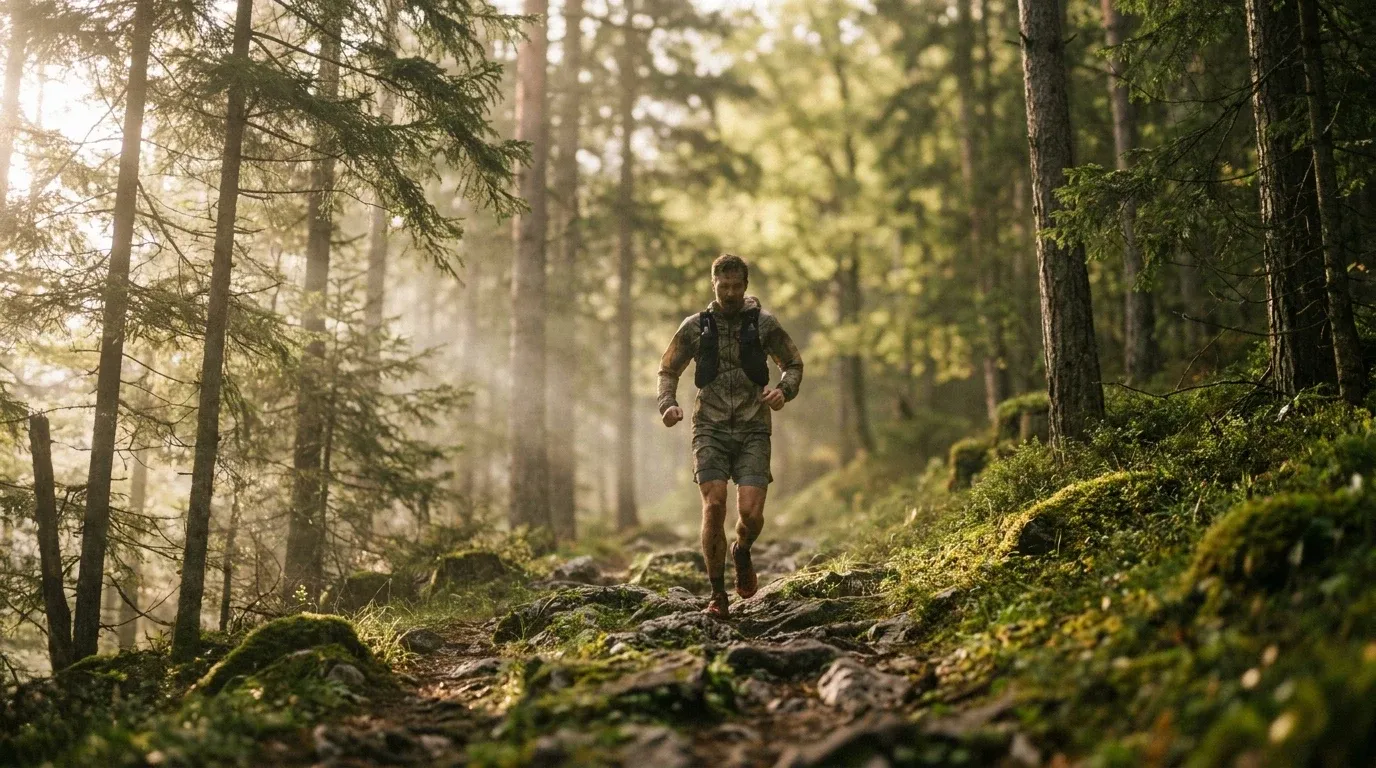
When 38 nationalities line up on the same start line, that's not a coincidence. It's a signal. Ultra X I Feel Slovenia returns on September 5–6, 2026, and the numbers behind this event say something real about where destination ultra running is heading and why Slovenia is emerging as one of the most compelling places to run it.
What the Race Actually Is
Ultra X is a multi-stage ultra marathon series that operates across several countries, pairing logistical infrastructure with landscapes that most runners would never find on their own. The Slovenia edition runs across two days, with participants covering significant mountain terrain through one of Central Europe's most underrated trail environments.
The I Feel Slovenia branding is more than marketing. The event runs in formal partnership with the Slovenian Tourist Board, meaning the race organization has access to route permits, local support networks, and destination resources that independent race directors rarely get. That partnership model is quietly becoming the template for how elite destination ultras get built.
For runners outside Europe, Slovenia sits in a blind spot. It's smaller than the state of West Virginia, but it packs in the Julian Alps, the Soča Valley, Triglav National Park, and trail networks that have been built and maintained for decades. The running community has been slow to catch on. That's changing.
The Course and What It Demands
Multi-stage ultra formats like this one are defined by accumulated stress. You're not just running far on day one. You're running far on day one, recovering overnight in a shared camp, and doing it again. That changes the physical equation entirely.
The terrain in Slovenia's alpine corridor is technical. Expect exposed ridgelines, loose rock on descents, and elevation gain that compounds across both days. Runners who've spent most of their time on road marathons or flat trail events will feel the difference in their legs by the end of day one. Foot placement matters here more than pure aerobic capacity.
Ankle stability, hip strength, and calves that can absorb repeated downhill loading are non-negotiable. If your lower leg training has been an afterthought, addressing why your calves aren't responding to training before race day is worth your time. On technical descents at hour six of a mountain stage, weak calves become a real liability.
Footwear matters just as much. The Slovenian trails mix wet root sections with dry limestone rock, the kind of terrain that punishes a shoe with marginal grip. The ASICS AGIT8 is built specifically for grip on technical ground and has been tested across similar alpine terrain. Choosing the right shoe for this kind of surface isn't optional.
38 Countries: What That Number Tells You
Participation from 38 nationalities puts Ultra X Slovenia in rare company. Most regional European ultras draw heavily from their home country and neighboring nations. An event that pulls runners from six continents into a single start village is operating at a different level of global reach.
The growth of destination ultras reflects a broader shift in how runners think about racing. A growing segment of the endurance community now plans at least one international race per year, treating the trip itself as part of the experience. Research consistently shows that event-based travel drives higher per-trip spending than standard tourism, which is exactly why national tourism boards are investing in race partnerships.
For Slovenia, the timing is deliberate. The country has been positioning itself as an adventure and active travel destination for several years, and Ultra X gives that positioning a credible, globally visible platform. The runners who fly in for a race don't just run. They spend days before and after exploring the country, eating in local restaurants, staying in mountain huts, and posting to audiences back home.
Why Multi-Stage Formats Are the Right Entry Point for Step-Up Runners
If you've run a marathon or two and you're wondering what comes next, a multi-stage ultra with full logistical support is a more logical step than most people assume. You don't have to navigate aid station strategy from scratch. You don't have to carry three days of food across a wilderness route. The structure is built in.
Ultra X provides camp, meals, and safety support across both days. That support system doesn't make the race easy. It removes the logistical complexity that makes self-supported multi-day events genuinely dangerous for less experienced runners. The physical challenge is still real. The margin for error is just better managed.
Understanding what safety infrastructure looks like at serious ultra events is worth studying before you commit to any race of this type. What UTMB Week has built around ultra race safety represents the standard that well-organized events now benchmark against, and knowing what to expect from race medical teams changes how you prepare.
Entry-level pricing for multi-stage ultras typically runs between $700 and $1,400 depending on the race, the region, and what's included. That range covers most well-supported international events at this distance. When you factor in the cost of organizing your own multi-day mountain route with comparable support, the structured race format is often the more economical option, not just the more convenient one.
Preparing Your Body for Two Days in the Mountains
Multi-day racing demands a different training approach than single-event preparation. The priority isn't peak fitness on one day. It's durable fitness across two consecutive hard efforts, with a compressed recovery window in between.
Back-to-back long run weekends are the most direct training tool for this. Run your long run on Saturday, keep your legs moving on Sunday for 60 to 90 minutes at an easy effort, and build tolerance to that second-day fatigue over several months. Most runners find the first back-to-back weekend genuinely humbling. That discomfort is useful data.
Strength work matters as much as mileage here. Technical mountain terrain loads the posterior chain hard, and runners who neglect upper body stability often find their posture breaking down late in a stage when fatigue accumulates. Grip and shoulder endurance play a role when trekking poles come out on steep sections. Hanging from a bar for 30 seconds regularly builds the shoulder stability and grip endurance that supports you on long days with poles.
Nutrition strategy across a two-day event is more complex than a single race. Your ability to eat and absorb food while moving, and to recover nutritionally overnight, directly affects how you run on day two. Getting sodium balance right is particularly important in September mountain conditions where temperatures can swing significantly. Runners who've underestimated this tend to feel it hardest in the final stages. What endurance athletes consistently get wrong about heat and hydration covers the electrolyte specifics that most runners overlook in planning.
The Broader Picture for Fall 2026
Ultra X Slovenia sits within a fall 2026 race calendar that's becoming increasingly competitive for internationally minded runners. September is prime window for European mountain events, after the worst summer heat and before the first alpine snows. If you're building toward a major fall effort, building your fall 2026 race plan now with the right lead-up events and training blocks will put you in a much stronger position come September.
The Slovenia event is also part of a wider conversation about what serious racing looks like beyond the flagship events. UTMB, Western States, and Comrades dominate the discourse, but the field of high-quality destination ultras has expanded significantly. Events that combine credible terrain, strong international fields, and meaningful partnerships with local tourism infrastructure are now genuinely competitive with the marquee names in terms of runner experience.
The 38-nation start line at Ultra X Slovenia isn't a curiosity. It's the shape of where destination ultra running is going. If you're in the market for a serious fall challenge in 2026 with logistics handled and landscapes you won't forget, this event deserves a place on your shortlist.