
Three studies, one week, the same portrait
This week produced three scientific publications in three apparently unrelated health domains. First: a Tufts, Boston University, and Harvard study on the diets of centenarian offspring. Second: a study on strength gains in older women after 12 weeks of resistance training. Third: research on training load effects on the gut microbiome of endurance athletes.
What's striking is the collective portrait they draw. Each one points toward the same fundamental behaviors as levers of long-term health. And most of those behaviors are already part of the life of people who exercise regularly.
The converging lifestyle profile
Here's what the three studies, read together, sketch as a longevity profile:
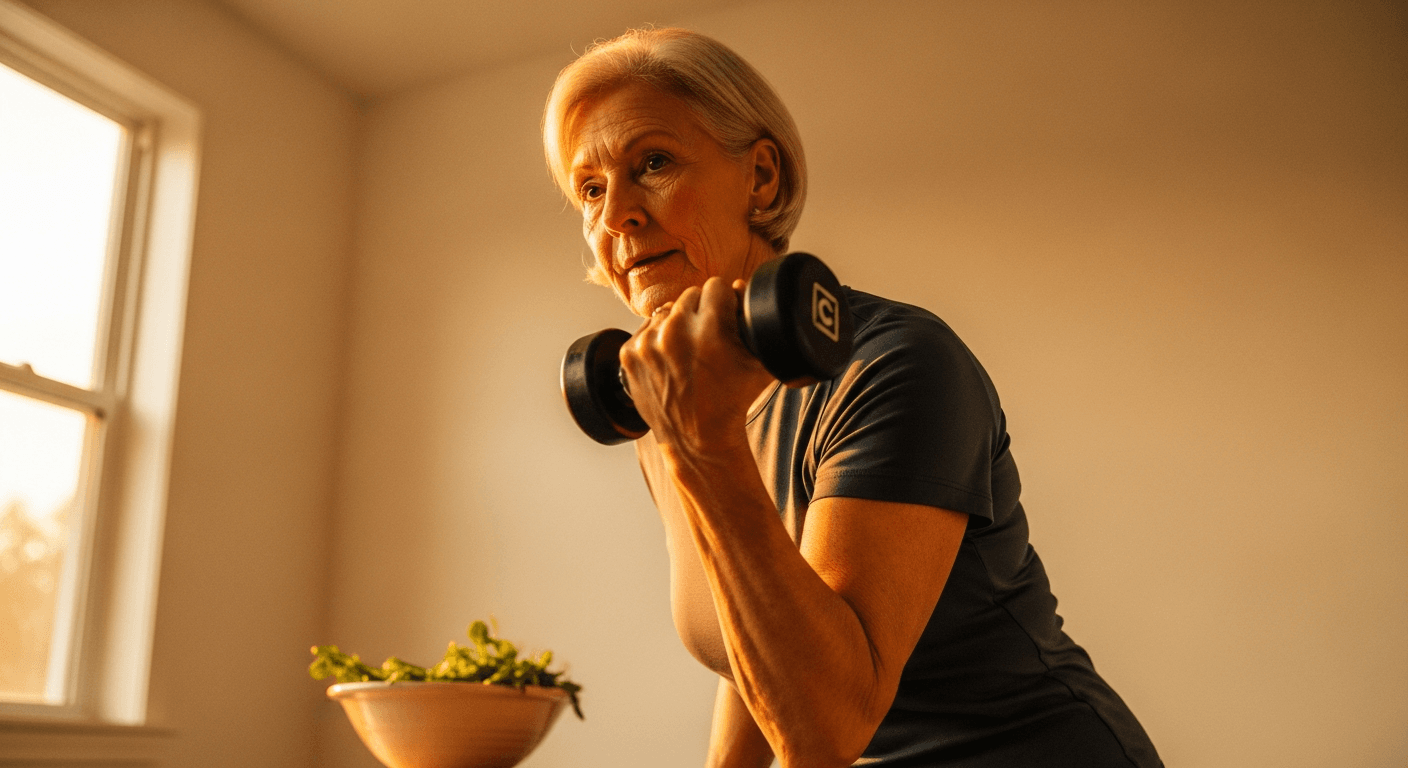
Regular movement, particularly combined endurance and resistance training. The microbiome study shows that it's sustained training load that creates measurable shifts in gut microbial diversity. The older women study shows that regular strength training maintains muscle mass and force — the two most reliable predictors of functional independence in aging.
Quality-oriented eating, not perfection. Centenarian offspring don't follow a radical diet. They eat more fish, more vegetables, less sodium, less added sugar. Modest but consistent adherence to these principles over decades produces measurable effects on metabolic, cardiovascular, and cognitive health.
Stress management and recovery support. The gut microbiome data includes the finding that chronic overload (excessive training without sufficient recovery) degrades microbial diversity. Longevity research consistently highlights sleep quality and recovery practices, social connections, and regular recovery practices.
Why active people have a head start
If you're exercising regularly, you've already done the hardest part. Most sedentary adults face the challenge of building a movement habit from scratch. For you, movement is already embedded in your routine.
What 2026 data suggests is that the marginal adjustments that make the biggest difference for already-active people generally aren't in the training program — they're in the adjacent behaviors:
- Sleep quality: 7-9 hours with complete cycles, not just the number of hours
- Sodium: reducing intake, especially through processed foods
- Cardio-to-resistance transition: adding 2-3 strength sessions per week if you're primarily doing cardio
- Active recovery: light movement days between intense sessions, not complete rest days
The shift toward healthspan
The concept emerging most clearly in 2026 longevity research is healthspan — not just how many years you live, but how many years you live in good functional health. It's quality of life at 70, 80, or 90 that's becoming the target, not raw lifespan.
This shift matters for understanding why strength training after 50 is more critical than most people realize. Keeping muscle mass means keeping autonomy — the ability to get up on your own, carry groceries, walk long distances without excessive fatigue. It's a form of freedom that few people truly value until they start to lose it.
A simple message from converging data
The three studies from this week, seemingly disparate, collectively say something simple: the behaviors that lead to a long and healthy life aren't mysterious, esoteric, or reserved for an elite. They're accessible, consistent, and cumulative. Move regularly. Eat fish and vegetables. sleep deprivation undermines performance more than most training mistakes. Manage stress. Don't lose your muscle mass.
If you're reading this and you're already training, you're probably doing more for your longevity than you realize. The 2026 science is in the process of giving you the data to validate that direction — and refine it.