
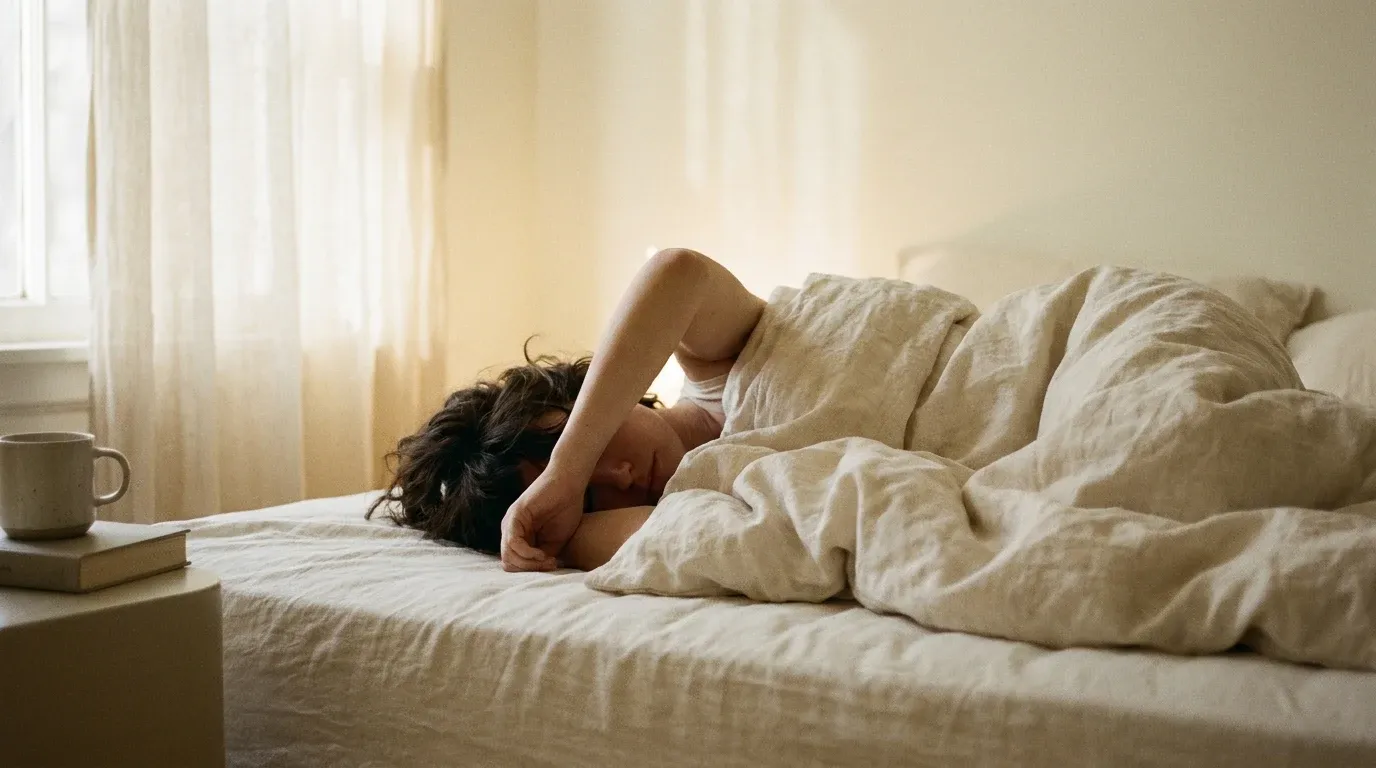
A lot of people treat cannabis as a natural sleep aid. You take a few hits, feel your body relax, and drift off faster than usual. It feels like it's working. But a sweeping 35-year longitudinal study suggests that feeling is largely an illusion, and that regular marijuana use may actually make your sleep worse over time, not better.
This isn't a small, short-term lab experiment. It's one of the longest continuous examinations of cannabis and sleep outcomes ever conducted, and its findings challenge one of the most common reasons people reach for weed at night.
What the Study Actually Measured
Most cannabis sleep research has a major flaw: it relies on self-reported data. Participants are asked how they feel about their sleep, not what their sleep actually looks like on a physiological level. Feeling relaxed after smoking is real. Sleeping better because of it is a different claim entirely.
This longitudinal study tracked participants across 35 years, collecting data on sleep quality, duration, and daytime functioning at multiple points throughout their lives. Researchers weren't just asking whether people felt they slept well. They were measuring outcomes that reflect genuine sleep health: difficulty falling asleep, nighttime awakenings, early morning waking, and how rested people felt during the day.
The core finding was consistent: people who used marijuana regularly did not experience better sleep than non-users. In many cases, they reported worse outcomes. Heavy users were significantly more likely to report sleep problems than those who didn't use cannabis at all.
Why Marijuana Feels Like It Helps (Even When It Doesn't)
THC, the primary psychoactive compound in cannabis, does produce sedative effects. It reduces the time it takes to fall asleep, which is where the reputation as a sleep aid comes from. If you've struggled to quiet your mind at night, that initial sedation feels valuable.
The problem is what happens deeper in the sleep cycle. THC suppresses REM sleep, the phase associated with memory consolidation, emotional regulation, and cognitive restoration. Less REM doesn't mean worse sleep in the short term in any way you'd obviously notice. But across months and years, consistently suppressed REM has real consequences for brain health and mood.
There's also the tolerance and dependence dynamic. Over time, the same dose of THC produces less of the initial sedative effect. Users often increase consumption to get the same result. When they stop, or even reduce their use, withdrawal symptoms frequently include severe insomnia and vivid, disturbing dreams. This is the REM rebound effect, where suppressed REM comes flooding back intensely once THC is removed from the picture. It's one reason why quitting cannabis after regular use can feel so destabilizing.
If you're already navigating disrupted sleep from other health factors, it's worth reading about whether marijuana actually helps you sleep, which breaks down the short-term versus long-term distinction in more detail.
Longitudinal Data Changes the Conversation
The design of this study matters. Short-term studies can capture what marijuana does to sleep over a few nights or weeks. They can't capture what happens to a 28-year-old who smokes nightly until they're 45. That's the gap a 35-year longitudinal study fills.
Tracking the same individuals across decades removes a lot of the noise that plagues shorter research. People's sleep naturally changes with age, stress levels, health conditions, and lifestyle. When you follow the same cohort over 35 years, you can account for those variables and isolate the cannabis-specific signal more reliably.
What the data showed was that the sleep benefits users reported at the start of their cannabis use tended to erode over time. By middle age, regular users were not sleeping significantly better than non-users, and in several categories, they were sleeping worse. That's a meaningful finding, not just a statistical footnote.
The Broader Research Context
This study doesn't exist in isolation. A growing body of evidence has been raising questions about cannabis as a reliable sleep intervention, particularly for regular users. Research published in peer-reviewed journals has linked heavy cannabis use to reduced sleep efficiency, more time spent awake after initially falling asleep, and lower sleep quality scores overall.
One consistent pattern across studies is that the relationship between cannabis and sleep is dose-dependent and highly variable across individuals. Occasional, low-dose use may not carry the same risks as nightly, high-dose consumption. But most people who use cannabis for sleep aren't occasional users. They're relying on it regularly, which is exactly the pattern the longitudinal data flags as problematic.
Sleep disruption also doesn't stay in its lane. Poor sleep quality over time is connected to elevated cardiovascular risk, metabolic dysfunction, impaired immune response, and accelerated cognitive decline. If you're also dealing with stress-driven sleep problems, understanding what chronic stress does to your body adds important context, since stress and sleep deprivation compound each other in ways that cannabis doesn't resolve.
Who This Matters Most For
Athletes and active people are a particularly relevant audience here. Sleep is the cornerstone of recovery. Deep sleep is when your body releases growth hormone, repairs muscle tissue, and consolidates motor learning. If you're training hard and relying on cannabis to help you recover overnight, you may be undermining the very thing you're trying to support.
If your sleep problems are connected to overtraining, life stress, or poor recovery habits, a structured approach to returning to training or adjusting your program might address the root cause more effectively than any sleep aid. The smartest way to return to training after a break covers how recovery should actually be structured, which directly affects sleep quality.
Postpartum individuals are another group where this matters. Sleep deprivation is already severe in that period, and the temptation to reach for something that offers relief is understandable. But cannabis poses specific concerns for people who are breastfeeding or managing postpartum mood, and guidance for postpartum clients outlines recovery frameworks that support sleep without that risk.
People with existing sleep disorders also need to be careful. If you have undiagnosed or undertreated sleep apnea, cannabis won't fix the underlying airway obstruction causing your disrupted sleep. It may simply mask the daytime sleepiness enough that you delay seeking a real diagnosis. The relationship between sleep apnea treatment and long-term health is substantial, and whether CPAP actually protects you from cardiovascular risk is a question worth understanding if poor sleep is a recurring issue for you.
What Actually Works for Sleep
The evidence base for improving sleep quality without cannabis is stronger than most people realize. Cognitive behavioral therapy for insomnia (CBT-I) remains the most effective long-term intervention for chronic insomnia, outperforming sleep medications in head-to-head trials. It addresses the thought patterns and habits that perpetuate insomnia rather than just sedating you through the night.
Beyond CBT-I, the fundamentals of sleep hygiene carry real weight when applied consistently:
- Consistent sleep and wake times, even on weekends, anchor your circadian rhythm more powerfully than most people appreciate.
- Cooler sleeping environments (around 65 to 68 degrees Fahrenheit) support the drop in core body temperature that facilitates deep sleep.
- Light management, specifically bright light in the morning and reduced blue light exposure in the evening, regulates melatonin production naturally.
- Limiting alcohol, which, like cannabis, creates an initial sedative effect while fragmenting sleep architecture in the second half of the night.
- Physical activity, particularly resistance training and moderate aerobic exercise, consistently improves sleep quality in controlled trials.
Nutrition also plays a role. Deficiencies in certain B vitamins can affect the metabolic pathways involved in producing sleep-regulating neurotransmitters like serotonin and melatonin. If you're curious whether your diet is covering those bases, understanding whether food or supplements are the better source of B vitamins is a practical starting point.
The Takeaway
The 35-year study doesn't say cannabis is universally harmful. What it says is that using it as a reliable, long-term sleep aid doesn't hold up against the evidence. The short-term sedation is real. The long-term sleep improvement isn't.
If you're reaching for cannabis to sleep better, you're solving the symptom while potentially deepening the problem. The science increasingly points toward the same conclusion: sustainable sleep quality comes from addressing the underlying causes of poor sleep, not from a nightly shortcut that erodes your sleep architecture over years.
Your recovery depends on real sleep. It's worth building the habits that actually protect it.