
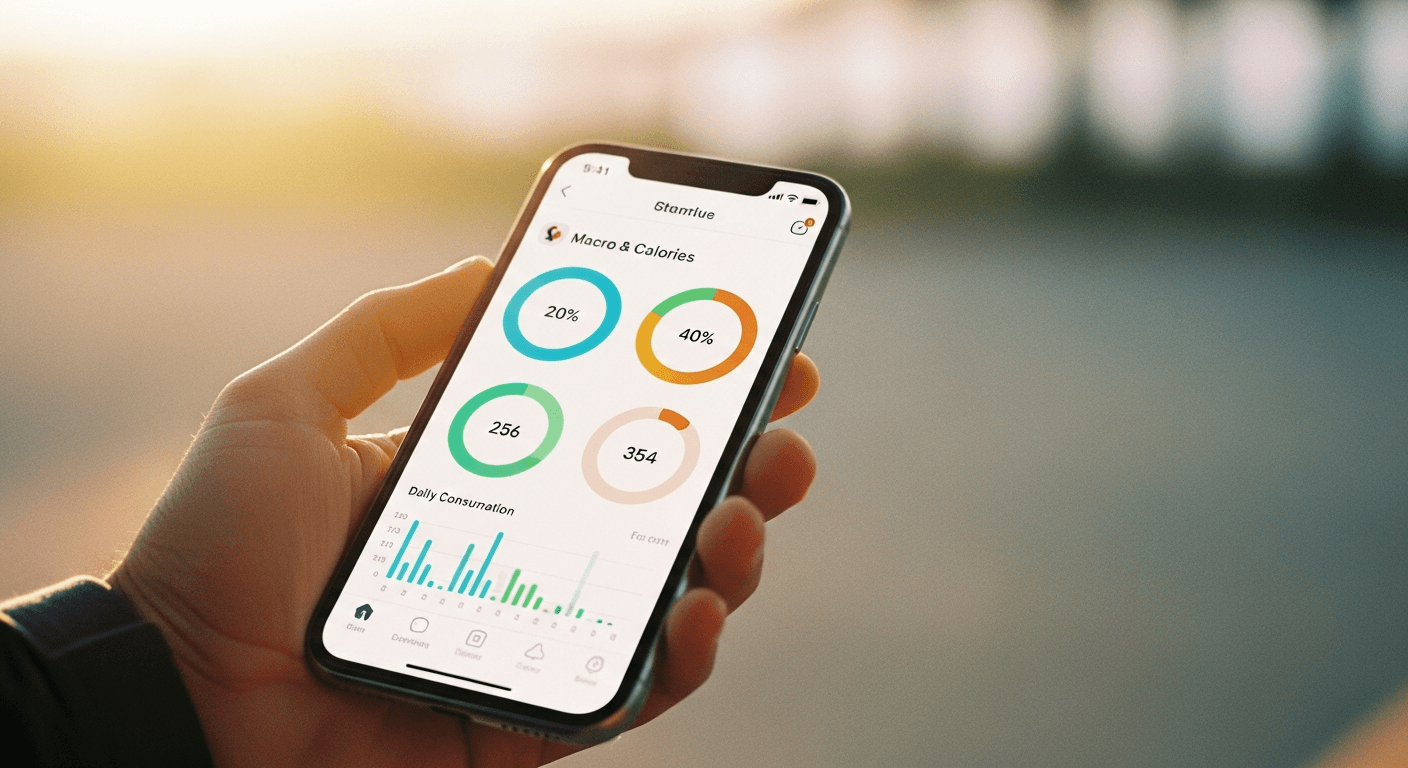
MyFitnessPal is back on the market. Francisco Partners, the private equity firm that acquired the calorie-tracking app from Under Armour in 2020 for roughly $345 million, is now exploring a sale that could value the platform at over $1 billion. That's a significant premium on a four-year hold, and it raises a legitimate question: what exactly is worth a billion dollars here?
The short answer is the data. The longer answer involves understanding where the fitness app market is heading in 2026, who the likely buyers are, and what they plan to do with one of the most detailed nutrition databases ever built.
A Brief History of MyFitnessPal's Valuation Rollercoaster
Under Armour purchased MyFitnessPal in 2015 for $475 million, betting that connected fitness was the future of athletic apparel. That bet didn't play out the way they hoped. By 2020, Under Armour was offloading the app at a steep discount as part of a broader strategic retreat from digital health.
Francisco Partners stepped in at $345 million, a bargain price for an app that still boasted over 200 million registered users. Since then, MyFitnessPal has relaunched its premium subscription tier, expanded its food database to over 14 million entries, and integrated with wearables, fitness trackers, and third-party health platforms. Now the firm is reportedly eyeing a sale price north of $1 billion, representing a roughly 3x return on their acquisition cost.
That kind of multiple, on a consumer wellness app, tells you something about the current appetite for health data infrastructure.
Why Fitness Tech Consolidation Is Accelerating in 2026
The MyFitnessPal sale doesn't exist in a vacuum. It's part of a broader wave of consolidation reshaping the fitness technology sector. The Playlist-EGYM merger brought together gym software and fitness equipment into a single operator stack. Whoop, Garmin, and Apple have been aggressively expanding their health data ecosystems. And weight loss has become one of the most commercially valuable categories in consumer health.
The rise of GLP-1 medications has reshaped how millions of people think about nutrition and body composition. If you're managing GLP-1 medications and muscle loss, you need to track protein intake, caloric deficits, and lean mass preservation with a level of precision that a casual food diary can't provide. MyFitnessPal, at its best, does exactly that.
At the same time, consumer fitness goals have shifted. Strength training has overtaken weight loss as the top fitness goal for 2026, which means users are increasingly tracking nutrition not to restrict calories but to fuel performance. That shift changes the value proposition of a nutrition app entirely, and it changes who wants to buy one.
Who Might Actually Buy MyFitnessPal
Speculation has centered on a few categories of potential acquirers. Here's how each one maps to a plausible strategic rationale.
- Large tech platforms: Apple, Google, and Amazon all have active health initiatives. MyFitnessPal's food database and longitudinal user data would meaningfully upgrade any of their health tracking ecosystems. The challenge is regulatory scrutiny, which has made large tech acquisitions harder to close.
- Pharmaceutical or biotech companies: With GLP-1 drugs dominating the weight management category, companies like Novo Nordisk or Eli Lilly have a direct interest in platforms that help users maintain compliance, track outcomes, and manage nutritional side effects. A nutrition tracking app becomes a clinical tool when positioned correctly.
- Fitness and wellness conglomerates: Companies like Life Fitness, WW International (formerly Weight Watchers), or even a platform like Noom could use MyFitnessPal's database to anchor a broader behavior-change product. WW in particular has been rebuilding its digital infrastructure and has already pivoted toward medication-assisted weight management.
- Private equity again: Not all exits lead to strategic buyers. Another PE firm could acquire MyFitnessPal, continue monetizing the subscription base, and attempt a future IPO once public market conditions improve for consumer tech.
The Data Question Nobody Wants to Ask Out Loud
Here's the part that deserves direct attention. MyFitnessPal has over 200 million registered accounts. Many of those users have logged years of daily food intake, weight fluctuations, exercise habits, and health goals. That's not just behavioral data. That's longitudinal biometric data on a scale that almost no other consumer platform possesses outside of Apple and Google.
When a pharmaceutical company or an insurance platform acquires that data infrastructure, the implications go well beyond app features. Nutrition patterns correlate with chronic disease risk. Weight trajectories correlate with health outcomes. If you've been logging your meals in MyFitnessPal for five years, you've essentially handed an acquirer a detailed health profile with no guarantee of how it will be used under new ownership.
MyFitnessPal was involved in a significant data breach in 2018, when hackers accessed approximately 150 million user accounts. The app's privacy policies have evolved since then, but the breach established that the data exists, it's valuable, and it's a target. Any acquisition at this scale should trigger questions about what data portability and consent frameworks will apply under the new owner.
What a $1B Valuation Actually Signals About the Nutrition App Market
Beyond the MyFitnessPal story specifically, the $1 billion valuation is a signal worth reading carefully. It tells you that investors believe nutrition data is a core asset in the next phase of consumer health. Not fitness content. Not workout programming. Nutrition data.
That's consistent with where the research is pointing. Nutritional interventions, whether through food tracking, supplement optimization, or protein-focused eating strategies, are increasingly tied to outcomes that go far beyond weight management. The debate between collagen and whey protein based on 2026 research is exactly the kind of evidence-based nutrition question that a platform like MyFitnessPal is positioned to help users navigate at scale.
Wearables are tracking sleep, heart rate variability, and recovery, but nutrition remains the hardest variable to quantify accurately. A platform that holds detailed food logging data for hundreds of millions of users is sitting on the missing piece of the health optimization puzzle. That's why the number is over a billion.
What This Means If You're a MyFitnessPal User
If you currently use MyFitnessPal to track your nutrition, a potential sale doesn't require immediate action. But it does warrant attention. A few things worth watching:
- Privacy policy changes: Acquisitions often come with updated terms of service. Read them. If data sharing permissions expand, you'll want to know.
- Feature direction: Depending on who acquires the platform, you may see a shift toward medication integration, clinical partnerships, or personalized recommendations driven by AI. That could be genuinely useful or commercially exploitative, depending on execution.
- Pricing changes: MyFitnessPal Premium currently runs around $20 per month or $80 per year. Post-acquisition pricing could change, particularly if a new owner repositions the platform upmarket toward health-conscious or medically supervised users.
- Data export: It's worth downloading your logged data now, before any ownership transition. MyFitnessPal allows data exports through its settings menu.
The Bigger Picture for Fitness Tech
The MyFitnessPal sale story connects to a broader truth about where fitness and wellness are heading. The hardware race, smart mirrors, connected bikes, sensor-laden gym equipment, has largely played out. The next competitive frontier is data interpretation and behavior change at scale.
If you're working with a coach, whether online, in-person, or in a hybrid format, the value of that relationship increasingly depends on their ability to synthesize data from multiple sources, including nutrition logs, sleep tracking, and training metrics. A platform like MyFitnessPal, under the right ownership, could become the connective tissue between all of those inputs.
Equally, tools that monitor recovery and readiness, like the wearables discussed in whether your wearable actually knows how recovered you are, become far more actionable when paired with accurate nutrition data. Knowing that your HRV is low matters more when you also know you under-ate protein and slept six hours.
The $1 billion price tag on MyFitnessPal isn't really a valuation of a calorie counter. It's a valuation of the infrastructure needed to make personalized health advice actually work. That infrastructure, whoever owns it next, is going to shape how a significant portion of the English-speaking world understands and manages its own health.
Pay attention to who buys it.