
A recent systematic review of randomized controlled trials found that switching to a plant-based diet reduced C-reactive protein (CRP) by an average of 1.13 mg/L. That's a meaningful drop. CRP is the primary blood marker clinicians use to track chronic low-grade inflammation, and chronic inflammation is directly linked to slower recovery, higher injury risk, and blunted training adaptations.
But here's the part most athletes miss: you don't need to go fully plant-based to capture most of that benefit. The research points to specific foods and patterns doing the heavy lifting. If you're already training consistently and eating for performance, a few targeted additions and swaps can move the needle without dismantling your nutrition strategy.
Why Chronic Inflammation Matters for Performance
Acute inflammation is normal and necessary. It's the short-term response that drives muscle repair after a hard session. The problem is chronic, low-grade inflammation. It lingers in the background, often symptomless, and over time it degrades tissue repair, disrupts hormonal signaling, and compromises immune function.
Athletes aren't immune. High training loads, poor sleep, and a diet heavy in ultra-processed foods can all sustain elevated CRP levels even in otherwise fit individuals. The evidence now confirms that diet alone is a lever you can pull to bring those levels down.
The RCT Evidence: What Dietary Changes Actually Reduce CRP
The new review focused specifically on randomized controlled trials, which means it filtered out the noise of observational data. The 1.13 mg/L reduction from plant-based dietary patterns is statistically significant and clinically relevant. To put that in context, the threshold for elevated cardiovascular inflammation risk typically starts around 3 mg/L, and even modest reductions below that carry measurable health consequences.
What the studies collectively show is that the anti-inflammatory effect comes primarily from two directions: increasing specific pro-resolution foods, and reducing consistent pro-inflammatory ones. Both sides of that equation matter.
The Foods That Carry the Most Anti-Inflammatory Weight
You don't have to overhaul your eating. These five categories have the strongest evidence behind them and are realistic additions for active adults.
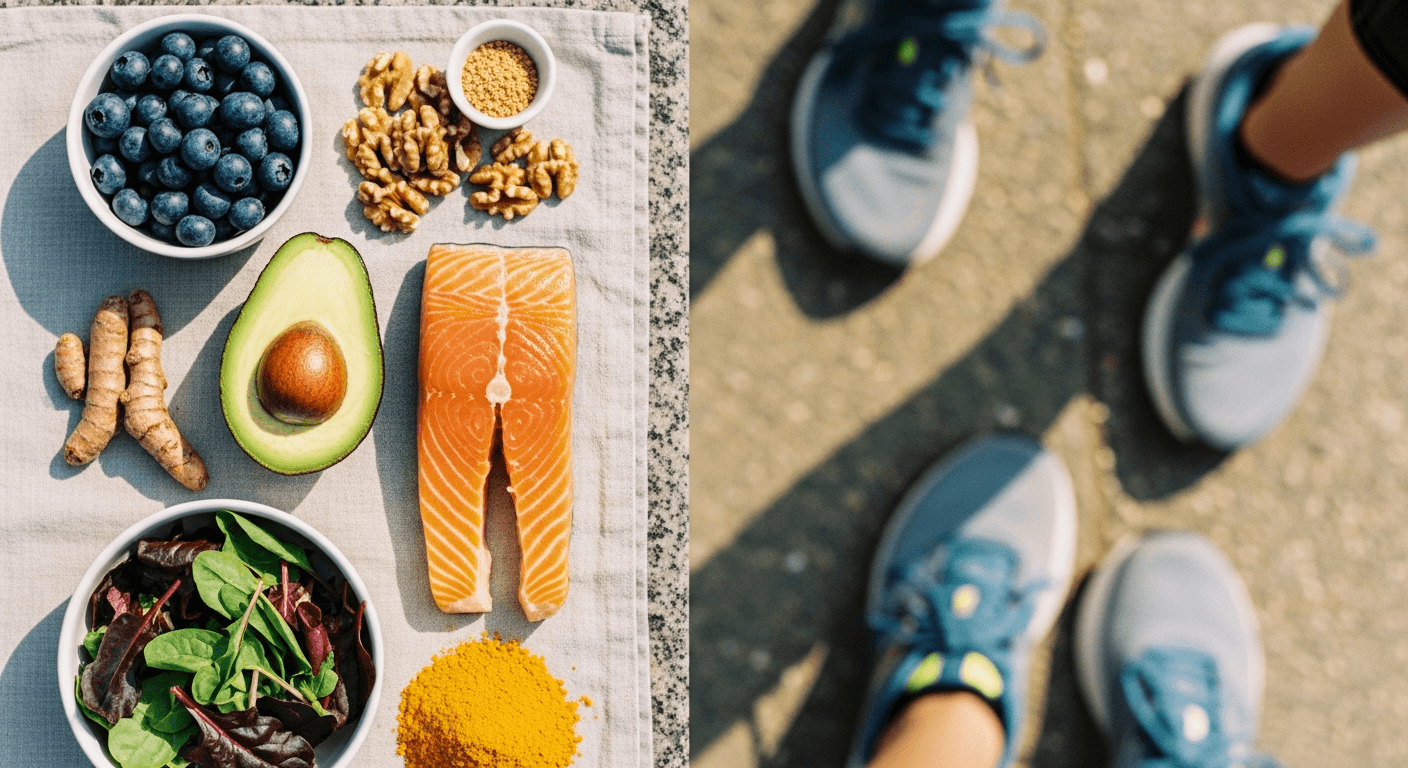
- Omega-3-rich foods. Fatty fish (salmon, sardines, mackerel), walnuts, and flaxseed consistently reduce inflammatory cytokines including IL-6 and TNF-alpha. The mechanism is well-established: omega-3 fatty acids compete with omega-6s in cell membranes and shift the inflammatory signaling balance. Aim for at least two servings of fatty fish per week, or supplement with 2-3g of EPA and DHA daily if your diet doesn't support that.
- Polyphenol-rich berries. Blueberries, tart cherries, and strawberries contain anthocyanins that directly inhibit NF-kB, a key inflammatory signaling pathway. Tart cherry juice in particular has accumulated solid evidence in exercise recovery contexts, with studies showing reduced muscle soreness and lower post-exercise inflammatory markers after intense training.
- Leafy greens. Spinach, kale, arugula, and Swiss chard provide magnesium, folate, and carotenoids that all contribute to anti-inflammatory signaling. Magnesium deficiency alone is associated with higher CRP levels, and most athletes are borderline deficient given how much magnesium is lost through sweat.
- Legumes. Lentils, black beans, chickpeas, and edamame offer a combination of fiber, resistant starch, and polyphenols that feed beneficial gut bacteria. The gut-inflammation connection is one of the more robust findings in recent nutritional science: a diverse, fiber-fed microbiome produces short-chain fatty acids that actively reduce systemic inflammation.
- Whole grains. Oats, quinoa, brown rice, and barley maintain a lower glycemic response than their refined counterparts and contain beta-glucans and other compounds associated with reduced inflammatory markers. They also serve as a practical training fuel, which makes them an easy swap rather than a sacrifice.
What to Cut Back On
The evidence on pro-inflammatory foods is just as consistent as the evidence on protective ones. Two categories stand out with the most reliable signal across studies.
Ultra-processed foods are the clearest dietary predictor of elevated CRP. They're typically high in refined seed oils, added sugar, emulsifiers, and artificial additives, many of which independently disrupt gut barrier integrity and amplify inflammatory signaling. This isn't about eliminating convenience foods entirely. It's about reducing their frequency, especially in the windows around training and recovery when your body is most responsive to nutritional input. Ultra-processed food and muscle: the real impact on strength breaks down exactly how these foods interfere with adaptation beyond just inflammation.
Refined carbohydrates drive repeated spikes in blood glucose and insulin, which activate pro-inflammatory pathways. White bread, pastries, sugary drinks, and most commercial cereals all sit in this category. For athletes, the practical fix isn't to fear carbohydrates. It's to prioritize whole food carbohydrate sources the majority of the time and reserve refined options for specific performance contexts, like pre-race loading or mid-event fueling.
Layering Anti-Inflammatory Eating Over Sports Nutrition
Here's where most anti-inflammatory dietary advice falls apart for athletes: it ignores the fact that performance nutrition has non-negotiable requirements. You need adequate protein to drive muscle protein synthesis. You need sufficient carbohydrates to fuel training and replenish glycogen. You need total calorie intake to support recovery. An anti-inflammatory strategy that cuts protein or under-fuels training isn't a strategy. It's a liability.
The good news is that anti-inflammatory eating and performance nutrition are almost entirely compatible. The adjustments are additive, not subtractive.
Protein: Keep your intake consistent with your training demands. The anti-inflammatory additions in this guide, including legumes, fatty fish, and whole grains, all contribute to overall protein intake. They don't replace your existing protein sources. If you're strength training or in a high-volume phase, you'll still want to hit roughly 1.6 to 2.2g of protein per kilogram of bodyweight daily. If you're a woman in a strength training cycle, the specific breakdown in Protein for Women: The No-BS Practical Guide is worth reviewing to make sure your targets are calibrated to your goals.
Carbohydrates: Swapping refined grains for whole grains and adding legumes provides comparable or better training fuel with a significantly lower inflammatory load. The fiber and micronutrient content are bonuses, not trade-offs. During high-intensity blocks or competition prep, your carbohydrate volume may need to increase. That doesn't conflict with anti-inflammatory principles. Whole food carbohydrates scale well.
Calories: Under-fueling is itself pro-inflammatory. Energy restriction elevates cortisol and suppresses immune function. If you're adding anti-inflammatory foods, make sure you're not inadvertently cutting total intake. Volume and variety should go up, not down.
Practical Implementation: Week One
Abstract nutrition advice doesn't stick. Here's a concrete starting point that doesn't require a complete restructuring of how you eat.
- Add one serving of fatty fish (around 150g) to two dinners this week. Canned sardines or salmon count.
- Replace refined breakfast cereals with oats or a whole grain base three mornings this week.
- Add half a cup of blueberries or tart cherries to your post-training meal or shake daily.
- Sub one refined grain side (white rice or pasta) with a legume-based option: lentils, chickpeas, or black beans.
- Add two large handfuls of leafy greens daily through salads, stir-fries, or smoothies.
These aren't dramatic changes. But compounded over several weeks, they systematically shift your dietary pattern toward the profile that produced meaningful CRP reductions in clinical trials.
Beyond Diet: What Else Influences Inflammation
Diet is one of the most actionable levers, but it doesn't operate in isolation. Sleep quality has a direct and well-documented impact on inflammatory markers. Poor or fragmented sleep elevates CRP and IL-6 independent of what you eat. If you're training hard and eating well but consistently under-sleeping, your inflammatory load will stay elevated. The interaction between training recovery and sleep debt is explored in depth at Post-Marathon Recovery: How Long You Actually Need.
Supplement evidence on inflammation is also worth keeping in context. Some nutrients show genuine anti-inflammatory mechanisms in research settings. Others are overhyped. Before adding immune-related supplements on top of a dietary strategy, it's worth reviewing what the actual evidence supports. Vitamin B3 and NK Cells: What the New Study Means is a useful benchmark for how to evaluate that kind of evidence critically.
The bottom line is straightforward. Dietary changes alone can produce clinically measurable reductions in chronic inflammation. You don't need to go fully plant-based, restrict your protein, or sacrifice performance nutrition to see results. You need to add more of the right foods consistently, reduce your reliance on ultra-processed options, and treat anti-inflammatory eating as a layer on top of smart training nutrition. Not a replacement for it.