
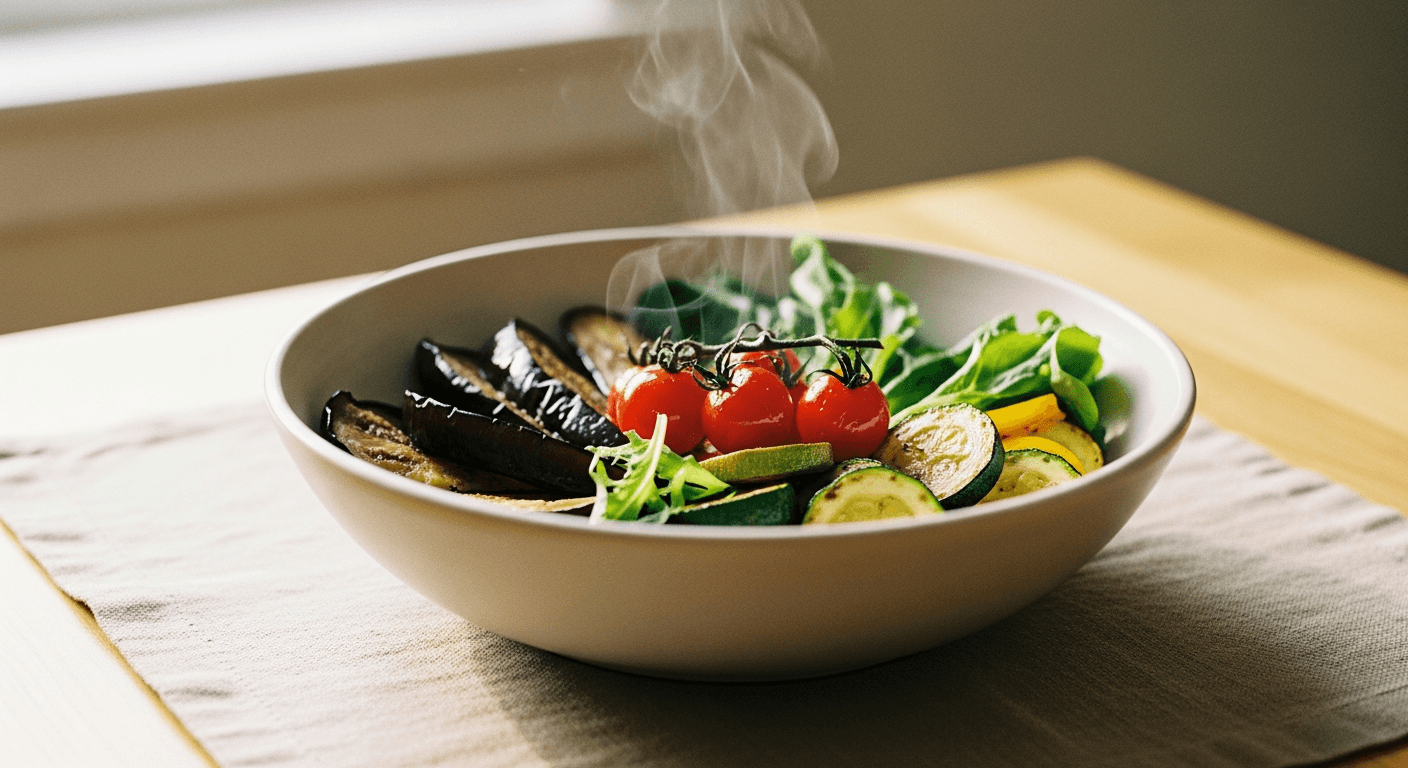
A major European nutrition study published in early 2026 delivered a finding that's hard to dismiss: participants following a vegetarian diet lost approximately 15% more body fat than those eating a conventional omnivore diet over the same period. Same caloric targets. Similar activity levels. The difference was what was on the plate.
If you've been skeptical about plant-based eating, especially as an active person, this study is worth understanding in detail. Not the headline. The actual protocol.
What the Study Actually Looked Like
The 2026 European Nutrition Study ran over 16 weeks and enrolled several hundred adults across multiple countries. Participants were divided into two groups: one following a structured lacto-ovo vegetarian diet, and one following a standard balanced diet that included meat, fish, and dairy. Both groups were given comparable caloric targets adjusted for body weight and baseline activity levels.
The vegetarian protocol wasn't a free-for-all of pasta and cheese. It was built around whole food sources: legumes, tofu, tempeh, eggs, low-fat dairy, vegetables, whole grains, and nuts. Protein targets were set deliberately, with the vegetarian group averaging between 1.2 and 1.5 grams per kilogram of body weight daily. That's consistent with the updated 2025-2030 dietary guidelines recommending 1.2 to 1.6 g/kg for active adults.
By week 16, the vegetarian group had lost significantly more fat mass while preserving lean body mass at rates comparable to the control group. The 15% gap in fat loss wasn't driven by eating less. It was driven by eating differently.
Why the Fat Loss Gap Exists
Researchers pointed to several mechanisms that likely explain the difference. None of them are surprising in isolation. Together, they're compelling.
- Lower energy density per meal. Whole-food plant meals tend to deliver more volume and fiber per calorie. You feel full sooner and stay full longer, which naturally reduces total intake even when caloric targets are matched.
- Higher fiber intake. The vegetarian group consumed significantly more dietary fiber, which slows gastric emptying, blunts glucose spikes, and feeds beneficial gut bacteria that influence fat storage and metabolism.
- Improved insulin sensitivity. Plant-heavy diets consistently show improvements in insulin response, which means the body is more efficient at using carbohydrates as fuel rather than storing them as fat.
- Reduced saturated fat load. Eliminating red meat and processed meat cut saturated fat intake substantially, which correlates with reduced visceral fat accumulation over time.
The gut microbiome piece deserves separate attention. Research increasingly shows that the composition of your gut bacteria directly influences how your body extracts and stores energy from food. If you want the full picture on that, the evidence connecting gut health to athletic performance is worth your time.
Secondary Outcomes That Matter as Much as the Scale
Fat loss was the headline, but the secondary outcomes from the 2026 study are arguably more useful for active adults making day-to-day decisions.
Vegetarian participants reported significantly higher energy levels by week four, a period when many dietary transitions typically produce fatigue or adaptation dips. They also reported better digestion, less bloating, and more consistent bowel regularity. These aren't soft wins. Digestive comfort directly affects training quality, sleep, and recovery capacity.
Perhaps the most interesting secondary finding was mood stability. The vegetarian group scored meaningfully better on self-reported mood consistency and stress resilience metrics throughout the trial. This tracks with what's known about the gut-brain axis: when your gut microbiome is healthier and more diverse, neurotransmitter production improves. Serotonin, dopamine, and GABA are all partially synthesized in the gut.
Better mood and lower stress aren't peripheral to fitness. They're central to it. Chronic psychological stress elevates cortisol, which promotes fat storage, disrupts sleep, and slows recovery. Managing that loop through diet is an underrated lever.
The Muscle Retention Question
Here's where most active adults hesitate. The fear isn't about fat loss. It's about muscle loss. If you're lifting, training for endurance, or trying to hold on to hard-earned lean mass, the idea of removing meat from your diet triggers a reasonable concern.
The 2026 study addressed this directly. Lean mass retention was statistically comparable between the two groups. The vegetarian participants who hit their protein targets preserved muscle at rates similar to the omnivore group. The key phrase is "hit their protein targets." Passive plant-based eating, without intentional protein planning, won't cut it. But a structured vegetarian approach absolutely can.
The protein sources that performed best in the study were those with complete or near-complete amino acid profiles: eggs, Greek yogurt, edamame, tofu, tempeh, and quinoa. Combining legumes with whole grains across the day (not necessarily at every meal) consistently met leucine thresholds needed to trigger muscle protein synthesis.
If you're thinking about protein timing around your workouts, the evidence on protein timing and muscle retention clarifies how much the window actually matters versus total daily intake.
What Performance Looks Like on This Protocol
The study didn't track elite athletic performance as a primary outcome, but the participants weren't sedentary. Most were recreationally active adults with moderate training loads. Within that context, the vegetarian group maintained training consistency, with no significant drop in reported workout quality or perceived exertion scores.
For endurance-focused athletes, the case for plant-heavy eating has additional support. Higher carbohydrate availability from whole grains, fruit, and legumes provides a reliable glycogen substrate. Anti-inflammatory compounds from vegetables and polyphenol-rich foods reduce exercise-induced inflammation, which shortens recovery time. Long-duration sports nutrition strategies increasingly reflect this shift toward plant-forward fueling for sustained output.
Strength athletes require more deliberate planning, particularly around leucine and total protein per meal. But the ceiling is higher than most people assume. Multiple strength athletes competing at serious levels now operate on fully vegetarian or vegan protocols and maintain competitive muscle mass.
How to Actually Transition Without Losing Progress
A cold-turkey shift from a meat-heavy diet to a vegetarian protocol is rarely the right move. The 2026 study participants followed a structured onboarding period, not a overnight overhaul. Here's what a practical transition looks like:
- Start with protein anchors. Build each meal around a defined protein source first. Eggs, Greek yogurt, cottage cheese, tofu, tempeh, or legumes. Don't design meals around vegetables and then try to add protein. Reverse the process.
- Track for at least four weeks. You need data before you can assess results. Most people underestimate how much protein they're getting, or overestimate it. Track it precisely for the first month.
- Prioritize whole food carbohydrates over refined ones. The vegetarian group in the study wasn't eating processed vegetarian food. Whole grains, legumes, and starchy vegetables. Not crackers, chips, and plant-based frozen meals.
- Supplement strategically. Vitamin B12 is non-negotiable on a vegetarian diet. Creatine, vitamin D3, omega-3s from algae oil, and zinc are worth monitoring, particularly for athletes with high training loads.
- Give your gut time to adapt. Increased fiber intake causes digestive adjustment. Expect some bloating in weeks one and two. It resolves. Don't abandon the protocol during the adaptation window.
What This Means If You Already Eat Well
You don't have to go fully vegetarian to capture most of these benefits. The 2026 study compared a structured vegetarian protocol against a standard diet that included moderate meat consumption. It wasn't comparing extremes. Even shifting two or three meals per day toward the plant-forward template used in the study likely produces meaningful changes in fat oxidation, energy, and digestion over time.
The evidence base is getting harder to argue with. A well-planned vegetarian diet, built around adequate protein, diverse whole foods, and controlled caloric intake, produces superior fat loss outcomes compared to a conventional mixed diet. It does this without sacrificing muscle retention when protein targets are met. And it produces secondary benefits that directly support training quality, recovery, and psychological resilience.
If you're already paying close attention to what you eat, the 2026 findings aren't a reason to panic or overhaul everything. They're a reason to look at your current plate and ask whether more of it could be plant-based. The broader nutrition lessons from early 2026 point in a consistent direction: less processed, more whole food, more plants. This study is one more data point in that line.
The protocol works. The question is whether you're willing to run it correctly.