
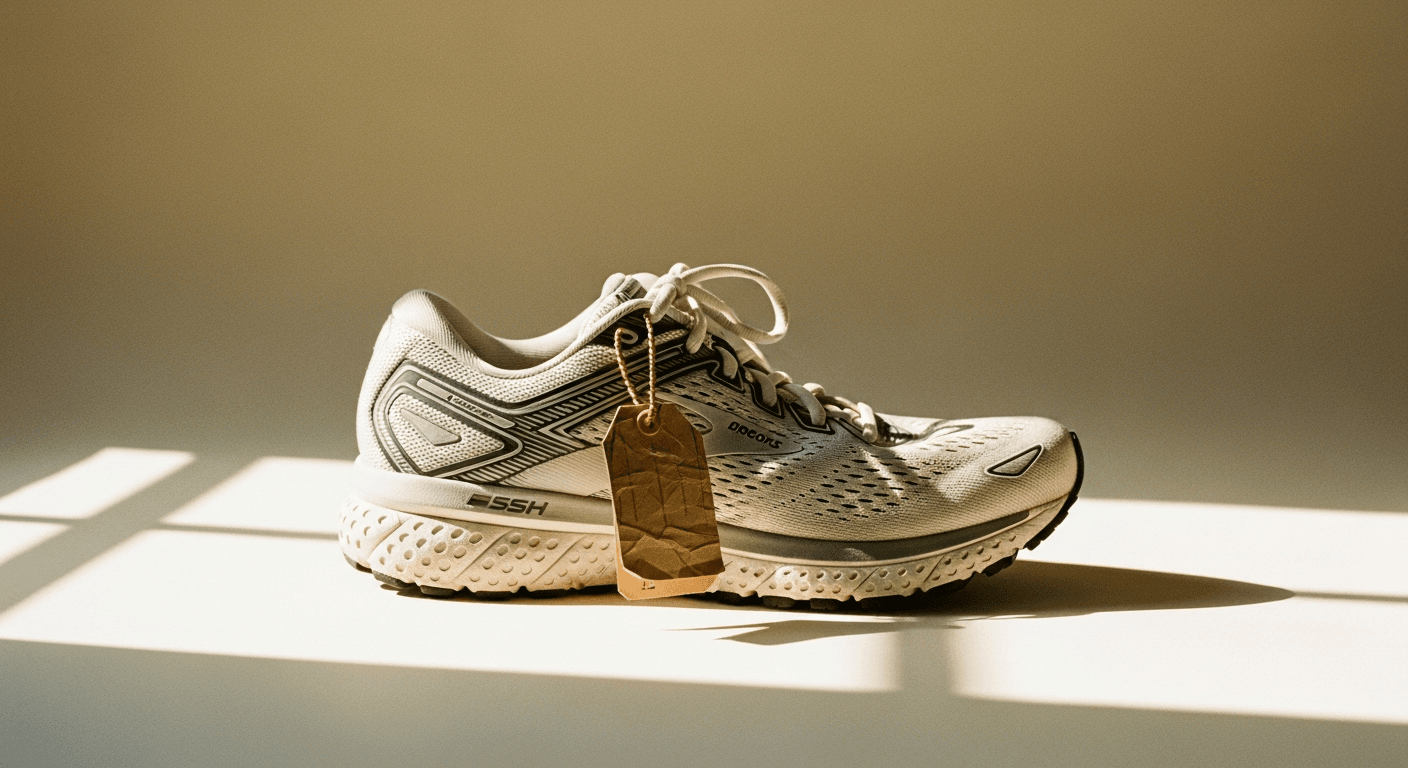
The Spring 2026 U.S. Consumer and Executive Footwear Survey, conducted jointly by AlixPartners and the Footwear Distributors and Retailers of America (FDRA), makes one thing clear: the athletic footwear market is under real pressure. Tariffs and macro uncertainty aren't just squeezing margins at the supply chain level. They're actively reshaping what American consumers want from a pair of shoes.
For brands that built their entire value proposition around performance technology and premium pricing, that shift is a serious problem. And it's happening faster than most executives anticipated.
What the Survey Actually Found
The AlixPartners and FDRA data confirms a broad pullback in demand for athletic and athleisure footwear. Consumer confidence has softened meaningfully across income brackets, and footwear is emerging as one of the clearest categories where shoppers are choosing restraint. That restraint isn't just about spending less. It's about spending differently.
When consumers do buy athletic footwear, they're applying a harder filter. The question is no longer "what does this shoe do?" It's "how long will this shoe last?" That's a fundamental reorientation of purchase logic, and it cuts directly against the innovation cycles that brands like Nike, adidas, On Running, and HOKA have spent years building around.
Tariff-driven price increases are the proximate cause. Many athletic footwear products are manufactured in Vietnam, China, and Indonesia. With elevated import duties layered on top of already-tight household budgets, the effective price of a premium performance shoe has crossed a threshold for a significant share of the US consumer base.
Durability Is the New Performance
Here's where it gets strategically uncomfortable for major athletic brands. The survey data shows consumers are now prioritizing durability over performance technology. That might sound like a subtle distinction, but it represents a structural threat to the premium-tier product strategy that has driven revenue growth across the category for the better part of a decade.
Performance technology sells on aspiration. A carbon-fiber plate, a proprietary foam compound, a sensor-embedded midsole. These features justify $180 to $260 price points when consumers feel financially confident and are willing to pay for marginal gains in their training. Durability sells on pragmatism. It's a value calculation. Shoppers want to know how many miles a shoe will hold, whether the outsole will degrade in six months, and whether they can wear it across multiple use cases without replacing it quickly.
The brands most exposed are those that have leaned hardest into frequent product refresh cycles. If your go-to-market strategy depends on consumers upgrading every 12 to 18 months because the new model has a 3% energy return improvement, you're now selling into a market that no longer considers that a compelling reason to spend.
This connects to a broader shift happening across the fitness industry. As we've tracked in coverage of the fitness equipment market's projected growth to $22.5B by 2035, consumers are becoming more deliberate about long-term investment in their health infrastructure. That mindset favors durability, versatility, and proven performance over novelty.
The Personalization Problem
The survey also reveals a quieter but equally significant finding: custom fit and personalization are weakening as purchase drivers. This matters because several major brands have invested heavily in fit technology, from 3D foot-scanning in retail environments to AI-powered size recommendation tools online.
That investment made sense in a market where consumers were actively seeking differentiated experiences and willing to pay for them. It makes less sense when the primary purchase driver is "will this shoe last two years?" Personalization becomes a luxury signal rather than a functional benefit, and luxury signals lose traction fast in a tariff-pressured environment.
Brands that built their retail and digital marketing architecture around personalization now face a repositioning challenge. The technology isn't going away. But the messaging around it needs to shift from "this shoe is uniquely yours" to "this shoe is built to last for your specific use." That's a different story, and it requires a different kind of creative and commercial execution.
Pricing Architecture Under Pressure
One of the harder conversations happening inside athletic footwear companies right now is about pricing tiers. The premium segment, broadly defined as shoes priced above $150, has expanded significantly over the past five years. Brands pushed price points upward, consumers followed, and margin structures improved. That dynamic is now reversing.
When tariff-driven cost increases coincide with a consumer base that's less willing to pay for performance differentiation, brands face an uncomfortable choice. They can absorb costs and protect volume, which compresses margins. They can pass costs through and protect margins, which risks further demand erosion. Or they can restructure their product portfolio to rebalance across price tiers.
The third option is the most strategically sound, but it's also the hardest to execute. Introducing more competitive mid-tier options risks cannibalizing premium lines. Repositioning existing premium products as durability-focused requires supply chain changes that take 18 to 24 months to implement. Neither option produces results in a single fiscal quarter.
It's worth noting that this pricing pressure doesn't exist in isolation. The fitness and wellness category broadly is seeing consumers make tougher trade-offs about where they spend. Someone managing their training budget may be choosing between new footwear, a coaching subscription, or a gym membership renewal. Understanding those competing priorities is part of what operators and brands need to account for, as covered in detail in analysis of what the ACSM's 2026 fitness trends mean for gym operators.
What Pro Brands Need to Do Now
The survey data points toward a clear set of strategic priorities for athletic footwear brands navigating this environment.
- Reframe durability as a performance metric. Brands don't need to abandon performance positioning. They need to expand the definition of performance to include longevity. A shoe that holds its cushioning integrity over 500 miles is performing. Lead with that story.
- Audit your product tier distribution. If more than 60% of your volume sits above $150, you're overexposed in the current environment. Developing or re-merchandising strong offerings in the $90 to $130 range isn't brand dilution. It's category survival.
- Shift personalization messaging to utility. Custom fit technology should be positioned around reducing injury risk and extending product usability, not around the novelty of the experience itself. That framing holds up under value scrutiny.
- Revisit refresh cycle timing. Consumers who are buying for durability are not interested in an annual update. Slowing your product calendar while deepening storytelling around existing franchises may actually improve sell-through in this climate.
- Invest in transparency around materials and manufacturing. Durability-focused consumers want to understand what they're buying. Brands that can communicate clearly about outsole compounds, midsole longevity, and construction quality will earn more trust than brands that rely on abstract tech branding.
The Deeper Demand Signal
There's something important underneath the tariff story that brands shouldn't miss. The shift toward durability isn't purely a response to price pressure. It's also consistent with a broader consumer evolution toward intentional purchasing, lower consumption volume, and longer product relationships.
This is showing up across fitness verticals. Consumers who are thinking seriously about their long-term physical health, the kind of person reading about how to prevent muscle loss after 40 or building a sustainable training routine, are also making more considered decisions about the tools and gear they invest in. They're not buying less because they care less. They're buying less because they care more about what they buy.
That consumer is actually a better long-term customer for brands willing to meet them where they are. They're less susceptible to trend cycles, more likely to develop brand loyalty when they trust a product, and more likely to advocate within their networks. The brands that emerge from this tariff-pressured period in the strongest position will be the ones that treated this moment as a signal to build deeper product credibility, not just a cost problem to manage around.
The athletic footwear market is not in freefall. But it's in a recalibration phase, and the brands that treat it as such, adjusting value propositions, pricing architecture, and storytelling in parallel, will be better positioned when consumer confidence recovers. Those that hold on to pre-tariff assumptions about what consumers want are taking a significant strategic risk.
For a broader read on how technology acquisitions and data-driven positioning are reshaping the fitness product landscape, the implications of Oura's acquisition of Galen AI offer a useful parallel on how leading brands are betting on long-term consumer relationships over short-term product cycles.