
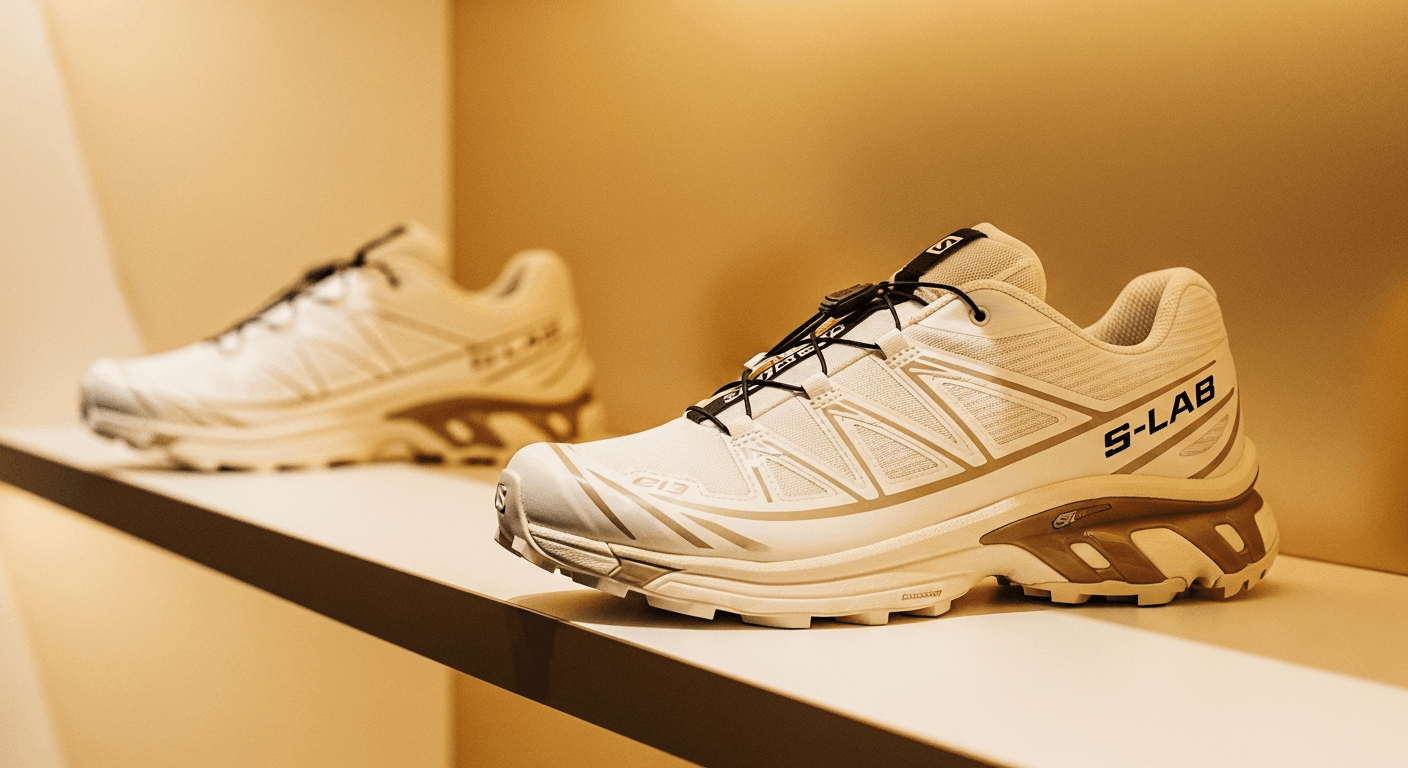
Salomon has never been a quiet brand. From dominating trail podiums to outfitting some of the world's toughest ultramarathon fields, its reputation in performance running has been built over decades. But in 2026, the French outdoor giant is making a different kind of statement. It's not just about winning races anymore. It's about owning the retail floor.
The brand is aggressively accelerating its direct-to-consumer strategy and physical retail presence, signaling a clear shift away from its traditional reliance on wholesale and specialty running store distribution. For runners, that shift carries real consequences. Some of them are good.
From Trail Niche to Mainstream Shelf Space
Salomon built its running credibility the hard way. Its S/LAB line became shorthand for serious trail performance. The XT-6 crossed over into streetwear. The Speedcross became one of the best-selling trail shoes of all time. But despite that cultural and competitive weight, Salomon's retail availability has historically been uneven, particularly in road running and outside of specialty outdoor retailers.
That's changing. In 2026, Salomon is pushing into broader multi-sport retail channels, investing in branded in-store experiences, and building out its direct e-commerce infrastructure. The goal is straightforward: make Salomon as easy to buy as Nike or New Balance, without sacrificing the performance identity that built the brand.
This kind of vertical integration isn't new in the industry. On Running built much of its early growth on direct-to-consumer volume before expanding into retail partnerships. Brooks has leaned into specialty run stores as a strategic differentiator. Salomon appears to be attempting a hybrid model that captures both.
A Market Already Under Pressure
The premium running footwear market is not a quiet place right now. Brands are competing fiercely for a consumer who is better informed, more brand-aware, and more willing to spend than ever before. Research consistently shows that runners in the $130 to $200 price range are the most loyal and highest-value customers in the category. That's exactly the segment Salomon is targeting.
On Running has grown into a multi-billion dollar brand largely on the back of its CloudTec technology and a sharp direct-to-consumer playbook. Brooks continues to hold strong in the specialty channel, particularly in the US. Hoka remains dominant in both trail and road categories. New entrants like Topo Athletic and Altra are carving out loyal communities. And then there are legacy giants like Adidas and Nike, whose marathon racing shoes have reset consumer expectations around what footwear technology can do.
Salomon entering this fight with a more aggressive retail strategy doesn't just add another logo to the shelf. It reshapes the competitive dynamics for everyone. Brands that have been comfortable in their distribution lanes will feel pressure to sharpen their own visibility and value propositions.
What This Means for Your Next Shoe Purchase
Here's where the expansion gets directly relevant to you as a runner. When a brand with Salomon's credibility scales up its retail presence, a few things tend to happen in the broader market.
- Pricing pressure increases. More competition at the $150 to $180 price point forces all brands to justify their cost. That's good for consumers. Expect more promotional activity, wider sale windows, and stronger entry-level offerings across the category.
- Availability improves. If you've ever tried to track down a specific Salomon trail shoe outside of a specialist outdoor store, you know the frustration. Broader distribution means fewer dead ends, more size runs in stock, and faster shipping from direct channels.
- Technology filters down faster. When brands compete at scale, performance innovations tend to reach mid-range price points more quickly. Salomon's Energy Blade technology and lightweight foam compounds, currently concentrated in premium SKUs, may find their way into more accessible models sooner.
- Retail experience improves across the board. Salomon investing in branded in-store environments puts pressure on competitors to do the same. The runner benefits from better gait analysis support, more knowledgeable floor staff, and stronger demo programs.
None of this is guaranteed. Retail expansion is expensive, and not every brand that has tried to scale quickly has done it without sacrificing what made them worth following in the first place. The risk for Salomon is real. Overextension into mass retail can dilute brand equity, and the trail running community is not forgiving of brands that go mainstream at the cost of performance depth.
Trail Running's Rising Stakes
The timing of Salomon's push matters. Trail running participation has grown sharply over the past five years, and 2026 is shaping up as a year when the sport's mainstream moment becomes undeniable. Race registration demand is surging, event formats are diversifying, and the gear ecosystem is expanding rapidly.
The growing crossover between trail running and hybrid fitness formats like HYROX is also pulling new athletes into the performance footwear market. If you've been following HYROX Cardiff 2026: What the Race Data Actually Shows, you'll recognize that the athlete profile in obstacle and hybrid racing events increasingly overlaps with the trail and road running consumer. Brands that can serve both are in a strong position.
That crossover audience is more demanding than traditional runners in some ways. They're tracking metrics, rotating footwear by workout type, and spending more per year on gear across multiple categories. Salomon's ability to span trail, road, and lifestyle silhouettes gives it a genuine advantage in reaching that consumer if the retail infrastructure is there to support the experience.
Competition Is Good. But Watch the Details.
It's easy to cheer for more competition in any market. And on balance, Salomon's expansion is a net positive for runners. More accessible performance gear, sharper pricing, and a healthier competitive landscape are outcomes worth welcoming.
But as you evaluate what this shift means for your own kit, a few things are worth watching.
First, check whether the models being pushed through broader retail channels are the same as what Salomon sells in specialty. Some brands create separate SKUs for mass retail that look similar but differ in materials or construction. If you're buying for performance, confirm you're getting the performance version.
Second, don't let wider availability substitute for fit testing. Salomon shoes, particularly in the trail category, have a distinctive last shape and heel cup that doesn't suit every foot. Broader availability is only useful if you're still making informed decisions. Getting a proper fit analysis at a specialty run store remains the single most reliable way to avoid expensive mistakes.
Third, be thoughtful about how you're fueling the training that puts those shoes to use. Competitive gear matters, but your performance on trails and roads ultimately comes down to training consistency, recovery, and nutrition. Resources like Carbs and Hydration: The Exact Timing for Performance are worth revisiting as you build your season plan, regardless of what's on your feet.
The Broader Shift in Running Retail
Salomon's push is part of a larger structural change in how running brands reach consumers. The traditional model, where specialty run stores held most of the knowledge and distribution power, is being replaced by a more fragmented landscape. Direct apps, brand-owned retail, and social-first marketing are all pulling consumer relationships away from the independent retailer.
That shift has real downsides for the running ecosystem. Specialty run stores provide coaching connections, community events, and expert advice that no e-commerce algorithm replicates. As you navigate NYRR's Plan to Fix the Race Registration Mess and think about which races are on your calendar, consider how much of your gear knowledge comes from the running store relationships you've built. Those relationships are worth protecting, even as buying options expand.
The brands that get this right won't just win market share. They'll build the kind of durable loyalty that doesn't evaporate when the next performance technology drops. Salomon has the credibility to do that. Whether its 2026 retail push is executed in a way that enhances rather than dilutes that credibility is the question worth watching over the next 12 months.
As a runner, your job is simpler. Stay informed, keep your options open, and don't let marketing momentum substitute for honest assessment of what actually works under your feet and in your training. The gear market is about to get more interesting. That's a good thing, as long as you know how to use it.