
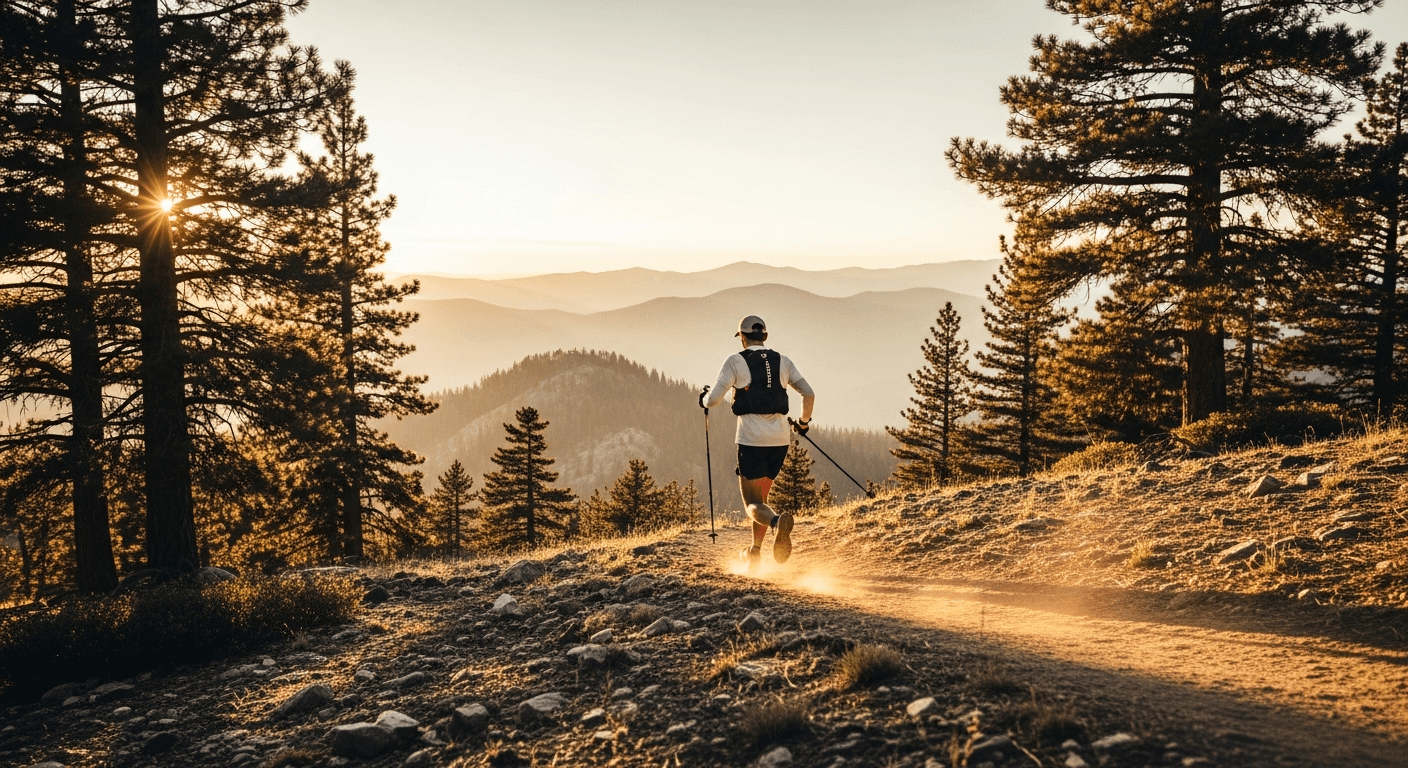
Western States 100 is not just a race. It's a 100-mile crucible through California's Sierra Nevada that separates ultrarunning's elite from everyone else. From the high-altitude start at Squaw Valley to the finish line in Auburn, athletes face over 18,000 feet of climbing, scorching canyon heat that can push past 100°F, and a final stretch that has broken more than a few seemingly unbeatable athletes. With race day approaching, the 2026 men's field deserves a close look.
Here's what the contenders bring to the table, where they're vulnerable, and what tactical decisions will likely separate the podium from the pack.
Why This Race Is Different
Western States isn't a mountain race in the traditional European sense. Yes, there's significant elevation gain, but the course descends far more than it climbs. That puts a premium on quad durability, downhill running economy, and above all, heat management. The middle section of the course, particularly the canyons between Michigan Bluff and the river crossing at Rucky Chucky, is where races are won and lost every single year.
If you're new to the demands of racing at elevation before dropping into extreme heat, how to race at altitude as a practical runner is worth understanding before assessing any contender's chances here. The physiological transition from cold mountain air to canyon heat within a single race is one of the sport's most brutal challenges.
The 2026 field reflects a wider trend in ultrarunning: athletes are arriving more prepared than ever, backed by better coaching, structured periodization, and sharper race-day nutrition protocols. That raises the ceiling for performance but also means the margins between contenders are tighter.
The Favorites: Form and Recent Results
Any serious analysis of the men's field has to start with the athletes who've demonstrated they can handle both the sustained effort and the specific demands of this course. Recent 100-mile and 100K performances, particularly on comparable terrain, are the strongest predictors of Western States readiness.
Athletes who've run strong at races like Black Canyon 100K, Lake Sonoma 50, and other Western States qualifying events this year arrive with course-relevant fitness. The ability to run well on fast, technical trails with significant heat exposure carries far more weight here than a strong result on a cold, flat course.
Several contenders have posted impressive times in the 14-to-16-hour range at comparable events, suggesting they're capable of challenging the course record on a good day. But Western States has a way of humbling runners who peak too early or miscalculate their effort through the first 60 miles.
Climbing Strength vs. Canyon Durability
The first 30 miles of Western States are deceptively demanding. The climb out of Squaw Valley is steep and technical, and athletes who go out too hard chasing position here often pay a severe price between miles 55 and 80. The elite men's race tends to feature a tactical patience that looks almost conservative by the standards of shorter races.
Contenders with backgrounds in European mountain racing often arrive with exceptional climbing ability but can struggle with the heat and the long, runnable descents that define the back half of the course. Athletes from the American trail running circuit, particularly those who've trained in California or the Southwest, tend to have a structural advantage in heat adaptation.
Heat training is a measurable factor in performance at Western States. Research on heat acclimation consistently shows that athletes who complete structured heat exposure in the weeks before a hot-weather race can improve plasma volume and sweat efficiency significantly. Whether through deliberate sauna sessions or training in warm conditions, the contenders who've prioritized this will have an edge through the canyons.
For anyone tracking their own summer training alongside following this race, the principles behind training in summer heat without wrecking your progress apply at every level of the sport, not just the elite.
Nutrition and Fueling: The Hidden Variable
At 100 miles, fueling strategy is as important as fitness. The athletes who can sustain caloric intake through nausea, heat stress, and cumulative fatigue are the ones who finish strong. Most elite ultrarunners at Western States will aim to consume between 200 and 300 calories per hour, relying heavily on aid station support and crew access at key points.
Protein management across a race of this length is genuinely complex. The body's ability to process and use macronutrients degrades with cumulative stress, and athletes who over-rely on any single fuel source often hit critical walls late in the race. The science behind protein intake and how the body actually uses it under load is relevant context for understanding why elite ultrarunners build their fueling plans the way they do.
Supplement use among elite ultrarunners is also worth noting. The demands of recovery and training at this level mean many athletes use targeted supplementation, though the risk of contamination in unverified products is a real concern. Supplement contamination is a risk every competitive athlete needs to understand, particularly given the strict anti-doping standards that apply at major international events.
Key Tactical Matchups to Watch
Western States is a race where crew and pacer access points structure the competitive dynamics as much as individual fitness. Athletes with experienced crews who know the course can gain meaningful time through efficient aid station transitions and well-timed nutrition drops. The difference between a smooth stop and a chaotic one at mile 62 can cost several minutes that are nearly impossible to recover at race pace.
Here are the specific sections where you should expect the race to reshape itself:
- Emigrant Pass to Robinson Flat (miles 0-30): Expect early jostling for position, but watch which athletes hold back. The runners who look relaxed here are often the ones contending at mile 85.
- Devil's Thumb to Michigan Bluff (miles 47-55): This is where the heat really bites. Canyon temperatures can be 30 to 40 degrees hotter than the start. Any athlete showing distress here is unlikely to recover.
- Foresthill to the River (miles 62-78): Pacers are allowed from Foresthill. The psychological and physical lift of having a pacer here often produces some of the fastest splits of the entire race. Athletes who arrive at Foresthill within striking distance of the leaders frequently make their moves here.
- No Hands Bridge to Auburn (miles 96-100): This final stretch is mostly runnable, which means it rewards athletes with the best remaining leg turnover. If the race is close entering this section, pure speed and mental toughness decide it.
Equipment and Footwear Considerations
Trail shoe selection at Western States is a legitimate competitive variable. The course shifts between rocky high-country terrain, compacted dirt, and loose canyon trails, which means generalist shoes that perform well across multiple surfaces have an advantage over highly specialized options. Several top contenders have worked directly with shoe brands on prototype builds for this specific course.
The advances in trail shoe technology in recent years have genuinely changed what's possible in terms of protection, energy return, and grip. If you want to understand what actually matters in trail footwear beyond marketing claims, the breakdown of trail shoe technology in 2026 and what actually makes a difference cuts through the noise effectively.
The Dark Horse Question
Every year at Western States, at least one athlete who wasn't prominently featured in pre-race analysis finishes in the top five. The nature of 100-mile racing means that execution on the day matters enormously, and a runner who's been quiet in the build-up can absolutely deliver a breakout performance.
Athletes who've shown consistent improvement across multiple years of Western States or comparable races are worth watching even if their recent results don't place them at the top of the rankings. Familiarity with the course, knowledge of their own limits, and disciplined pacing can be worth 30 to 45 minutes over 100 miles compared to a more talented athlete who overestimates their heat tolerance.
The 2026 field has genuine depth beyond the obvious favorites, and the athletes finishing in positions four through ten could easily have been on the podium with slightly different conditions or decisions on the day.
What Race Day Will Likely Look Like
Barring extreme weather, expect the lead group to be relatively contained through the first 50 miles. The real race starts at Foresthill. If temperatures in the canyons approach historical highs, expect attrition to thin the field dramatically, potentially creating opportunities for athletes who ran conservatively and heat-trained specifically for these conditions.
The winning time in a competitive year with moderate conditions typically falls between 14:30 and 15:30 for the men's open division. In a hot year, that window shifts significantly. Either way, the athlete who crosses the line at Auburn will have navigated one of the most demanding single-day athletic challenges in the world with exceptional discipline across every phase of the race.
That's what makes Western States worth watching. It's not just about who's fastest. It's about who's most prepared for everything the race throws at them.