
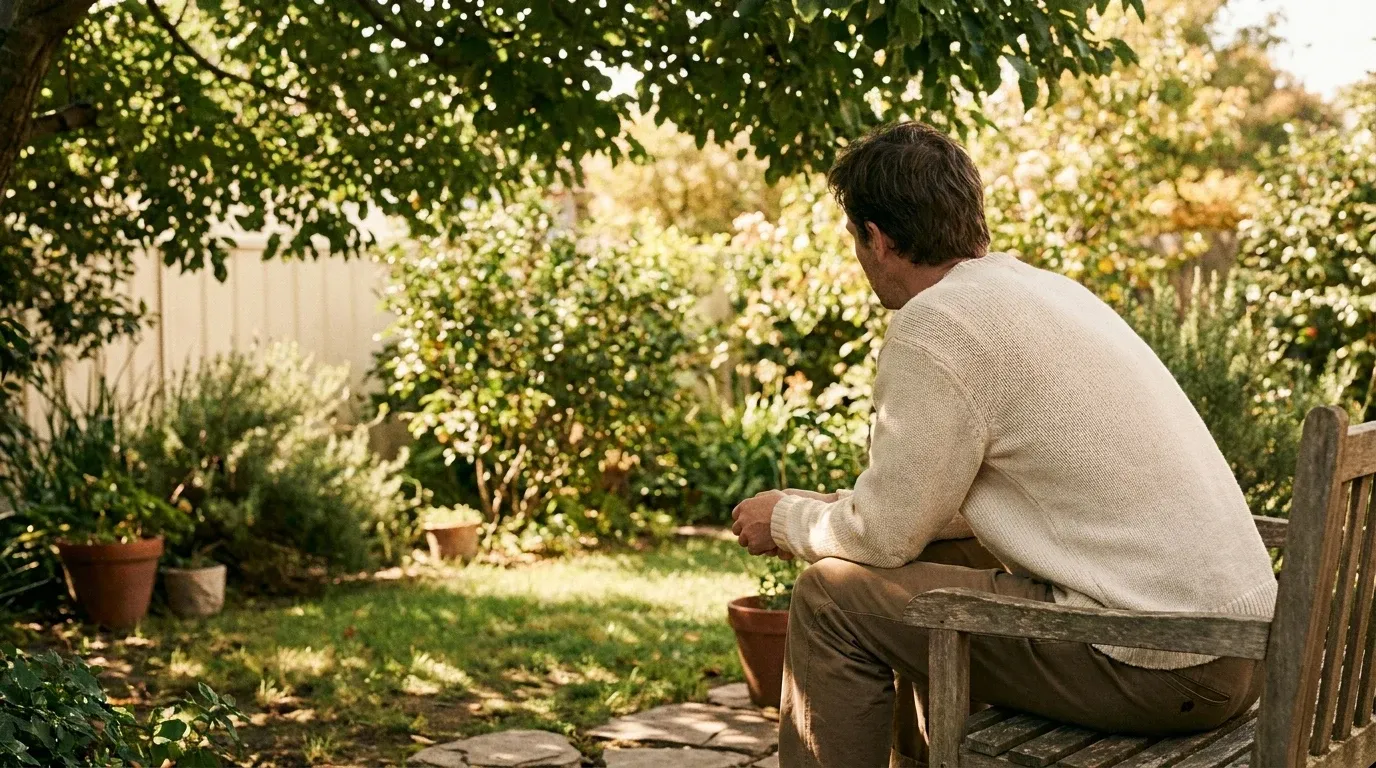
Stress management has a reputation for being complicated. Breathwork protocols, meditation apps, supplements, therapy sessions. Some of it works. All of it takes effort, and most of it costs money. But a growing body of research points to something far simpler: stepping outside for 20 minutes can produce a measurable drop in cortisol, the hormone most directly tied to your body's stress response.
That's not a rough estimate. Researchers have now quantified the dose with enough precision to say that the window between 20 and 30 minutes in a natural outdoor setting consistently produces the strongest cortisol reduction. Less than that and the effect is smaller. More than that and the benefit levels off rather than compounding.
What the Research Actually Shows
A widely cited study published in Frontiers in Psychology asked participants to spend time in nature at least three times per week, for a duration they chose themselves. Salivary cortisol was measured before and after each session. The results showed that 20 to 30 minutes produced the steepest decline in cortisol per minute spent outside. After that threshold, the rate of reduction slowed significantly.
The effect held across different types of outdoor environments. Participants didn't need to visit a forest, a national park, or any carefully curated green space. A backyard, a neighborhood street with trees, a small urban park. What mattered was that the setting felt natural, that participants weren't actively exercising, and that they weren't using their phones.
That last point is worth sitting with. The researchers found that passive digital engagement during the outdoor session blunted the cortisol response. Simply being outside while scrolling appears to interrupt the mechanism driving the benefit.
Why Cortisol Matters More Than Most People Realize
Cortisol is often framed as the villain of modern wellness, but that framing misses the point. Cortisol is essential. It regulates your immune response, helps control blood sugar, and drives your body's alertness cycle. The problem isn't cortisol existing. It's cortisol remaining chronically elevated when it shouldn't be.
When cortisol stays high for extended periods, the downstream effects are wide-ranging. Sleep quality degrades. Muscle tissue breaks down more readily. Fat storage, particularly around the abdomen, increases. Cognitive function takes a hit. And your cardiovascular system operates under sustained load it isn't designed to handle indefinitely.
Chronic stress also disrupts the cellular maintenance processes your body relies on to stay healthy at a deeper level. How Exercise Fixes the Cellular Recycling System That Ages explains how physical and biological stress responses overlap in ways most people don't consider. Nature exposure targets the hormonal layer of that system directly.
The Backyard Is Enough
One of the most practically significant findings from this line of research is that the setting doesn't need to be impressive. You don't need to live near trails or schedule weekend hikes to access this effect. A functional outdoor space of almost any kind produces comparable cortisol reductions.
Research comparing urban parks, suburban backyards, and semi-rural settings found no statistically significant difference in cortisol outcomes when the duration and screen-free condition were held constant. The nervous system doesn't appear to require a particularly scenic view. It responds to the combination of natural light, ambient sound patterns found in outdoor environments, and the removal of task-oriented stimulation.
This makes the intervention genuinely accessible. If you're in a city, a park bench or a tree-lined block qualifies. If you're at home, your garden or even a quiet outdoor courtyard appears to be sufficient. The barrier to entry here is lower than almost any other evidence-based stress reduction tool.
How This Fits Into Stress Management That Actually Works
Nature exposure doesn't replace other fundamentals. Sleep, exercise, and nutrition remain the foundation. But this research positions outdoor time alongside those tools rather than below them, particularly for people who find structured stress management practices difficult to sustain.
Sleep disruption and cortisol exist in a feedback loop. Elevated cortisol delays sleep onset and reduces sleep depth. Poor sleep then pushes cortisol higher the following day. If you're already addressing your sleep environment and tracking your recovery, adding a daily 20-minute outdoor window may help interrupt that cycle at the hormonal level. Stress Relief Beyond Breathwork: What Actually Works covers the broader landscape of interventions with real evidence behind them, and nature exposure fits cleanly within that framework.
It's also worth noting that the cortisol-lowering effect of outdoor time appears to stack reasonably well with other lifestyle behaviors rather than competing with them. Morning light exposure, which regulates circadian rhythm, overlaps with outdoor time. Physical activity done outdoors may combine both benefits simultaneously, though the research on combined effects is still developing.
The Conditions That Make It Work
Based on what the research shows, here's what seems to matter for producing a measurable cortisol response:
- Duration: Aim for 20 to 30 minutes. Shorter sessions produce smaller effects. Longer sessions don't appear to add significantly more benefit beyond that window.
- Screen use: Leave your phone in your pocket or at home. Active engagement with digital content during the session appears to blunt the hormonal response.
- Setting: Any natural or semi-natural outdoor environment qualifies. You don't need wilderness. A backyard, a park, or a quiet street with tree cover all appear to work.
- Activity level: The studies showing the strongest cortisol effects involved light or no physical activity. Sitting, standing, or slow walking. Intense exercise outdoors produces its own physiological benefits but through a different mechanism.
- Frequency: Three or more sessions per week produced the clearest effects in the research. Daily practice is likely better, and the time commitment is low enough to make that realistic for most people.
Nature Exposure as a Recovery Tool
There's a case to be made for outdoor time as a recovery tool specifically, not just a general wellness habit. Cortisol management is central to physical recovery. High cortisol suppresses testosterone and growth hormone signaling, both of which are involved in muscle repair and adaptation after training.
If you're training regularly, your recovery strategy probably includes sleep, nutrition, and maybe some deliberate downtime. Adding a 20-minute outdoor session on rest days or in the evenings fits into that structure without requiring additional equipment or significant scheduling. Popular Recovery Tricks That Are Killing Your Gains outlines how common recovery approaches can backfire. A low-cost, evidence-supported habit like this stands in contrast to many of the overcomplicated approaches that dominate the recovery conversation.
The research also suggests that the cortisol-lowering effect of nature exposure persists into the hours following the session, which means a morning outdoor window may influence your hormonal environment well into the afternoon.
Why This Keeps Getting Overlooked
There's no product to sell here. No supplement, no subscription, no specialized equipment. That's almost certainly part of why nature exposure as a cortisol intervention hasn't penetrated mainstream wellness culture the way breathwork or cold therapy have.
The attention economy also works against it. A 20-minute screen-free period outside, three or more times a week, runs directly counter to the conditions that keep most digital wellness platforms profitable. The intervention is boring by design. And that may be exactly why it works.
Sleep quality, which is deeply tied to cortisol regulation, responds to environmental conditions in ways most people underestimate. Your Bedroom Is Quietly Wrecking Your Sleep addresses that side of the equation. Outdoor light exposure during the day is one of the strongest signals your circadian system uses to time cortisol release, connecting daytime nature habits directly to nighttime recovery quality.
A Practical Starting Point
You don't need to overhaul your schedule. Twenty minutes, three times a week, in any outdoor environment you can access without a commute. No phone. No agenda. That's the protocol the research supports.
If you're already walking, training, or spending time outside for other reasons, you may already be capturing some of this benefit. The key variable most people miss is the screen-free condition. The physical location matters less than the cognitive state you're in while you're there.
Start with what's closest to you. A backyard in the morning, a park at lunch, a quiet street in the evening. The setting is almost irrelevant compared to the consistency. Three weeks of this, done simply and without complication, is enough time to notice a shift in how you're managing daily stress. The research supports that. And unlike most things marketed as stress solutions, it won't cost you anything.