
GLP-1 Drugs Cause Weight Loss. But What Kind?
GLP-1 receptor agonists like semaglutide, sold as Ozempic and Wegovy, have become one of the most talked-about topics in health and fitness over the past few years. Their effectiveness for reducing body weight is well-documented. Less discussed is the composition of that weight loss.
When you lose weight rapidly without exercise, some of it comes from body fat. But some can come from lean mass: your muscles. Depending on the study and population, lean mass can account for 25-40% of total weight lost on GLP-1 medications taken without concurrent exercise.
Worth noting: a paper in Frontiers in Clinical Diabetes and Healthcare points out that in middle-aged adults, GLP-1s don't appear to cause disproportionate lean mass loss relative to the fat lost. But for people who start with lower muscle mass, or who are returning to activity, the risk is real enough to address.
Why Resistance Training Isn't Optional Here
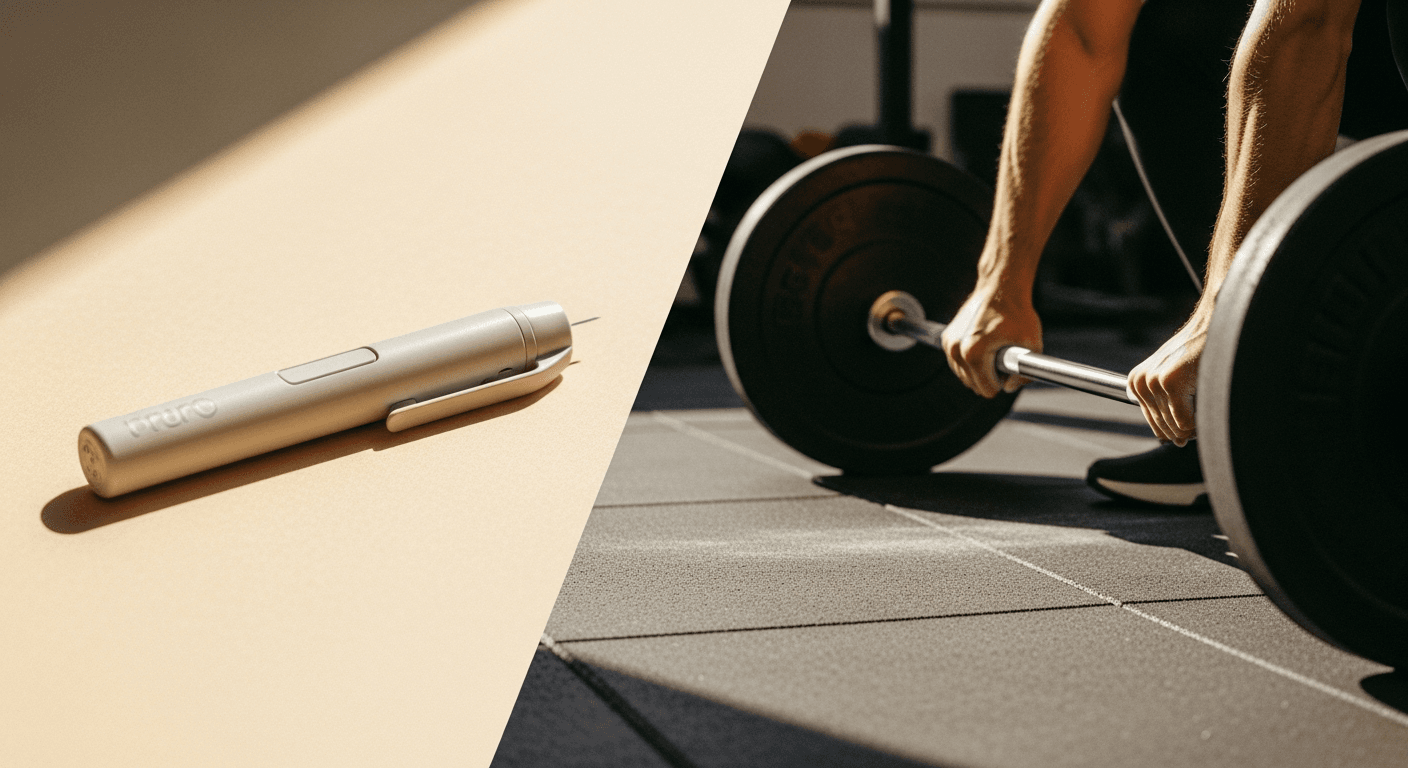
The science is clear on this: if you're on GLP-1 medications, strength training isn't a nice-to-have. It's a necessity. The drugs suppress appetite and reduce caloric intake, but they don't produce the neuromuscular adaptations that only exercise generates.
GLP-1s are remarkably effective at reducing total weight, but exercise is superior for maintaining lean mass and cardiorespiratory fitness. These are complementary tools, not interchangeable ones.
Practically speaking, aim for two to three strength training sessions per week while on GLP-1 treatment, targeting major muscle groups. Compound movements like squats, deadlifts, and bench press are especially valuable because they create a broad anabolic stimulus across multiple muscle groups simultaneously.
The Protein Problem on GLP-1 Medications
One of the most underappreciated secondary issues with GLP-1 medications is what the appetite suppression does to protein intake. Less hunger often means less food, which means less protein. But your protein needs don't decrease with the treatment: if your body is losing weight rapidly, it needs building blocks to preserve muscle tissue.
Current guidance for people on GLP-1 medications who are also training suggests around 1.6 to 2.0 grams of protein per kilogram of body weight per day. That's often more than a suppressed appetite naturally leads to, which is why structuring meals around protein sources first becomes important.
Eggs, cottage cheese, legumes, fish, and protein powders can help hit these targets even when hunger is reduced. Eating protein first at every meal is a simple strategy to make sure you're getting what you need before fullness kicks in.
The Long-Term Picture
The real question with GLP-1 treatments is what happens after. If weight loss comes with significant muscle loss, basal metabolic rate drops, resting caloric expenditure decreases, and the risk of weight regain when stopping the medication goes up.
Weight loss combined with consistent strength training produces a more favorable body composition: less fat, preserved or built muscle mass, and better-sustained metabolism over time. GLP-1s can be a powerful tool. Combined with exercise, they become genuinely transformative.