
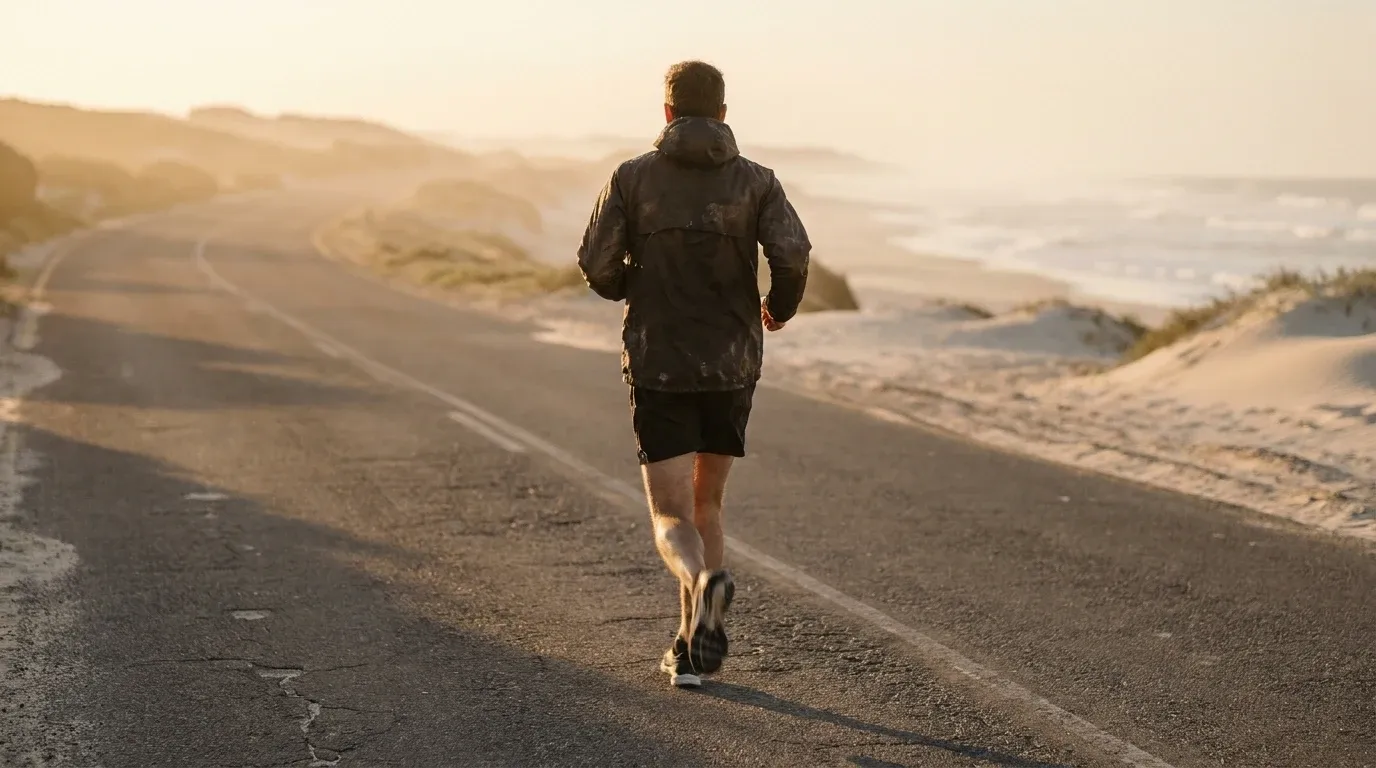
The seventh edition of the Deauville International Marathon delivered something that European regional races rarely manage: a genuinely competitive field, a surge in first-time participants, and the kind of atmosphere that makes you book your hotel for next year before you've even crossed the finish line.
Held along the Normandy coastline in northern France, the race has quietly built a reputation that now extends well beyond French borders. Runners from the UK, Germany, the Netherlands, and North America showed up in numbers that would have seemed ambitious just a few editions ago. That shift tells you something meaningful about where endurance running is heading.
A Record Turnout at the Seventh Edition
Participation at the 2026 Deauville Marathon climbed significantly compared to previous years, continuing a growth curve that organizers have sustained edition after edition. The full marathon and half marathon combined drew thousands of registered runners, with international entries accounting for a larger share than ever before.
What's driving that growth isn't a mystery. Deauville offers a certified course, strong logistics, and start times that work for both competitive runners chasing a personal best and recreational athletes looking for a solid Sunday morning effort. Registration fees sit in the range of roughly $60 to $100 depending on the distance and registration window, which is competitive compared to major city marathons that frequently demand $150 to $250 or more just for entry.
Completion rates were high, and weather conditions along the coast stayed favorable enough to support fast times across the field. Several age-group records were broken, and the elite race attracted sub-2:20 finishers on the men's side.
Why Coastal Courses Attract Faster Times Than You'd Expect
There's a persistent assumption that scenic destination races trade speed for spectacle. Deauville challenges that idea. The course profile stays relatively flat along the seafront sections, with manageable elevation in the inland stretches. That combination makes it genuinely fast rather than just picturesque.
Runners who've come from larger races often note that the reduced field size compared to a London or Chicago marathon means less congestion at the start. You find your pace early, run your own race, and don't spend the first three miles threading between other bodies. For anyone targeting a personal best, that matters.
The footwear choices on the start line also reflect the competitive mindset many participants bring. Carbon-plated super shoes are now standard equipment at this level of participation, and the flat coastal sections of a course like Deauville are exactly where that technology pays off. Nike Vaporfly 5: Everything We Know So Far breaks down the latest iteration of the shoe that many runners in this field were wearing, and the arms race driving performance gear forward is well covered in The Super-Shoe Arms Race Just Got More Intense.
The Destination Race Trend Is Not Slowing Down
Deauville fits squarely into one of the most consistent patterns in endurance sports right now. Runners, particularly those aged 30 to 55 with disposable income and limited vacation time, are increasingly choosing their travel around race calendars rather than the other way around.
The logic is simple. If you're going to train for 16 weeks and spend a weekend traveling, you want the destination to be worth the trip. A coastal town in Normandy, with its architecture, food culture, and proximity to Paris, clears that bar easily. You get the race experience and the getaway in a single trip.
This isn't uniquely European. The same pattern plays out in races like the Big Sur International Marathon in California, the Bermuda Triangle Challenge, or any number of smaller coastal events across Australia and New Zealand that have built strong international followings. The common thread is a location that earns the journey rather than simply hosting the event.
Industry data supports the trend. The global running events market has expanded steadily post-pandemic, with participation in organized races outside the six World Marathon Majors growing at a faster rate than the flagship events themselves. Regional races are absorbing that demand, and the ones in compelling locations are absorbing it fastest.
Regional European Races Are Punching Above Their Weight
What makes Deauville particularly interesting is what it represents at a broader level. It's not trying to be Berlin or London. It doesn't have the prize money, the television coverage, or the brand partnerships that define the World Marathon Majors circuit. What it has is a well-organized event in a place people genuinely want to visit, with a community feel that larger races struggle to replicate.
That model is working. Races in coastal Spain, the Italian lakes region, the Scottish Highlands, and along the Croatian Adriatic have all reported strong growth over the same period. The common factor isn't elite prize money or flashy expos. It's an authentic setting and an experience that holds up against the entry fee and the travel cost.
Organizers of these events are also getting sharper about race-day logistics, timing systems, medical coverage, and post-race support. The gap in operational quality between a regional European race in 2026 and what you'd have found at the same event a decade ago is significant. Runners notice, and they come back.
Preparing for a Destination Marathon: What You Should Think About
If Deauville or a race like it is on your radar, the preparation calculus is slightly different from training for a local event. Travel stress, time zone differences (even modest ones), unfamiliar food, and altered sleep patterns can all affect how you feel on race morning.
Recovery during race week deserves more attention than most runners give it. What you eat in the two or three days before the race matters, and so does what you drink at the welcome dinner or the seafood restaurant you're inevitably going to visit the night before. If you're wondering how alcohol factors into your pre-race recovery, Does Alcohol Really Wreck Your Recovery Night? gives you a clear-eyed look at the actual impact on sleep and performance.
Gut health is another variable that travel amplifies. Unfamiliar foods, different water, and the stress of logistics can all disrupt digestion at exactly the wrong moment. It's worth reading up on Gut Health and Performance: Is Your Microbiome Slowing You Down? before you travel, particularly if you've had issues in previous races.
On the gear side, don't experiment with new shoes on race day, especially if you've been training in something else for months. That rule applies at Deauville as much as anywhere else. If you're considering a trail shoe option for any mixed-terrain warm-up runs during your trip, ASICS Trabuco MAX 6: The Max-Cushion Trail Shoe Is Here is worth a look for understanding what max-cushion trail options now offer.
What the Seventh Edition Signals for the Race's Future
The growth trajectory at Deauville doesn't look like a fluke. Seven editions in, the race has the kind of cumulative word-of-mouth that takes years to build and is very hard to manufacture. Runners talk. Strava, running forums, and destination race communities spread the message faster than any marketing budget could.
The challenge going forward is managing growth without losing the qualities that attracted people in the first place. Bigger fields can mean slower starts, more crowded aid stations, and logistics that strain local infrastructure. Races that have handled this transition well, like Medoc Marathon in Bordeaux or the Edinburgh Marathon in Scotland, have done it by investing in operational capacity ahead of demand rather than reacting to it after problems appear.
If Deauville's organizers continue the same intentional approach that's characterized the race so far, the eighth edition should attract a larger international contingent again. For anyone who hasn't run it, the case for adding it to your 2027 calendar is straightforward: a fast course, a genuinely beautiful location, and a field size that still feels human. That combination is rarer than it should be.
The coastal marathon experience is one worth chasing. Deauville is making a strong argument that you don't need to register for a World Major to find it.