
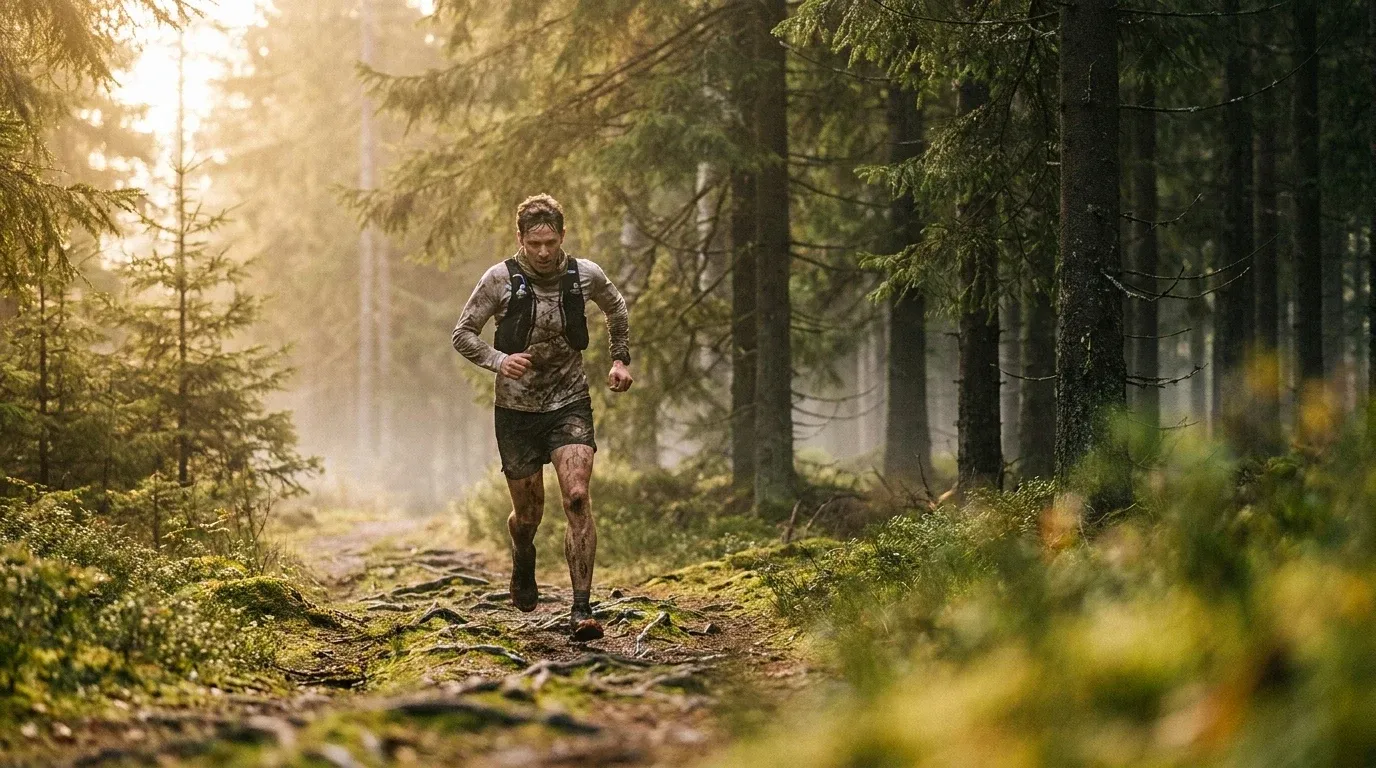
Most trail races follow a predictable playbook. Secure a scenic location, build a social media presence, open registration, and watch the field fill. Stoked Ultra, a race rooted in British Columbia's rugged backcountry, has taken the opposite approach. It's grown into one of Canada's most respected trail events not by chasing numbers, but by doubling down on everything that makes trail running hard, honest, and worth doing in the first place.
That approach has earned Stoked Ultra something that money and marketing rarely buy: genuine loyalty. Runners return year after year, volunteers show up before anyone asks, and word-of-mouth has quietly built a field that rivals events with far bigger budgets. Here's what's driving it, and why it matters beyond Canada's borders.
A Course Built for the Terrain, Not the Masses
The most immediate thing that separates Stoked Ultra from mainstream trail events is the course itself. The race doesn't soften the landscape to make it more approachable. It routes athletes through remote, technical terrain that demands real preparation, real gear, and real respect for the environment.
That decision is deliberate. When race organizers prioritize ruggedness over accessibility, they filter the field naturally. The runners who show up are there because they want to be challenged, not because registration was cheap or the finish-line photo looked good on social media. That shared intent changes the atmosphere of a race entirely.
Technical courses also push athletes to prepare differently. Long training blocks, conservative pacing strategies, and serious attention to recovery become non-negotiable. Research published in sports nutrition journals suggests that oxidative stress during prolonged mountain efforts is meaningfully higher than road or moderate trail running, which is why many ultrarunners now pay close attention to dietary recovery tools. Can Blueberries Make You a Faster Trail Runner? explores one emerging area of research that's gaining traction in the ultrarunning community.
The difficulty isn't a barrier. It's the point. And runners who understand that keep coming back.
Community First, Commerce Second
If the course is the skeleton of Stoked Ultra, community is the connective tissue. The race has built a volunteer culture that's genuinely unusual in modern event management. Aid station crews aren't hired staff. They're local runners, friends of the race, and regulars who understand what athletes need because many of them have run the same course themselves.
That distinction matters more than it sounds. When the person handing you a cup of broth at mile 40 has run your race, has stood in the same mud at 3 a.m., and has made the same mental calculations you're making right now, the exchange is different. It's not transactional. It's solidarity.
Race directors at events like Stoked Ultra often talk about community as a value, but the structure here actually supports it. Partnerships with local outdoor retailers, trail stewardship organizations, and regional running clubs create a web of investment in the event's success. These aren't sponsorship logos on a bib. They're relationships that give the race meaning within its region.
This kind of culture is increasingly rare in large commercial trail series, and its absence is something that runners notice. Why Trail Running's Community Culture Is Unlike Any Other Sport captures the broader dynamic at play. The sport has always carried something different from road racing, and events like Stoked Ultra are part of why that identity has survived the sport's rapid growth.
What the Numbers Say About Independent Races
Trail running has grown substantially over the past decade. Participation rates in North America have increased year over year, with ultramarathon finishers in the US and Canada reaching record numbers heading into the mid-2020s. That growth has attracted commercial investment. Large race series now own dozens of events globally, offering standardized experiences, professional timing, and significant marketing reach.
There's nothing inherently wrong with that model. But it produces a particular kind of event: polished, predictable, and optimized for broad appeal. Entry fees at major commercial trail series regularly run from $150 to $350 or higher, with corporate sponsors visible at every turn.
Independent races like Stoked Ultra operate on tighter margins. They can't absorb losses the way a series backed by private equity can. But that constraint also keeps them honest. Every dollar spent on course marking, aid station supplies, and safety infrastructure is a deliberate choice, not a line item approved by a committee three time zones away.
The result is an event where the race director is often on the course themselves, where problems get solved in real time, and where the athlete experience is shaped by people who care about it personally. That's not nostalgia. That's a structural advantage that large operations genuinely struggle to replicate.
The Blueprint for Independent Race Directors
Stoked Ultra's model isn't accidental. It reflects a specific set of priorities that other independent race directors can learn from, whether they're running events in British Columbia, Vermont, Scotland, or New South Wales.
- Choose terrain that means something. Courses designed around natural landmarks and genuine challenges create a reason to return. A loop through forgettable forest roads does not.
- Build volunteer infrastructure like it's your staff. Volunteers who are briefed, appreciated, and genuinely integrated into race culture perform at a different level than those handed a vest and a map the morning of.
- Partner locally, not just logistically. Meaningful relationships with trail organizations, local businesses, and environmental groups create stakeholders who want the race to succeed long-term.
- Keep the field size honest. Growth for its own sake dilutes the experience. Knowing when the course has a natural capacity and respecting it is a form of quality control that runners recognize and reward.
- Communicate like a community member, not a brand. Runners at events like this want to hear from the people making decisions. Transparent, direct communication builds trust in ways that polished newsletters never will.
These principles aren't expensive to implement. They're expensive to abandon once the pressure to scale starts building. The race directors who resist that pressure are the ones building events with 10-year waiting lists.
What Athletes Get Out of It
For the runners who toe the line at Stoked Ultra, the payoff is hard to quantify and easy to feel. There's a version of trail racing that feels like attending a festival. There's another version that feels like a genuine test. Stoked Ultra belongs to the second category, and the runners who seek it out know exactly what they're signing up for.
That clarity shapes how people prepare. Serious athletes approaching remote ultras think carefully about training load, fueling strategy, and recovery protocols in ways that shorter or easier events simply don't demand. Nutrition decisions that might seem optional for a half marathon become critical at elevation over multiple hours. For runners navigating those choices, resources like Do Blueberries Actually Boost Your Trail Running Performance? represent the kind of specific, evidence-grounded guidance that fits the Stoked Ultra athlete's mindset.
The race also connects people to a broader trail running world that's producing remarkable performances. Events like the Wasatch Front 100 and international races drawing thousands of runners into mountain terrain show that the appetite for serious backcountry competition is global and growing. Stoked Ultra sits within that world, on its own terms.
Why This Model Is Worth Paying Attention To
The trail running community is at a crossroads. Commercial consolidation is real. Large companies are acquiring independent races, standardizing the experience, and chasing participation numbers that justify investor returns. That process has made some events more accessible and better resourced. It has also made them less distinctive.
What Stoked Ultra demonstrates is that there's a durable market for something different. Runners will travel, train hard, and pay fair entry fees to participate in an event that feels authentic, that challenges them on legitimate terrain, and that connects them to a community of people who share those values.
That's not a niche finding. It's a signal that the grassroots model, executed with discipline and genuine care, doesn't just survive alongside commercial trail racing. It thrives because of the gap that commercial racing leaves behind.
If you're a runner looking for something that asks more of you, or a race director trying to build something that lasts, Stoked Ultra is a case study worth studying closely. The cult following isn't a mystery. It's the natural result of building something real.