
Sports Nutrition Guides
Nutrition guides, supplement reviews, and meal prep recipes for athletes. Science-backed advice for better performance and faster recovery.
Latest articles (624)
Creatine for Women: Effects, Dosing, and Myths Debunked
Women use creatine far less than men, often because of myths that don't hold up to the research. Here's what the 2026 science actually says about effects, dosing, and the female-specific benefits.

The 5 supplement trends dominating sport and fitness in 2026
The 5 supplement trends redefining sport in 2026: creatine gummies, GLP-1 protein, adaptogens, collagen for runners, and biomarker personalization. Evidence vs. hype.
Creatine: what the science actually says in 2026
Proven benefits, exact dosing, new brain research, and myths debunked. The science-based creatine guide, updated for 2026.

Vitamin D and muscle performance: what the 2026 meta-analysis changes about supplementation
A 2026 meta-analysis finally clarifies when vitamin D actually improves muscle performance. Spoiler: it depends on your baseline levels. What the evidence actually shows.

Vitamin C and the brain: a July 2026 study links it to gray matter volume
A July 2026 study finds an association between optimal vitamin C status and larger brain gray matter volume. What the data shows — and what it doesn't prove yet.
GLP-1 and exercise: users are moving less, studies confirm
Research from ENDO 2026 confirms the GLP-1 paradox: users of semaglutide and tirzepatide move less after losing weight. Here's why that's dangerous and what the evidence says to do about it.

The Most Common Nutritional Deficiencies in 2026 — And What to Do About Them
NHANES and EFSA data reveal that large swaths of the population are deficient in vitamin D, magnesium, iron, or omega-3 — without realizing it. A rundown of the most common deficiencies and what to do.
What Ultra-Processed Foods Actually Do to Your Gut
New 2026 research maps exactly how ultra-processed foods damage your gut microbiome, and why it matters for performance, recovery, and inflammation.

Half of Takeaway Meals Have Way More Salt Than Listed
A July 2026 study found nearly half of takeaway meals exceeded their listed salt content. Here's what it means for athletes and how to order smarter.
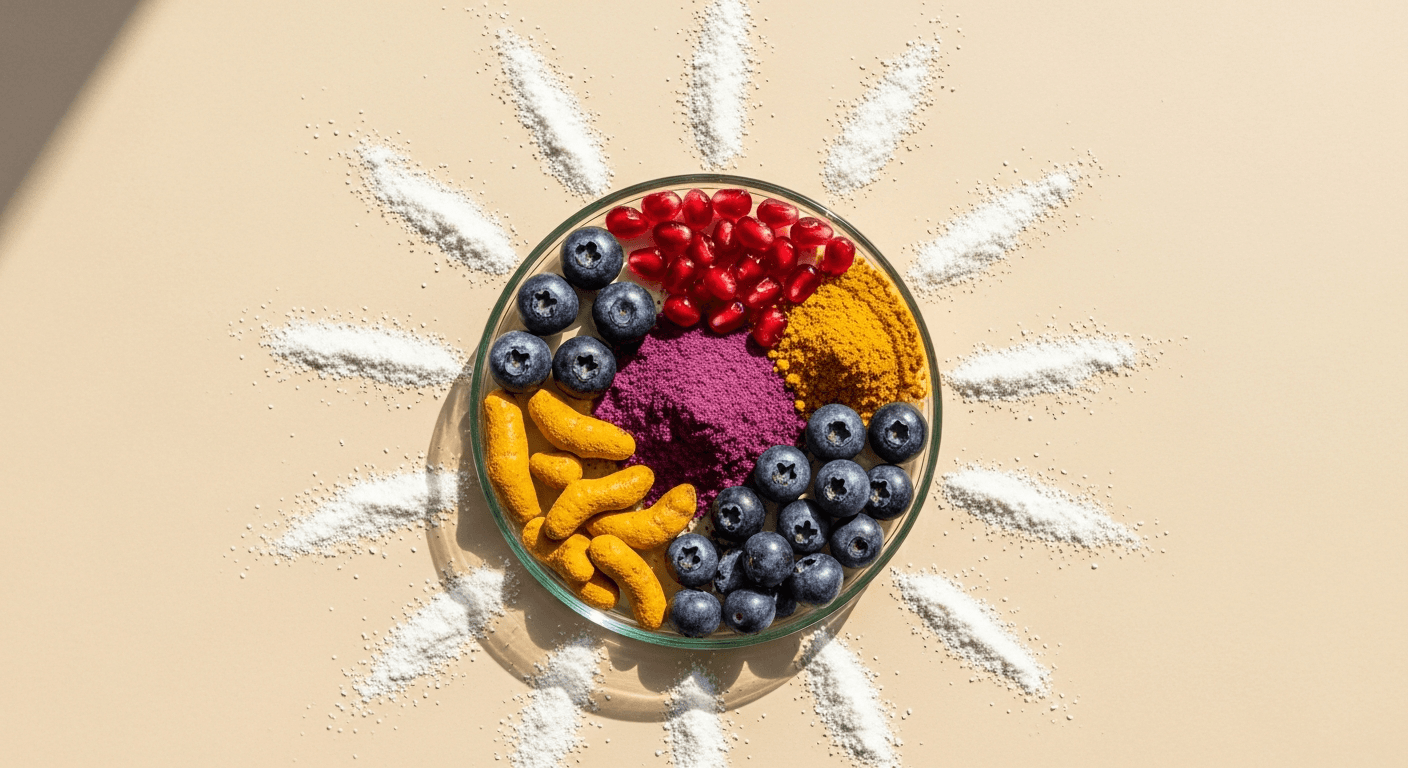
Next-Gen Probiotics: How Your Gut Unlocks Plant Nutrients
New research shows gut bacteria biotransform phytonutrients into potent bioactive compounds, reshaping how probiotics and plant-rich diets should work together.
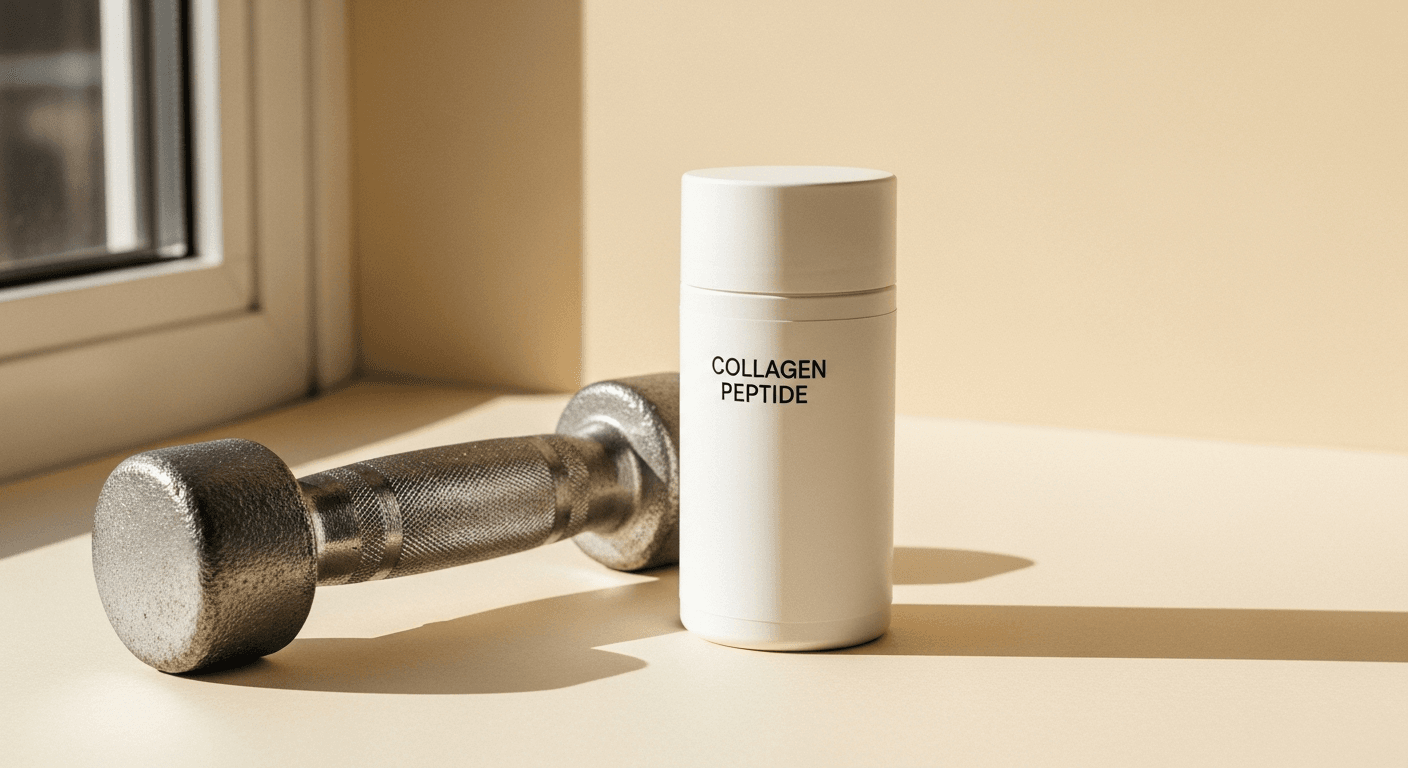
Collagen Peptides May Boost Your Lifting Results
A rigorous 2026 RCT found collagen peptide supplementation may enhance strength and connective tissue gains from resistance training, offering science-backed guidance on dose and timing.
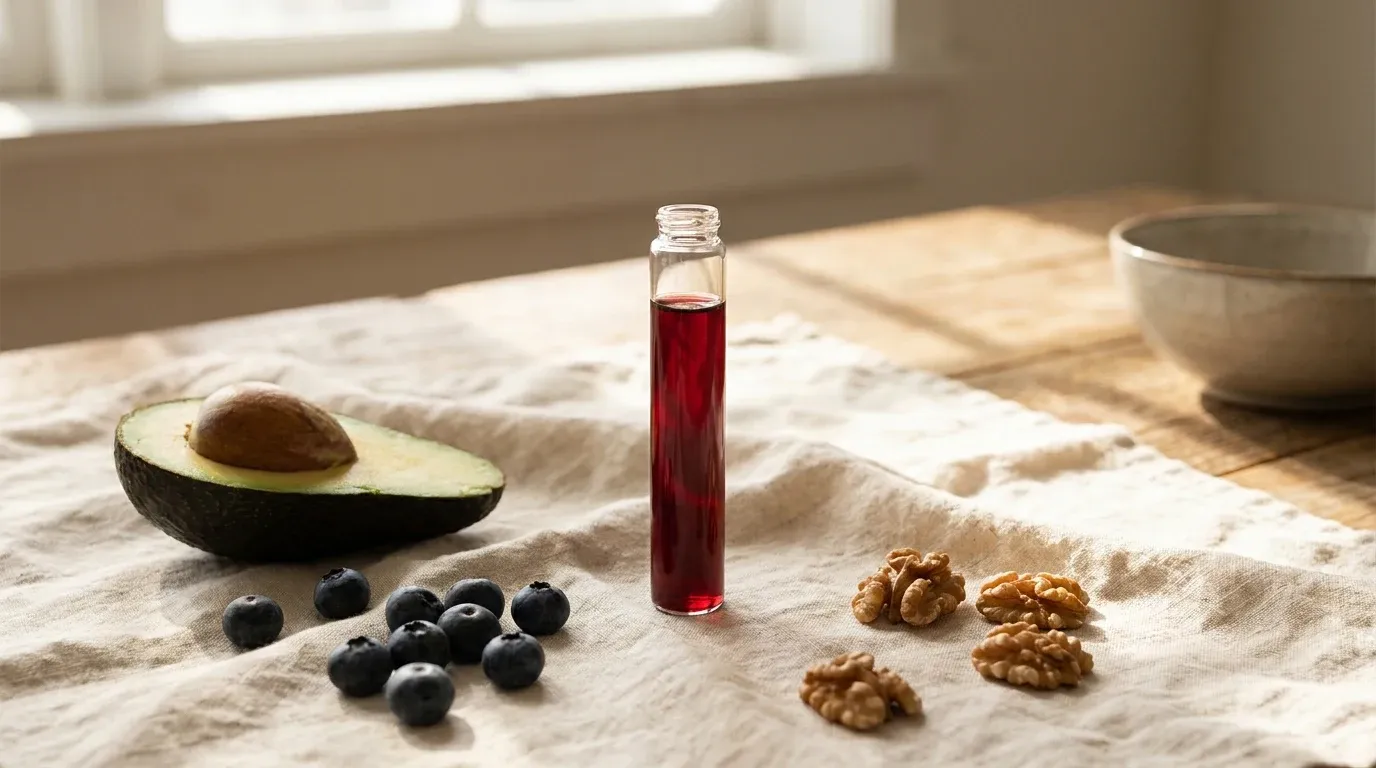
Blood Biomarkers Are Now Part of Personalized Nutrition
GenoPalate now combines blood biomarker data with DNA analysis, marking a major shift toward real-time, personalized nutrition beyond generic genetic reports.
The Supplement Trust Gap: How the Industry Is Trying to Fix It
The supplement market is nearing $100B, and trust is now the key commercial differentiator. Here's how to tell which brands have actually earned it.

Nutrition Science Is Losing Its Funding. Here's Why It Matters
The IFT has warned that proposed US federal grant changes could cut nutrition research funding, slowing the science behind dietary guidelines and supplement recommendations.
Creatine for Depression: What the New Research Says
A July 2026 systematic review found creatine may reduce depression symptoms, especially in women using it alongside antidepressants or CBT. Here's what the evidence supports.
Creatine's Brain Benefits: Beyond the Muscle Story
New research links creatine supplementation to reduced depression symptoms and better cognitive resilience. Here's what active adults need to know.
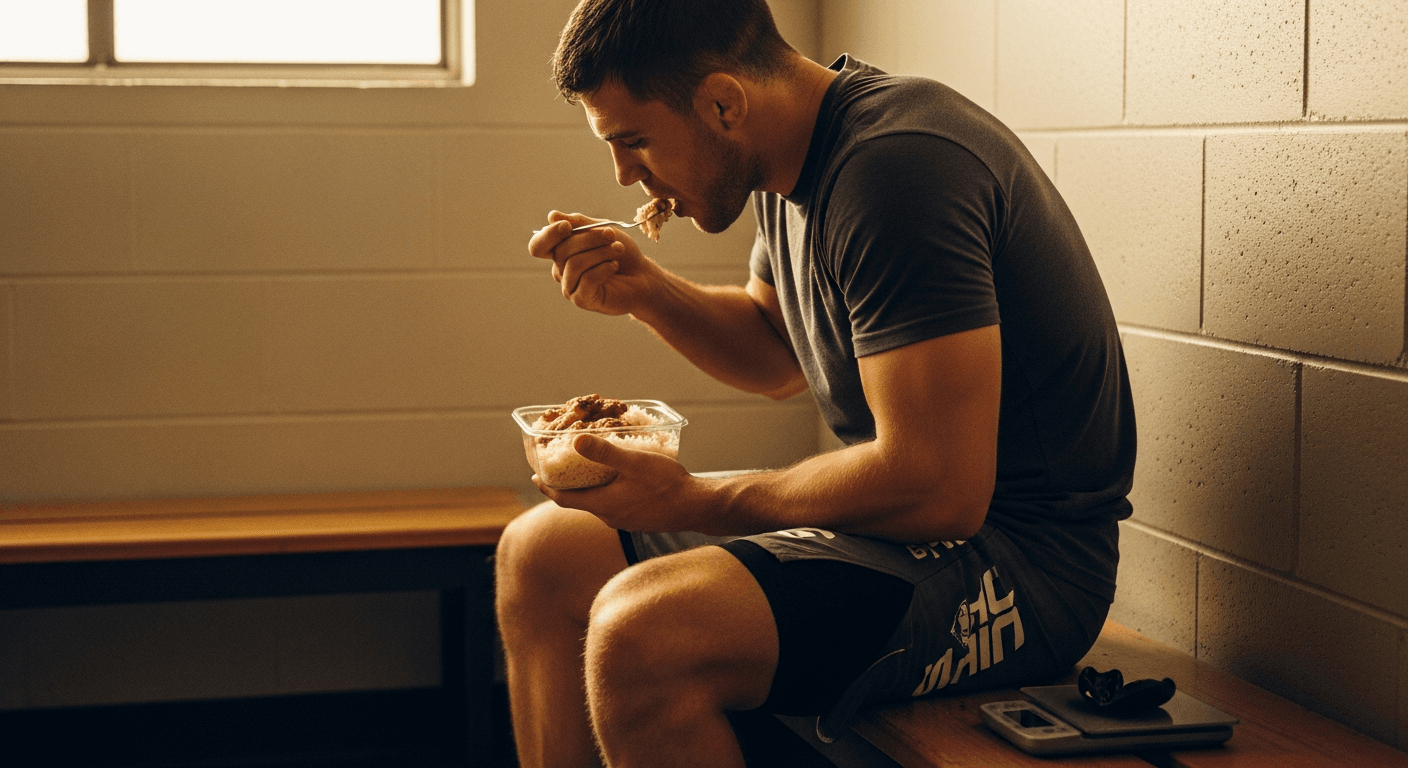
What Combat Sports Champions Actually Eat in 2026
Elite combat athletes eat in carefully structured phases. Here's how their fight-camp nutrition strategies translate to HYROX and CrossFit training.
How to Read a Supplement Label Without Getting Fooled
The supplement label is a marketing document. Here's how to decode third-party certifications, proprietary blends, and botanical red flags before you buy.

Protein Timing: What Actually Matters for Active Adults
How you distribute protein across the day matters as much as the total. Here's what current research actually supports for active adults who train.

Protein and Aging: What the New Science Actually Shows
New research shows older adults need significantly more protein than standard guidelines suggest, with major implications for muscle, bone, and metabolic health.
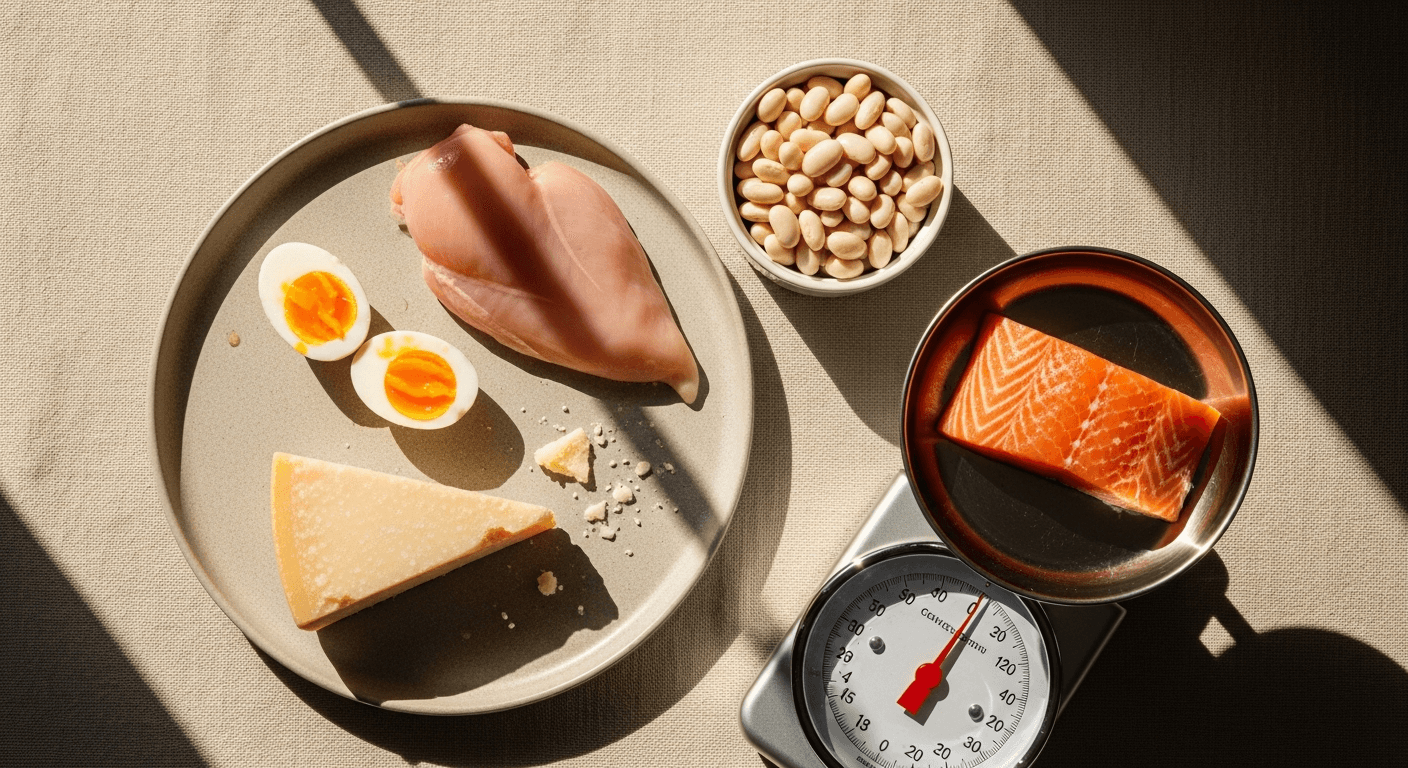
You Probably Need More Protein Than Guidelines Say
Official protein guidelines were built to prevent deficiency, not optimize health. Here's why most active adults need significantly more than the RDA recommends.

DNA Testing Is Changing How Supplements Are Made
DNA-based ingredient authentication is gaining traction among premium supplement brands, offering a new way to verify botanical identity and address the industry's long-standing adulteration problem.

Not All Protein Is Equal: What the DIAAS Score Changes About How You Count Your Grams
The DIAAS score reveals protein isn't equal: whey (1.25), egg (1.18), peas (0.82). Understanding protein quality to optimize sports nutrition in 2026.
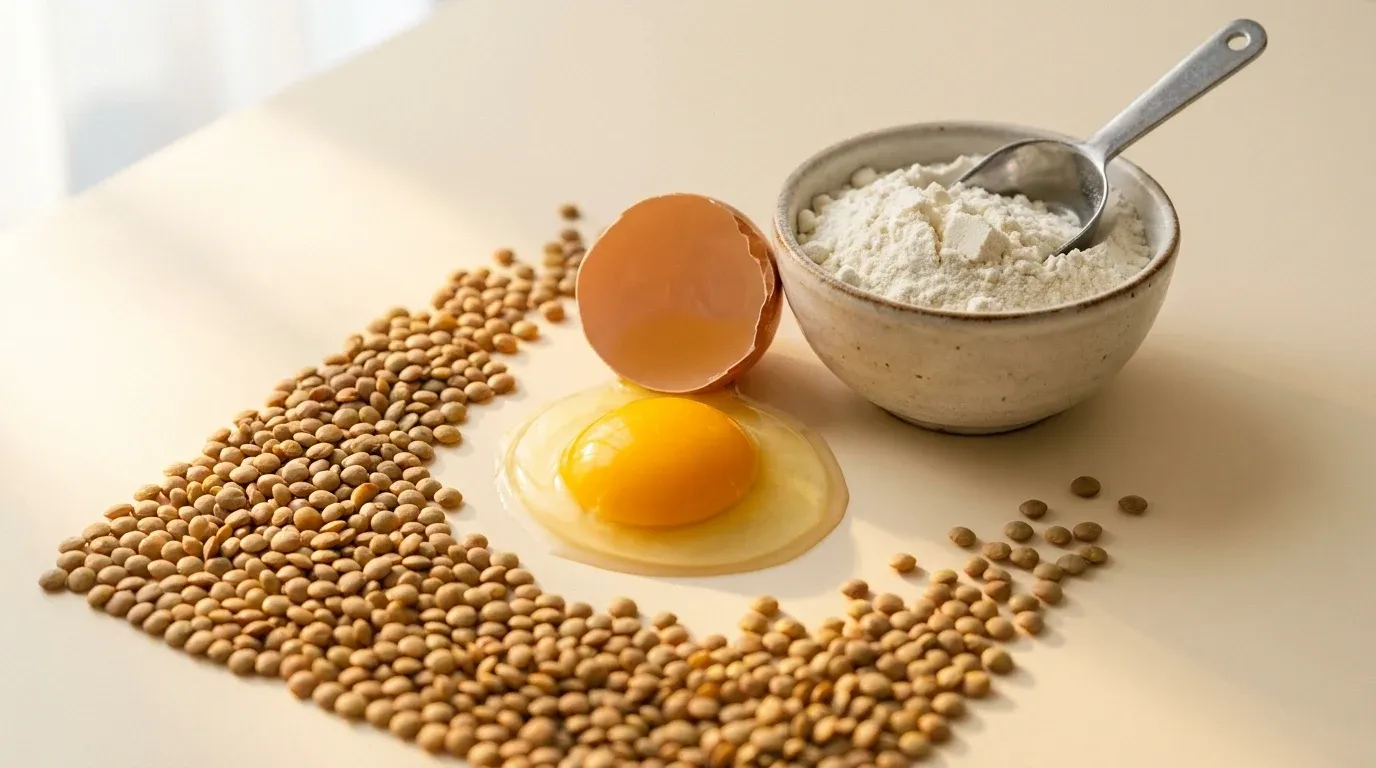
2026 Is the Year of Protein — Here Are the 3 Numbers That Define It
Protein is 2026's defining macronutrient: a $4.9B market, 57% of consumers prioritizing it, and updated guidelines at 1.2-1.6g/kg. Here's what the shift actually means.