
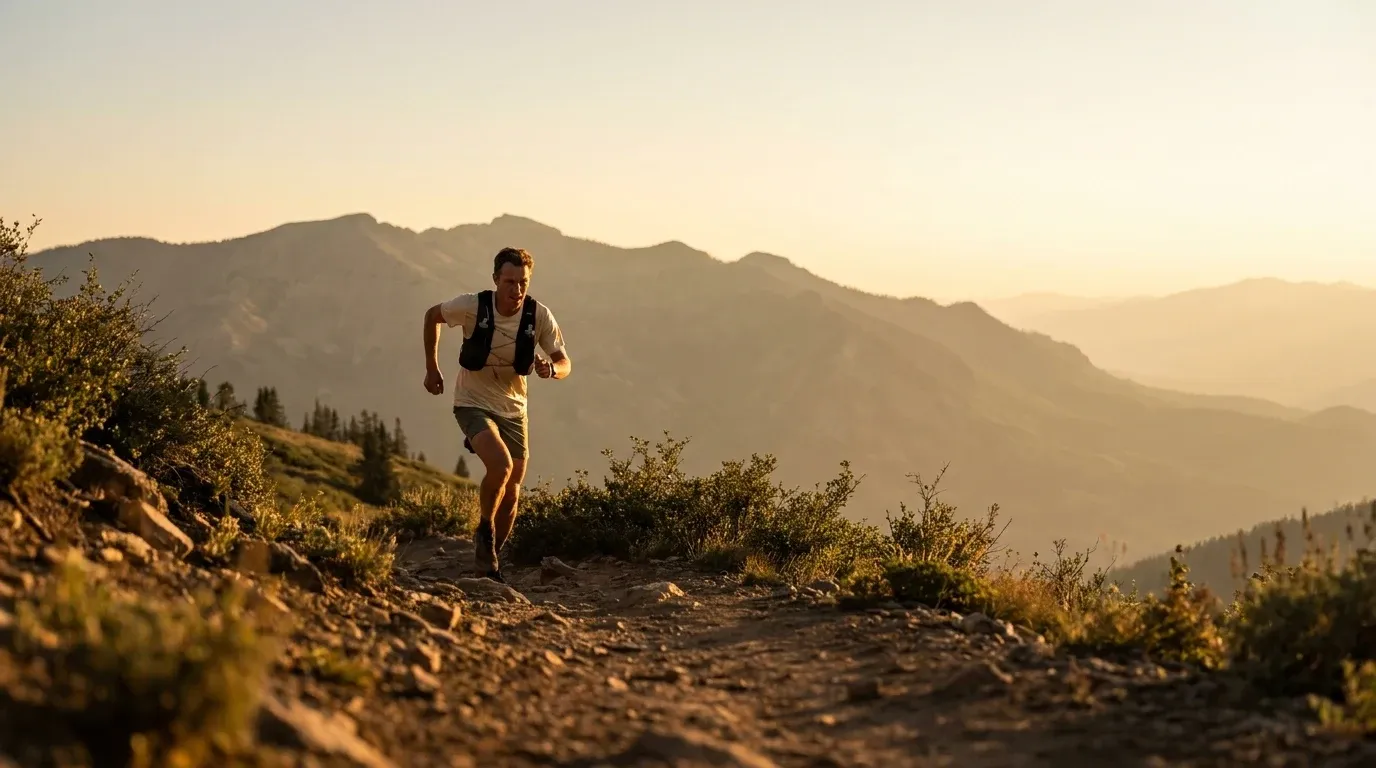
The ultra calendar doesn't get much busier than this. On the weekend of September 19, 2026, 68 North American ultramarathons are scheduled to take place simultaneously, spanning deserts, forests, and mountain ridges from coast to coast. That's a remarkable amount of activity for a single weekend in endurance sport.
But one race rises above the noise. Run Rabbit Run 100, held in Steamboat Springs, Colorado, is the flagship event to watch this weekend. Whether you're toeing the start line, tracking a friend's splits, or simply curious about what 100 miles through the Colorado Rockies actually looks like, here's everything you need to know.
The Race and Where It Sits on the Calendar
Run Rabbit Run 100 has built a reputation over the years as one of the defining events on the North American ultra circuit. It draws elite competitors chasing a finish time, first-timers hoping to make the cutoffs, and everyone in between. That range is part of what makes it worth paying attention to.
The fact that it's sharing the weekend with 67 other North American ultras says something about the current state of trail running as a sport. Participation in ultramarathons has grown sharply over the past decade, with entry numbers and race counts both expanding across the US, Canada, and beyond. This weekend is a snapshot of that growth in real time.
If you want to understand why this community has expanded so rapidly and why it operates differently from most other endurance sports, why trail running's community culture is unlike any other sport is worth your time. The social fabric at events like Run Rabbit Run is a big part of the draw.
The Course: What 100 Miles in the Rockies Actually Means
Steamboat Springs sits at roughly 6,700 feet of elevation. That's before you start climbing. The Run Rabbit Run 100 course pushes well above 10,000 feet at several points, and the cumulative elevation gain runs into the tens of thousands of feet over the full distance. This is not a flat, fast hundred-miler.
The terrain is technical in sections, with exposed ridges, loose scree, and the kind of trail that punishes anyone who hasn't put in serious mountain-specific preparation. The altitude compounds everything. At elevation, your aerobic capacity drops, recovery slows, and the mental toll of a long section at high altitude is genuinely difficult to simulate at sea level.
Pacing strategy becomes especially critical in a race like this. Going out too hard on the early climbs is one of the most common ways runners blow up before the halfway mark. The runners who finish well are typically those who have done the work on both volume and intensity in training. If you're thinking about entering in a future year, what actually matters for ultra training when it comes to intensity versus volume is a useful framework to understand before you commit to a build.
Key Race Details for This Weekend
Here's a quick breakdown of what you need to know to follow along or prepare if you're racing:
- Location: Steamboat Springs, Colorado
- Date: September 19, 2026 (weekend race window)
- Distance: 100 miles with significant elevation gain through the Colorado Rockies
- Start elevation: Approximately 6,700 feet, with course highs well above 10,000 feet
- Field: Mixed competitive and participatory, with cutoff times designed to allow back-of-pack runners a real shot at finishing
- Live tracking: Available through the race's official platform, updated at aid stations throughout the event
If you have a runner to follow this weekend, the aid station tracker is your best tool. Splits at major checkpoints give you a clear picture of whether someone is on pace, banking time, or in trouble.
Nutrition and Fueling at High Altitude
One of the less-discussed challenges of a mountain hundred is how altitude affects your appetite and your ability to absorb fuel. Many runners report that their appetite drops significantly above 9,000 feet, which creates a dangerous cycle: you're burning more calories per mile due to the terrain, and you're less inclined to eat.
The runners who manage this well are generally those who have practiced eating while fatigued in training and who arrive with a specific fueling plan rather than relying on how they feel mid-race. Carbohydrate intake is the primary lever for performance in events of this length, and understanding how endurance nutrition science has evolved can sharpen your approach. The shift in how elite endurance athletes think about carbohydrate loading is detailed in how cycling rewrote sports nutrition from steak to 120g of carbohydrates per hour. The principles translate directly to ultra running.
There's also growing research interest in whether specific foods can support trail performance more broadly. whether blueberries actually boost trail running performance breaks down the current evidence and what it means for athletes training and racing at altitude. The short answer: the antioxidant case is real, even if the effect sizes are modest.
The Community Atmosphere That Keeps Runners Coming Back
Run Rabbit Run isn't just a race. It's the kind of event where the back-of-pack runner finishing at hour 36 gets cheered as loudly as the winner crossing at hour 18. That's not accidental. It's a design philosophy that the race organization has cultivated deliberately, and it reflects something broader about ultra running culture.
Aid stations at events like this function almost as community hubs. Volunteers staff them for hours on end through the night, crews sleep in their cars waiting for their runners, and pacers who themselves ran 30 miles the previous weekend show up to run another 20 alongside a friend. The commitment that surrounds a 100-mile race is unlike anything in road running.
This same culture shows up at other community-driven events across the continent. how Stoked Ultra built a cult following in Canada is a good parallel case study for understanding why certain races develop such devoted followings while others remain purely transactional experiences.
For anyone considering Run Rabbit Run as a future goal race, the atmosphere is a legitimate reason to choose it over comparable courses elsewhere. Finishing a hundred miles is hard enough. Doing it surrounded by people who genuinely care whether you make it matters more than most runners expect before their first attempt.
What Elite Performance Looks Like Here
At the front of the race, Run Rabbit Run produces competitive finishes. The combination of technical terrain, altitude, and course length means that pure speed doesn't dominate. Runners with strong mountain skills, efficient climbing mechanics, and the ability to manage effort over many hours tend to perform best.
Strong glute activation and hip mechanics are consistently cited in trail running biomechanics research as key factors in maintaining efficiency on steep climbs. Runners who haven't developed posterior chain strength often compensate in ways that accelerate fatigue later in a race. If you're building toward an event like this, understanding why glute training biomechanics often go wrong is relevant whether you're a lifter or a runner. The same fundamental errors show up in both populations.
Winning times at Run Rabbit Run vary with conditions but consistently reflect the difficulty of the course. A strong finish in the top ten at this race carries real credibility on the ultra circuit.
How to Follow the Race This Weekend
If you're not in Steamboat Springs yourself, here's how to stay connected with what's happening on the course:
- Live tracking: The race's official site publishes real-time data pulled from athlete tracking devices. Refresh the leaderboard at major aid station intervals for the clearest picture of who's moving well.
- Social media: Search the race hashtag on Instagram and X for crew and spectator updates, especially overnight when official coverage tends to thin out.
- Results: Final results are typically posted within hours of the last finisher crossing the line, with full split data available shortly after.
The overnight stretch, roughly between hours 14 and 22, is when races like this are decided. That's when the leaders either pull away or crack, and it's when back-of-pack runners discover what they're actually made of. If you're following someone this weekend, set an alarm. The most interesting running happens in the dark.
Looking Ahead: Is Run Rabbit Run on Your List?
If this weekend's race has you thinking about your own entry, registration for future editions opens well in advance and spots fill faster than most people expect. The race has a lottery component for some entry categories, so planning ahead is essential.
A realistic training timeline for someone targeting this race is typically 12 to 18 months of structured build-up, with significant mountain running incorporated in the final six months. Volume matters enormously at this distance and terrain type. The physiological case for why mileage is the foundation of ultra performance, rather than an optional add-on, is laid out clearly in why volume is king when training for ultras.
Run Rabbit Run 100 is a race that rewards preparation, respects every runner on the course, and takes place in one of the most spectacular mountain settings in North America. This weekend, 68 ultras are happening across the continent. This is the one to watch.