
Wellness & Recovery Guides
Sleep optimization, stress management, and mobility guides for active people. Science-backed wellness strategies to help you recover and perform better.
Latest articles (340)
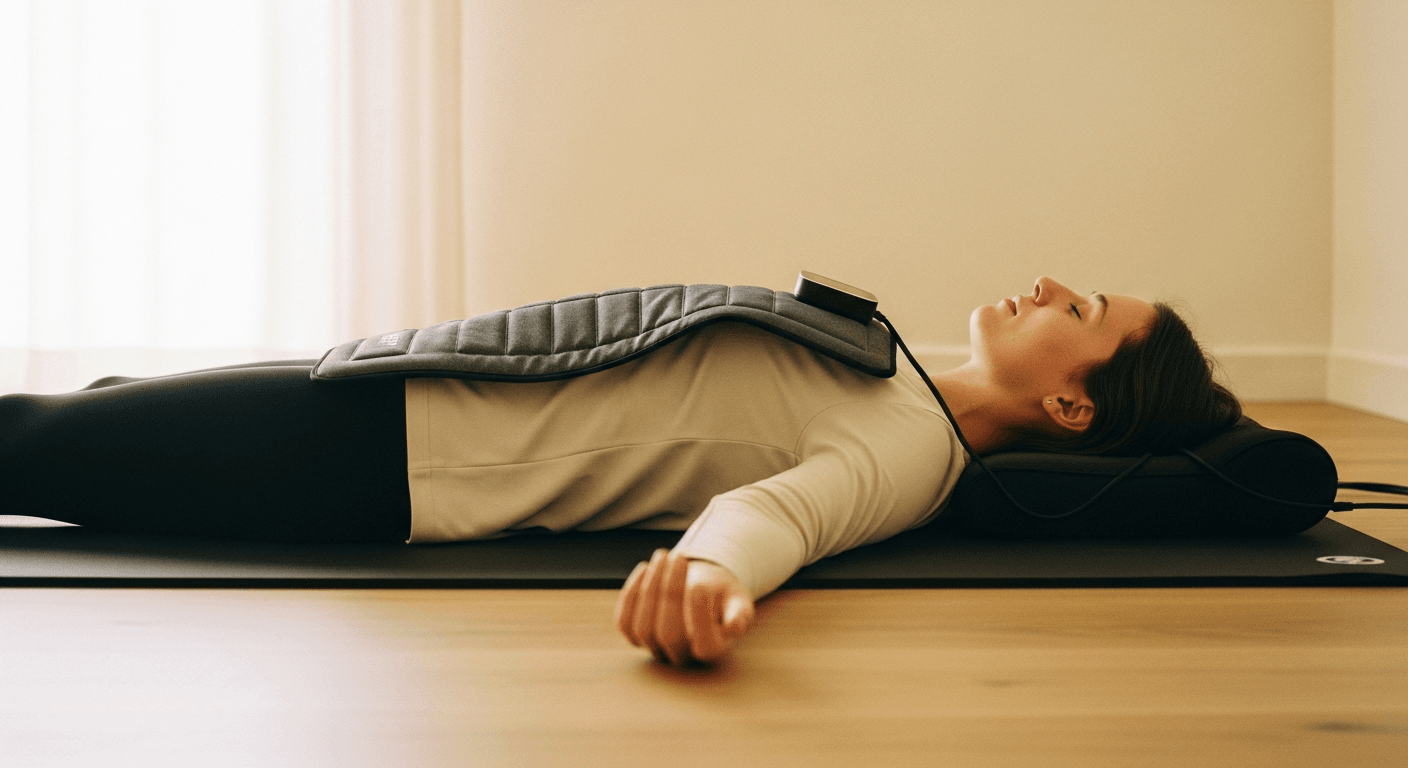
New Recovery Tech: What Actually Works in 2026
Recovery tech is booming, but the evidence behind most devices is thin. Here's what actually works in 2026 and what's just expensive marketing.

What Your Recovery Routine Is Actually Missing
Most athletes focus on training and ignore recovery gaps that quietly block results. Here's what hydration, sleep, and holistic post-workout care actually require.

Thinking About Others Reduces Your Stress: MIT Findings
MIT researchers found that shifting focus to social good during stress rivals proven coping methods and makes you more likely to see stress as enhancing, not debilitating.
Vitamin K2 Won't Speed Up Your Muscle Recovery
A April 2026 study confirms Vitamin K2 (MK-7) doesn't improve muscle recovery, strength, or damage markers in healthy adults. Here's what actually works.

One Simple Habit Reduces Stress, Says Landmark Study
A landmark study confirms one daily habit, five minutes of slow breathing, meaningfully cuts stress levels with no equipment, cost, or complex routine required.
Shilajit and Lactic Acid: What the Science Actually Says
Shilajit's claim to reduce lactic acid via mitochondrial efficiency has real biological basis. Here's what the current research supports and where the gaps remain.
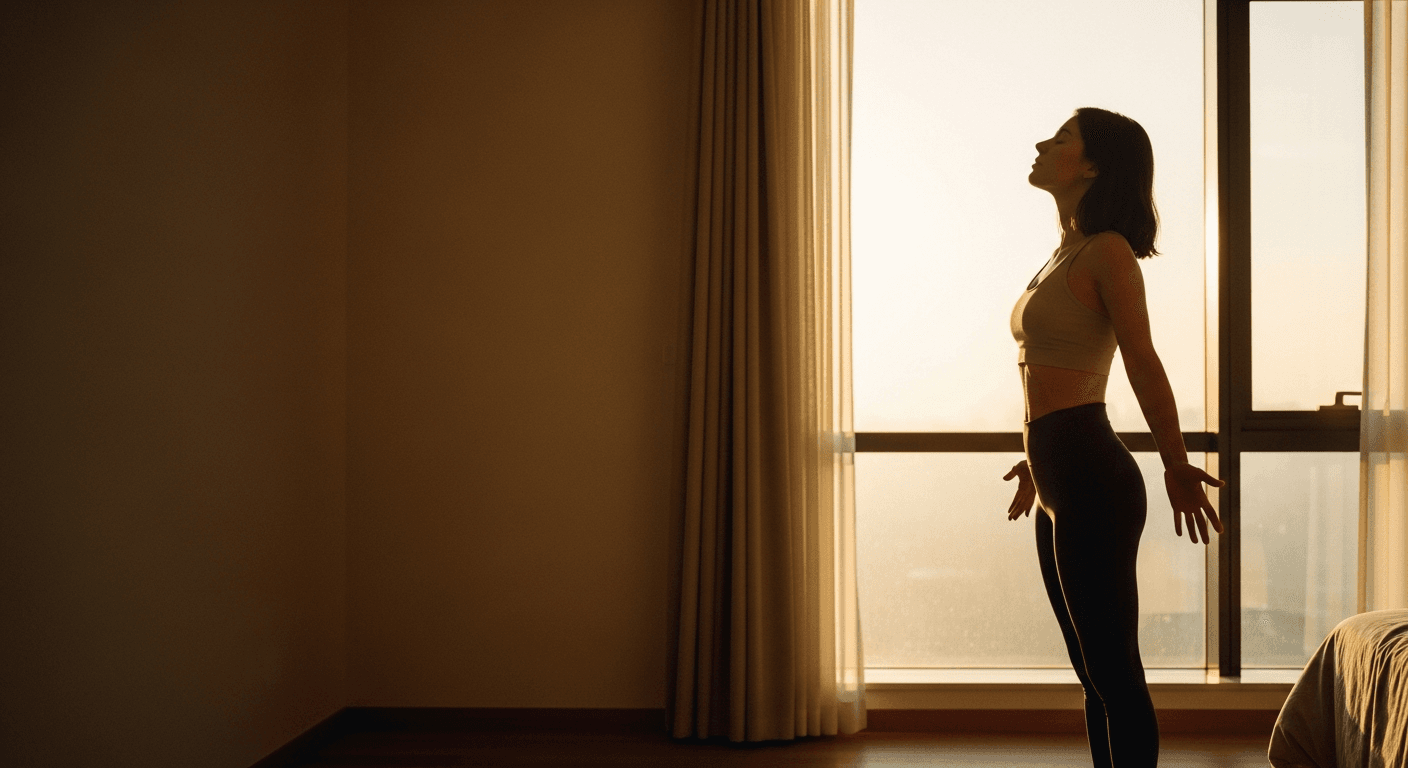
A 15-Minute Morning Routine That Resets Your Stress
A science-backed 15-minute morning sequence using breathwork, light exposure, and movement to regulate cortisol before your workday begins.

What You Do on Rest Days Changes Everything
Rest days aren't about doing nothing or sneaking in extra training. Active recovery built around mobility work accelerates readiness and builds lasting range of motion.
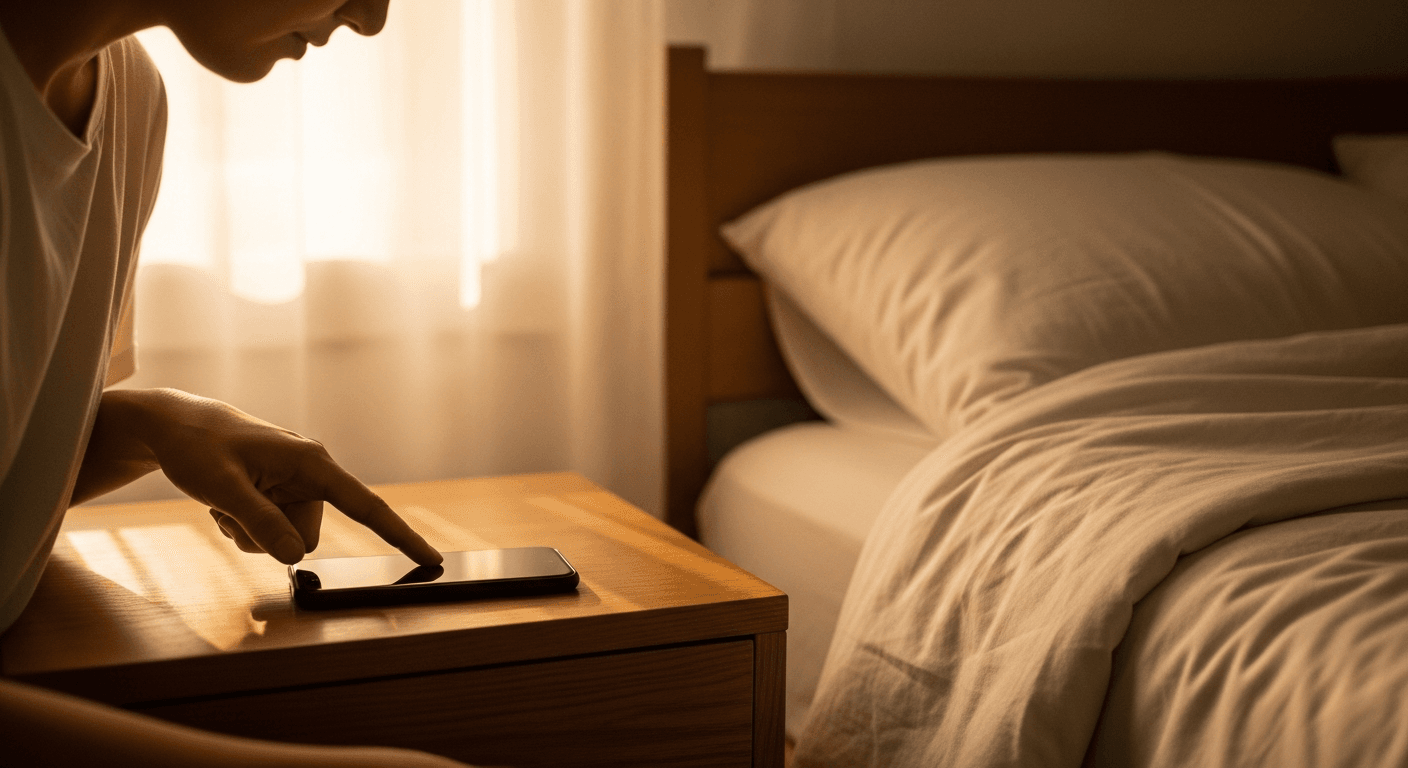
Digital Boundaries That Actually Protect Your Mental Health
Constant connectivity is a proven stressor. Here's how to set specific, evidence-informed digital boundaries that protect sleep and reduce anxiety without a full detox.
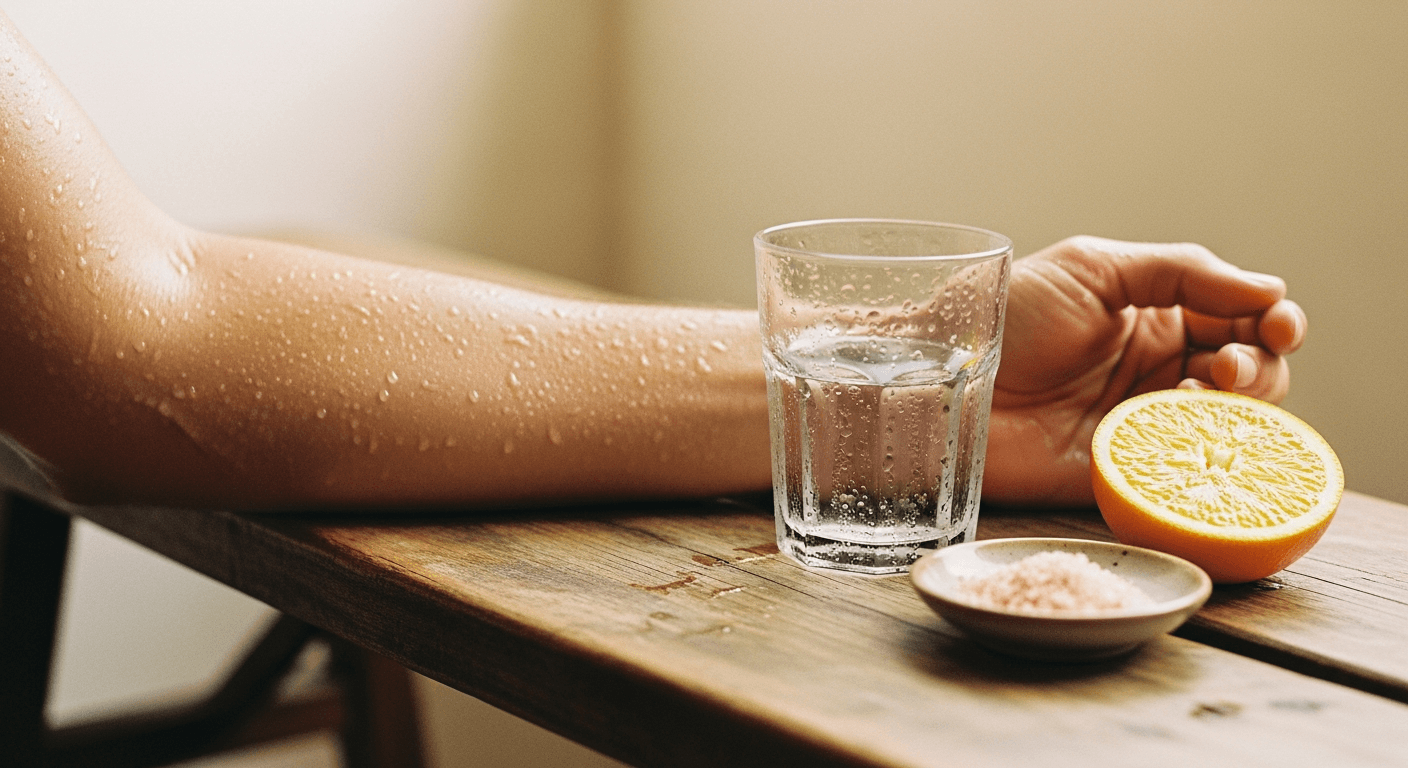
Hydration and Electrolytes: The Recovery Duo You're Ignoring
Muscle cramps and slow recovery may signal electrolyte imbalance, not overtraining. Here's how to fix it with food and smarter hydration.

Deep Rest vs. Meditation: What Stress Science Now Says
New stress research shows deep rest, not just meditation, can trigger the same restorative cellular response. Here's what that means for your recovery.
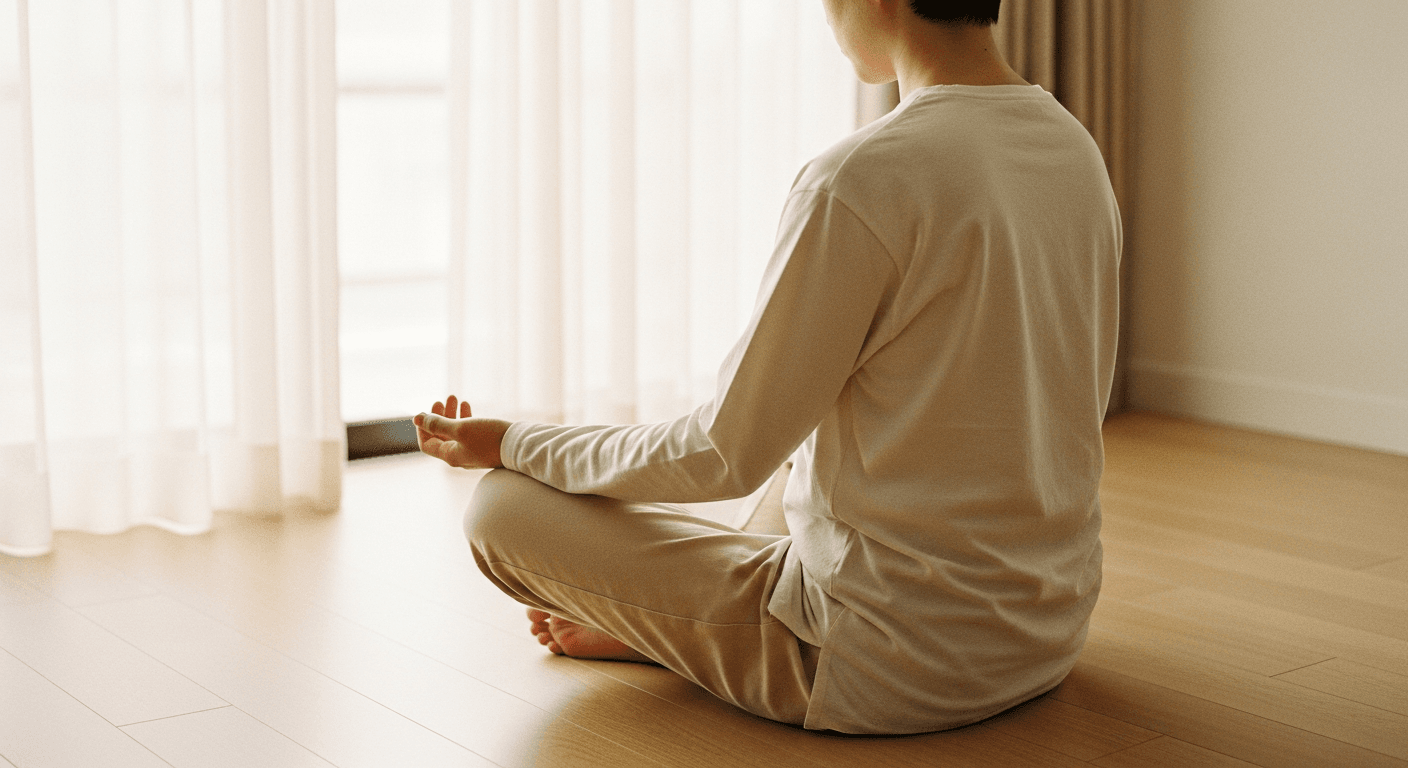
Mindfulness and Self-Regulation: Your Burnout Shield
Self-regulation and mindfulness aren't soft skills. They're the evidence-backed tools that prevent burnout before it starts, and they fit in under 10 minutes a day.
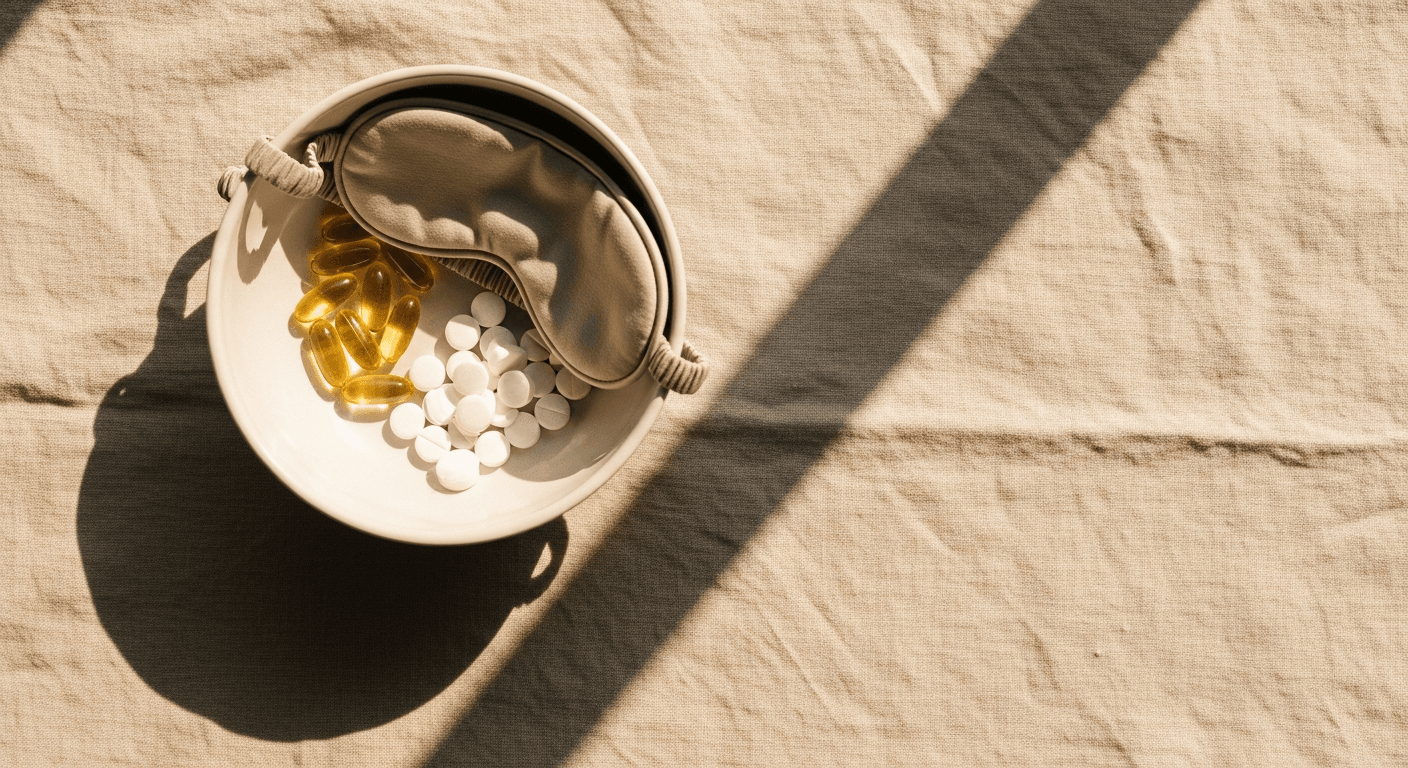
Build a Recovery Stack That Actually Works in 2026
New research reframes what creatine actually does. Here's how to build a recovery stack grounded in 2026 evidence, not marketing.
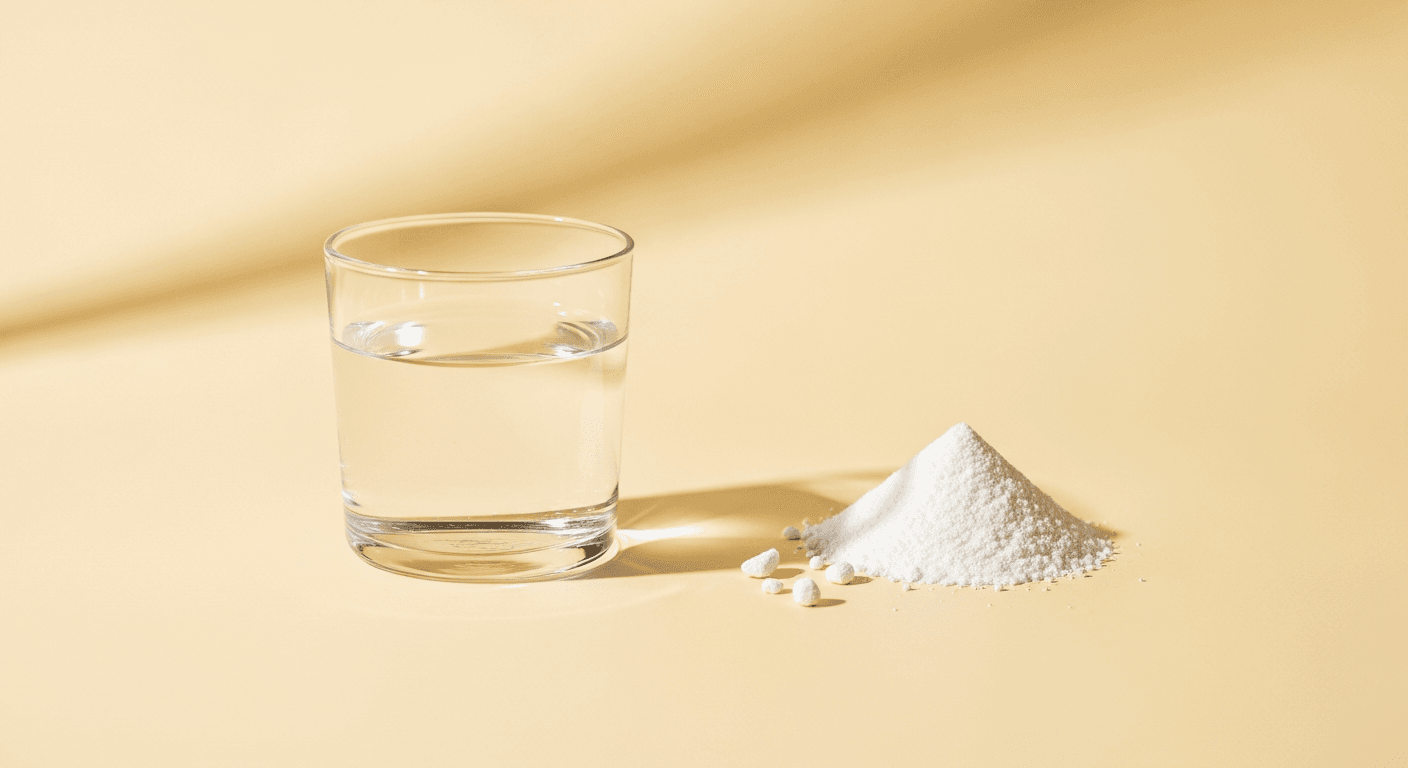
Creatine Boosts Performance But Won't Fix Your Inflammation
New research confirms creatine reliably boosts performance but finds no consistent evidence it reduces post-exercise inflammation. Here's what that means for your supplement stack.
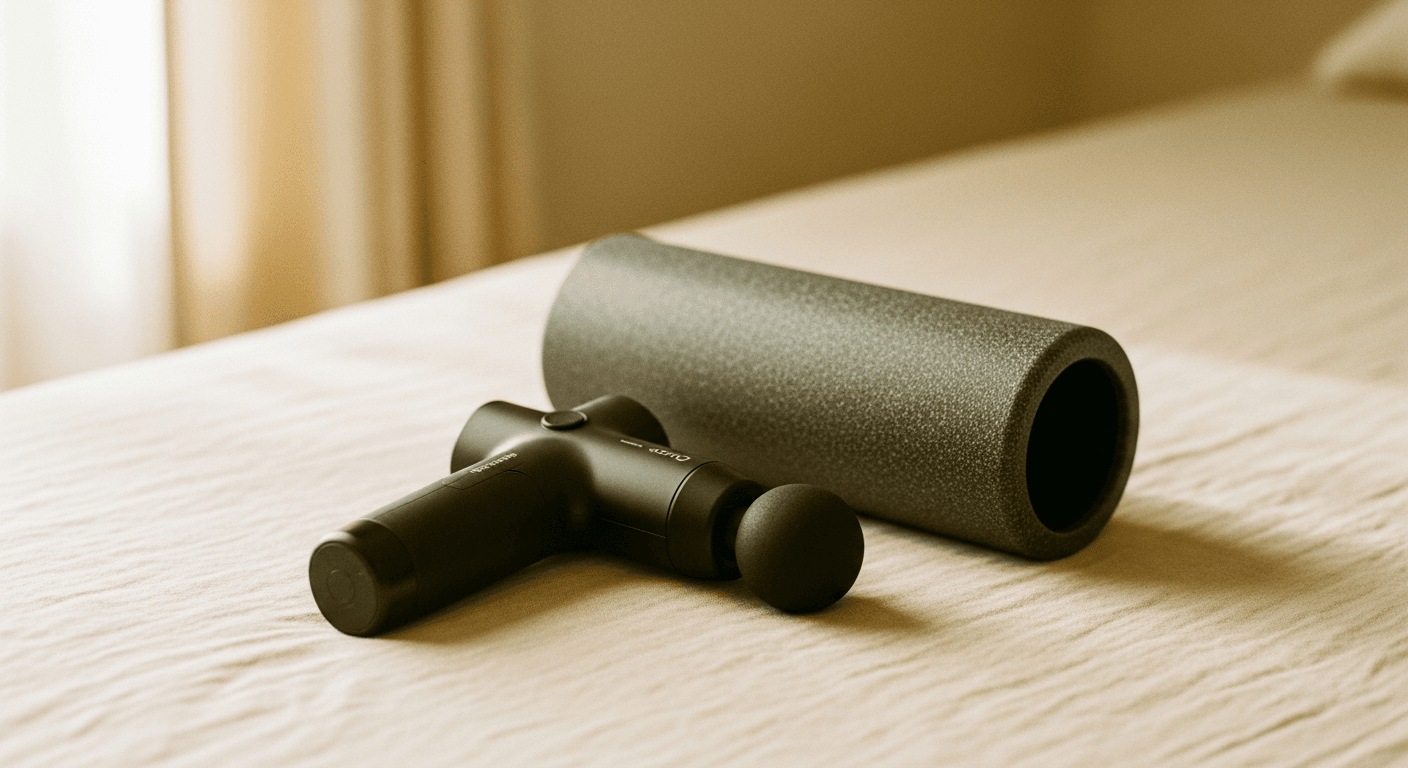
Recovery Gadgets vs. the Basics: What to Prioritize
Recovery tech spending is rising fast, but most gadgets can't outperform sleep, protein, and hydration. Here's how to prioritize what actually works.
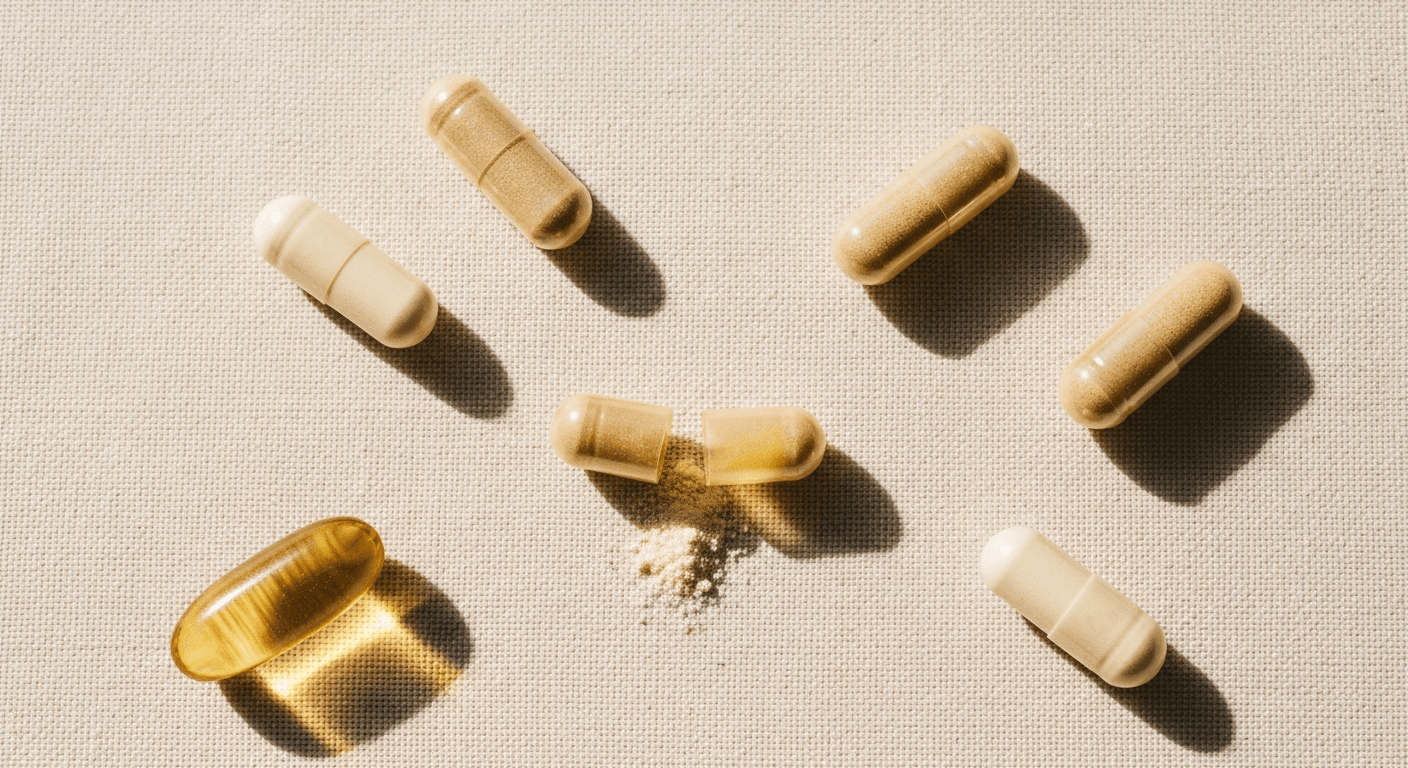
Recovery Supplements in 2026: What Works and What Doesn't
New May 2026 research deflates Vitamin K2's recovery claims. Here's a practical tier-based guide to what recovery supplements actually work right now.
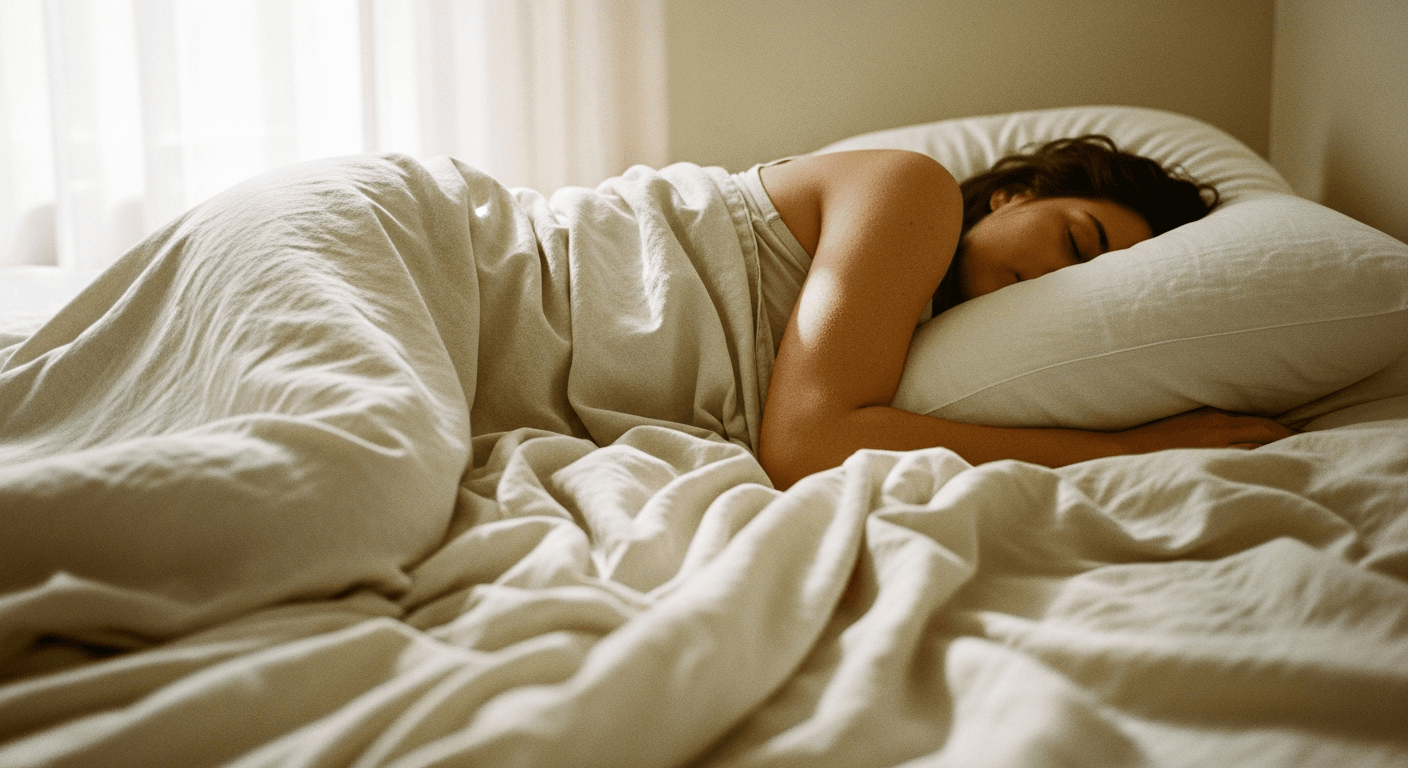
Poor Sleep Is Quietly Destroying Your Recovery
Poor sleep silently blocks muscle repair, spikes cortisol, and compounds into deficits equal to 48 hours without sleep. Here's how to fix it.

Stress-Tracking Tech: What the 2026 Research Actually Shows
A CHI 2026 review of 52 studies exposes the core flaw in most stress-tracking tech: it's retrospective, not real-time. Here's what the research actually shows.
Migraines and Stress: Why Your Sleep Schedule Is the Fix
April 2026 research confirms consistent sleep scheduling outperforms most migraine treatments. Here's how the stress-sleep-migraine triangle works and what to do about it.
Less Than 7 Hours of Sleep Cuts Years Off Your Life
New 2026 research links sleeping under 7 hours to measurable years of life lost. Here's what the biology shows and which small changes actually help.
Sleep Inequality Is Real: Who's Losing the Most Rest
Sleep inequality is now a structural public health issue. New 2026 data shows millions are losing rest not from bad habits, but from financial stress and broken systems.
5 Stress Management Techniques That Actually Work
Five evidence-backed stress management techniques, from diaphragmatic breathing to consistent sleep scheduling, built for people who've tried and quit before.
Stress, Migraines, and Sleep: What the Science Says
New research confirms that inconsistent sleep and chronic stress are primary migraine drivers. Here's what the science says about breaking the cycle without medication.
Sleep Apnea Treatment Beyond CPAP in 2026
CPAP remains the gold standard for sleep apnea, but 2026 brings validated alternatives including nerve stimulation, oral appliances, and myofunctional therapy for patients who can't tolerate the mask.