
Wellness & Recovery Guides
Sleep optimization, stress management, and mobility guides for active people. Science-backed wellness strategies to help you recover and perform better.
Latest articles (340)
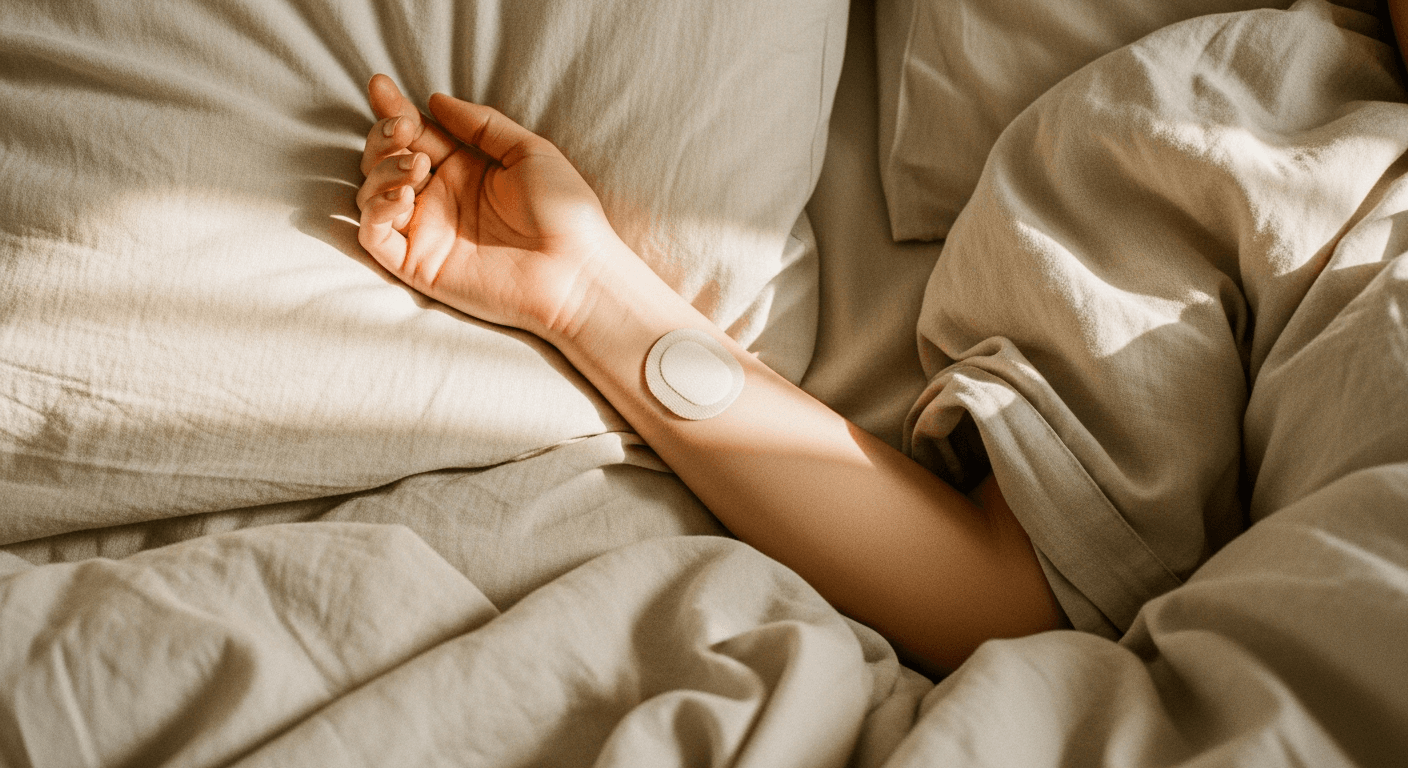
A Wearable Ultrasound Patch That Boosts Your REM Sleep
University of Texas researchers developed NEUSLeeP, a wearable ultrasound patch that helped trial users reach REM sleep 43 minutes faster and extend it by 16 minutes.
Losing 80 Minutes of Sleep a Night Makes You Gain Weight
A Columbia University study found that cutting just 80 minutes of sleep per night for six weeks causes weight gain and increased sedentary behavior.
Deep Sleep Builds Muscle and Burns Fat, Berkeley Finds
UC Berkeley mapped the brain circuit linking deep sleep to growth hormone release, revealing why poor sleep undermines muscle repair and fat metabolism even when diet and training are on point.
Deep Sleep and Growth Hormone: What You Can Actually Do
New research confirms deep sleep and growth hormone regulate each other in a feedback loop. Here's how to protect it with practical, evidence-based habits.
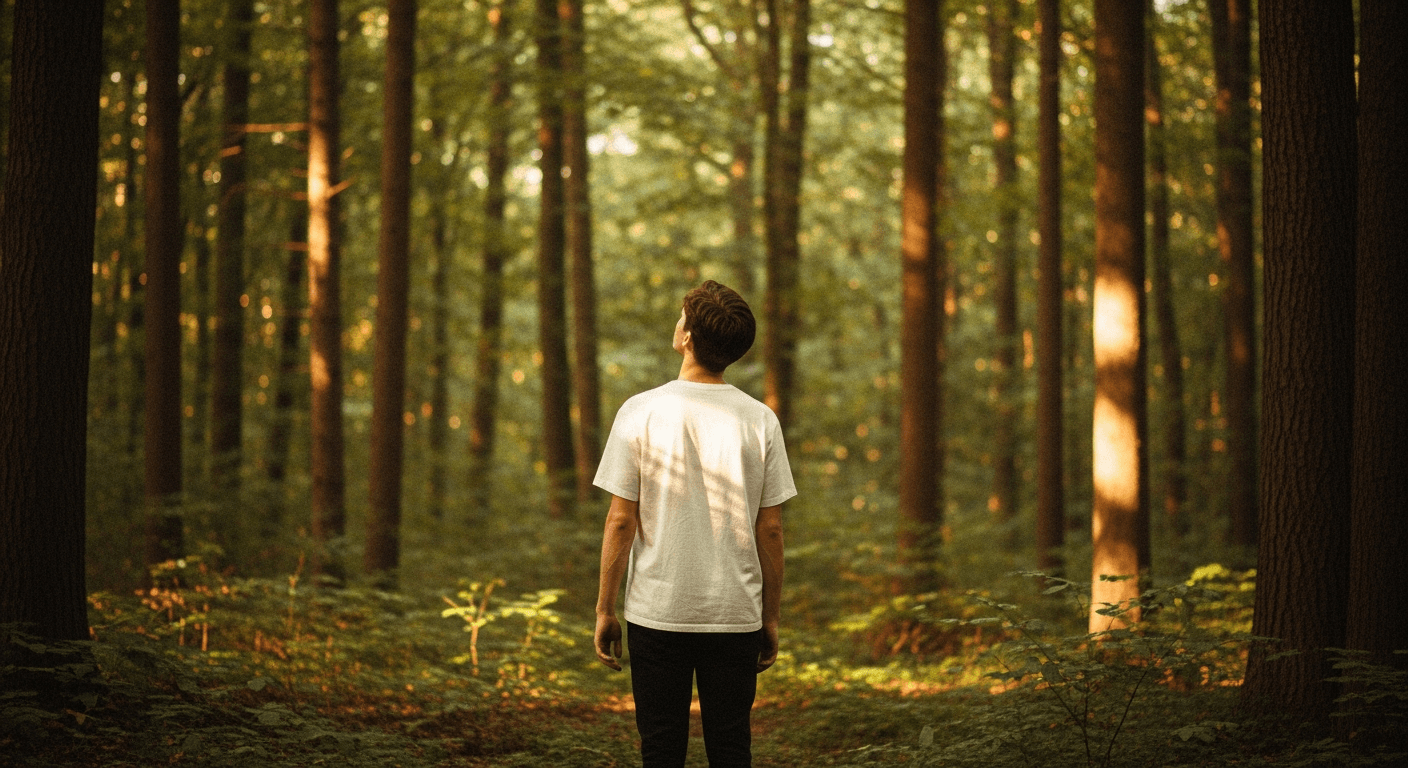
Forest Bathing: Proven Health Benefits and How to Practice It
Forest bathing (shinrin-yoku) reduces cortisol by 12.4%, boosts immunity, and decreases anxiety — backed by decades of research. Complete practical guide.
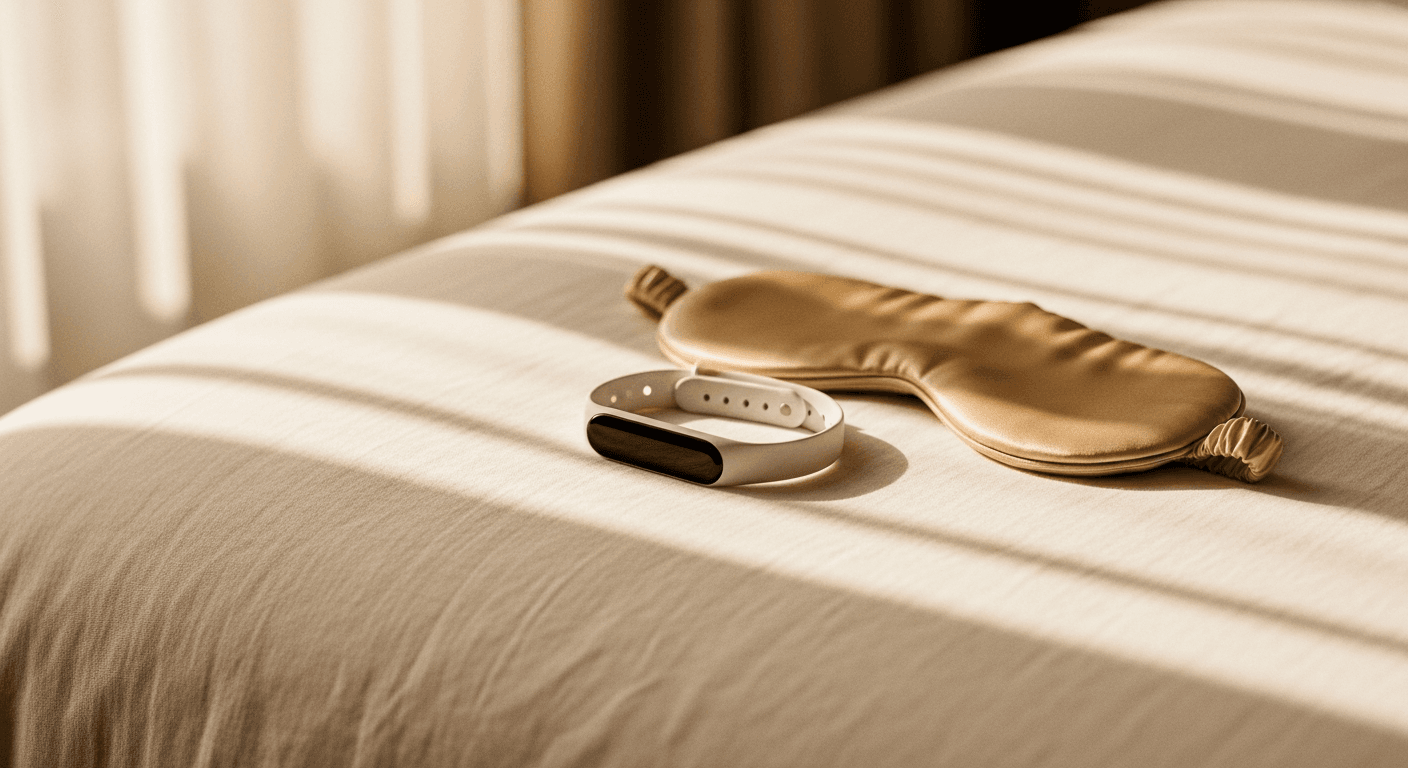
Sleep tourism and wearables: sleep is becoming a full industry in 2026
Sleep tourism and wearables are redefining the sleep industry in 2026. A $600B+ market, dedicated hotel programs, clinical-grade tracking, and the sleepmaxxing Gen Z trend.
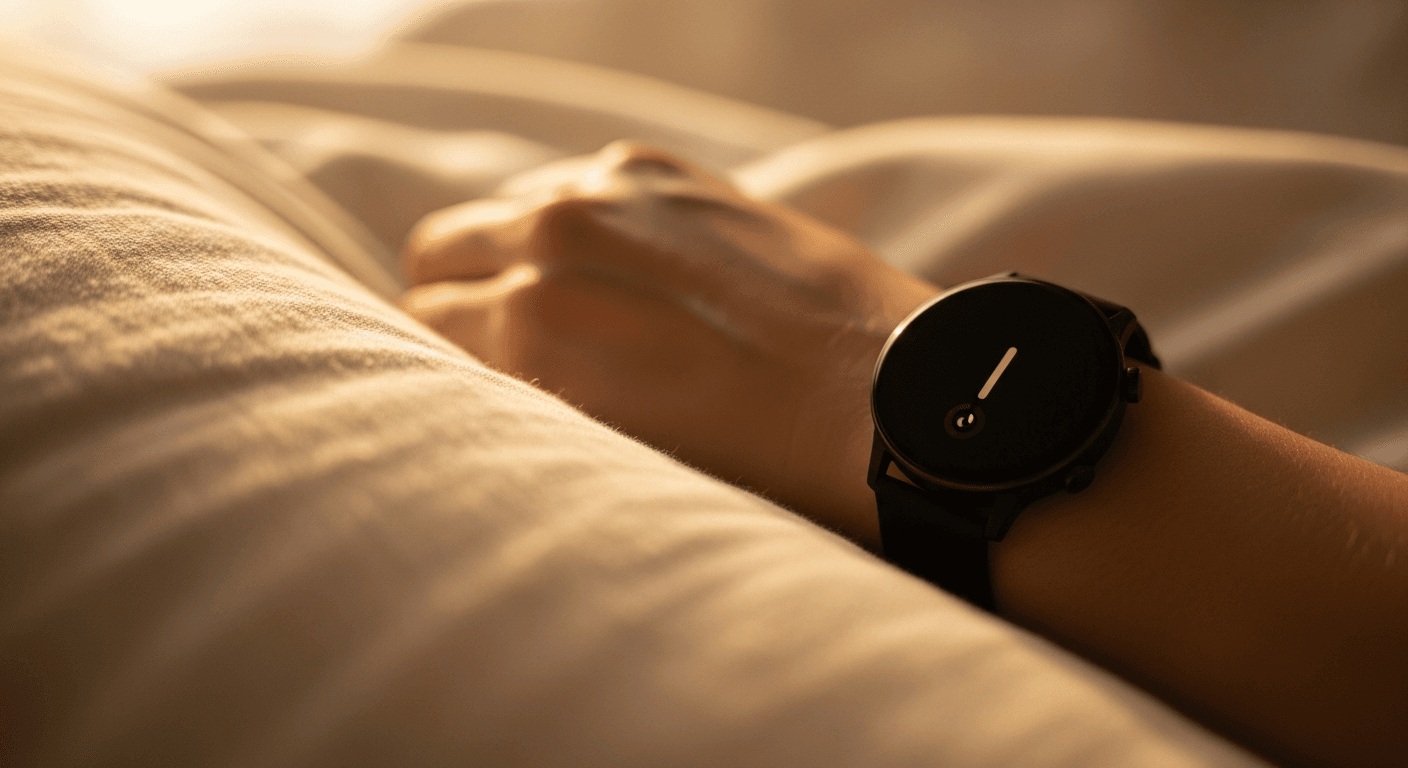
AI can predict your future diseases from your sleep data
A Stanford 2026 study shows AI can predict cardiovascular and neurological disease risk from sleep data. What wearable users and anyone who prioritizes recovery need to know.

Cold Plunges and Contrast Therapy: What the AMA Actually Says
The AMA's July 2026 review finds real short-term soreness benefits in cold plunges, but weak long-term evidence and a key training adaptation caveat most wellness content ignores.
Sleep and Mental Health Have a Two-Way Relationship — and the APA Just Documented It
The APA documents the bidirectional sleep-mental health link in June 2026: sleep disorders can cause psychiatric symptoms. Treating insomnia improves both.
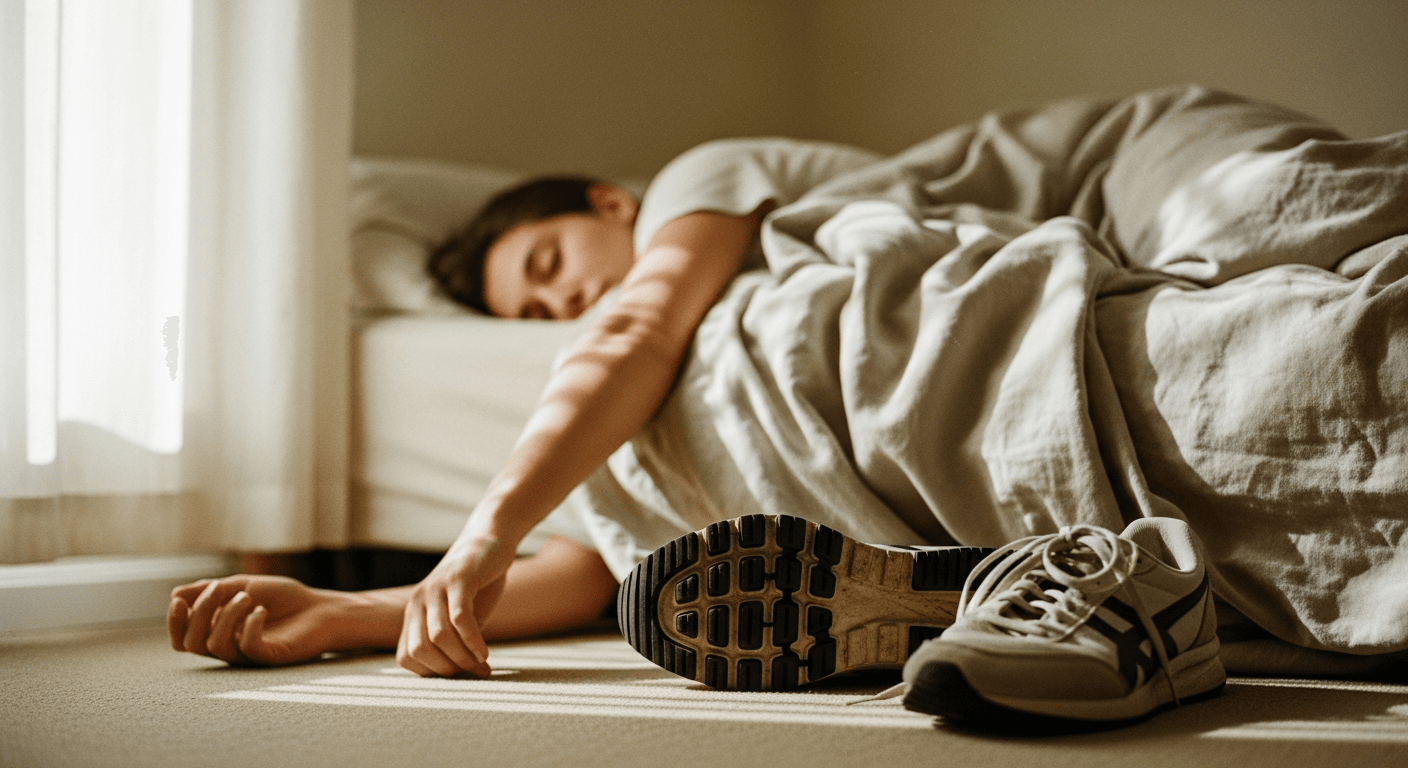
87% of People Fall Short on Both Sleep and Exercise — Here's Why
Fewer than 13% of people consistently meet both sleep and exercise targets, a study of 70,000 people found. And it's sleep that determines whether you exercise tomorrow — not the other way around.
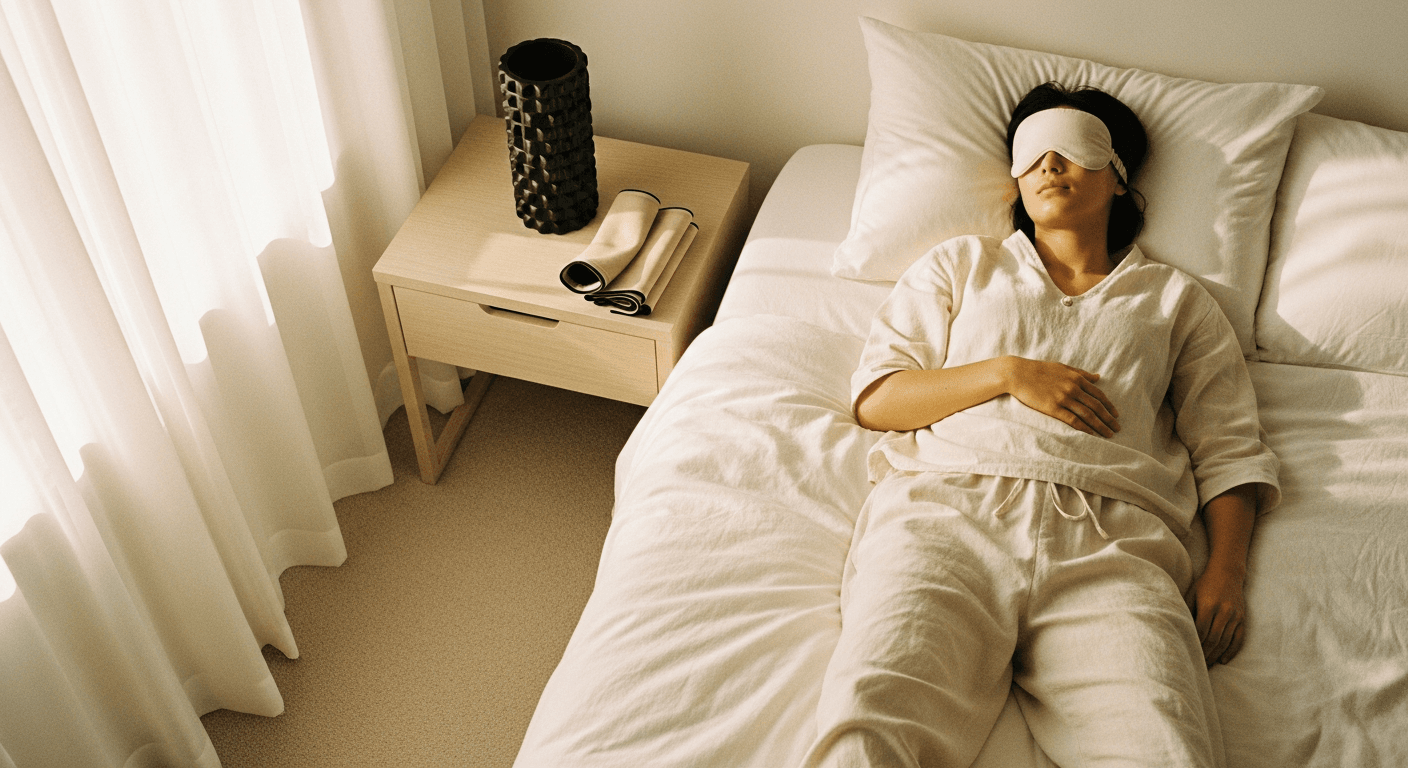
Recovery in 2026: The Strategies That Actually Work
Recovery is 2026's top wellness trend. Here's what the science actually supports, from sleep and active recovery to stress management and nutrition.
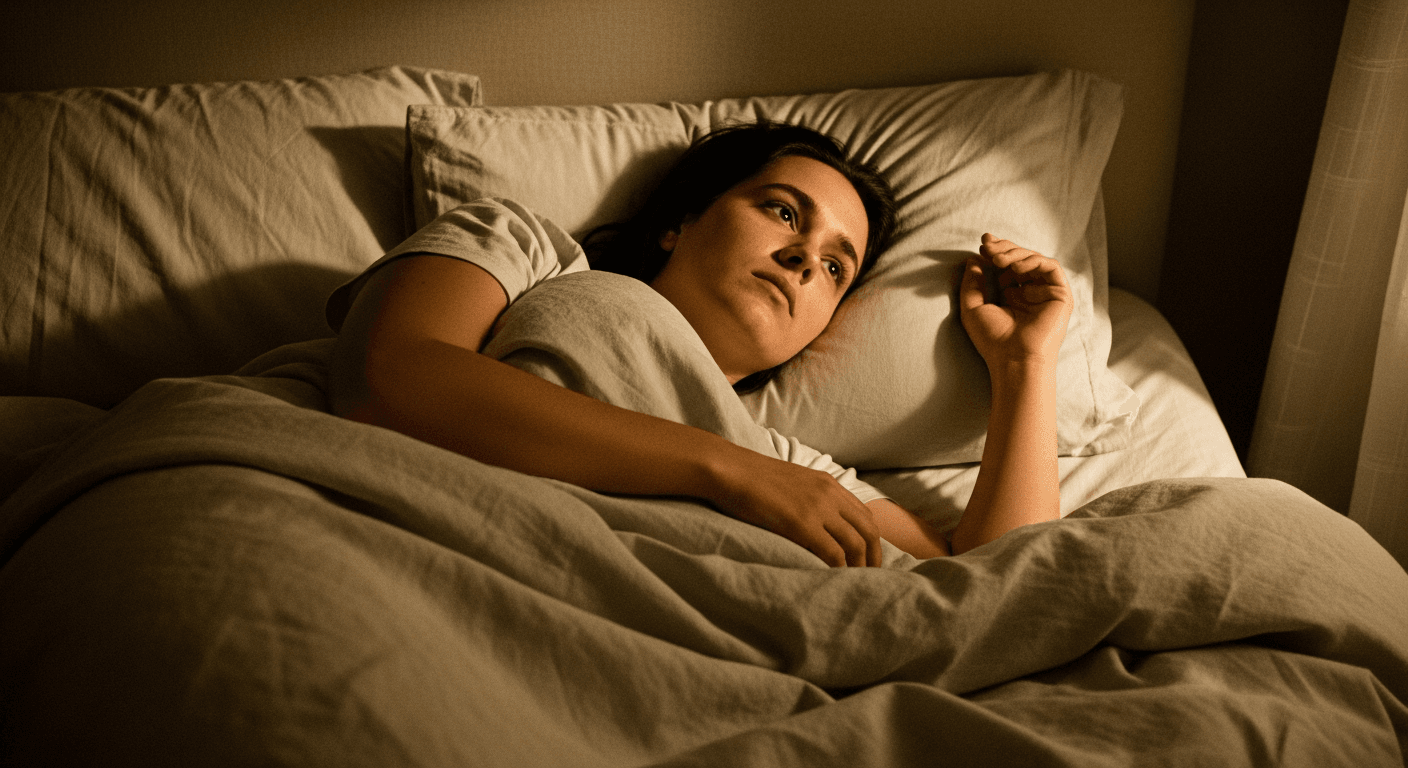
What One Sleepless Night Actually Does to Your Brain
Missing a night of sleep doesn't quiet your brain. It overloads it. New research reveals why this matters for burnout risk.
Sleep and Longevity: What 2026 Science Is Telling Us
New 2026 sleep science pinpoints a narrower optimal sleep window, explains why one sleepless night spikes brain activity, and links chronic disruption to accelerated aging.
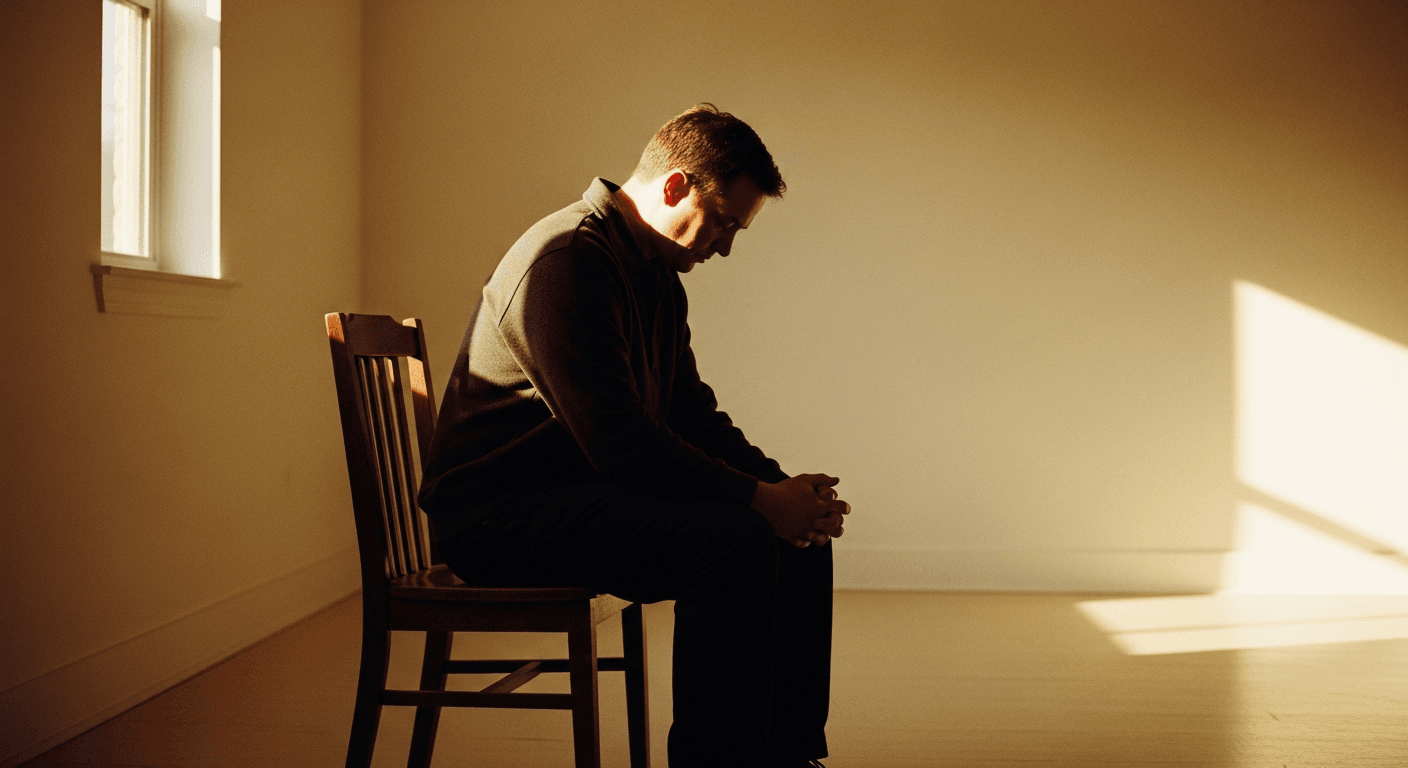
Early Stress Leaves a Mark. Scientists Found the Protein
New research identifies a stress protein that encodes early-life trauma as lasting biological changes, explaining why adult chronic stress often runs deeper than willpower or habits.
8 Hours of Sleep: Is Duration Really What Matters?
Is '8 hours' the right sleep target? 2025-2026 research shows sleep efficiency, architecture (N3, REM), and perceived sufficiency predict health outcomes better than duration alone — a major paradigm shift.
SLEEP 2026: The Findings That Actually Matter
SLEEP 2026 delivered late-breaking findings on AD109 for OSA and long COVID sleep disruption. Here's what the conference means for your health.
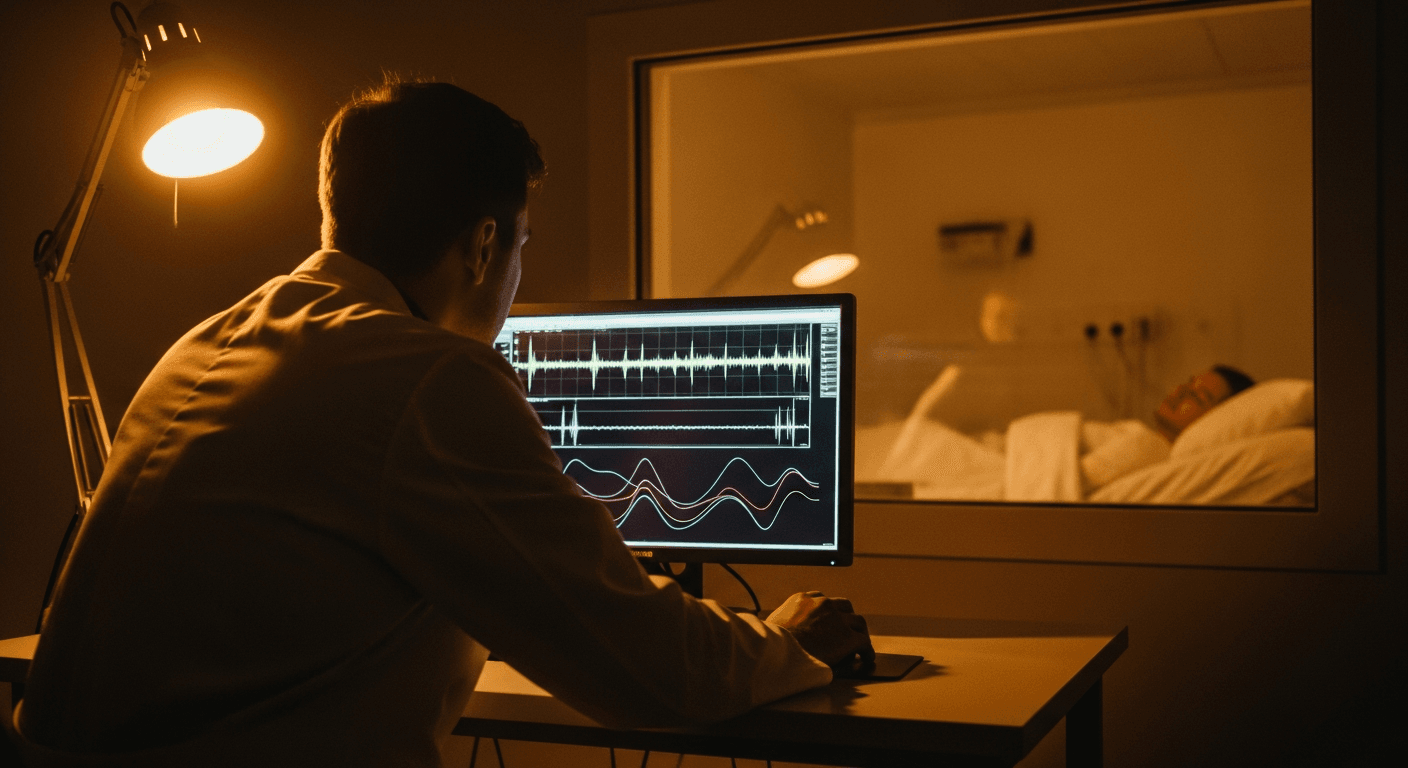
SLEEP 2026: The Biggest Findings From the World's Most Important Sleep Conference
SLEEP 2026 in Baltimore: sleep fragmentation is an independent cardiovascular risk, morning exercise improves deep sleep, and a consistent wake time outperforms consistent bedtime. The conference's biggest findings.
Recovery Is Becoming the Biggest Wellness Trend of 2026
Recovery (cold plunge, infrared sauna, HRV) is the biggest wellness trend of 2026 — growing 23% annually. The cultural shift from passive rest to active recovery practice, and what it means for coaches.
Long COVID Is Wrecking Sleep. Here's the Research
New research links long COVID to shorter sleep duration, poorer quality, and chronic disturbance. Here's what the science says and what actually helps.
A Pill for Sleep Apnea? What the AD109 Trial Shows
A Phase 3 trial at SLEEP 2026 shows AD109 significantly reduces OSA severity in CPAP-intolerant adults, signaling a credible oral alternative may be coming.
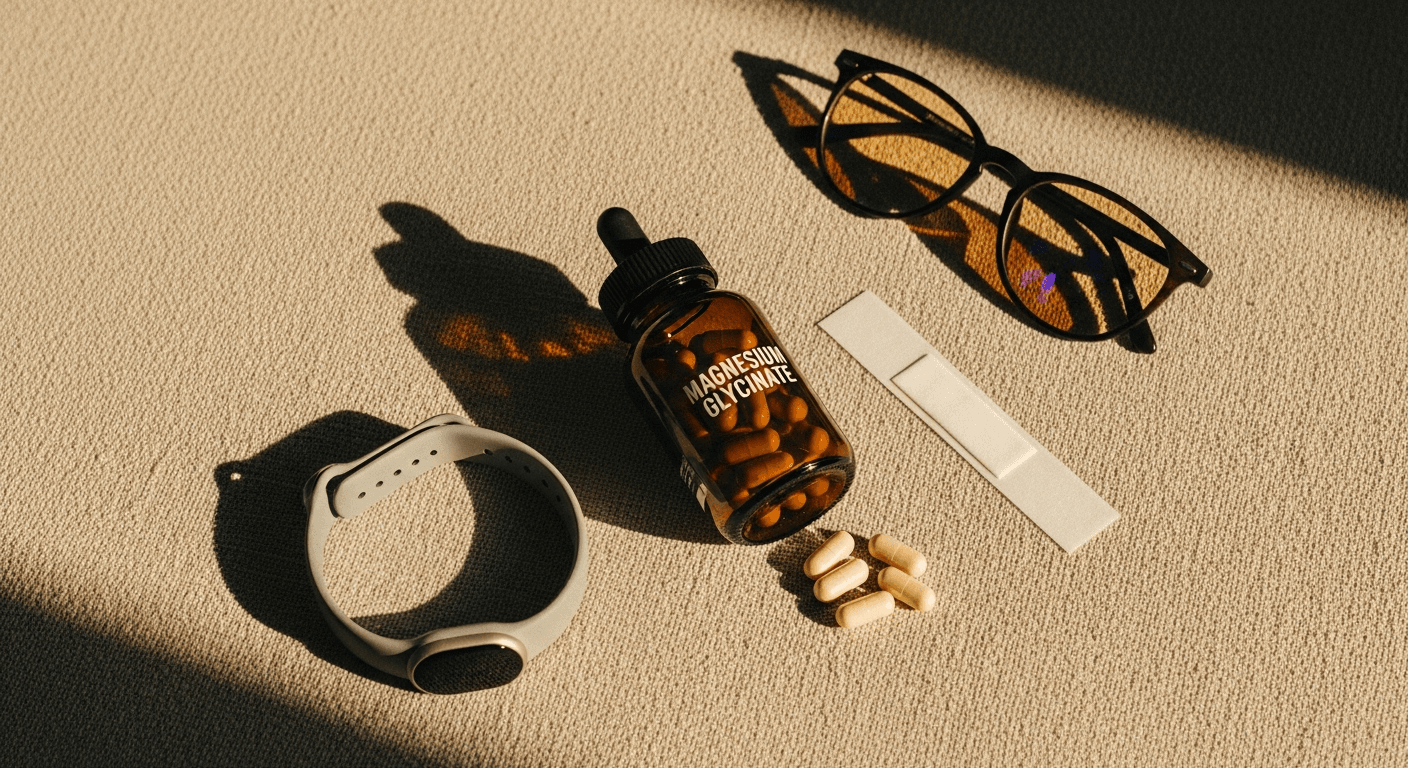
Sleepmaxxing: What Actually Works, What's Just Hype
Sleepmaxxing has exploded to billions of views in 2026, mixing real sleep science with unproven hacks. Here's what the research actually confirms and a practical protocol to start tonight.

World Wellness Day 2026: Key Highlights
World Wellness Day 2026 was yesterday, June 13. Here's what it's about, the GWI's top wellness priorities for the year, and one concrete habit to start this Sunday.
Why Running Outside Reduces Stress Faster Than the Gym
Running in a park reduces cortisol and anxiety more effectively than a treadmill. The science of green exercise explains why just 5 minutes in nature already produces a measurable effect.
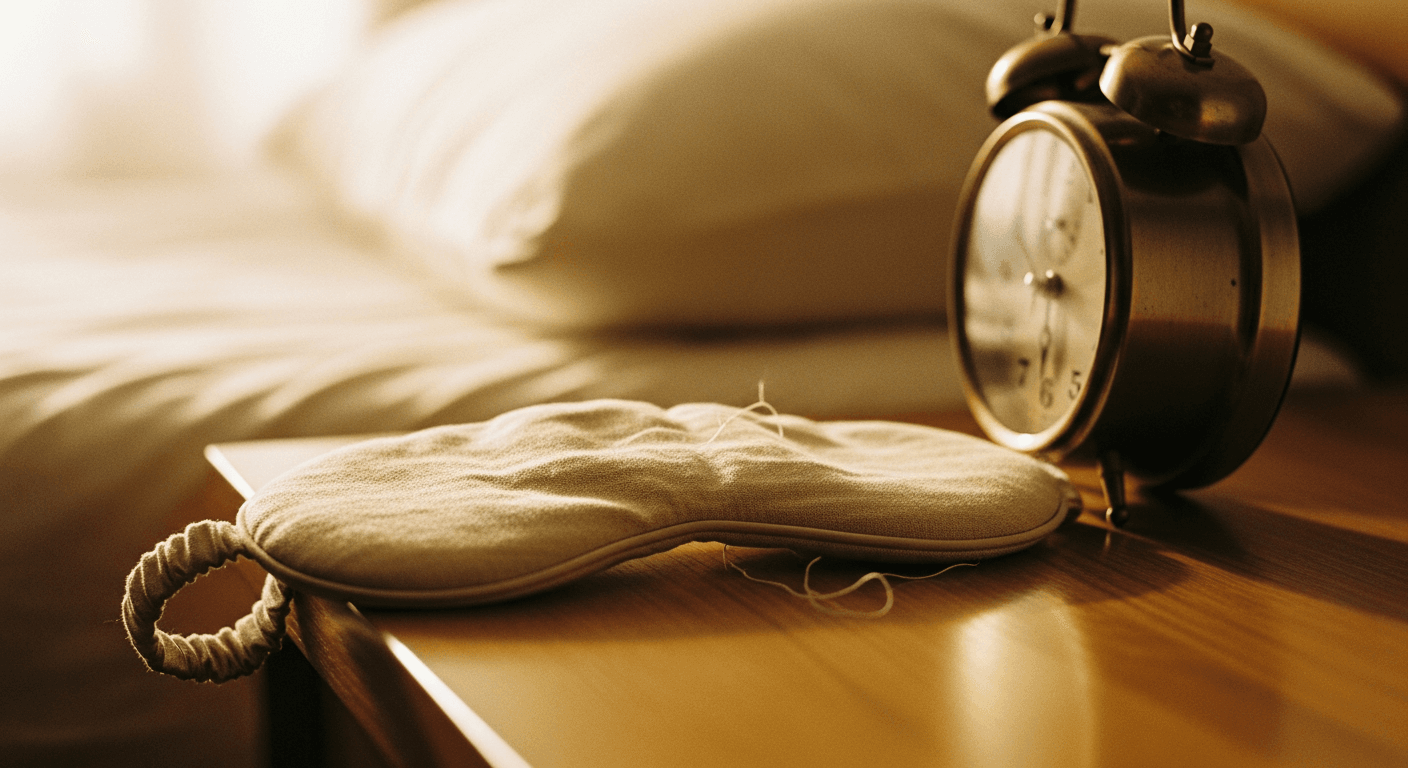
Can You Actually Recover Your Sleep Debt on Weekends? New Research Has a Nuanced Answer
Weekend sleep banking reduces depression risk by 22-31% but doesn't fully restore cognitive performance and creates social jetlag with its own costs. Here's what new research actually shows.