
Wellness & Recovery Guides
Sleep optimization, stress management, and mobility guides for active people. Science-backed wellness strategies to help you recover and perform better.
Latest articles (340)
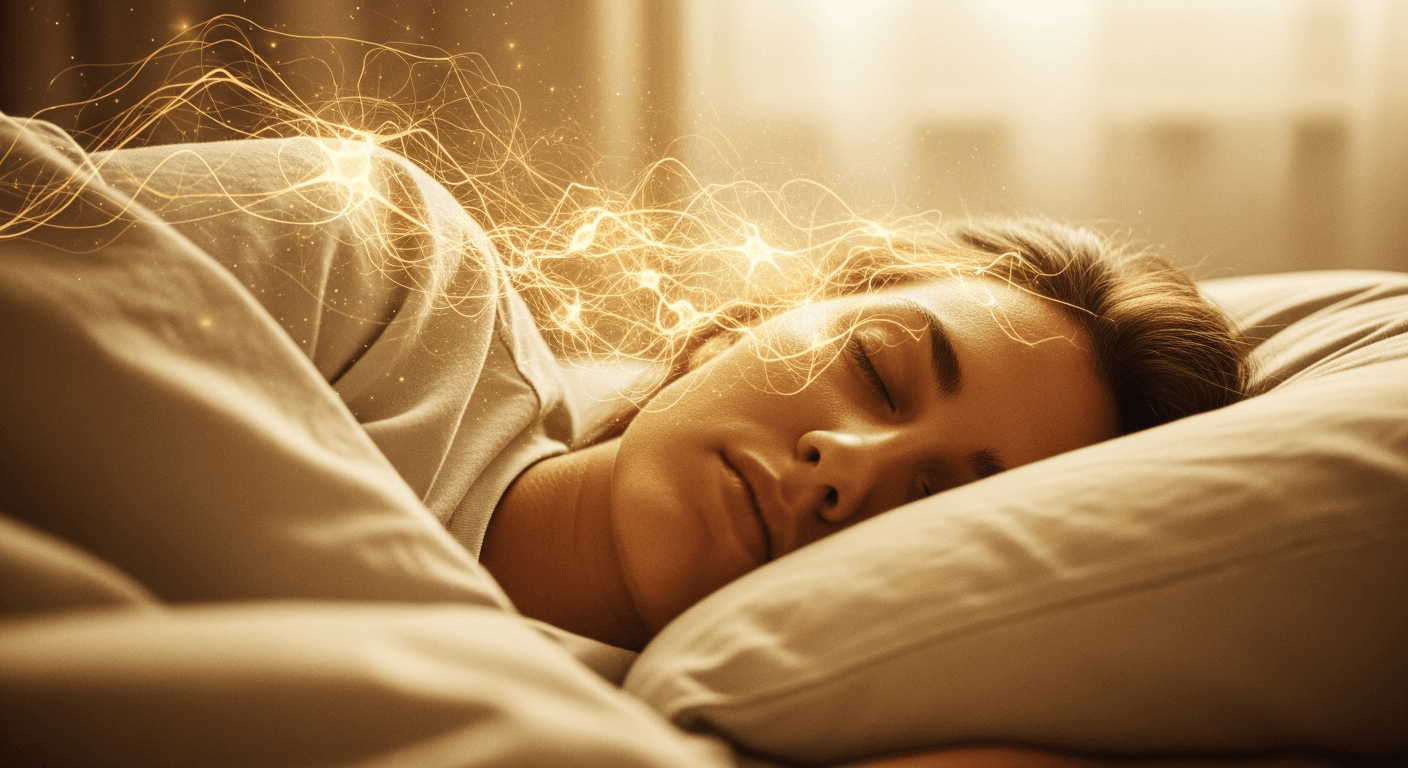
How Sleep Actually Repairs Your Brain, New Research
NIH-funded research reveals it's a specific on-off neuronal firing pattern during non-REM sleep, not sleep duration alone, that restores the brain after deprivation.
Recovery Is Fitness's New Status Symbol
Recovery has become fitness's new status symbol in 2026, but not all recovery tools are equal. Here's what the evidence supports and what's just expensive theater.
Heart Coherence Breathing May Protect Your Brain
A June 2026 study found that daily heart coherence breathing reduced blood amyloid-beta levels, a key Alzheimer's marker, reframing breathwork as a potential brain health tool.

Online CBT-I for Insomnia: The Evidence Is Strong
Two studies at SLEEP 2026 confirm digital CBT-I significantly improves sleep and cuts insomnia symptoms, even in adults over 65, with no medication required.
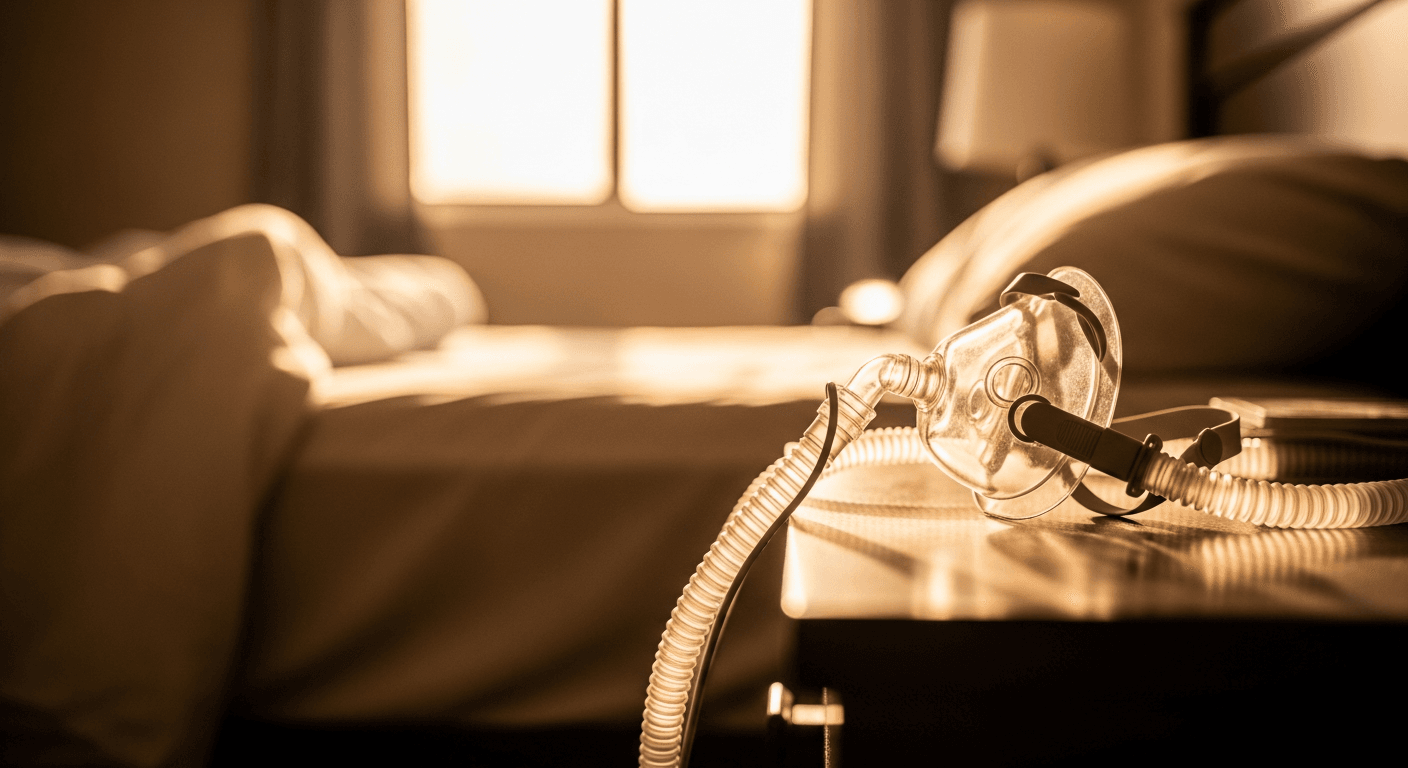
Sleep Apnea: Researchers Found a New Treatment Target
New research identifies a precise neural target that could lead to drug-based sleep apnea treatments beyond CPAP, with real stakes for recovery and long-term health.
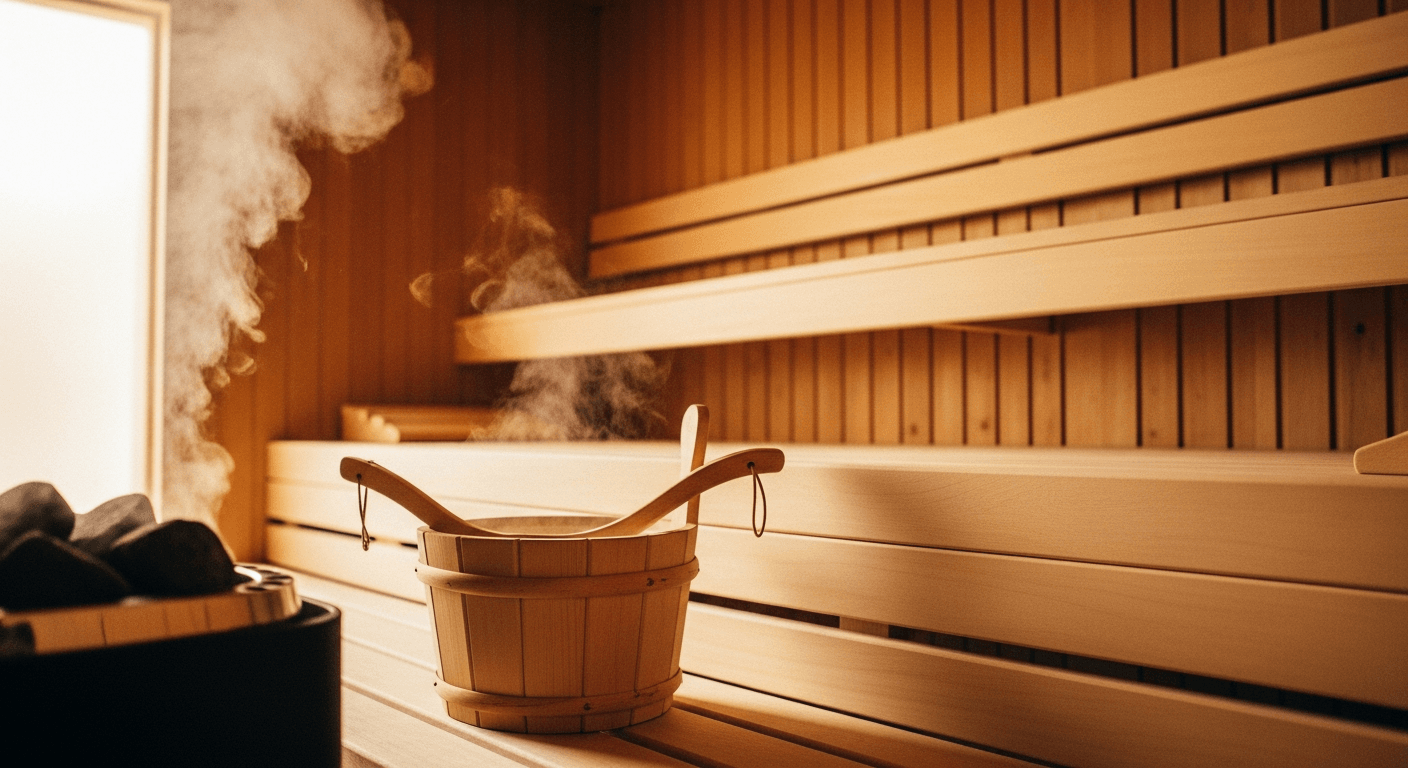
Sauna Frequency, Duration, and Temperature: What the Research Shows
How often should you use a sauna? How long? What temperature? Finnish research shows 4-7 sessions/week, 19+ min at 80°C+ for meaningful health benefits. Guide with the evidence.
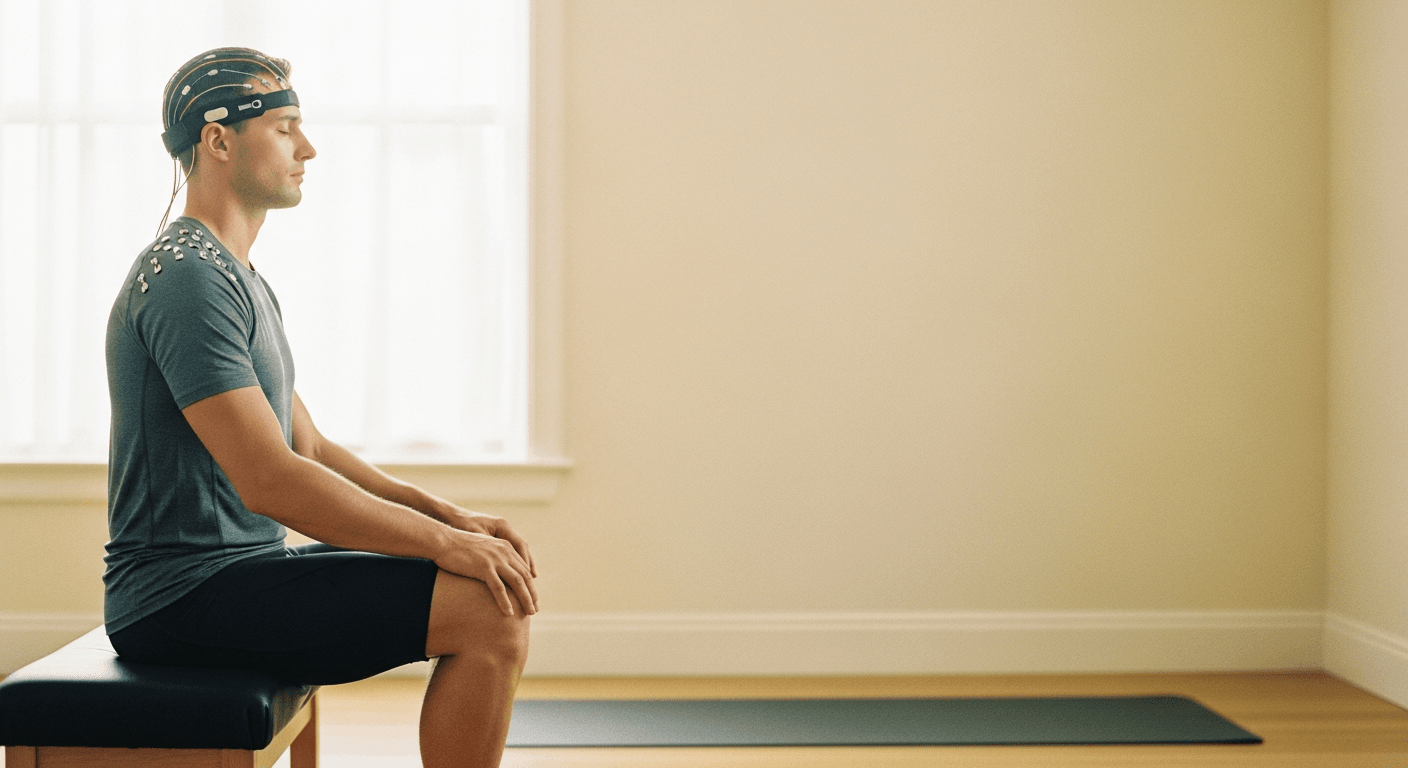
Neurotechnology Is Changing How We Recover
Neurotechnology platforms like Umo now measure nervous system readiness in real time, helping everyday athletes train smarter at any age.
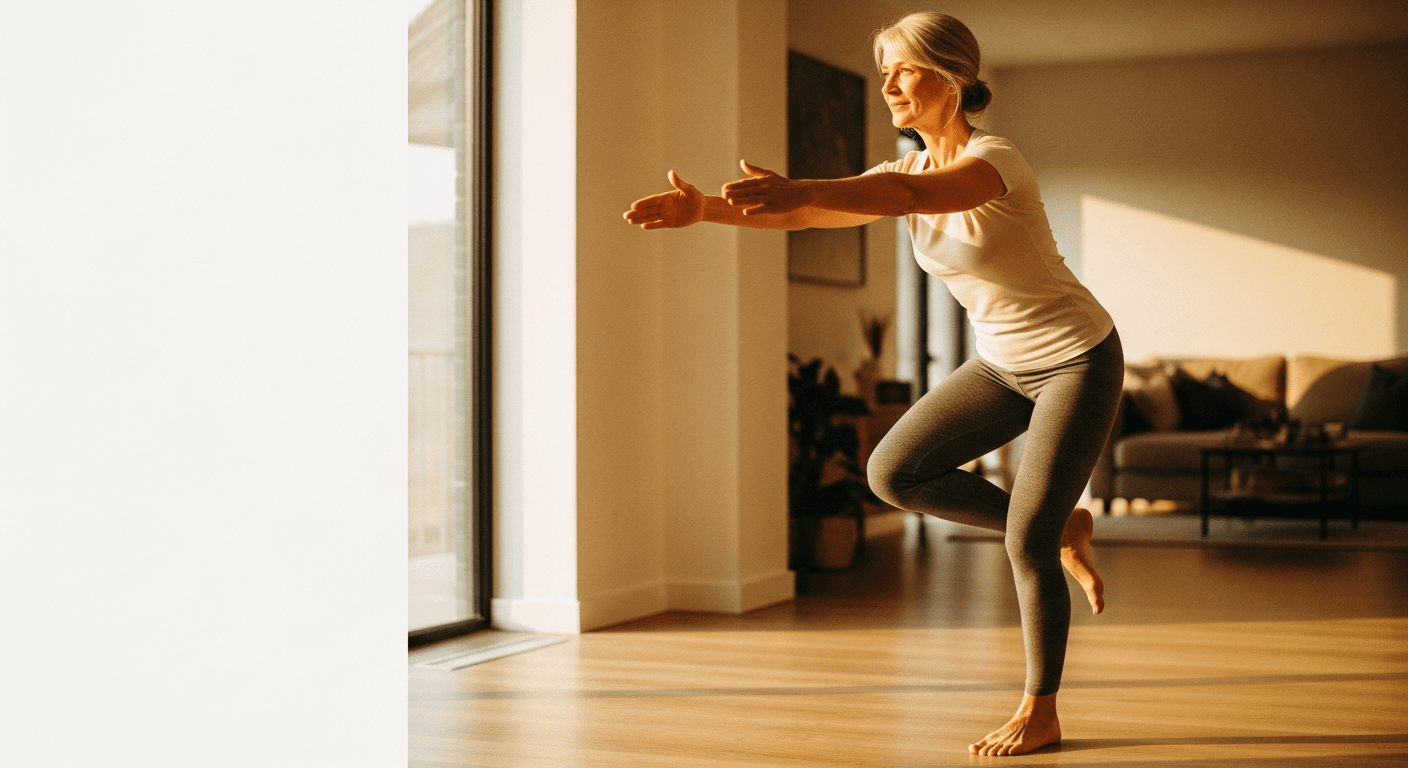
Neuroplasticity: Your Brain Can Change at Any Age
The brain continues to rewire itself at every age. Here's how neuroplasticity applies to balance, movement, and recovery after 50.
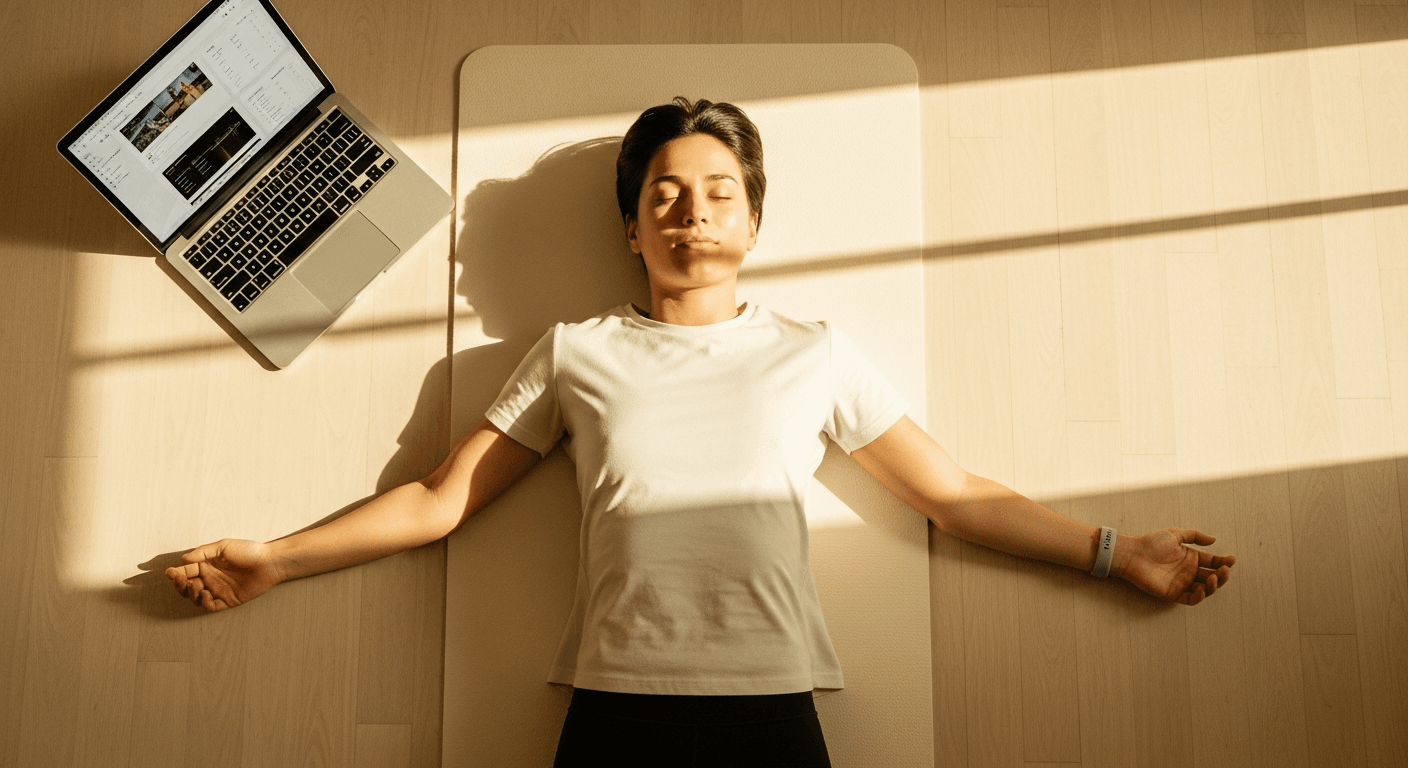
Is Your Nervous System Ready to Train? Here's How to Tell
Your muscles may feel fine, but your nervous system could be the real reason your training suffers. Here's how to check your readiness before every session.
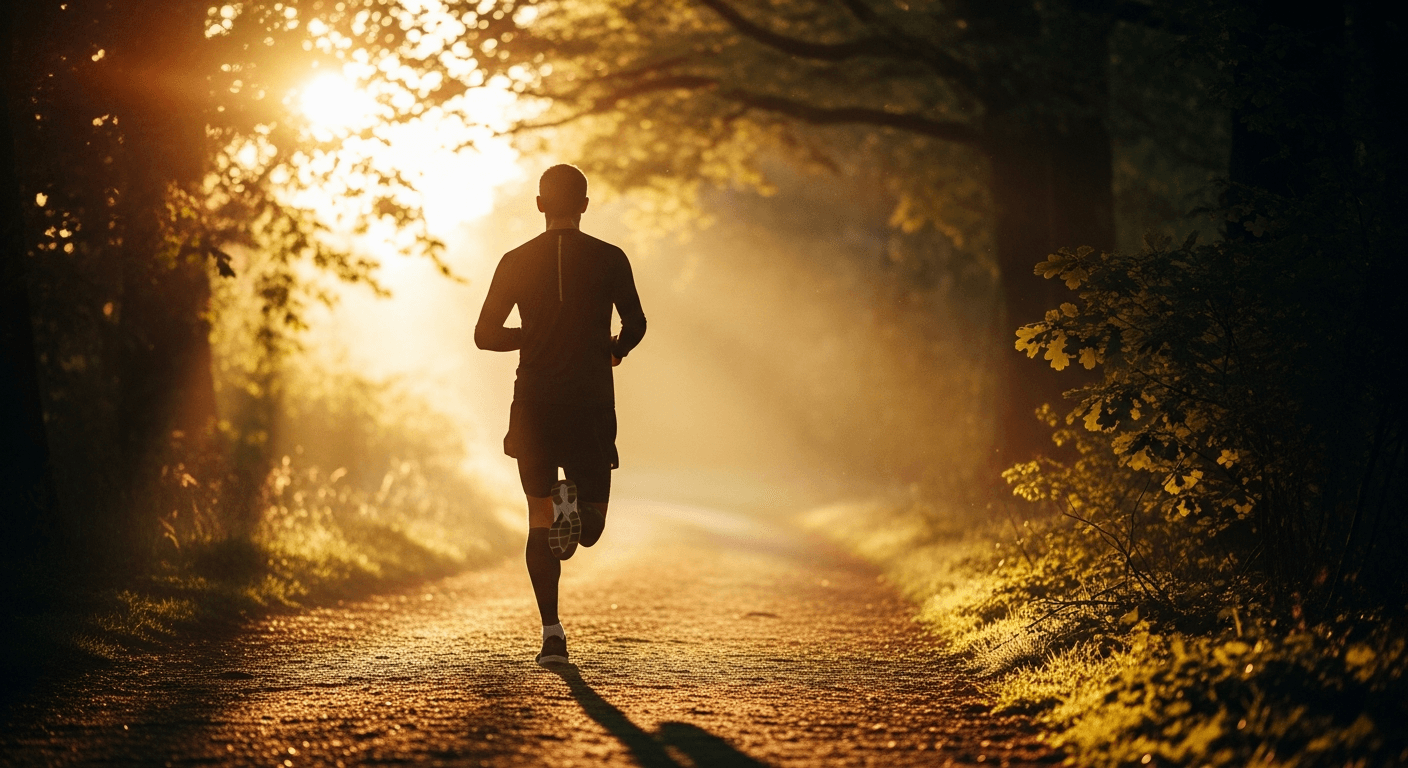
Exercise for Anxiety and Depression: What the Evidence Actually Shows
Exercise is one of the best-documented interventions for anxiety and depression. Biological mechanisms, minimum dose, cardio vs strength training — what the science shows in 2026.
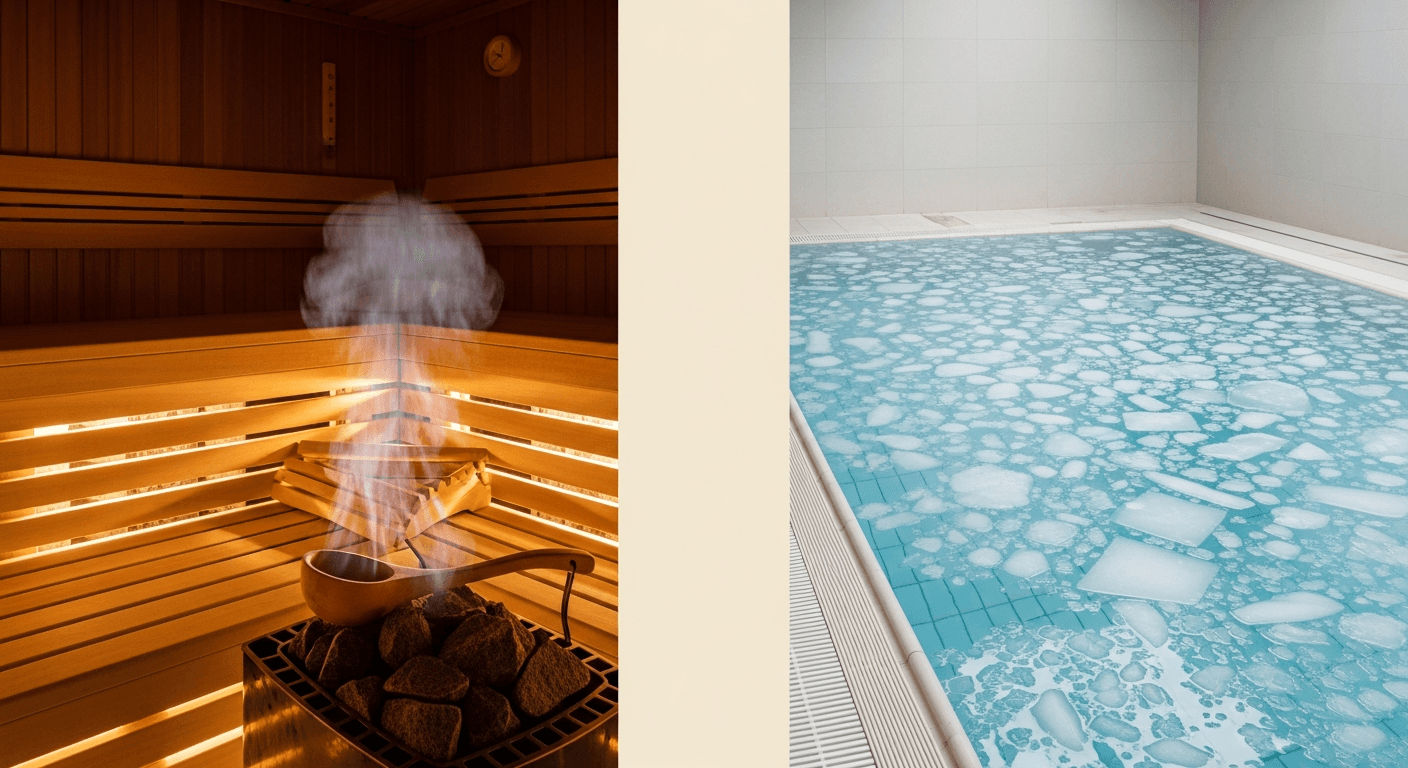
Sauna vs Ice Bath: When to Use Heat vs Cold for Recovery
Ice bath or sauna? They don't do the same thing. Cold accelerates acute recovery but blunts muscle growth. Sauna 4-7x/week cuts cardiac mortality by 63%. This guide tells you when to use which.

The Nervous System: The Missing Key to Your Recovery
New marathon research shows the autonomic nervous system is the most overlooked factor in athletic recovery. Here's what the evidence says about fixing it.

Insomnia: The Surprising Mental Trait That Can Beat It
New SLEEP 2026 research identifies cognitive flexibility as a key predictor of insomnia recovery, pointing beyond sleep hygiene to trainable mental habits.
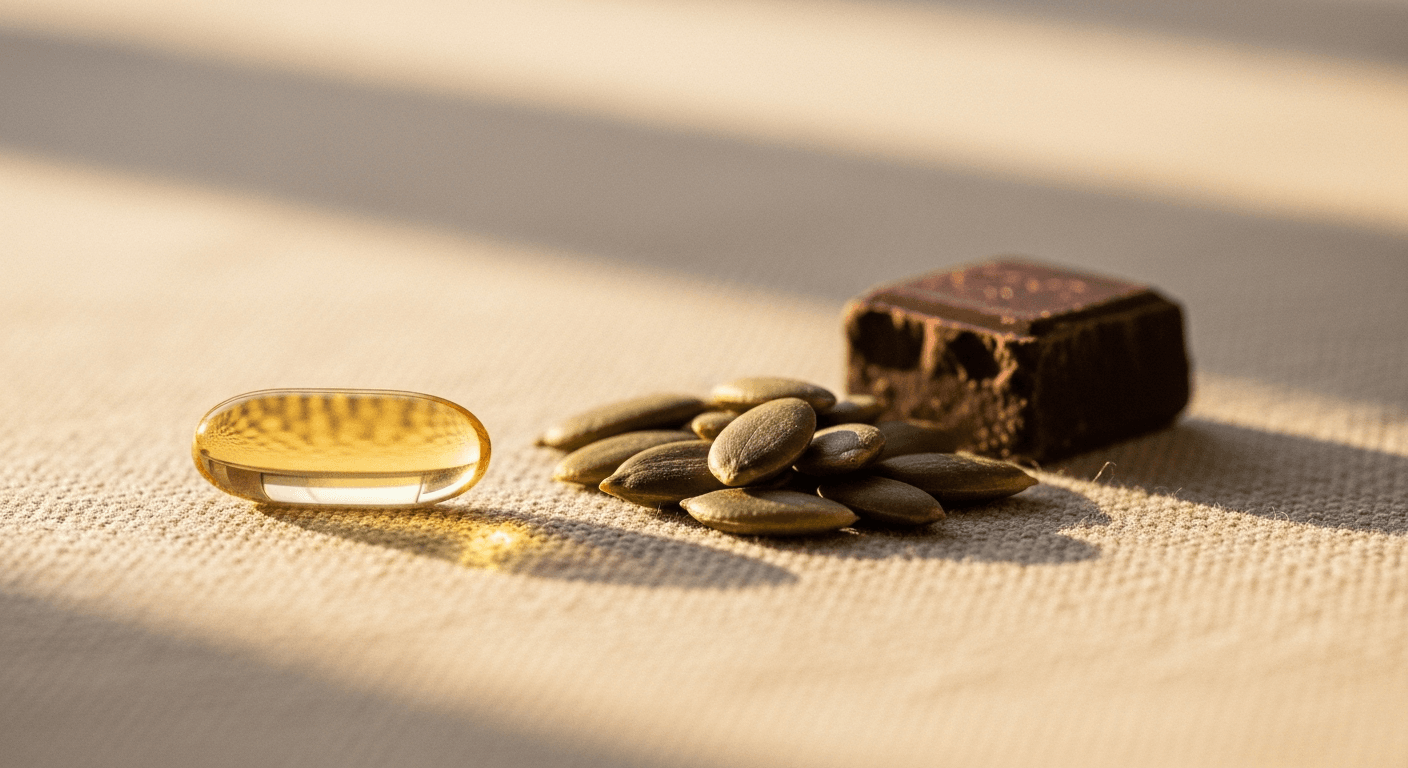
Magnesium After 50: The Deficiency You Probably Have (And How to Fix It)
68% of adults don't meet magnesium RDA. After 50, absorption drops further. Complete guide: which form (glycinate vs malate vs oxide), dose (200-400 mg), and timing to maximize benefits.

Feel Older Than You Are? Your Sleep Suffers For It
New research from SLEEP 2026 finds that adults who feel older than their chronological age sleep significantly worse. Here's why subjective age matters and what shifts it.
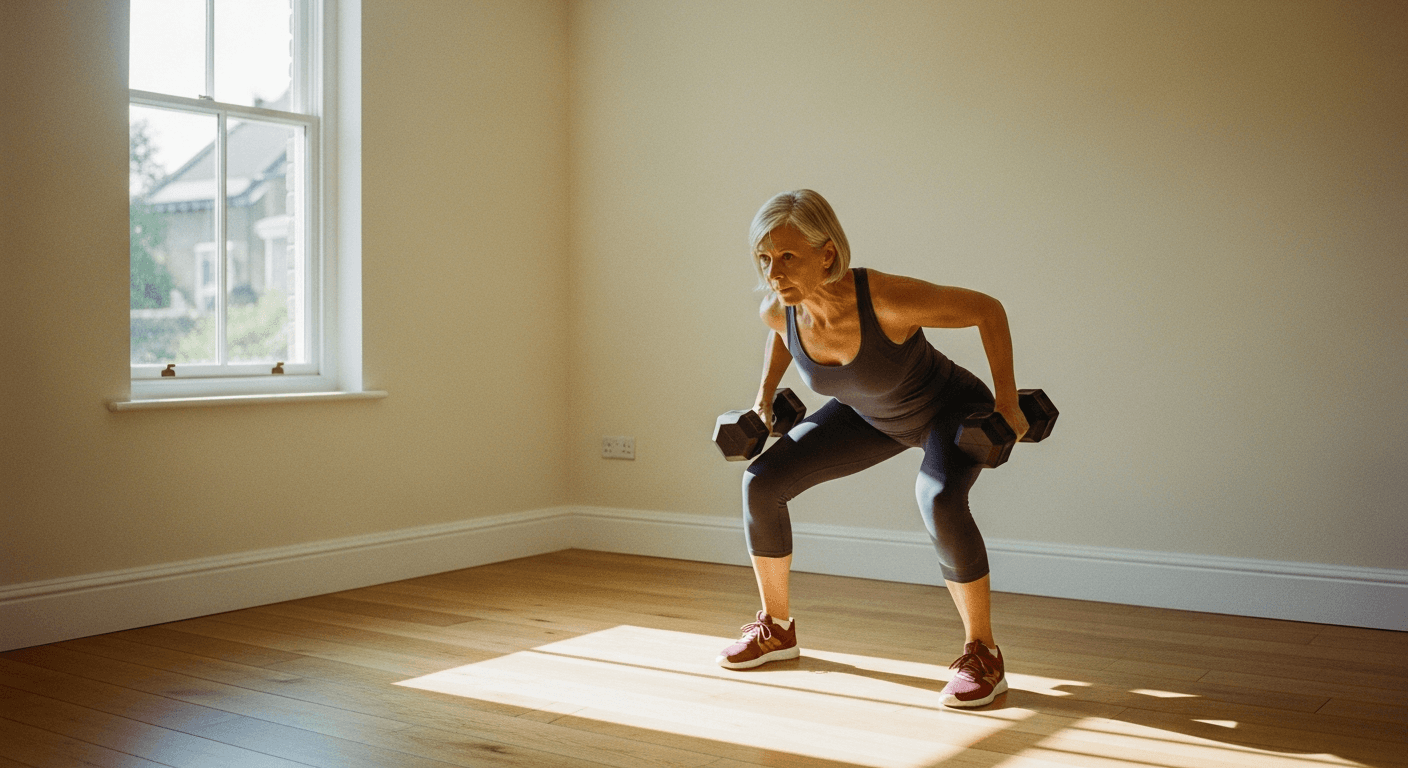
Exercise and Menopause: The Evidence-Based Protocol for Perimenopause and Beyond
Strength training 2-3x/week reduces hot flash severity 30-40% and offsets menopause's 3-5%/year bone density loss. The complete evidence-based weekly program for perimenopause and beyond.
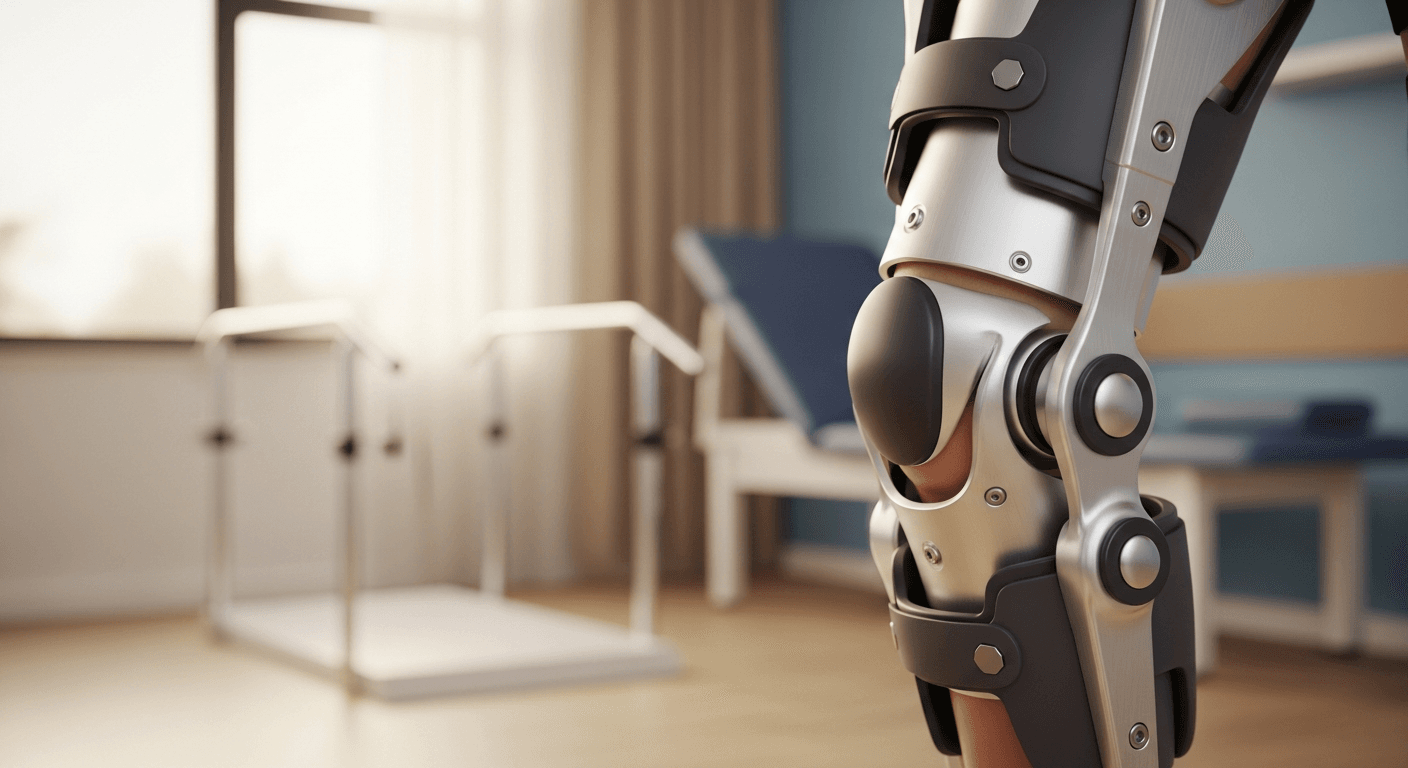
AI and Robotics Are Changing How Athletes Rehab Injuries
AI-powered gait analysis and robotic rehab systems are reshaping injury recovery. Here's what the technology does and what it means for everyday athletes.
Sleeping in Summer Heat: How to Protect Your Recovery When Hot Nights Disrupt Your Sleep
Summer heat delays sleep onset and reduces deep sleep by 15-20%. Complete protocol: room temperature, cool shower (exact timing), hydration, and what doesn't actually work.
The Recovery Signal: How to Recover Well When Summer Heat Sets In
Summer heat changes the rules of recovery. This week's Recovery Signal covers what to adjust — sleep cooling, electrolyte timing, and active recovery windows — for a stronger weekend.

Swimming as Active Recovery: Why It Works Better Than Rest
Swimming outperforms passive rest for recovery by using hydrostatic pressure, buoyancy, and low-impact movement to reduce inflammation and maintain fitness.
Summer Recovery: How Heat Changes Your Body's Ability to Recover
Heat systematically degrades recovery: sleep, HRV, cortisol. What summer actually does to your body post-training — and the protocols to compensate.
Sleep Tracking Wearables in 2026: Helpful Tool or Anxiety Machine?
Sleep tracking is the #1 wellness habit of 2026 — but orthosomnia (anxiety from your own sleep score) is real. How to use sleep wearables without making sleep worse.
Recovery After 40: What Your Body Actually Needs
After 40, recovery isn't optional padding in your training plan. Here's the science behind why rest takes longer and how to schedule it effectively.
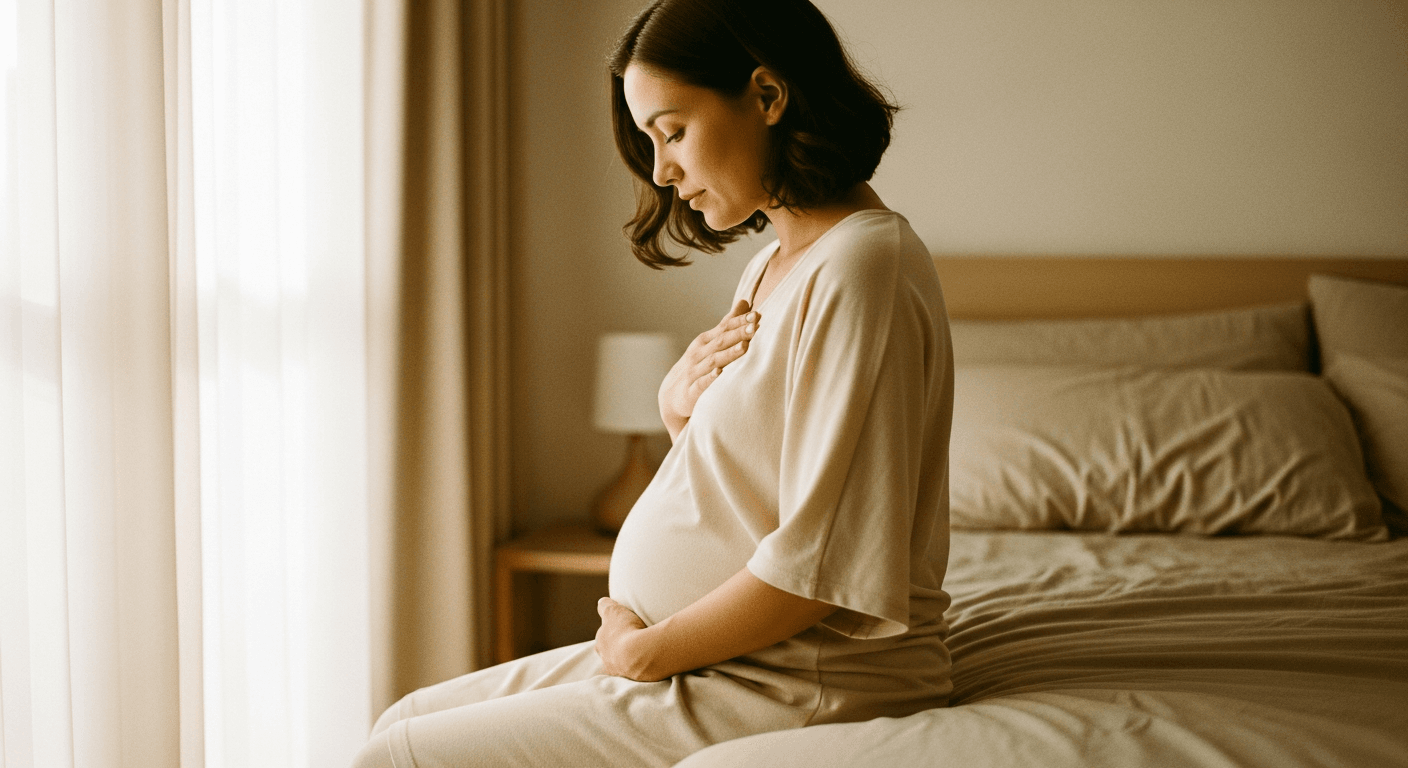
Pregnancy Stress Leaves Lasting Marks on Your Heart
A University of Delaware study links chronic pregnancy stress to lasting cardiovascular changes in mothers, raising long-term hypertension and heart disease risk.