
Fitness Training Guides
Strength training, workout programs, and progressive overload explained. Build muscle, get stronger, and reach your fitness goals.
Latest articles (646)

3,000 Steps a Day May Slow Alzheimer's Brain Changes
New research links just 3,000 daily steps to nearly 50% less cognitive decline and tau protein buildup tied to Alzheimer's disease progression.

Paris's Most Iconic Gym Just Reopened. Here's What It Signals
The Ken Club's Paris comeback after four years reveals where premium fitness is headed: high-design, community-driven spaces redefining what a gym membership means.

The Gym Is the New Third Place for Social Connection
Gyms are replacing bars as the go-to social venue for under-35s. Here's what that shift means for members, coaches, and operators.
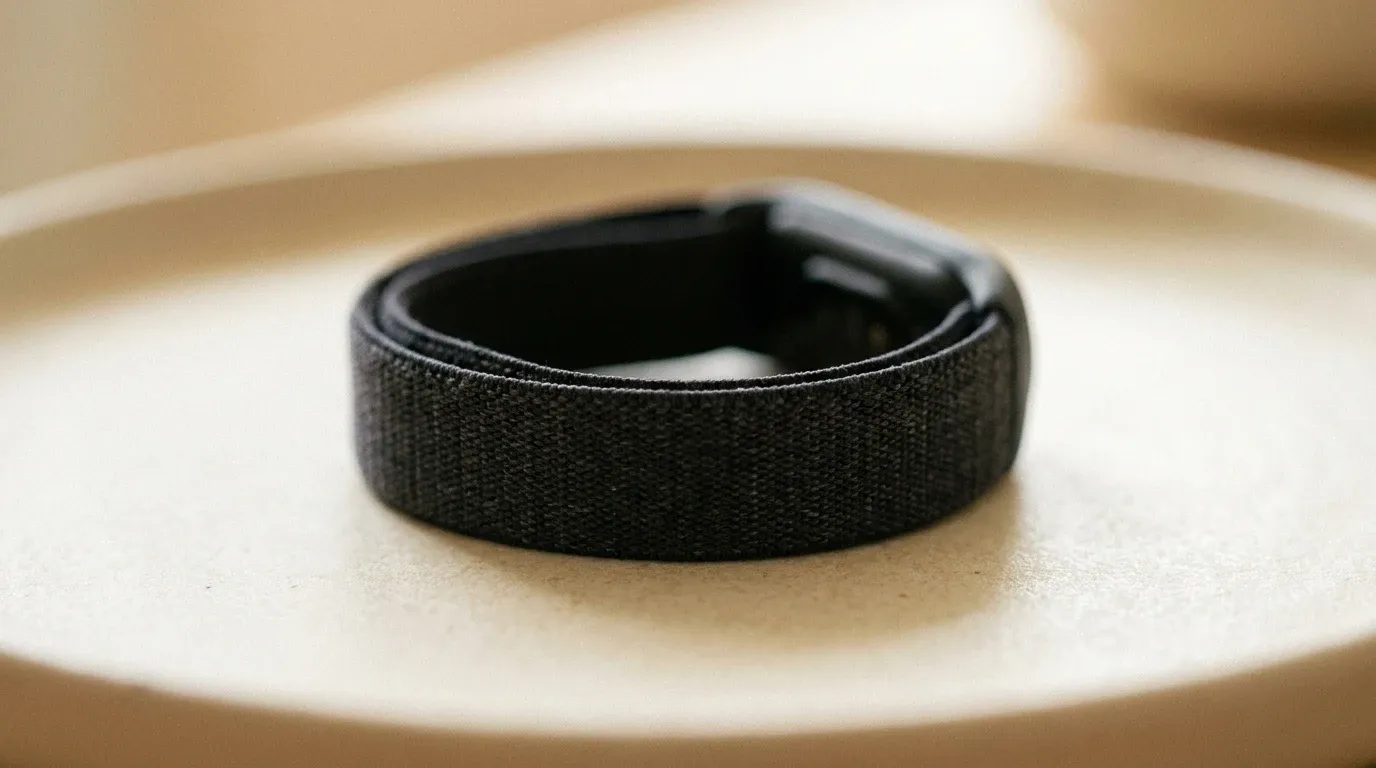
Suunto's Screenless Tracker Could Change the Wearable Game
A leaked Suunto screenless tracker may rival Whoop on recovery metrics with no subscription fee, threatening the recurring-revenue model dominating wearables.

Is the Pickleball Boom Actually Slowing Down?
A major pickleball brand's bankruptcy and shifting payment data reveal real cracks in the sport's boom. Here's what fitness industry signals actually show.
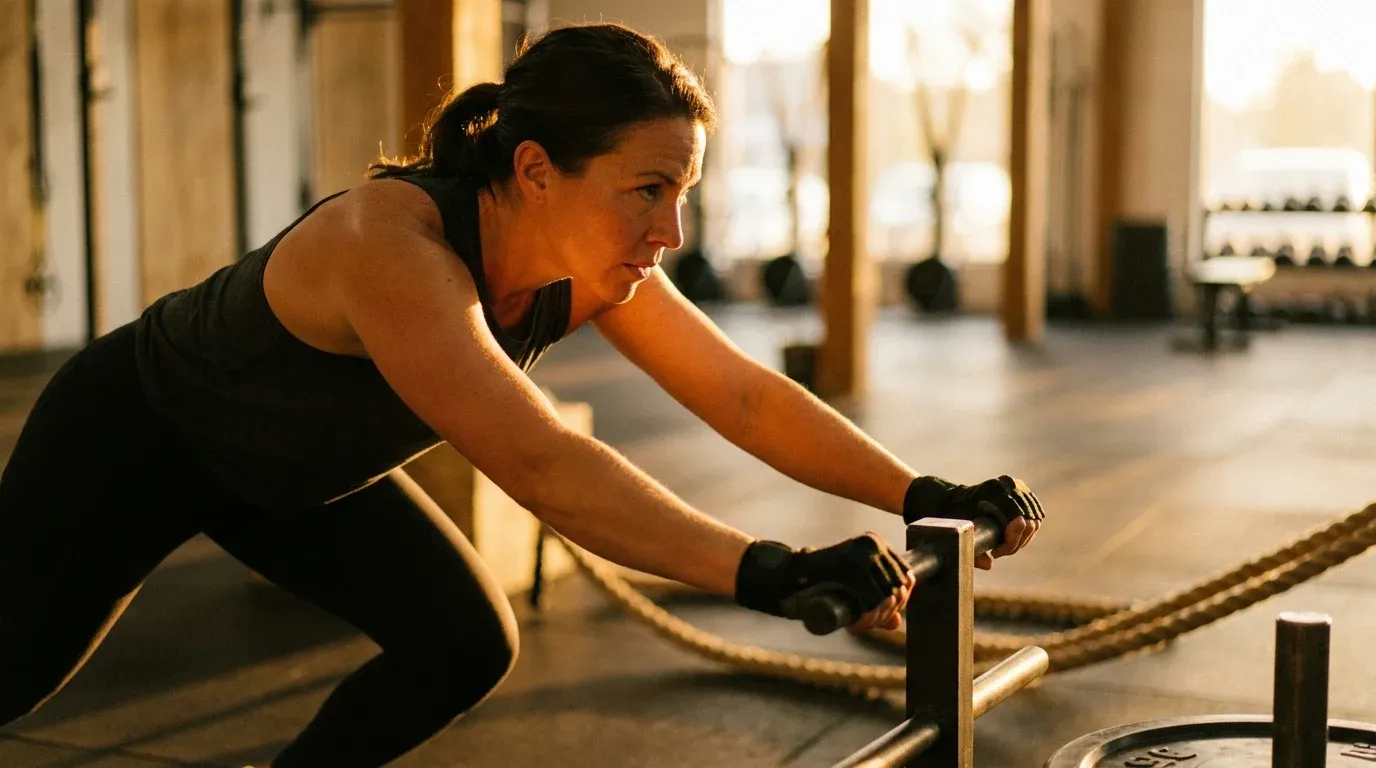
Why Women in Their 30s and 40s Are Obsessed With HYROX
New Venmo data shows HYROX skews heavily toward women aged 30–44. Here's what this format gives them that traditional gym culture never did.

Doctors Should Prescribe Exercise for Heart Health. Now It's Official.
A major scientific statement urges doctors to formally prescribe exercise for heart health, with research showing even small activity increases deliver outsized cardiovascular benefits.

Lifting Cuts Anxiety in Women by Up to 54%
An Irish study found high-intensity strength training cut depression scores by 54% in women with anxiety disorders. Even low-intensity lifting reduced scores by 43%.

Light vs. Heavy Lifting: Which One Helps Your Mental Health More?
A major study found high-intensity lifting cut depression scores by 54% vs. 43% for low-intensity. The real takeaway: consistency beats intensity every time.
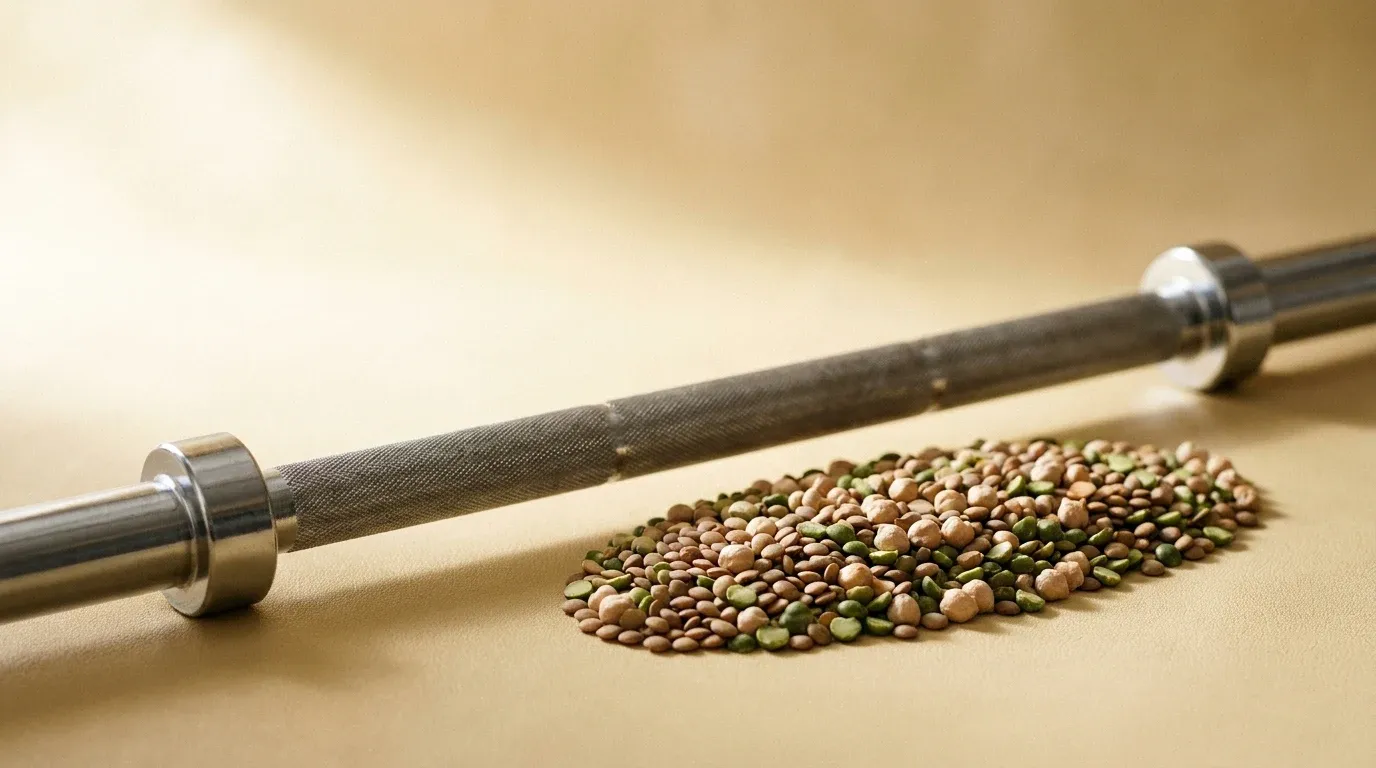
55 Years Without Meat: As Strong, But Less Muscle Mass
Long-term vegans match omnivores on strength but carry less muscle mass. Here's what that means for your training and plant-based protein strategy.
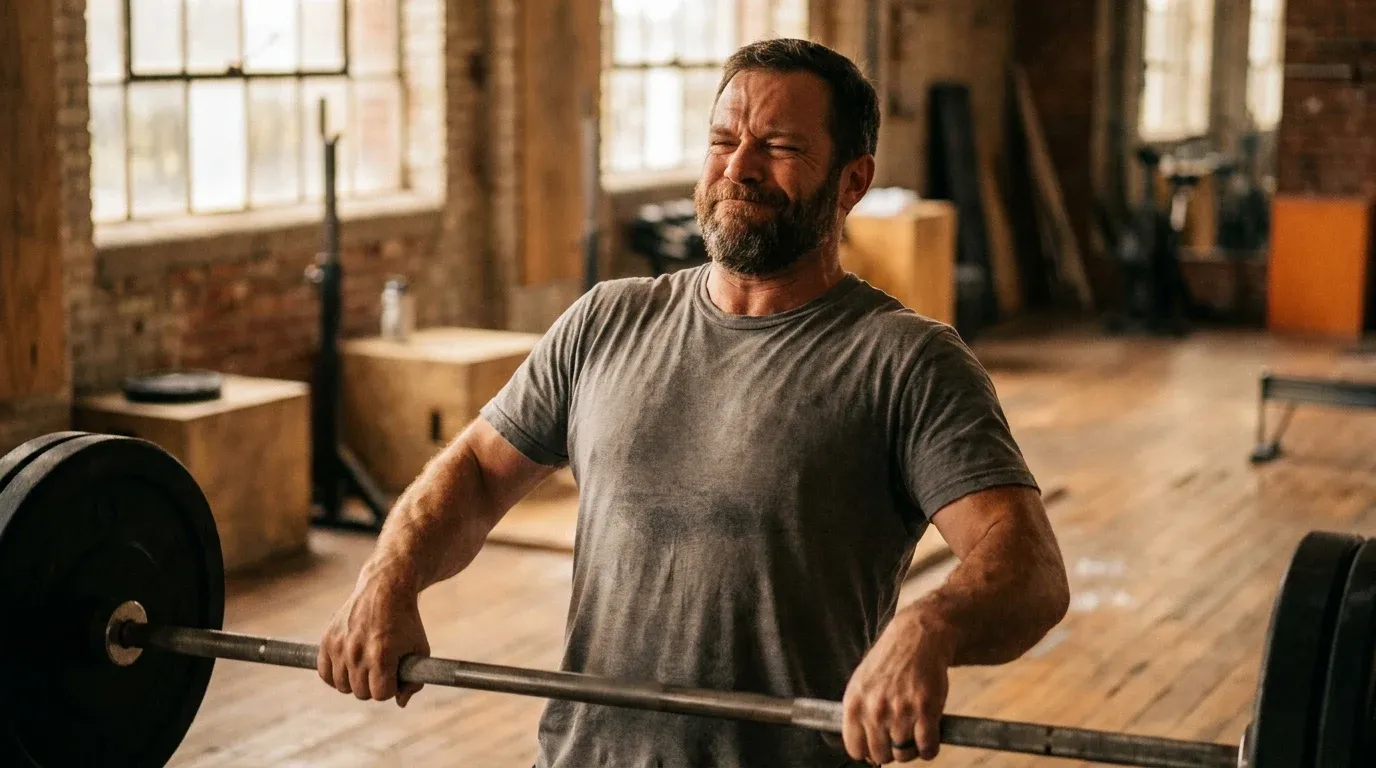
Your Strength Starts Declining at 35. Now What?
A landmark 47-year Swedish study confirms strength decline begins at 35, even in regular exercisers. Here's what the data says you should do about it.
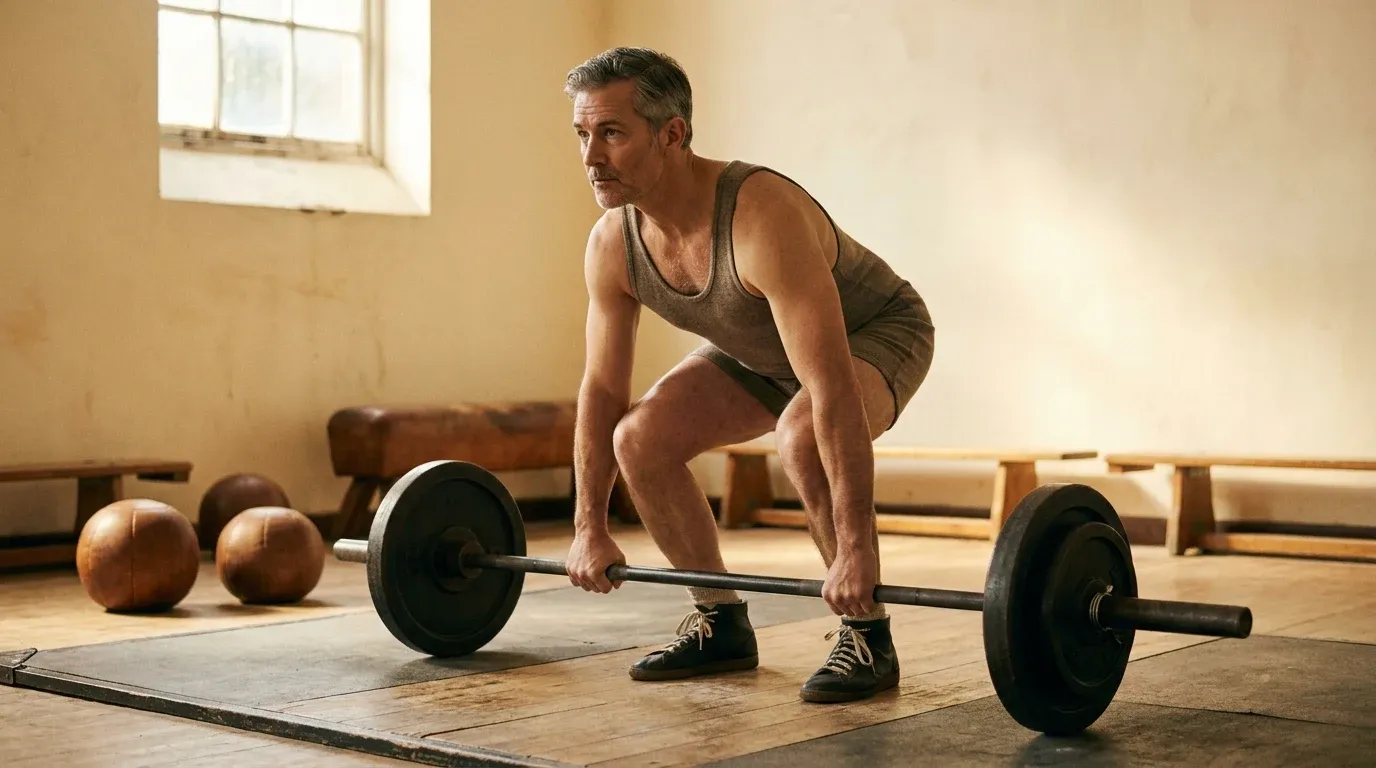
How to Train in Your 30s to Protect Strength After 40
Your 30s are the critical investment window for strength longevity. Here's the training, recovery, and nutrition playbook to slow decline before it steepens.

Sauna After Lifting: Does It Help or Hurt Your Gains?
Post-lift sauna timing determines whether heat therapy helps or hurts your gains. Here's what the research says and the exact protocol to follow.

10 Weeks of Plyometrics Makes You a More Efficient Runner
A new study found 10 weeks of jump rope and hopping drills improved running economy by nearly 4% in masters runners. Here's what that means for you.

The Fall 2026 Fitness Trend Is Doing Less on Purpose
Fall 2026's defining fitness shift isn't about training harder. It's about doing less on purpose, and there's solid science behind why that works.
The Age When Your Body Starts Losing Strength
A 47-year longitudinal study pinpoints ages 50–60 as the window when strength decline accelerates sharply, giving lifters a concrete timeline to train against.
Why Your Nervous System Drives Strength Before Muscle Does
Your nervous system drives strength gains before muscle growth even begins. Here's why that matters for every lifter, at every age.
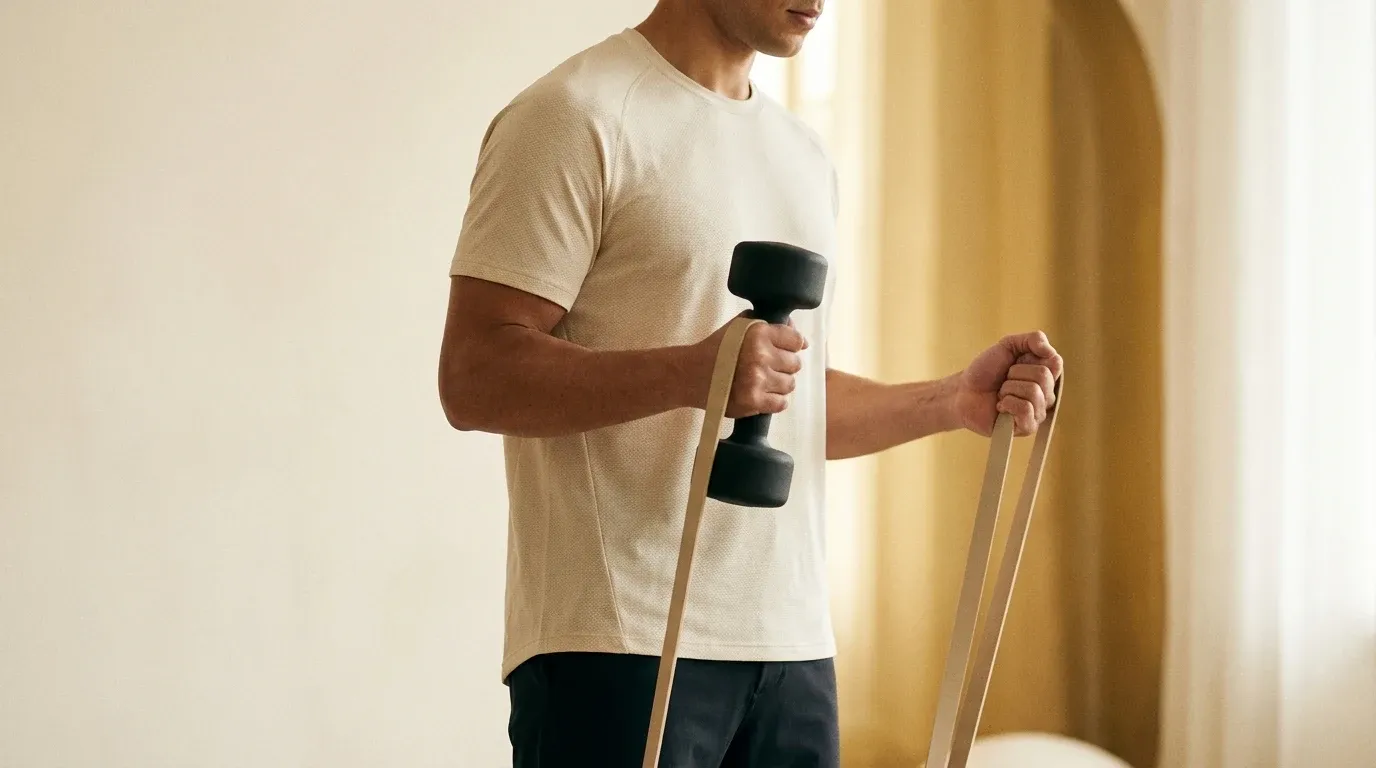
Resistance Bands vs Weights: What Research Says on Muscle
New October 2026 research confirms resistance bands and free weights produce comparable muscle growth. Here's what that means for your training setup.

Popular Recovery Tricks That Are Killing Your Gains
Trendy recovery tools like ice baths and anti-inflammatory supplements may be blunting the muscle-building signals your body needs. Here's what the research actually supports.

Being Fit as a Kid Cuts Adult Depression Risk by Up to 20%
A 2026 longitudinal study finds that cardiorespiratory fitness in childhood cuts adult depression risk by up to 20%, framing early movement as a long-term mental health investment.

Being Active as a Kid Makes Adult Exercise Feel Easier
New animal research shows childhood physical activity reshapes musculoskeletal development, making adult exercise less metabolically costly. Here's what it means for your training.

How Exercise Fixes the Cellular Recycling System That Ages
New 2026 research shows autophagy doesn't simply slow with age. It misfires. And gentle, consistent exercise may be enough to reset it.

10 Minutes of Daily Exercise Unlocks Deeper Sleep
New research shows just 10 minutes of daily movement can measurably deepen sleep quality, giving gym-goers a science-backed reason to keep moving on rest days.

Lifting Weights Is Mental Health Care Too
Strength training reduces anxiety and depression through real neurochemical changes. Here's the evidence and how to train intentionally for mental health.